Ocean Freight Market Forecast: Navigating Upcoming Dynamics

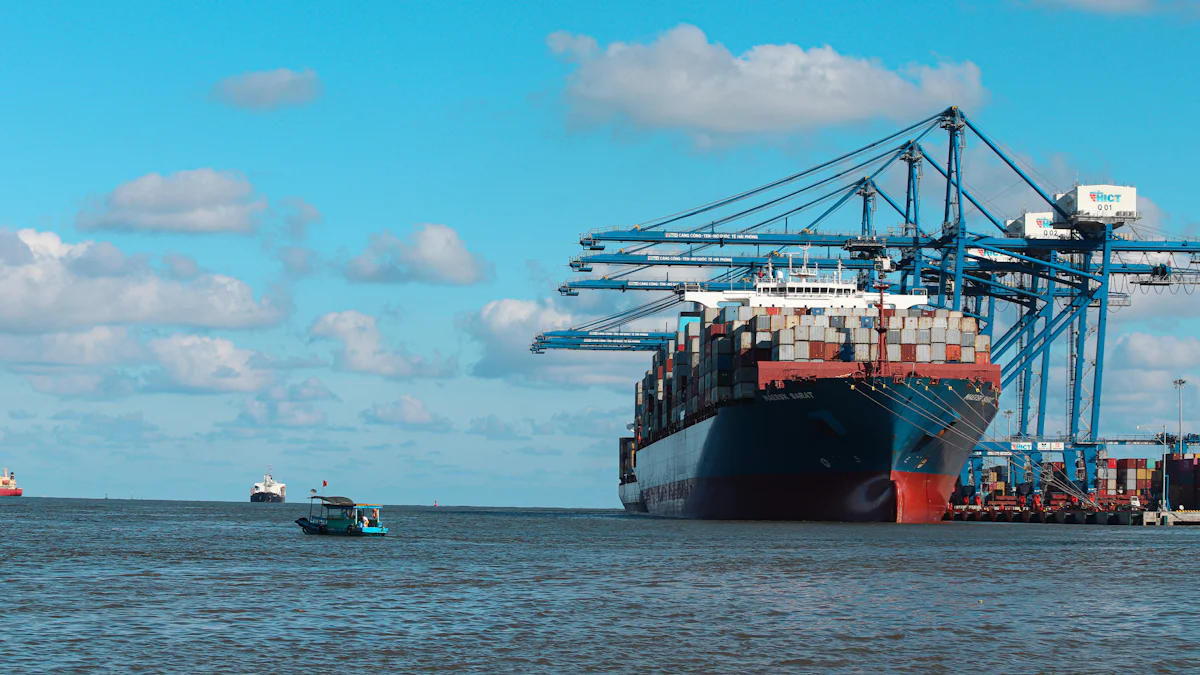
The Ocean Freight Market plays a crucial role in global trade, serving as the backbone for transporting goods across continents. Understanding the upcoming dynamics is essential for businesses to navigate this complex landscape effectively. The market faces several transformative factors, including technological advancements, geopolitical shifts, and regulatory changes. Companies must stay informed and adapt to these evolving conditions to maintain competitiveness and optimize their operations.
Current State of the Ocean Freight Market
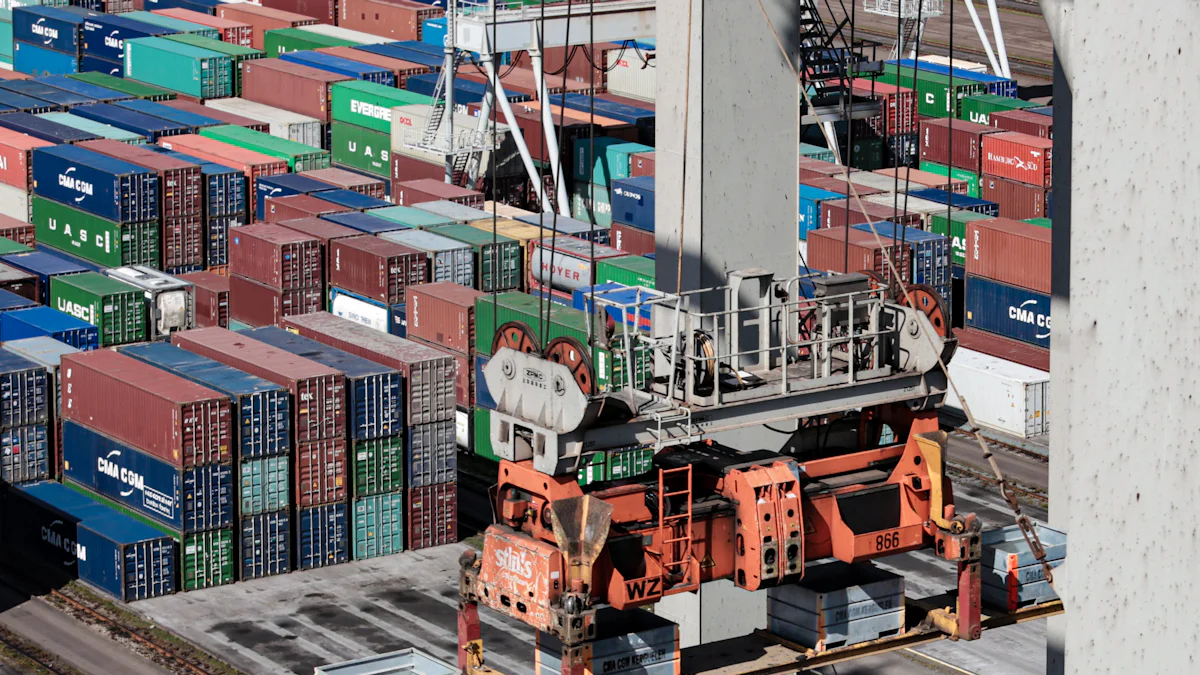
Market Overview
Key Players and Stakeholders
The Ocean Freight Market features several key players who dominate the industry. Companies such as Kuehne + Nagel, DHL Group, and DB Schenker Logistics lead the market. These organizations provide comprehensive logistics solutions and maintain extensive networks. The financial strength and strategic positioning of these companies enable them to influence market trends and pricing structures.
Major Trade Routes
Major trade routes form the backbone of the Ocean Freight Market. The expansion of trade routes has enabled faster and more secure transportation of goods. Key routes include the Asia-Europe corridor, the Trans-Pacific route, and the North-South American lanes. These routes facilitate the movement of a diverse range of products, contributing to the growth of seaborne trade. The efficiency of these routes reduces shipping costs and benefits customers worldwide.
Recent Trends
Technological Advancements
Technological advancements significantly impact the Ocean Freight Market. The integration of AI and big data analytics transforms operations. AI-driven models, such as the "Maritime Dynamic ETA Algorithm," predict port arrival times with greater accuracy. These technologies optimize early warning systems for anomalies in multimodal transport. Companies like JUSDA focus on cost control and service enhancement through technological integration.
Regulatory Changes
Regulatory changes also shape the Ocean Freight Market. Governments emphasize sustainable development and environmental protection. In the U.S., efforts aim to reduce carbon emissions and enhance social responsibility within the supply chain. These regulatory changes drive the adoption of greener shipping practices. Companies must adapt to these changes to remain competitive and compliant.
Challenges Faced
Supply Chain Disruptions
Supply chain disruptions present significant challenges in the Ocean Freight Market. Factors such as geopolitical tensions and natural disasters disrupt the flow of goods. The U.S.-China trade war and the "China+1" strategy prompt companies to diversify production bases. Countries like Vietnam and India emerge as key players in this new landscape. These shifts impact ocean freight routes and demand patterns.
Environmental Concerns
Environmental concerns increasingly influence the Ocean Freight Market. The focus on sustainable shipping practices grows stronger. Companies adopt greener technologies to reduce their carbon footprint. Regulatory pressures and consumer demand drive these changes. The industry must balance operational efficiency with environmental responsibility.
Detailed Analysis of Market Dynamics
Economic Factors
Global Trade Patterns
Global trade patterns significantly influence the ocean freight market. Increased global and domestic trade activities drive market growth. The burgeoning cross-border e-commerce market contributes to this expansion. Companies must adapt to shifting trade routes and demand patterns. Emerging markets like Vietnam and India play pivotal roles in this landscape.
Currency Fluctuations
Currency fluctuations impact ocean freight costs and profitability. Exchange rate volatility affects shipping rates and contract negotiations. Companies must implement strategies to mitigate currency risks. Financial planning and hedging can help manage these fluctuations. Businesses need to stay informed about global economic trends.
Political and Regulatory Influences
Trade Policies
Trade policies shape the ocean freight market dynamics. Governments implement policies to protect domestic industries and promote exports. The U.S.-China trade war exemplifies how geopolitical tensions affect trade routes. Companies must navigate these policies to optimize their supply chains. Strategic planning and diversification are crucial for success.
International Agreements
International agreements facilitate smoother global trade operations. Agreements like the Paris Agreement influence environmental regulations in shipping. Compliance with international standards ensures market access and competitiveness. Companies must stay updated on evolving agreements and their implications. Proactive adaptation to regulatory changes is essential.
Technological Innovations
Automation and AI
Automation and AI revolutionize the ocean freight industry. AI-driven models, such as the "Maritime Dynamic ETA Algorithm," enhance operational efficiency. These technologies provide accurate ETA projections and disruption risk predictions. Real-time shipment tracking through GPS and IoT improves visibility. Companies leveraging these innovations gain a competitive edge.
Sustainable Shipping Practices
Sustainable shipping practices are increasingly important. Environmental regulations drive the adoption of greener technologies. Companies invest in eco-friendly vessels and alternative fuels. Sustainable practices reduce carbon footprints and enhance social responsibility. Businesses aligning with these practices attract environmentally conscious customers.
Future Projections and Recommendations
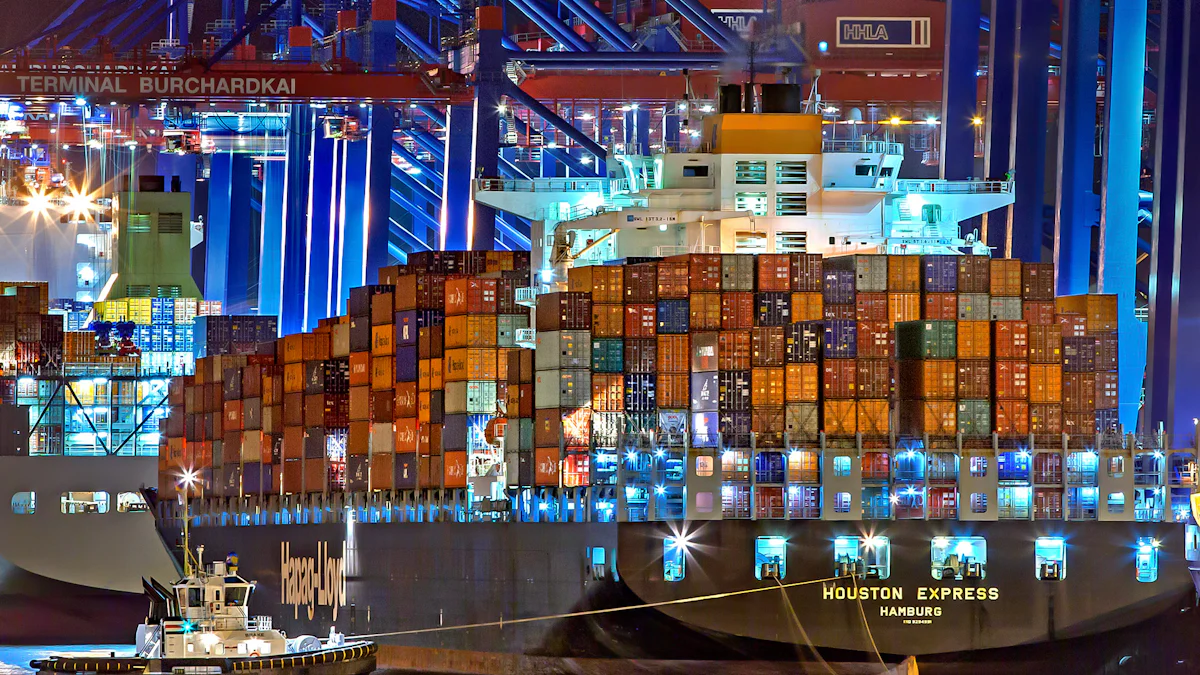
Market Forecast
Short-term Projections
The Ocean Freight Market is expected to experience moderate growth in the short term. Analysts predict a growth rate of around 5% in the first half of 2024, driven by increased e-commerce activities and retail sales. The global containership fleet will likely grow by 6.8% in 2024, with ship delivery capacity reaching a record high of 2.7 million TEUs. Companies should prepare for fluctuations in freight rates, which might reach $20,000 or higher due to rising demand and capacity constraints.
Long-term Projections
Long-term projections indicate sustained growth in the Ocean Freight Market. The market size is estimated to reach USD 96.86 billion by 2029, growing at a CAGR of 5.19%. The integration of advanced technologies like AI and big data analytics will continue to optimize operations and reduce uncertainties. The focus on sustainable shipping practices will drive investments in eco-friendly vessels and alternative fuels. Companies must adapt to these trends to remain competitive and capitalize on emerging opportunities.
Strategic Recommendations
Risk Management Strategies
Effective risk management strategies are crucial for navigating the dynamic Ocean Freight Market. Companies should diversify their supply chains to mitigate risks associated with geopolitical tensions and natural disasters. Implementing robust financial planning and hedging techniques can help manage currency fluctuations. Investing in technology-driven solutions will enhance operational efficiency and provide early warnings for potential disruptions.
Investment Opportunities
The evolving Ocean Freight Market presents several investment opportunities. Companies should consider investing in automation and AI technologies to improve efficiency and accuracy. Sustainable shipping practices offer another lucrative area for investment. Eco-friendly vessels and alternative fuels will not only reduce carbon footprints but also attract environmentally conscious customers. Diversifying product offerings and refining contract models for different markets will help companies capture new revenue streams and maintain competitive pricing services.
"The market is shifting quickly with industry development," noted a logistics manager. "Expansion in technology is benefiting businesses."
In conclusion, the Ocean Freight Market is poised for significant transformations. Companies that proactively adapt to technological advancements, regulatory changes, and shifting supply chain strategies will thrive in this evolving landscape.
The analysis highlights the transformative factors shaping the Ocean Freight Market. Staying informed about market dynamics is crucial for maintaining a competitive edge. Companies must adopt proactive strategies to navigate future changes effectively. Investing in technology, diversifying supply chains, and embracing sustainable practices will position businesses for success. Understanding market movements ensures efficient management and growth. The Ocean Freight Market offers significant opportunities for those prepared to adapt and innovate.
See Also
Exploring the Latest in Sea Freight Logistics for 2024
Understanding the Influence: Trends in Logistics Risk
Analyzing the Complete Landscape of LTL Freight Ahead