Mastering Omnichannel Logistics Orchestration to Elevate Customer Experience and Meet Rising Retail Expectations

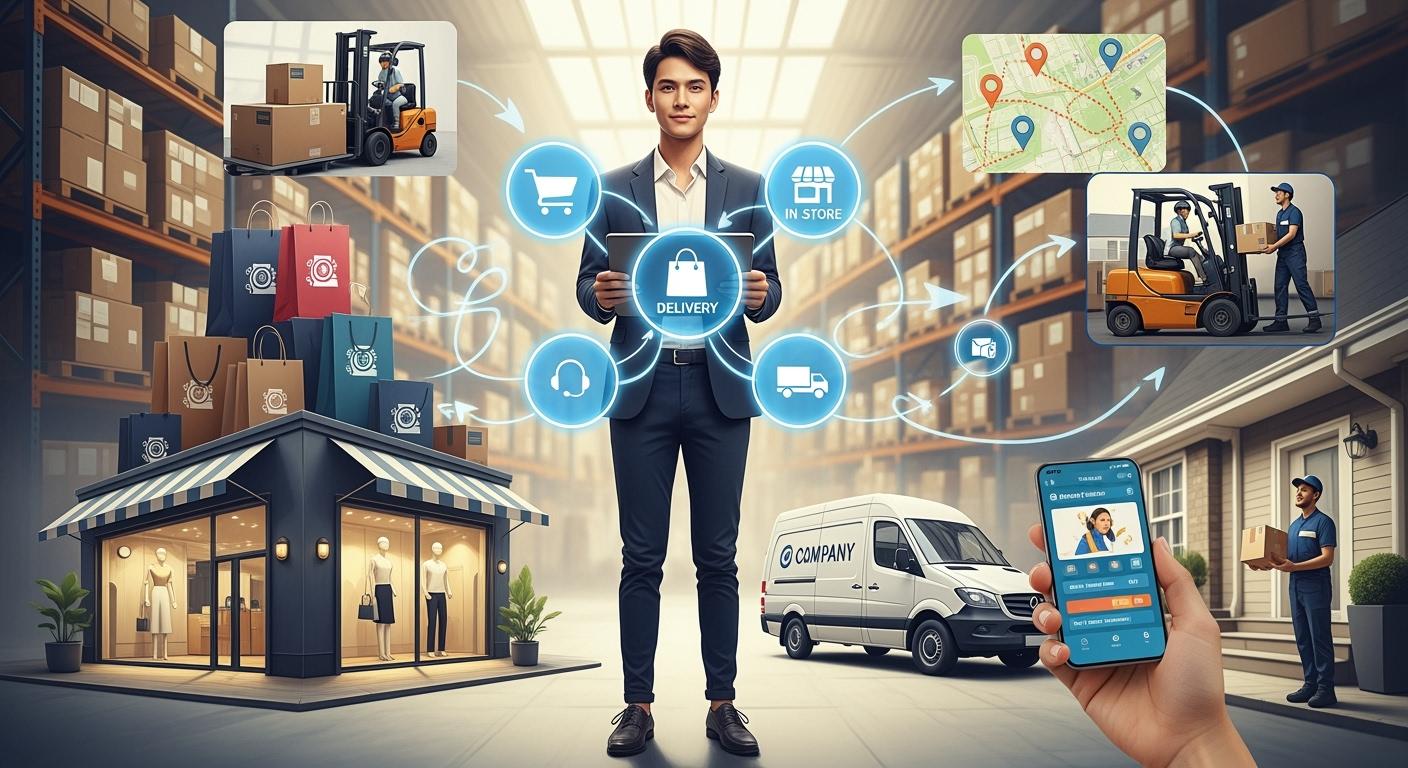
Omnichannel logistics orchestration shapes the way retailers deliver exceptional customer experience and respond to rising expectations. Digital transformation has become urgent for retailers and manufacturers. Data-driven operations now drive significant gains in forecasting accuracy, throughput, and labor productivity. Companies that lead in digital adoption generate higher returns and adapt faster.
44% of consumers abandon carts due to unclear delivery options.
78% prioritize sustainability, and 65% are willing to pay more for sustainable products.
Leveraging intelligent solutions like JUSDA’s JusLink helps businesses assess their logistics maturity and readiness for integrated, AI-driven orchestration.
Key Takeaways
Omnichannel logistics enhances customer experience by synchronizing inventory and order fulfillment across all sales channels.
Investing in seamless integration leads to faster deliveries and improved customer satisfaction, driving loyalty and repeat business.
Real-time inventory management reduces stockouts and overstocking, ensuring accurate fulfillment and better operational efficiency.
AI and automation streamline logistics processes, helping businesses respond quickly to market changes and improve accuracy.
Building a unified data foundation allows companies to make informed decisions and gain a competitive edge in the retail landscape.
Omnichannel Logistics and Customer Experience

Seamless Integration Across Channels
Omnichannel logistics enables brands to synchronize inventory, order fulfillment, delivery, and returns across every sales channel. This integration creates a consistent customer experience, whether shoppers engage online, in-store, or through mobile platforms. Companies that invest in seamless integration see several advantages:
Seamless shopping across multiple channels
Flexible fulfillment options that improve customer satisfaction
Nike’s integration strategy allowed the brand to reach more consumers and enhance their omnichannel experience. Customers interacted with the brand across platforms, which deepened loyalty and improved overall satisfaction. Many brands have the infrastructure for omnichannel fulfillment, but inefficiencies in inventory allocation and order orchestration can create costly bottlenecks. High-touch fulfillment drives stronger retention and revenue growth, ultimately elevating customer experience.
Omnichannel logistics is an integrated system that manages and synchronizes inventory, order fulfillment, delivery, and returns across all sales channels. This approach ensures a smooth, consistent customer experience and improves operational efficiency, which can drive higher revenue.
Enhancing Customer Satisfaction
Customer experience stands at the center of successful omnichannel logistics strategies. Retailers with robust omnichannel logistics retain an average of 89% of their customers, while those without such strategies retain only 33%. According to Harvard Business Review, 73% of customers use multiple channels during their shopping journey. Flexible fulfillment options and seamless integration across channels empower customers to shop how and when they prefer.
Seamless shopping across multiple channels
Flexible fulfillment options that improve customer satisfaction
Omnichannel logistics supports these outcomes by providing real-time visibility and control. Brands that prioritize customer experience through integrated logistics build loyalty and drive repeat business. The ability to deliver on customer expectations across every touchpoint sets leading retailers apart in a competitive market.
Defining Omnichannel Logistics Orchestration
Core Concepts and Importance
Omnichannel logistics orchestration refers to the coordinated management of inventory, orders, and fulfillment across all sales channels. This approach ensures that every customer receives a consistent experience, no matter where or how they shop. Leading supply chain experts identify several core concepts that form the foundation of effective orchestration:
Core Concept | Description |
|---|---|
Real-time visibility across all locations enables dynamic allocation based on demand and proximity. | |
Centralized systems automatically route orders to optimal fulfillment locations. | |
Cross-channel fulfillment | Flexible delivery options including BOPIS, ship-from-store, and same-day delivery. |
Customer journey integration | Seamless experiences where shopping cart contents and preferences follow customers across channels. |
These concepts address the complexity of modern retail operations. Unified inventory management allows businesses to see stock levels in real time, reducing the risk of stockouts or overstock. Integrated order processing ensures that each order is fulfilled from the most efficient location. Cross-channel fulfillment provides customers with options that match their preferences, such as picking up in-store or receiving same-day delivery. Customer journey integration keeps the shopping experience smooth and personalized.
Omnichannel logistics orchestration plays a critical role in today’s supply chains. Companies that adopt this approach benefit in several ways:
Omnichannel fulfillment platforms unify inventory across various sales channels.
They streamline order flows, providing a cohesive operational view for teams.
These systems address the complexities of modern supply chains by ensuring seamless operations regardless of order origin.
Omnichannel data orchestration enhances customer engagement by tailoring recommendations and promotions based on behavioral data.
It prevents disruptions in the customer journey caused by irrelevant offers and experiences.
The lack of integrated data leads to missed opportunities in cross-selling and upselling, affecting conversion rates.
Brands struggle to develop effective omnichannel strategies without connected data.
They face issues like stockouts and overstock due to poor inventory visibility.
The inability to meet customer needs across channels results in lower conversion rates.
Retailers and manufacturers that master omnichannel logistics orchestration can respond quickly to market changes, improve customer satisfaction, and drive higher sales.
JUSDA’s Approach with JusLink
JUSDA addresses the challenges of omnichannel logistics orchestration through its JusLink platform. JusLink provides real-time collaboration, visibility, and efficiency for supply chain operations. The platform offers several features that support these goals:
Feature | Description |
|---|---|
Enhanced visibility | Centralized dashboards provide complete oversight of inventory, orders, and shipments across the supply chain. Role-based controls allow users to view exactly what they need for every task. |
Better collaboration | Integrated logistics systems create shared digital spaces and data exchange among partners and departments, helping to avoid miscommunications and allowing for quick coordination. |
JusLink improves efficiency in omnichannel logistics by optimizing key processes:
Benefit | Description | Example |
|---|---|---|
Optimized Picking and Packing | Advanced WMS solutions guide workers through optimized routes, reducing errors and speeding up operations. | Amazon uses robots to fetch items for packers. |
Multiple Fulfillment Options | Retailers can offer various delivery methods, catering to different preferences. | Best Buy allows same-day delivery or in-store pickup. |
Automation and AI | Automating tasks improves accuracy and efficiency while lowering costs. | JD uses robotic arms for order assembly. |
Last-Mile Coordination | Integrating delivery services with real-time tracking reduces errors. | Domino’s provides real-time GPS tracking. |
Enhanced Customer Experience | Faster deliveries and flexible options improve customer satisfaction. | N/A |
Increased Sales & Market Reach | Expanding into multiple channels drives higher revenue. | N/A |
Optimized Inventory Management | Real-time stock visibility reduces stockouts and overstocking. | N/A |
Cost Efficiency | Streamlined fulfillment and optimized routes reduce logistics costs. | N/A |
JusLink’s centralized dashboards give teams a clear view of inventory, orders, and shipments. Role-based controls ensure that each user accesses the information needed for their responsibilities. Integrated systems foster collaboration among partners, suppliers, and internal teams. This approach helps avoid miscommunications and enables quick coordination.
JusLink also supports automation and AI-driven processes. These features reduce manual errors, speed up operations, and lower costs. Retailers can offer multiple fulfillment options, such as same-day delivery or in-store pickup, to meet diverse customer needs. Real-time tracking and last-mile coordination further enhance the customer experience.
JUSDA’s JusLink platform empowers businesses to orchestrate omnichannel logistics with greater accuracy and speed. Improved collaboration leads to stronger relationships with suppliers, partners, and customers. Easier information sharing enables proactive problem-solving and shared success. Companies that use JusLink gain a competitive edge in today’s fast-paced retail environment.
Omnichannel vs. Multichannel Logistics
Key Differences
Industry analysts highlight clear distinctions between multichannel and omnichannel logistics. Multichannel logistics focuses on optimizing operations within a single distribution center. It often impacts customer satisfaction only indirectly. In contrast, omnichannel logistics covers the entire supply chain and places the customer experience at the center of every process. This approach requires integration across departments and channels, offering seamless coordination for order fulfillment. The technology requirements also differ. Multichannel systems rely mainly on warehouse management, while omnichannel logistics needs advanced ERP systems and robust data integration tools.
Dimension | Multichannel Logistics | Omnichannel Logistics |
|---|---|---|
Scope | Focuses on optimizing a single distribution center. | Encompasses the entire supply chain for a seamless experience. |
Customer-Centricity | Impacts customer satisfaction indirectly. | Prioritizes customer experience across all channels. |
Integration Level | Optimizes processes within a single facility. | Requires integration across multiple departments and channels. |
Order Fulfillment | Streamlines order fulfillment within DCs. | Offers multiple fulfillment options and seamless coordination. |
Relies on warehouse management systems. | Requires advanced ERP systems and data integration tools. |
Omnichannel logistics creates a unified experience for customers, while multichannel logistics often results in disconnected processes.
Benefits of Omnichannel Fulfillment
Retailers who adopt omnichannel fulfillment strategies see measurable improvements in their operations and customer satisfaction. Some of the key benefits include:
Higher Margins: Improved order accuracy reduces returns and lowers costs related to reverse logistics. For example, real-time inventory tracking helps minimize fulfillment errors.
Revenue Growth: Faster delivery times and flexible return policies increase customer satisfaction and drive higher conversion rates. Quick delivery services attract loyal customers and boost revenue.
Enhanced Customer Loyalty: Consistent experiences across all channels encourage repeat business and strengthen brand loyalty.
Operational Efficiency: Integrated systems streamline processes, reduce manual work, and improve overall supply chain performance.
Omnichannel fulfillment empowers retailers to meet rising expectations and deliver superior value at every touchpoint.
Essential Technologies for Omnichannel Fulfillment
Unified Commerce Platforms
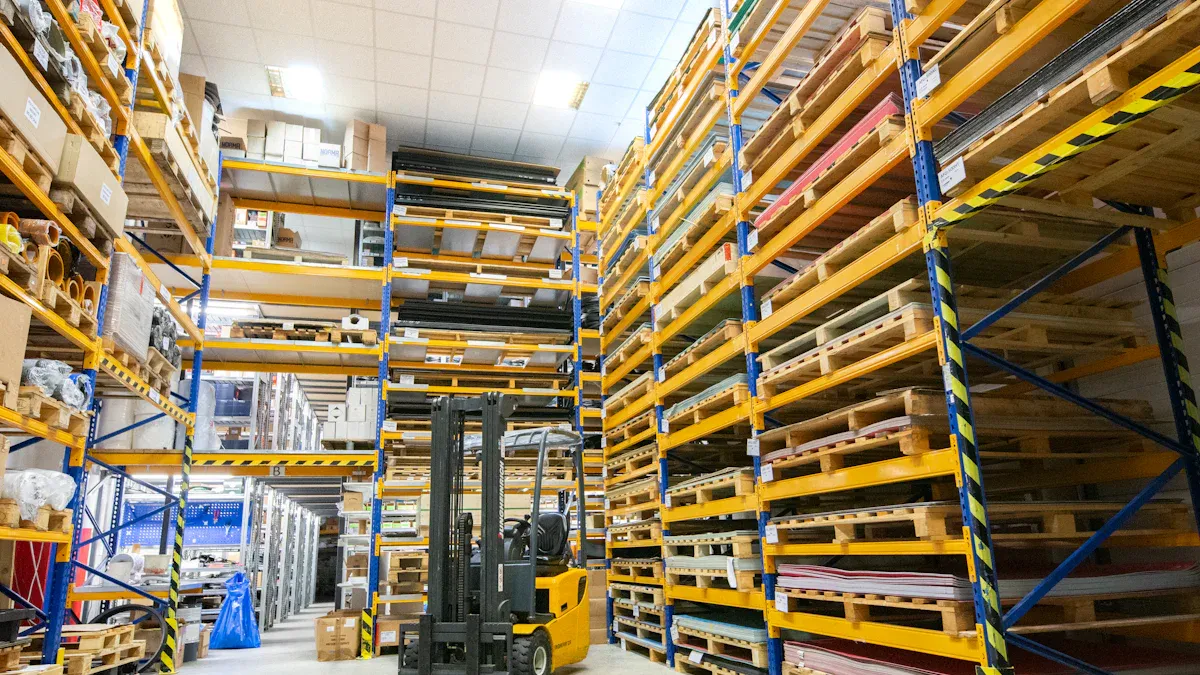
Unified commerce platforms form the backbone of modern omnichannel fulfillment strategies. These platforms connect sales, inventory, and customer data in one system. Retailers gain a single view of their operations, which supports fast and accurate fulfillment. The following table highlights how unified commerce platforms support seamless omnichannel fulfillment:
Feature | Description |
|---|---|
Real-time Inventory Management | Provides a comprehensive view of stock across all channels, preventing overstocking or stockouts. |
Seamless Order Fulfillment | Routes orders to the most efficient fulfillment center, meeting customer expectations for fast shipping. |
Customer-Centric Data Management | Stores all customer interactions in a single system for personalized experiences based on behavior. |
Unified commerce platforms help retailers deliver consistent experiences and meet customer expectations across every channel.
Real-Time Inventory Management
Real-time inventory management is critical for accurate and efficient fulfillment. It ensures that retailers always know what stock is available and where it is located. This technology reduces errors and improves order accuracy. Key impacts include:
Store inventory accuracy typically ranges from 70–90%, while distribution centers maintain accuracy above 99.5%.
Real-time inventory management provides a unified view across all sales channels, reducing errors and enhancing order accuracy.
Stockouts and overstocking cost US retailers $1.1 trillion annually, showing the importance of real-time inventory visibility.
Accurate inventory management helps in planning better, cutting unnecessary costs, and ensuring customer satisfaction.
Automated picking systems can decrease picking mistakes by up to 70%, leading to fewer returns and enhanced customer satisfaction.
Retailers who invest in real-time inventory management see faster fulfillment and fewer mistakes, which leads to happier customers.
AI and Automation in JusLink
JUSDA’s JusLink platform uses AI and automation to optimize omnichannel fulfillment. Smart algorithms predict demand and optimize inventory levels. The platform streamlines logistics, leading to better operational efficiency. JusLink’s AI-driven features include:
Automated replenishment maintains optimal stock levels across channels.
Predictive analytics use machine learning for demand forecasting and inventory optimization.
Inventory optimization can reduce total inventory by 15-25% while maintaining service levels.
Automation and optimized processes improve warehouse productivity by 25-40%.
Route optimization reduces transportation costs by 15-25% and improves delivery performance.
AI-powered models in JusLink analyze data quickly, classify products by demand patterns, and automate replenishment schedules. This approach reduces stockouts and overstocking, resulting in cost savings and improved customer satisfaction. JusLink’s digital solutions support seamless order and inventory orchestration, making omnichannel fulfillment more reliable and efficient.
Overcoming Omnichannel Logistics Challenges
Inventory and Data Synchronization
Retailers face several obstacles when synchronizing inventory and data across multiple channels. These challenges often disrupt the flow of goods and information, making it difficult to deliver a seamless customer experience. The most common issues include:
Distribution network complexity increases as companies expand into new markets.
Inventory management complexity grows with more SKUs and sales channels.
Integration of systems and data becomes harder as businesses use different platforms.
Last-mile delivery challenges arise due to varying customer locations and delivery expectations.
Cost management remains a concern as companies try to balance service levels with profitability.
Companies that address these challenges can improve accuracy and speed in their fulfillment operations.
Managing Complex Supply Chains
Leading companies manage complex supply chains by integrating all sales channels and leveraging advanced technologies. They maintain real-time visibility throughout the supply chain, which helps them meet consumer expectations for convenience and speed. This integration supports a unified shopping experience and enables faster order fulfillment through options like Buy Online, Pick-Up In-Store (BOPIS) and curbside pickup. Real-time data sharing and process automation help reduce errors and delays, ensuring that customers receive their orders quickly and reliably.
Integrating Legacy Systems
Many organizations still rely on legacy systems that do not easily connect with modern logistics networks. Effective strategies for integration include:
Implementation costs often run high, so companies look for cloud-based solutions to reduce expenses.
Data security and privacy require strong safeguards during system integration.
Training and user adoption play a key role, making employee education essential for success.
Integration complexity can create technical hurdles, so businesses may choose custom solutions or all-in-one ERP systems.
By addressing these areas, companies can modernize their logistics infrastructure and support efficient omnichannel fulfillment.
Actionable Solutions and Best Practices
Building a Unified Data Foundation
A unified data foundation forms the backbone of successful omnichannel logistics orchestration. Companies must connect data from every sales channel, warehouse, and transportation partner. This integration creates a single source of truth for inventory, orders, and shipments. Teams can then make informed decisions quickly and accurately.
To build a unified data foundation, organizations should:
Centralize Data Collection: Gather information from all systems, including ERP, WMS, TMS, and e-commerce platforms.
Standardize Data Formats: Use consistent data structures to ensure compatibility and easy integration.
Enable Real-Time Data Sharing: Implement cloud-based solutions that update inventory and order status instantly.
Establish Role-Based Access: Assign permissions so each team member views only relevant data.
Integrate with Partners: Connect suppliers, carriers, and third-party logistics providers through secure data interfaces.
A unified data foundation reduces errors, improves visibility, and supports faster fulfillment decisions. Companies that invest in this area gain a competitive edge by responding to market changes with agility.
Leveraging AI and Intelligent Agents
AI and intelligent agents transform omnichannel logistics by automating complex tasks and enhancing decision-making. JusLink, JUSDA’s intelligent supply chain platform, offers a suite of AI-driven tools that optimize every stage of the supply chain.
Key ways AI and intelligent agents drive value include:
AI improves demand forecasting, allowing businesses to adjust production and inventory levels proactively.
Warehouse management agents automate inventory tracking and real-time monitoring, reducing errors and boosting productivity.
Supply chain coordination agents streamline communication among stakeholders, automate repetitive tasks, and identify inefficiencies.
Last-mile delivery optimization agents analyze traffic patterns and customer preferences to enhance delivery efficiency.
JusLink’s AI-powered features, such as sales demand forecasting and replenishment strategies, help companies maintain optimal stock levels. The platform’s risk control tower monitors supply chain risks in real time, providing early warnings and actionable insights. JusElsa, the intelligent supply chain assistant, uses advanced natural language processing to support users with shipment tracking, risk assessment, and report generation.
By leveraging AI and intelligent agents, organizations can automate routine operations, reduce manual errors, and focus on strategic growth.
Real-World Success: JUSDA Customer Story
JUSDA’s impact on global supply chain management is best illustrated through its work with leading Chinese manufacturers. As these enterprises expanded internationally, they faced complex challenges in procurement, transportation, customs, and warehousing. JUSDA responded by implementing a Supply Chain Management Collaboration Platform powered by AI, cloud computing, and blockchain.
The platform delivered several key benefits:
Benefit | Description |
|---|---|
End-to-End Lifecycle Management | Provided real-time transparency and control from procurement to delivery. |
Standardized Global Operations | Unified processes across regions, reducing manual handling and improving data accuracy. |
Dynamic Inventory Management | Enabled real-time inventory tracking and automated replenishment, lowering costs. |
Enhanced Collaboration | Integrated ERP, TMS, and WMS systems for seamless data exchange and process automation. |
Smart Warehousing | Adopted AI-driven warehousing solutions for faster, more accurate order fulfillment. |
JUSDA’s platform helped manufacturers overcome regional customs differences and cross-border transportation delays. The integration of AI-driven forecasting and risk management tools allowed these companies to optimize inventory, reduce costs, and improve service levels. As a result, JUSDA’s customers achieved efficient, low-cost global expansion and set new standards for smart logistics.
JUSDA’s real-world results show that intelligent orchestration and digital transformation can elevate supply chain performance and customer satisfaction.
Optimizing Omnichannel Fulfillment Performance
Key Metrics and KPIs
Retailers and manufacturers rely on specific metrics to measure the effectiveness of omnichannel fulfillment. These key performance indicators help teams identify strengths and areas for improvement. The most important metrics include:
Inventory accuracy: Tracks how closely recorded inventory matches actual stock.
Inventory shrinkage: Measures loss due to theft, damage, or errors.
On-time delivery: Monitors the percentage of orders delivered as promised.
Order accuracy: Reflects the percentage of orders shipped correctly, with a target of 99.9% for top performance.
Order fulfillment cycle time: Measures the time from order receipt to shipment, with same-day processing as the ideal.
Dock-to-stock time: Evaluates how quickly inventory moves from receiving docks to storage, aiming for 24 hours or less.
Return processing time: Tracks how fast returned items are processed and restocked.
Cost per unit shipped: Calculates the average cost to ship each unit.
Monitoring these KPIs ensures that omnichannel logistics operations remain efficient and customer-focused.
Continuous Improvement Strategies
Sustained success in omnichannel logistics depends on continuous improvement. Companies must regularly assess performance and adapt to changing customer needs. The following table highlights strategies that drive ongoing progress:
Strategy | Description |
|---|---|
Channel usage and shifts | Tracking how customers use different channels reveals trends and guides optimization efforts. |
Customer satisfaction across channels | Measuring satisfaction pinpoints areas for targeted improvements in experience. |
Personalization engagement | Engaging customers with personalized experiences increases loyalty and satisfaction. |
Teams that review these areas can respond quickly to market changes. They can also refine processes to deliver better service. JusLink’s real-time data and AI-driven insights support these strategies, helping organizations maintain high performance and adapt to evolving retail landscapes.
Future Trends and Next Steps
AI-Driven Supply Chains
AI-driven supply chains are transforming the future of ecommerce and logistics. Over the next five years, several trends will shape how companies manage their operations:
Advancements in AI technologies will enhance forecasting accuracy and inventory management.
Better integration with IoT will enable real-time monitoring and optimization of supply chains.
Increased automation through robotics will lead to faster and more accurate order fulfillment.
Adoption of blockchain technology will improve traceability and security in supply chains.
Hyper-personalization of services will allow businesses to tailor offerings to specific customer needs.
These innovations will help ecommerce companies respond quickly to market changes and deliver better customer experiences.
Sustainable Logistics
Sustainability has become a core focus for leading retailers in ecommerce. Companies are adopting greener transportation methods and optimizing inventory management to reduce their environmental impact. Research shows that replenishment frequency can affect both profitability and carbon emissions. Strategies must fit the unique needs of each market, such as urban or rural areas, to achieve both sustainability and operational efficiency. By integrating these practices, businesses can support long-term growth while meeting consumer expectations for responsible operations.
Getting Started with JUSDA and JusLink
Businesses looking to master omnichannel logistics can start by exploring JUSDA’s JusLink platform. JusLink offers intelligent tools for real-time collaboration, AI-driven forecasting, and risk management. Teams can use JusLink to connect data from every channel, automate routine tasks, and gain full visibility across the supply chain. This approach helps ecommerce brands streamline operations, reduce costs, and improve customer satisfaction. Companies that embrace these solutions position themselves for success in a rapidly changing retail landscape.
Mastering omnichannel logistics orchestration elevates customer experience by connecting every touchpoint and enabling personalized support. Solutions like JUSDA’s JusLink deliver real-time visibility, streamline operations, and foster strong collaboration among partners. Retailers who assess their current strategies and embrace digital transformation can reduce operational complexity and improve agility. Ongoing learning and adaptation remain essential, as brands that value innovation and resilience will lead the industry and meet evolving retail expectations.

JUSDA Solutions
To provide you with professional solutions and quotations.
FAQ
What is JusLink and how does it support omnichannel logistics?
JusLink is JUSDA’s intelligent supply chain platform. It uses AI, IoT, and cloud computing to provide real-time visibility, collaboration, and automation. JusLink helps businesses manage inventory, orders, and shipments across all channels for seamless omnichannel logistics.
How does JusLink improve inventory management?
JusLink uses AI-driven forecasting and smart replenishment. The platform monitors inventory in real time and predicts demand. This reduces stockouts and overstocking. Businesses can optimize inventory levels and respond quickly to market changes.
What industries benefit from JUSDA’s solutions?
JUSDA serves electronic manufacturing, 3C home appliances, FMCG, automotive, new energy, medical health, heavy equipment, and bulk materials. Each industry receives tailored supply chain solutions that address unique logistics and operational needs.
How does JusLink help manage supply chain risks?
JusLink features a Control Tower Intelligent Risk Management system. It monitors risks in real time, provides early warnings, and suggests response actions. This helps companies reduce disruptions and maintain stable supply chain operations.
Can JusLink integrate with existing business systems?
JusLink uses a microservices architecture and open data interfaces. It connects with ERP, TMS, and WMS systems. This integration supports seamless data sharing and process automation across the entire supply chain.
See Also
Maximizing Efficiency in Your Automotive Supply Network
Transforming Future Logistics Through AI Supply Chain Solutions
Innovative Supply Chain Strategies Transforming Logistics Today
Boosting Warehouse Efficiency with Advanced Logistics Robotics