China–Europe Railway Express Faces Major Disruptions as Poland Shuts Belarus Border

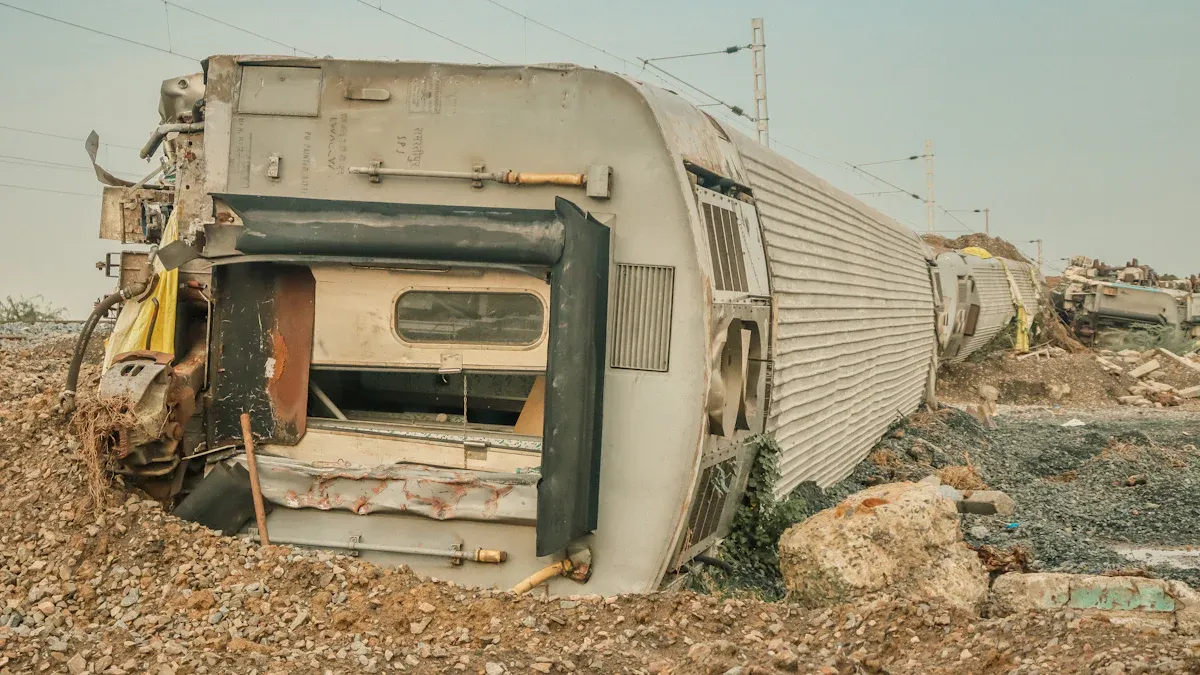
Poland's Belarus border closure has halted many trains on the China–Europe Railway Express. As a result, companies now have to pause or change their shipping plans. Businesses and online stores are facing higher costs and slower deliveries.
About 90% of China-EU rail freight goes through the Małaszewicze-Brest junction corridor.
JUSDA's China-Europe Express Rail service helps goods keep moving during these challenges.
Key Takeaways
Poland closed its border with Belarus. This causes problems for the China-Europe Railway Express. Businesses now face delays and must pay more for shipping.
JUSDA's China-Europe Express Rail service gives ways to keep goods moving. It helps companies avoid long waits. It also helps them handle their shipping better.
The Małaszewicze-Brest junction is very important for trade. It handles most rail freight between China and Europe. This shows we need strong infrastructure.
Poland's Belarus Border Closure and Trade Impact
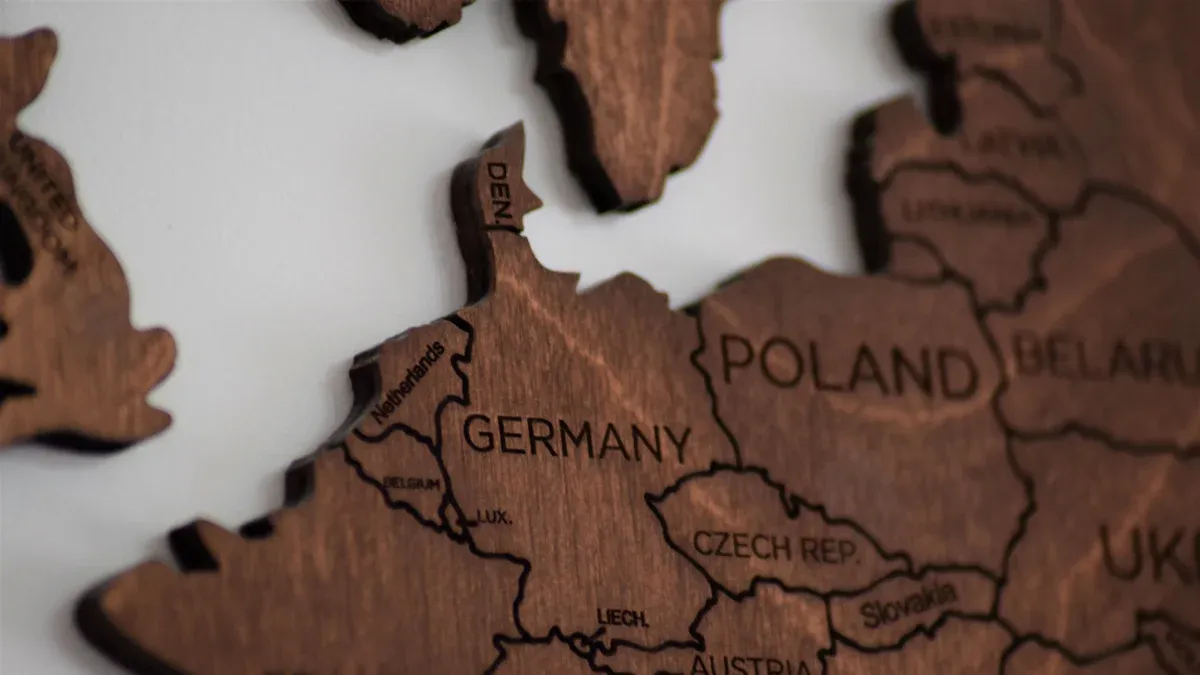
Disruption to China–Europe Railway Express
Poland closed its border with Belarus. This has caused big problems for the China–Europe Railway Express. The railway is very important for trade between China and the European Union. Almost all rail freight between these places goes through the Polish-Belarusian border. Now, most trains have stopped running. Companies must look for new ways to ship their goods. Many businesses now pay more and wait longer for deliveries. The closure does not just stop goods. It also affects the whole logistics chain that helps trade. JUSDA’s China-Europe Express Rail gives companies help. They offer steady transport and logistics during this hard time.
Effects on Global Supply Chains and E-commerce
The border closure in Poland affects more than just Poland and Belarus. Global supply chains now have more delays and higher costs. E-commerce sites like Temu and Shein need fast rail routes to send products quickly. Because of the closure, many companies use slower or pricier routes, like sea shipping or southern land corridors. This change slows down exports and imports. It makes it harder for businesses to give customers what they want. The trade impact is clear. Companies must change their logistics plans to keep up with new transport and infrastructure changes. The closure also shows how countries along the railway depend on each other. One choice can affect the whole economy.
Małaszewicze-Brest Junction’s Role in Trade
The Małaszewicze-Brest junction is a very important place for trade between Europe and Asia. Almost all China-EU rail freight goes through here. This makes it a key part of the region’s infrastructure. In 2024, more cargo moved through this junction. The value of goods also went up a lot, reaching €25.07 billion. This growth shows that China, Belarus, and Poland depend on each other for trade. The junction now supports about 3.7% of all EU-China trade. Last year, it was only 2.1%. Electronics and machines are about 60% of the exports that go through this corridor. These products need to be delivered fast and on time, especially for e-commerce. The border closure has put stress on this important route. It shows how much trade needs safe routes and strong infrastructure. The problems from this closure will likely change future trade and politics in the area.
JUSDA Solutions and Supply Chain Continuity
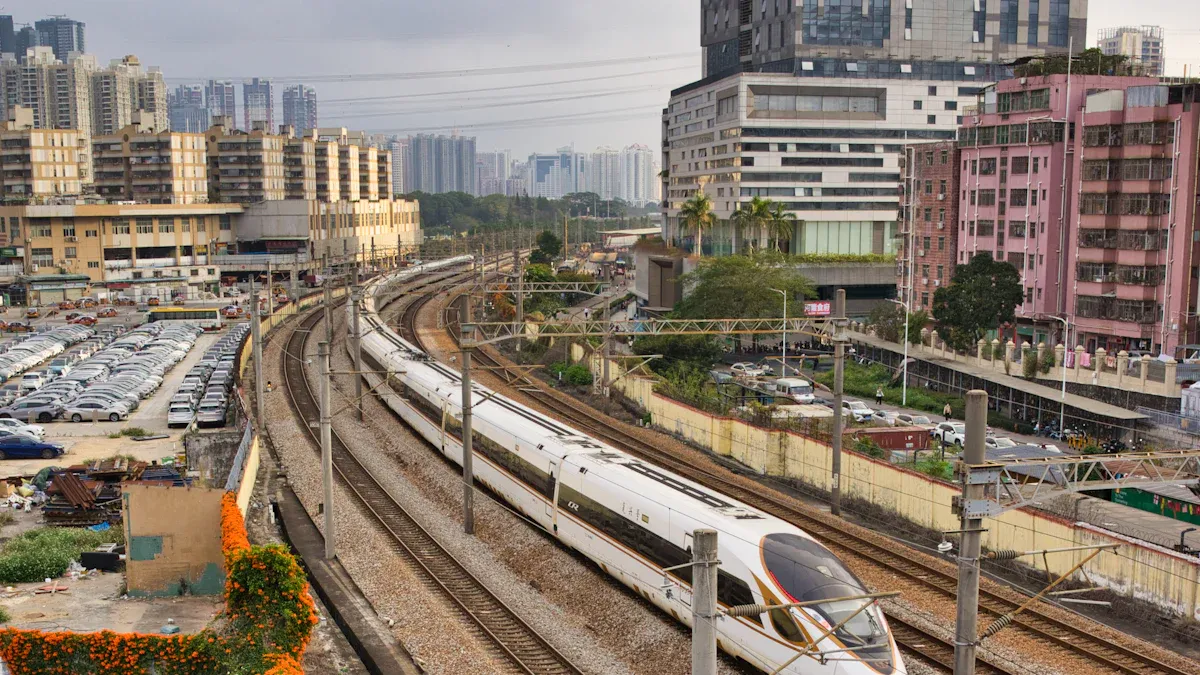
JUSDA’s China-Europe Express Rail Advantages
JUSDA’s China-Europe Express Rail helps keep trade steady now. The rail line links big cities in China to main hubs in Europe. This service lets companies move goods fast and cheaper than air freight. Many businesses use this rail route because it saves money and time. The rail service carries many things, like electronics, clothes, and medical supplies. JUSDA’s team works with customs and local partners to stop shipments from getting stuck. This helps companies avoid long waits and keeps trade going.
JUSDA’s rail network has strong tracks and stations for lots of cargo. If Poland or Belarus have problems, JUSDA can change plans to keep goods moving. The company knows how to fix cross-border shipping issues fast. JUSDA also has sea-rail options. These connect goods from Japan and South Korea to Europe, using China as a bridge. This helps businesses keep their supply chains strong, even if the main route has trouble.
JusLink AI for Risk and Route Optimization
JUSDA uses JusLink AI to help companies find safe and fast routes. JusLink AI uses smart computers, big data, and language tools. This technology gives updates right away and helps companies make good choices. The system can find problems early and suggest new routes before delays happen. JusLink AI helps lower costs and keeps trade moving, even if Poland or Belarus close borders.
Here is a table that shows what JusLink AI can do:
Feature | Description |
|---|---|
AI and Big Data Integration | Uses smart computers, big data, and language tools to find risks and better routes right away. |
3D Matching Model | Uses a smart model to help make better choices and check for risks. |
4-Step Closed-Loop Process | Follows steps to keep making supply chain work better. |
Risk Identification Accuracy | Finds risks 90% better than before. |
Anomaly Response Speed | Fixes problems 80% faster than before. |
Inventory Cost Reduction | Helps clients spend up to 30% less on inventory. |
Real-Time Rerouting | Can change shipment routes 120 hours early in emergencies, saving time and money. |
JusLink AI has worked well in real life:
JusLink AI changed shipment routes 120 hours early during Typhoon Morakot.
This saved 28 hours of travel time.
It helped stop $1.5 million in losses.
Delay rates went down by 41%.
JUSDA’s use of JusLink AI means companies can trust their goods will arrive, even if trade routes change fast. The system’s quick actions and smart plans help protect supply chains from risks in Poland and Belarus.
Alternative Routes and Contingency Planning
JUSDA’s team knows trade needs strong tracks and good planning. When Poland closed its border with Belarus, JUSDA quickly found other ways to move goods. The company uses southern land routes and sea-rail options to keep shipments moving. These routes may take more time, but JUSDA’s plans help cut down on delays and extra costs.
JUSDA’s experts work with partners in Europe and Asia to make backup plans. They use their knowledge of local tracks and roads to find the best way for each shipment. JUSDA also gives clients updates and clear news in real time. This helps businesses plan ahead and avoid surprises.
JUSDA’s experience with cross-border shipping means they can handle sudden changes in trade routes. The company’s focus on strong tracks and smart tools helps clients stay ready for any problem. Even if Poland and Belarus have political or safety issues, JUSDA’s solutions keep trade moving and protect supply chains.
Security, Politics, and Future Trade Risks
Security Motivations Behind the Closure
Poland closed its border with Belarus to keep the country safe. Leaders were worried about military drills happening close by. The government said safety was the most important thing. This choice changed how goods travel between China and Europe. Many people use this route for trade. The closure showed why strong infrastructure is needed for safe shipping. When one country changes its rules, everyone feels it. Railways, roads, and border stations all help keep trade moving.
Diplomatic Responses and Policy Shifts
Countries did not all react the same way to the closure.
China’s Foreign Minister Wang Yi asked Poland to keep the China-Europe Railway Express open. He said this route helps both countries trade and grow.
Belarus’s President Lukashenko called the closure unfriendly. He thought it was a political move against China.
The European Union, through Olof Gill, said the closure was for security reasons. The EU did not blame Poland. Leaders talked about how this affects trade and safety.
These reactions show that trade and infrastructure are about more than business. They are also about politics and keeping people safe.
Long-term Implications for Eurasian Trade
Tensions between the EU, Russia, and China could change rail freight in the future. The Belt and Road initiative needs good infrastructure and peace. If problems keep happening, countries may need new trade routes. This could make trade slower or cost more money. Deals between the EU and China might get harder to keep. Strong infrastructure will help countries handle changes. Businesses will need to plan for risks and protect their trade.
China–Europe rail trade still has problems because the Poland-Belarus border is closed. JUSDA’s Rail+ solutions help companies adjust with quicker shipping, cheaper prices, and service in many parts of Europe.
Rail+ makes trips twice as fast as sea freight
It gives several good routes to use
Companies around the world should look for updates and use flexible shipping plans.
FAQ
What is the China–Europe Railway Express?
The China–Europe Railway Express is a train route that moves goods between China and Europe. It offers faster delivery than sea shipping and costs less than air freight.
How does JUSDA help during border closures?
JUSDA uses smart technology and strong planning. They find new routes and keep goods moving. Their JusLink AI system helps companies avoid delays and manage risks.
Why is the Małaszewicze-Brest junction important?
The Małaszewicze-Brest junction connects most China-EU rail freight. It acts as a key gateway for goods entering Europe from Asia.
See Also
Exploring Supplier Connections in Global E-commerce Innovations
Understanding Inflation: Strategies for Supply Chain Challenges
2024 Updates: Innovations in Sea Freight Logistics Explained