Predictive Analytics and Early Anomaly Detection: Proactively Preventing Supply Chain Disruptions

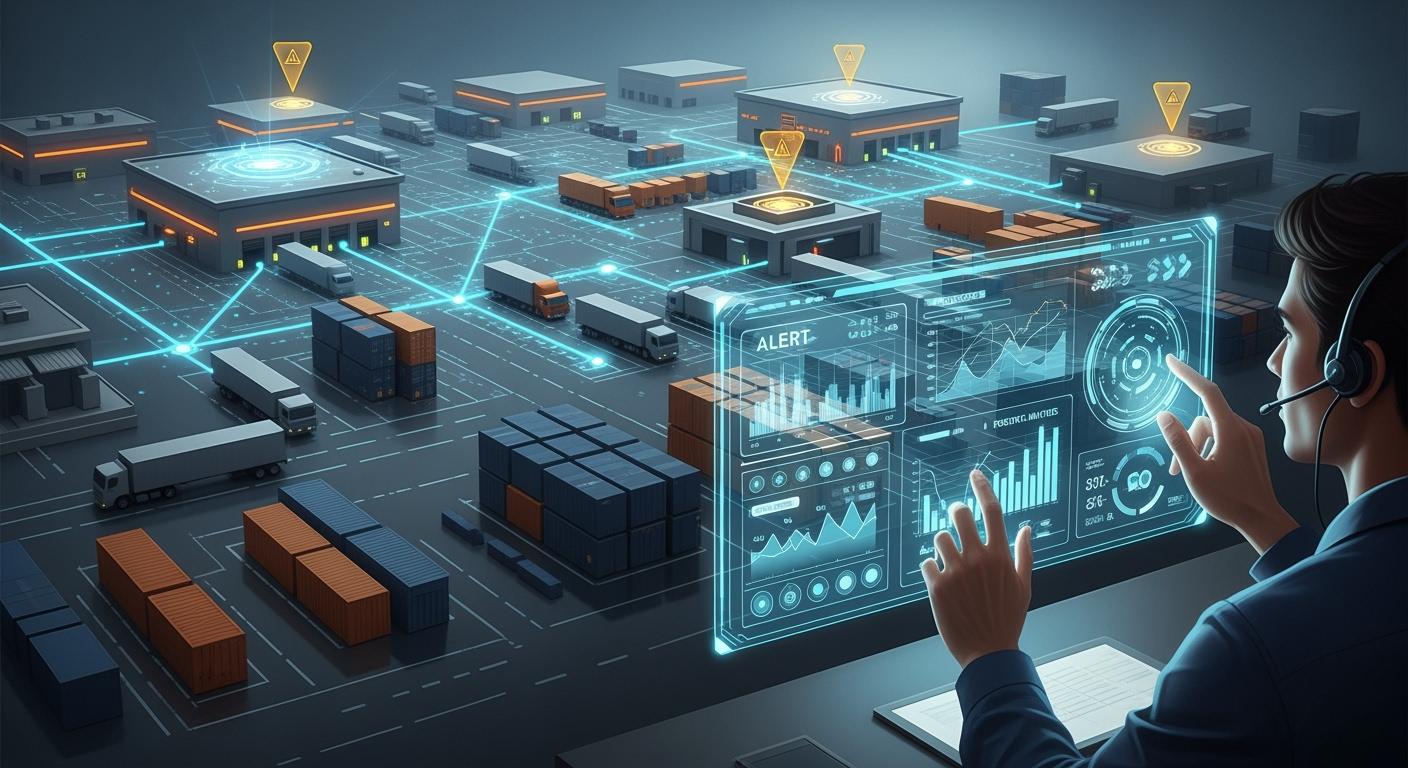
Predictive analytics and real-time anomaly detection have revolutionized supply chain risk management. Companies face frequent supply chain disruptions, which can last longer than one month every 3.7 years. Organizations encounter disruptions at a rate of 80%, with inflation and economic uncertainty ranking among the top impactful supply chain trends. AI-driven solutions like JUSDA’s JusLink empower businesses to make data-driven decisions and respond to risks proactively. JusLink’s technology delivers improved demand forecasting, optimized inventory, and precise logistics.
Benefit/Use Case | Description |
|---|---|
Improved Demand Forecasting | Uses real-time data to deliver responsive forecasts, matching inventory to true demand. |
Proactive Risk Management | Monitors global signals in real time, allowing for preemptive actions against disruptions. |
Key Takeaways
Predictive analytics helps companies forecast demand and identify potential disruptions, allowing for proactive risk management.
Anomaly detection systems monitor supply chain activities in real-time, providing early warnings of issues like delays or fraud.
Implementing AI-driven control towers enhances data integration and real-time monitoring, improving operational efficiency.
Investing in high-quality data and robust systems is crucial for accurate predictions and effective risk management.
Companies using predictive analytics can achieve significant cost savings and better decision-making, leading to improved supply chain resilience.
Supply Chain Disruptions and Their Impact

Common Causes of Disruptions
Manufacturers and distributors face many challenges in maintaining supply chain security. Supply chain disruptions occur due to a variety of factors. The most frequent types include:
Natural disasters such as floods, earthquakes, wildfires, and hurricanes.
Geopolitical issues and trade policies, including civil wars and currency devaluation.
Supplier financial difficulties that change operations.
Cyberattacks like ransomware that affect logistics and production.
Technology failures, including communication glitches and data loss.
Pandemics and health crises, such as COVID-19, which impact production and transportation.
Transportation disruptions, including shipping delays and increased costs.
Quality control issues that cause regulatory delays.
Demand fluctuation, which affects production cycles.
Regulatory changes that modify production processes.
Labor shortages, leading to delays and higher costs.
Currency fluctuation, which changes costs and logistics.
Raw material shortages, resulting in production delays.
Geopolitical tensions, demand volatility, and inadequate technology also contribute to supply chain disruptions. The Red Sea Crisis, caused by escalating geopolitical tensions, blocked key trade routes and disrupted $6 billion in weekly trade flows. Hurricanes can close ports, wildfires can destroy transportation routes, and floods can erode roads, complicating logistics. Earthquakes can halt production by damaging factory networks. Cyber incidents and natural disasters remain top business risks, highlighting the importance of supply chain security.
Business Consequences
Supply chain disruptions have significant financial and operational impacts. The following table outlines the effects:
Type of Disruption | Impact on Supply Chain |
|---|---|
Natural Disasters | Destroy infrastructure, halt production, and increase event frequency due to climate change. |
Geopolitical Events | Cause trade restrictions, resource access issues, and increased costs from sanctions and conflicts. |
Cyberattacks | Disrupt digital supply chains, cause operational failures, and halt shipments without physical theft. |
Supply chain security is essential for preventing production delays, inventory shortages, and shipment disruptions. Companies experience lost revenue, increased costs from expedited shipping, and potential loss of market share. Customer dissatisfaction and reputation damage often follow missed delivery deadlines and inventory shortages. Inflation from supply chain disruptions lowers profits and affects financial performance. Firms investing in supply chain security can better manage these impacts. JUSDA addresses these challenges by transforming into an end-to-end supply chain platform using JusLink, enhancing logistics synchronization and achieving zero-redundancy inventory. The company uses dynamic inventory redistribution and lifecycle forecasting to maintain supply chain security during disruptions.
Supply chain security protects companies from the ripple effects of disruptions, ensuring stable operations and customer trust.
Predictive Analytics and Anomaly Detection in Supply Chains
What Is Predictive Analytics?
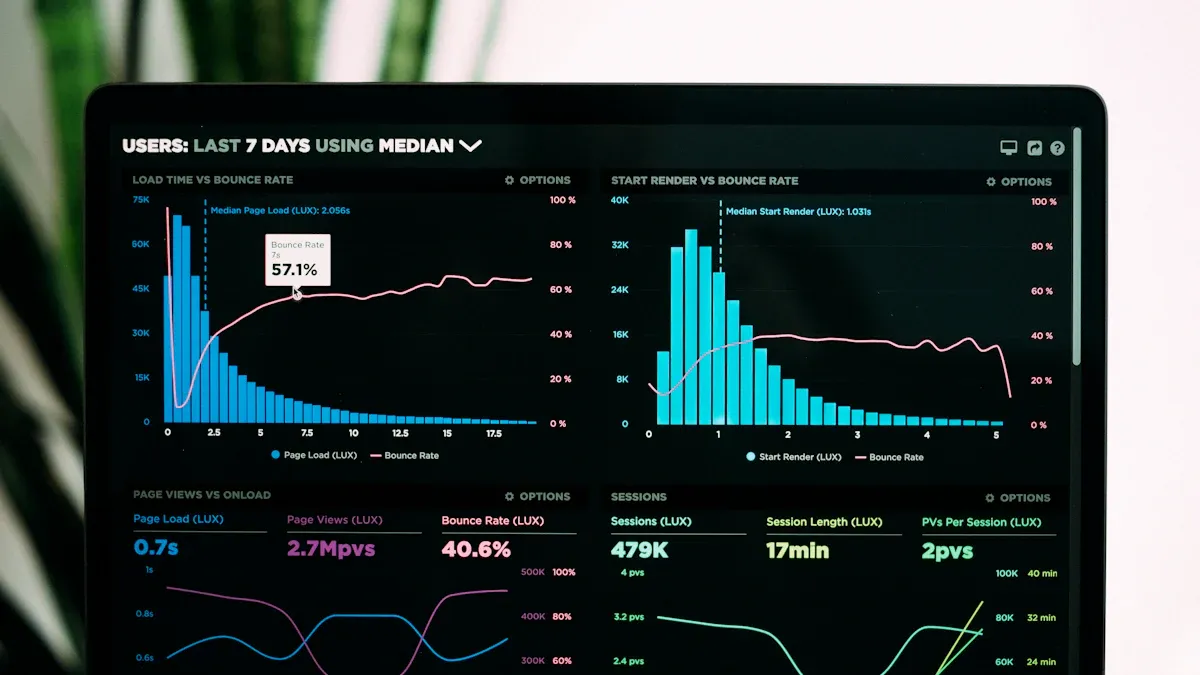
Predictive analytics transforms supply chain management by enabling companies to anticipate future market trends and optimize inventory. Leadership teams use predictive analytics to make informed decisions, relying on historical data, statistical algorithms, and machine learning. These tools analyze both past and current data, allowing managers to forecast demand, identify potential issues, and plan responses before disruptions occur. Predictive analytics supports inventory optimization, cost efficiency, and risk management. Companies integrate data from ERP systems, IoT devices, and external APIs to build comprehensive models. JusLink leverages secure predictive analytics to empower global manufacturers and distributors with actionable insights, enhancing operational efficiency and resilience.
Predictive analytics in supply chains combines descriptive, predictive, prescriptive, and real-time analytics. Descriptive analytics identifies trends and inefficiencies. Predictive analytics uses machine learning to forecast disruptions. Prescriptive analytics recommends actions to optimize operations. Real-time analytics provides instant insights for immediate decision-making.
Key components of predictive analytics include:
Inventory optimization and cost efficiency
Risk management and disruption preparedness
Sustainability and resource efficiency
JusLink’s AI predictive maintenance capabilities help companies plan production schedules, optimize inventory, and respond swiftly to market changes. The platform integrates real-time data from multiple sources, supporting proactive decision-making and improving supply chain performance.
Role of Anomaly Detection
Anomaly detection plays a critical role in supply chain risk mitigation. Companies use anomaly detection to identify deviations from normal operations, such as delays, fraud, or defects. AI-powered anomaly detection systems continuously monitor supply chain activities, providing early warning signs of disruption. Machine learning-based anomaly detection adapts to new threats, enhancing detection accuracy and speed.
Algorithm Type | Description |
|---|---|
Supervised | Trained on labeled data to predict future anomalies, such as fraud detection in transactions. |
Unsupervised | Used when labeled data is unavailable, suitable for monitoring sensor data in manufacturing. |
Semi-Supervised | Combines both labeled and unlabeled data, useful in complex scenarios where some data is known. |
AI simulates 'what-if' scenarios, preparing organizations for potential disruptions. Machine learning identifies deviations from expected patterns, allowing for timely interventions. Early anomaly detection enables companies to implement mitigation plans sooner, improving resilience and reducing operational risks. AI provides continuous monitoring, automated alerts, and compliance optimization, ensuring supply chain stability.
JusLink’s anomaly detection capabilities support predictive maintenance, risk management, and resource allocation. The platform uses real-time data and advanced machine learning algorithms to detect anomalies in shipments, inventory, and production processes. JusLink’s AI predictive maintenance features help companies prevent equipment failures and minimize downtime.
Real-Time Anomaly Detection with JusLink
JusLink delivers real-time anomaly detection through its AI-driven control tower. The platform integrates IoT and real-time risk monitoring, enabling companies to track shipments, monitor inventory, and detect anomalies instantly. JusLink’s AI intelligent agents analyze real-time data from global supply chain networks, providing early warnings and actionable insights.
JusLink’s anomaly detection systems identify risks such as transit delays, route anomalies, and compliance issues. The platform’s machine learning algorithms adapt to evolving threats, ensuring continuous protection. JusLink’s AI predictive maintenance features support proactive equipment monitoring, reducing the risk of unexpected failures.
JusLink’s real-time anomaly detection capabilities empower companies to respond swiftly to disruptions. The platform provides automated alerts, enabling managers to take immediate action. JusLink’s AI predictive maintenance and anomaly detection tools optimize resource allocation, improve operational efficiency, and enhance supply chain resilience.
JusLink’s AI-driven approach to predictive analytics and anomaly detection sets a new standard for supply chain risk management. Companies gain end-to-end visibility, real-time data insights, and proactive risk mitigation, ensuring stable and efficient operations.
Implementation Steps for AI-Driven Control Towers
Data Integration and Preparation
A step-by-step guide to implement ai-driven control towers begins with robust data integration and preparation. Organizations must assess current logistics gaps, identifying inefficiencies in shipment tracking, carrier selection, and risk prediction. Data from ERP, TMS, and WMS systems should flow seamlessly into supply chain control tower solutions. Automated validation rules and middleware solutions help maintain data compatibility and accuracy. Centralized data quality frameworks and regular audits ensure that all departments follow uniform standards. User training programs and feedback loops further enhance data quality. Prioritizing data sources based on use case, such as CRM for sales analytics, supports effective pattern identification and management reporting.
Model Training and Validation
Model training and validation form the backbone of ai-driven control towers. Teams prepare data by ensuring consistency and accuracy before feeding it into AutoML models. Historical data guides the training process, allowing the system to optimize for objectives like demand forecasting and logistics optimization. Organizations integrate predictions into supply chain control tower solutions, using them for real-time decision-making. Continuous monitoring and refinement, including prompt engineering and comparison with actual outcomes, improve model reliability. Investing in robust data collection and cleaning processes is essential for accurate predictions.
Real-Time Monitoring and Alerts
Supply chain control tower solutions rely on real-time monitoring and alerts to maintain operational agility. Real-time dashboards track key performance indicators, including production rates and inventory levels. Risk alerts notify users of transit delays, equipment failures, or inventory drops. These features enable proactive decision-making and enhanced collaboration across teams. Automated escalation and action allow ai-driven control towers to reroute shipments or adjust schedules instantly, reducing delays and costs. AI learns from historical data, suggesting actions that optimize logistics and prevent disruptions.
Continuous Improvement
Continuous improvement ensures that ai-driven control towers remain effective as supply chains evolve. Organizations invest in data infrastructure and leverage machine learning algorithms to adapt to new challenges. Collaboration across departments and with technology partners fosters innovation. Automation streamlines routine tasks, while ongoing monitoring and evaluation of performance drive further enhancements. AI-powered monitoring provides a comprehensive view of operations, enabling early detection and resolution of issues. Regular updates to models, based on new data and feedback, keep supply chain control tower solutions responsive and resilient, supporting a streamlined supply chain.
Benefits of Predictive Analytics and Anomaly Detection
Enhanced Resilience
Predictive analytics and anomaly detection strengthen supply chain resilience by anticipating disruptions before they occur. JusLink utilizes deep learning models to forecast supply chain trends and identify risks early. AI models analyze extensive global data, predicting potential disruptions and their security implications. Companies optimize resource allocation and minimize risks, maintaining stable operations even during market volatility. Greater visibility across the network allows organizations to respond quickly to threats and maintain continuity.
Deep learning models forecast supply chain trends.
AI analyzes global data to predict disruptions.
Resource allocation becomes more efficient.
JusLink’s real-time monitoring and early warning systems help companies anticipate issues, ensuring resilience throughout the supply chain network.
Cost Savings and Efficiency
Predictive analytics contribute to significant cost savings and operational efficiency. JusLink’s intelligent risk management and automated application management reduce manual intervention and streamline processes. Companies like DHL Supply Chain use AI to optimize inventory levels and labor deployment, improving fulfillment speed and reducing storage costs. UPS and FedEx employ predictive routing systems, adjusting delivery paths based on real-time data for faster deliveries and lower fuel consumption. Predictive maintenance analytics decrease machine downtime and extend equipment life, further lowering operational costs.
Inventory optimization reduces excess stock.
Automated alerts minimize manual follow-ups.
Predictive maintenance lowers downtime.
Better Decision-Making
Organizations improve decision-making by leveraging predictive analytics for actionable insights. JusLink’s AI-driven forecasting and replenishment management support data-driven strategies. Companies such as Amazon, UPS, Walmart, FedEx, and General Motors use predictive analytics to forecast demand, optimize delivery routes, and assess supply chain disruptions. The following table illustrates how predictive analytics enhance decision-making:
Company | Application of Predictive Analytics | Benefits |
|---|---|---|
Amazon | Forecasting demand for millions of products | Maintains optimal inventory, prevents stockouts, improves efficiency |
UPS | Optimizing delivery routes using real-time data | Reduces fuel use, improves delivery times, anticipates delays |
Walmart | Forecasting sales during peak seasons | Adjusts inventory, prevents stockouts, reduces excess inventory |
FedEx | AI and predictive analytics for logistics | Delivers better customer value, reduces expenses |
General Motors | Assessing supply chain disruptions | Analyzes supplier performance, anticipates failures |
JUSDA JusLink Success Stories
JUSDA’s JusLink platform delivers measurable benefits for global manufacturers and distributors. In one customer story, JusLink enabled Chinese manufacturers to overcome complex overseas supply chains and regional customs differences. The platform’s AI-driven collaboration enhanced end-to-end lifecycle management, improved visibility, and reduced costs. JusLink integrated disparate systems, standardized operations, and decreased manual handling. Companies achieved global process optimization, efficient inventory management, and seamless logistics coordination. JusLink’s intelligent supply chain solutions empowered businesses to expand globally while maintaining resilience and efficiency.
JusLink’s competitive advantages include real-time risk monitoring, automated management, and customizable solutions, supporting greater visibility and control across the supply chain network.
Overcoming Challenges in Adoption
Data Quality Issues
Supply chain analytics depend on high-quality data. Many organizations struggle with inconsistent data from multiple sources. Data errors can lead to inaccurate predictions and missed risks. JUSDA’s JusLink platform addresses these challenges by integrating data from ERP, TMS, and WMS systems. The platform uses automated validation rules and centralized frameworks to ensure accuracy. Regular audits and user training programs help maintain data quality. Teams benefit from feedback loops that identify and correct errors quickly. Reliable data supports effective risk management and improves the ability to anticipate demand surges.
System Integration
Companies often operate with several ERP systems, especially after mergers or acquisitions. Integrating these systems presents significant risks and technical challenges. JusLink connects securely to various ERP platforms, collecting and analyzing specific data sets. The system prioritizes data to address critical supply chain risks. Open data interfaces and unified big data platforms simplify integration. JUSDA’s approach enables seamless coordination between procurement, logistics, and inventory management. This integration reduces manual handling and supports responding to supplier shortfalls.
Secure connections to multiple ERP systems
Prioritization of critical data sets
Unified big data platform for analysis
Change Management
Adopting AI-driven solutions requires organizational change. Employees may resist new technologies due to unfamiliarity or concerns about job security. JUSDA supports change management by offering training programs and clear communication. The company encourages collaboration across departments. JusLink’s user-friendly design helps teams adapt quickly. Leadership teams set clear goals and monitor progress. Continuous improvement ensures that teams remain engaged and motivated to manage risks.
Effective change management builds trust and confidence in new supply chain technologies.
Actionable Solutions
JUSDA recommends several best practices for overcoming adoption challenges:
Invest in robust data infrastructure and regular audits.
Use open data interfaces for seamless system integration.
Provide ongoing training and support for employees.
Establish feedback loops to identify and resolve risks.
Collaborate with technology partners to drive innovation.
JusLink’s AI-driven control tower offers real-time monitoring and early warnings. The platform enables companies to optimize resource allocation and respond to risks swiftly. By following these practices, organizations improve resilience and maintain stable operations.
Predictive analytics and real-time anomaly detection empower companies to prevent supply chain disruptions before they escalate. JusLink’s AI-driven solutions deliver enhanced visibility, resilience, and operational efficiency.
Businesses should evaluate current supply chain processes.
Piloting advanced analytics solutions can unlock new value.
JUSDA offers tailored strategies for supply chain transformation.
Explore more at JUSDA Global.

JUSDA Solutions
To provide you with professional solutions and quotations.
FAQ
What is JusLink’s main advantage for supply chain management?
JusLink provides real-time visibility, AI-driven forecasting, and automated risk management. Companies gain end-to-end control and can respond quickly to disruptions.
How does JusLink detect supply chain anomalies?
JusLink uses AI intelligent agents and machine learning algorithms. The system monitors shipments, inventory, and production data to identify risks and trigger alerts.
Which industries benefit most from JusLink?
Manufacturers, distributors, and enterprises in electronics, automotive, FMCG, medical health, and heavy equipment sectors see significant improvements in efficiency and resilience.
Can JusLink integrate with existing ERP systems?
JusLink connects securely to ERP, TMS, and WMS platforms. The platform uses open data interfaces and unified big data solutions for seamless integration.
What results have JUSDA customers achieved with JusLink?
JUSDA customers report improved global process optimization, reduced manual handling, and enhanced inventory management. Companies expand globally while maintaining supply chain stability.
See Also
Transforming Supply Chains Through Machine Learning And Big Data
JUSDA's Risk Management Strategies For Stronger Supply Chains
Protecting Your Supply Chain From Potential Risks Effectively