Predictive analytics in logistics for superior forecasting accuracy over traditional ERP systems in 2025

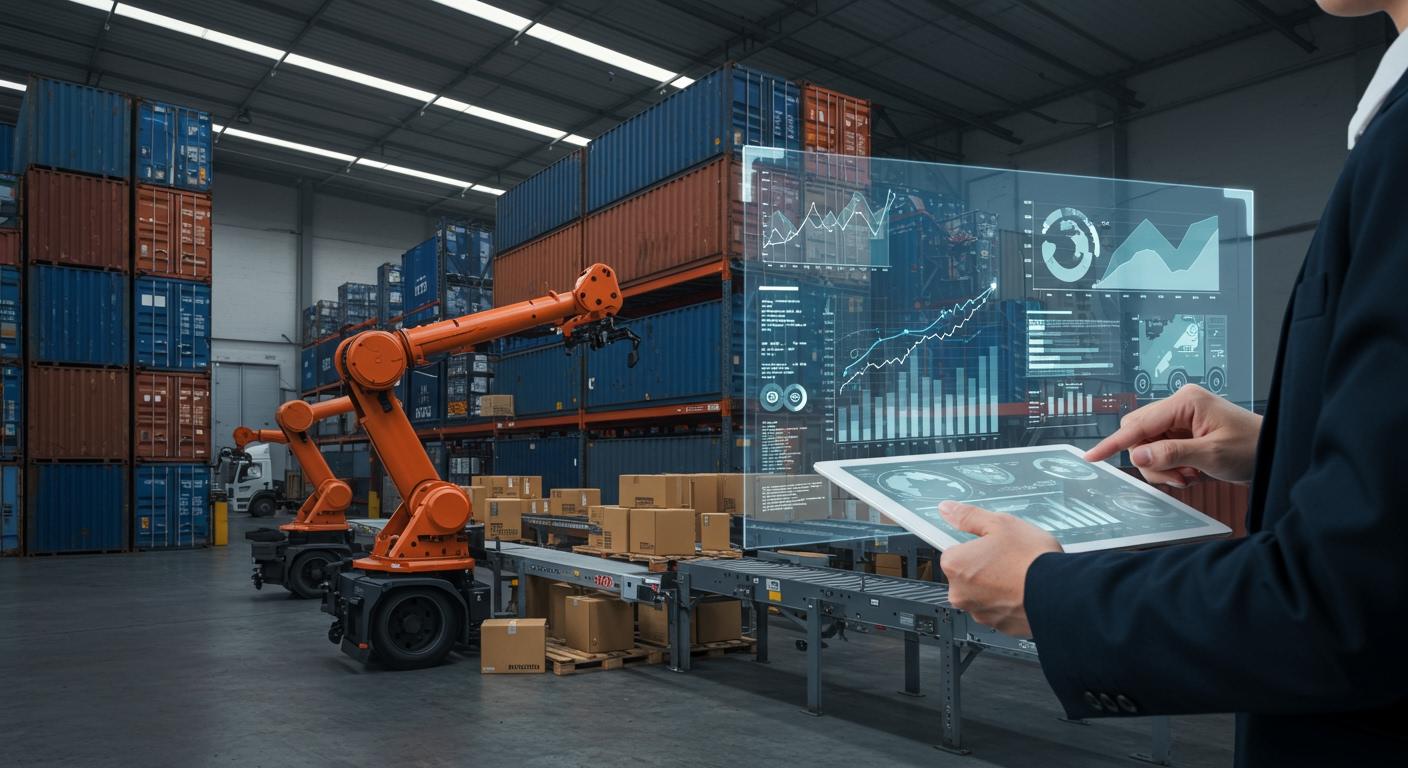
Predictive analytics now delivers superior forecasting accuracy in logistics compared to traditional ERP systems in 2025. AI, real-time data, and advanced modeling drive this improvement. JUSDA leads global supply chain management by integrating predictive analytics and intelligent solutions.
AI-driven forecasting reduces errors by 20-50% versus traditional methods, which can reach up to 50%.
Advanced analytics and real-time data enable better disruption prediction, route optimization, and improved delivery times.
Key Takeaways
Predictive analytics improves logistics forecasting accuracy by using AI and real-time data, reducing errors by 20-50% compared to traditional methods.
Companies can anticipate disruptions and optimize inventory levels by integrating diverse data sources, leading to better planning and operational efficiency.
JUSDA's JusLink platform enhances supply chain visibility and control, allowing businesses to respond quickly to market changes and improve customer satisfaction.
Adopting predictive analytics helps companies reduce excess inventory by up to 30% and improve fill rates, making logistics operations more efficient.
The future of logistics will be shaped by AI and predictive analytics, enabling better decision-making and proactive risk management.
Predictive Analytics vs. ERP in Logistics
Defining Predictive Analytics
Predictive analytics uses advanced AI models and real-time data processing to improve forecasting in logistics. These models analyze historical sales data, market trends, and external factors, allowing companies to predict specific needs at precise times and locations. The approach enables immediate insights and adjustments, supporting supply chain planning and demand forecasting. Predictive analytics platforms integrate diverse data sources, which enhances accuracy and efficiency in logistics operations.
ERP Forecasting Methods
ERP systems traditionally rely on historical sales trends and manual statistical analysis for forecasting. These systems often use centralized data from various business functions, especially when combined with Business Intelligence tools. ERP forecasting methods help optimize inventory levels, reducing stockouts and overstocking. However, the effectiveness of ERP systems depends on precise and well-structured data. Poor data quality can lead to unreliable forecasts. Integrating machine learning with ERP systems requires technical expertise and customization, which may increase costs and implementation time. Employees accustomed to traditional methods may need training to trust and understand machine learning insights.
Note: Business Intelligence tools enhance ERP systems by providing advanced data analysis capabilities. This integration allows organizations to make data-driven decisions and refine processes through actionable intelligence.
Evidence Type | Description |
|---|---|
Data Quality Issues | The effectiveness of ERP systems relies on precise and well-structured data; poor data quality can lead to unreliable forecasts. |
Complexity of Integration | Integrating machine learning with ERP systems requires technical expertise and customization, which can increase costs and implementation time. |
User Adoption Challenges | Employees accustomed to traditional methods may find it difficult to trust or understand machine learning insights, necessitating proper training. |
Key Differences
Predictive analytics utilizes AI-driven models and real-time data processing, while ERP systems depend on historical trends and manual analysis.
Predictive analytics platforms integrate diverse data sources, including external factors, for more responsive demand forecasting.
Traditional ERP methods can have error rates up to 50%, whereas AI-powered forecasting reduces errors by 20-50%.
Predictive analytics adapts quickly to market changes, while ERP systems are more rigid and slow to respond.
Predictive analytics can forecast specific needs at precise times and locations, supporting dynamic supply chain planning.
How Predictive Analytics Improves Forecasting Accuracy
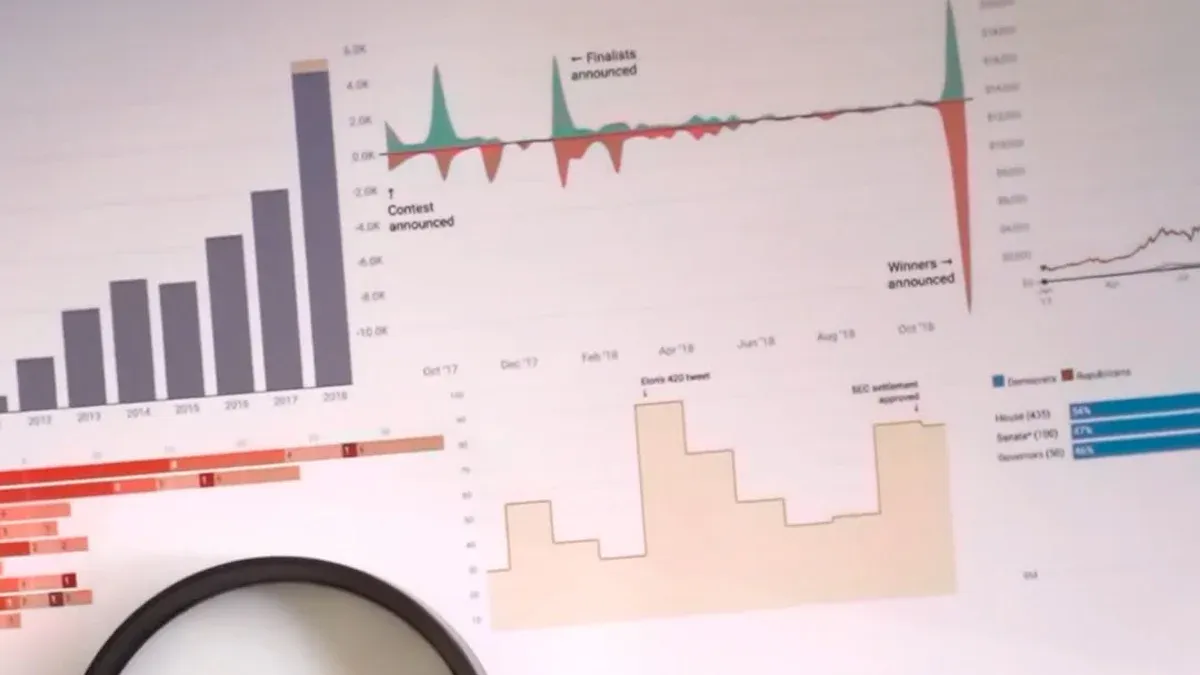
Data Integration and Real-Time Insights
Predictive analytics platforms in logistics integrate real-time and historical data from multiple sources. These platforms analyze shipment records, weather patterns, and market trends to anticipate disruptions and optimize inventory. Companies use predictive models to forecast demand based on regional and seasonal trends, which improves planning and operational efficiency.
Aspect | Impact on Logistics Forecasting |
|---|---|
Anticipating disruptions | Predicts delays due to port congestion, traffic, or weather. |
Optimizing inventory | Adjusts inventory management before stockouts occur. |
Enhancing operational efficiency | Streamlines freight operations, reducing waste and costs. |
Advanced analytics identify patterns and predict future events, allowing businesses to adjust procurement strategies and build resilience to market changes. Real-time inventory visibility supports proactive decisions, preventing bottlenecks in transportation and fulfillment. Companies optimize labor and warehouse space during peak periods, which leads to improved supply chain performance.
Predictive analytics in logistics utilizes both real-time and historical data to anticipate issues like delivery delays and stock shortages, enabling proactive decision-making.
The approach incorporates various data sources, including shipment records and weather patterns, to enhance planning and operational efficiency.
By forecasting demand based on regional and seasonal trends, businesses can optimize inventory levels, which is a significant improvement over traditional ERP systems.
Machine Learning and AI in Demand Forecasting
Machine learning and AI algorithms drive improvements in demand forecasting accuracy. These technologies analyze data from point-of-sale systems, website traffic, and social media trends, providing a comprehensive view of market demand. AI-powered logistics systems increase supply chain visibility, allowing quick identification and mitigation of disruptions.
Machine learning algorithms such as recurrent neural networks (RNNs), gradient boosting machines (GBMs), and k-nearest neighbors (KNN) are effective for demand forecasting.
These algorithms analyze diverse variables including promotion calendars, weather, social media sentiment, and macroeconomic indicators to improve forecasting accuracy.
Time series analysis techniques like ARIMA and Prophet identify seasonal patterns and trends in historical data.
Regression models assess the impact of factors such as price and promotions on demand.
Neural networks uncover complex relationships in fluctuating demand patterns.
Machine learning models continuously learn from new data, which enhances forecasting accuracy over time. Retailers shift from reactive to proactive inventory management, responding quickly to demand fluctuations. AI correlates diverse data points, supporting agile responses and advanced planning in supply chain operations.
JUSDA’s JusLink Platform
JUSDA’s JusLink platform sets a benchmark for predictive analytics in logistics. JusLink leverages AI-driven sales forecasting, smart replenishment, and intelligent risk management to improve operational efficiency. The platform integrates real-time data from global supply chain nodes, providing end-to-end visibility and control.
The implementation of JusLink led to a 78% increase in accuracy for supply chain performance.
There was a significant boost in inventory turnover.
JusLink’s advanced planning capabilities support sales inventory operations planning and inventory management. The platform’s AI intelligent agents analyze supply chain trends, predict freight rate changes, and generate replenishment strategies. JusLink’s risk control tower monitors disruptions and provides early warnings, ensuring stable supply chain operations.
JUSDA’s JusLink platform empowers businesses to optimize inventory, enhance sales forecasting, and achieve superior forecast accuracy. Companies benefit from real-time inventory visibility and automated decision-making, which drives efficiency and resilience in logistics.
Addressing Logistics Challenges
Demand Volatility
Demand volatility remains a major obstacle in logistics. Sudden shifts in customer needs or market trends can disrupt supply chain operations and lead to inaccurate forecasting. Traditional ERP systems often struggle to keep up with these rapid changes. Predictive analytics provides a broader analysis by considering multiple variables, not just historical sales. Companies using advanced inventory forecasting systems have reduced excess inventory by up to 30% and improved fill rates. For example, a U.S.-based retailer improved forecast accuracy by over 30%, eliminated thousands of underperforming SKUs, and reduced excess inventory by millions within six months. JUSDA’s JusLink platform leverages predictive models and real-time data to sense demand changes early, supporting agile planning and minimizing the risk of overstocking or stockouts.
Data Silos and Fragmentation
Data silos and fragmentation hinder effective logistics management. When information is scattered across different systems, teams cannot access a unified view of operations. Predictive analytics platforms, such as JusLink, integrate various data sources into a single model. This integration enables real-time insights and improves collaboration among supply chain teams. Addressing data silos becomes a strategic priority, as unified data models accelerate decision-making and enhance operational efficiency. JUSDA’s solutions create transparency, allowing organizations to respond quickly to disruptions and optimize logistics processes.
Response to Market Changes
Rapid market changes require logistics providers to adapt quickly. Predictive analytics enables businesses to anticipate demand and adjust inventory levels in real time. Unlike ERP systems, which often react after changes occur, predictive models use historical data and algorithms to forecast future needs. This proactive approach leads to better planning, fewer stockouts, and reduced excess inventory. JUSDA’s JusLink platform empowers companies to stay ahead of market shifts, ensuring supply chain resilience and continuous improvement in logistics performance.
Real-World Applications with JUSDA
Warehouse Optimization
JUSDA optimizes warehouse operations by combining advanced analytics and real-time data. The company uses predictive analytics to manage inventory and streamline planning. JUSDA’s warehouses, equipped with systems like JusLink, provide real-time inventory tracking and control. This approach helps businesses reduce excess stock and avoid shortages. Companies benefit from improved transparency and faster response to changes in demand. JUSDA’s warehouse solutions support a wide range of industries, ensuring efficient logistics and supply chain performance.
JusLink AI Solutions
JusLink AI solutions transform inventory management and risk control in logistics. The platform uses predictive models to enhance forecasting and automate replenishment. According to the 2023-2024 China logistics report:
JusLink improved supply chain performance through smart forecasting and replenishment.
The solution led to a 78% increase in accuracy.
Inventory turnover saw a significant boost.
JusLink’s intelligent agents analyze data from multiple sources, providing real-time insights for better decision-making. The platform’s risk control tower monitors disruptions and sends early warnings, helping companies maintain stable operations. JusLink supports proactive planning and ensures that inventory levels match actual demand.
Customer Success Stories
Many leading companies have realized tangible benefits from predictive analytics in logistics. The following table highlights how predictive solutions have improved operations:
Company | |
|---|---|
Walmart | Enhanced demand forecasting, optimized inventory levels, reduced waste, improved customer satisfaction |
UPS | Optimized delivery routes, improved fuel efficiency, reduced operational costs, enhanced customer satisfaction |
DHL | Improved demand forecasting, optimized delivery routes, proactive resource allocation, reduced delivery times, minimized downtime |
JUSDA’s approach, using predictive analytics and JusLink, helps clients achieve similar results. Companies experience better inventory management, more accurate forecasting, and greater supply chain resilience.
Key Advantages in 2025
Enhanced Forecasting Accuracy
Predictive analytics delivers a new standard for forecasting in logistics. Companies use advanced models to analyze data from multiple sources, including sales, market trends, and external events. This approach allows for precise demand planning and inventory management. Predictive models adapt quickly to changes, helping businesses avoid overstocking or stockouts. JUSDA’s JusLink platform demonstrates how real-time analytics can improve supply chain visibility and support accurate planning. As a result, organizations achieve higher forecast accuracy and better customer satisfaction.
Operational Efficiency
Predictive analytics transforms operational efficiency in logistics. Companies benefit from several improvements:
Predictive maintenance strategies identify equipment issues before failures occur, reducing downtime and maintenance costs.
Analytics tools provide valuable insights from operational and customer data, supporting better resource allocation.
Predictive approaches allow logistics teams to respond proactively to potential issues, increasing agility.
Advanced analytics forecast future outcomes, helping businesses avoid disruptions and seize new opportunities.
JUSDA’s commitment to digital transformation ensures that clients receive the latest innovations in supply chain management. JusLink’s AI-driven features streamline operations, automate replenishment, and optimize inventory levels.
Future Trends in Logistics
Looking ahead, predictive analytics and AI will shape the future of logistics. Key trends include:
Demand forecasting to prevent inventory shortages and excess.
Risk mitigation by anticipating disruptions such as weather or geopolitical events.
Cost reduction through streamlined operations and improved planning.
Enhanced decision-making with actionable insights for strategic planning.
AI will integrate with technologies like blockchain and IoT, offering greater transparency and traceability. JUSDA continues to lead this evolution, providing clients with intelligent solutions that adapt to changing market needs.
Predictive analytics transforms logistics forecasting by improving data quality, enabling real-time monitoring, and supporting proactive planning. JUSDA’s deployment of AI-driven solutions like JusLink and advanced warehousing has increased accuracy, boosted inventory turnover, and enhanced supply chain visibility. Companies now benefit from dynamic analytics and intelligent risk management. The ongoing evolution of predictive technologies will continue to drive innovation and efficiency in supply chain management.
FAQ
What makes JUSDA’s JusLink platform unique in logistics forecasting?
JusLink uses AI-driven sales forecasting, smart replenishment, and risk management. The platform integrates real-time data from global supply chain nodes, providing end-to-end visibility and control.
JusLink’s intelligent agents analyze trends and generate replenishment strategies for superior accuracy.
How does JUSDA ensure real-time inventory transparency?
JUSDA’s warehouses use advanced management systems like eVMI and JusLink. These systems provide real-time inventory tracking and control.
Clients see accurate stock levels.
They can make quick decisions based on live data.
What industries benefit from JUSDA’s predictive analytics solutions?
JUSDA serves electronic manufacturing, 3C home appliances, FMCG, automotive, new energy, medical health, heavy equipment, and bulk materials.
Each industry receives tailored supply chain solutions that improve efficiency and forecasting accuracy.
How does JusLink help manage supply chain risks?
JusLink’s risk control tower monitors disruptions and provides early warnings.
The system uses intelligent algorithms and real-time data.
Companies can respond quickly to potential issues.
The company supports global logistics with over 155 service points and more than 2.5 million square meters of warehouse space.
See Also
Unlocking AI's Hidden Capabilities in Logistics Today
Transforming Future Logistics Through AI Supply Chain Innovations
Enhancing Automotive Demand Forecasting Through Data-Driven Decisions
Leveraging Big Data and Machine Learning in Supply Chains
Boosting Warehouse Efficiency with Advanced Logistics Robotics