When AI Meets the Supply Chain: How Predictive Analytics and Digital Twins Reshape Warehouse Operations

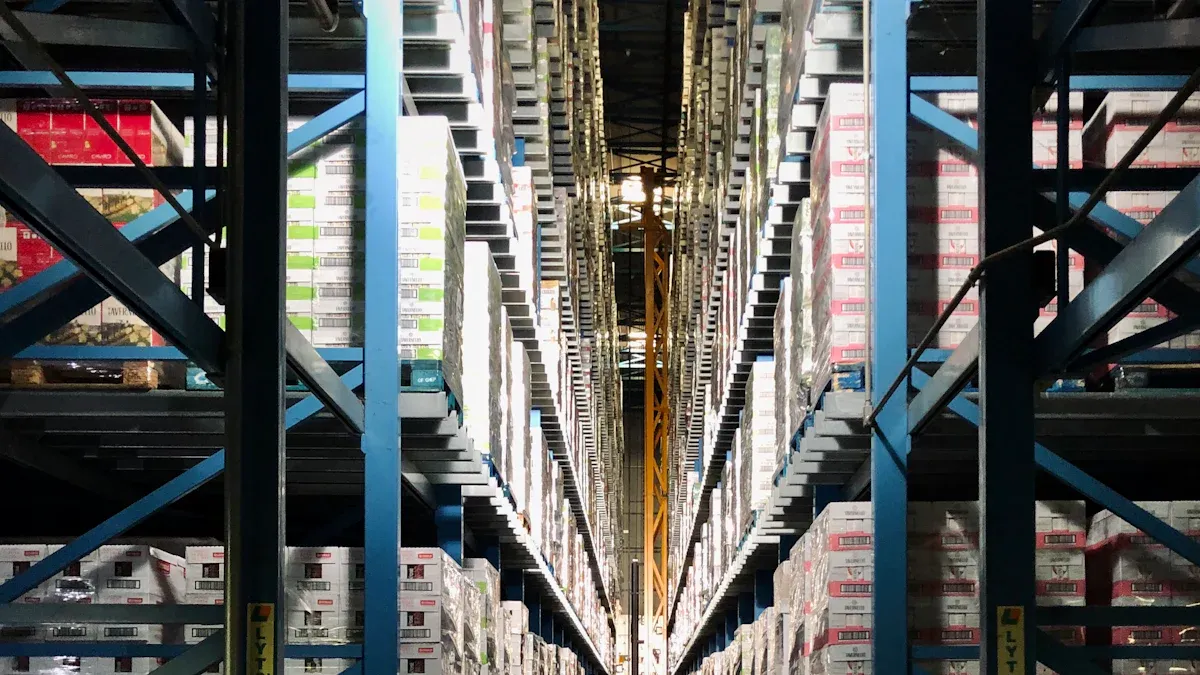
You see a new time for warehouse work. AI, predictive analytics, and digital twins change how you run supply chains. In 2024, the AI in logistics market is worth $20.1 billion. Experts think it will reach $196.6 billion by 2030.
Area of Improvement | Measurable Outcome |
|---|---|
Demand Forecasting | |
Inventory Optimization | Less extra inventory and better stock |
Production and Distribution Planning | Quicker responses and better use of resources |
You get better accuracy, less waste, and quicker actions. JUSDA’s way shows how these tools help real warehouses around the world.
Key Takeaways
AI and predictive analytics help guess demand better by 10-25%. This helps you not run out of stock. It also helps you lose fewer sales.
Digital twins let you test changes in your warehouse. You do not have to stop your work. This saves you time and money.
Automated inventory management can lower extra stock by up to 40%. This makes customers happier. It also helps you spend less money.
AI and Predictive Analytics in Warehousing
Digital Twins Overview
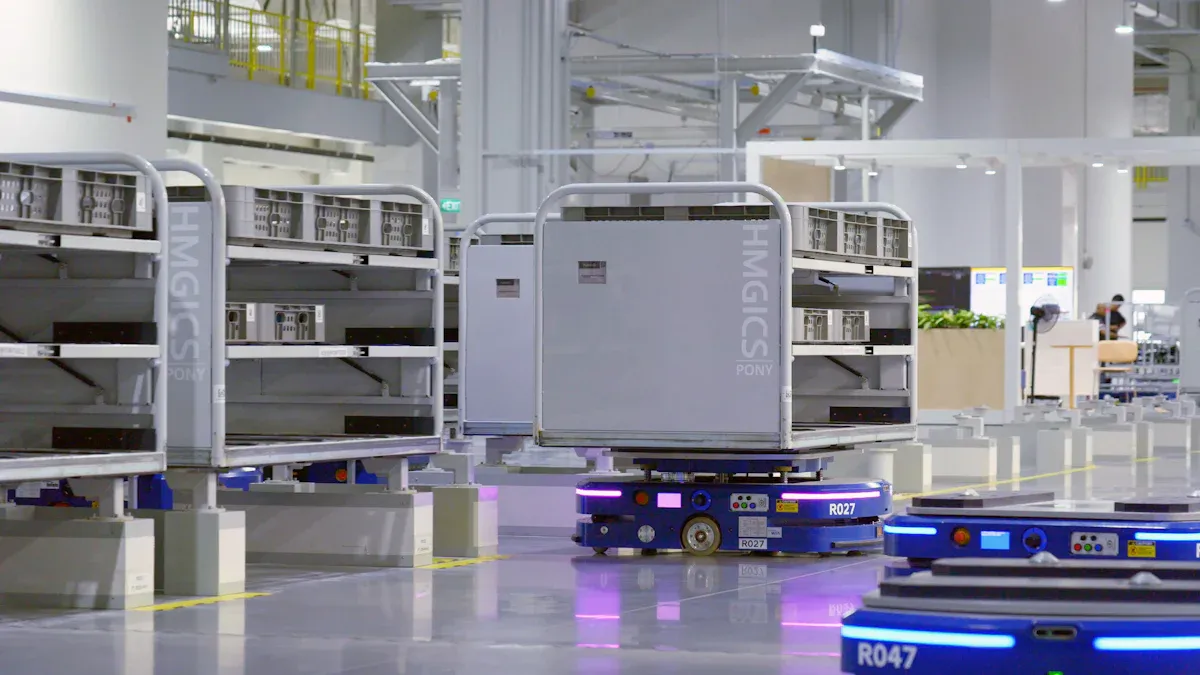
A digital twin is like a computer copy of your warehouse. It uses real-time data from sensors, RFID tags, and IoT devices. This helps you see what is happening right now. You can try out new ideas on the digital twin first. You see what might happen before you change anything in real life. This helps you avoid mistakes and save money.
Term | Definition |
|---|---|
Digital Twin | A virtual copy of a real thing or process. It lets warehouse managers make good simulations of their whole operation using real-time data. |
Looks at lots of old data to find patterns. This helps with labor scheduling and makes work more efficient. |
Digital twins and predictive analytics work together to give you real-time information. You can find problems, test fixes, and make your warehouse better without stopping work. These tools help you manage workers, check inventory, and keep things running well.
JusLink’s Predictive Analytics Features
JUSDA is a leader in smart supply chain solutions. Its JusLink platform uses AI and predictive analytics to help your warehouse work better. You get good sales forecasts, smart inventory control, and strong risk management.
JusLink makes forecasts up to 78% more accurate. This helps you plan and not run out of stock.
Inventory turnover gets better because you know when and how much to order.
The platform’s risk tools watch for problems and warn you early.
With JusLink, you use data to make choices instead of guessing. You save time, spend less money, and keep your customers happy.
Real-World Applications and Benefits
Demand Forecasting
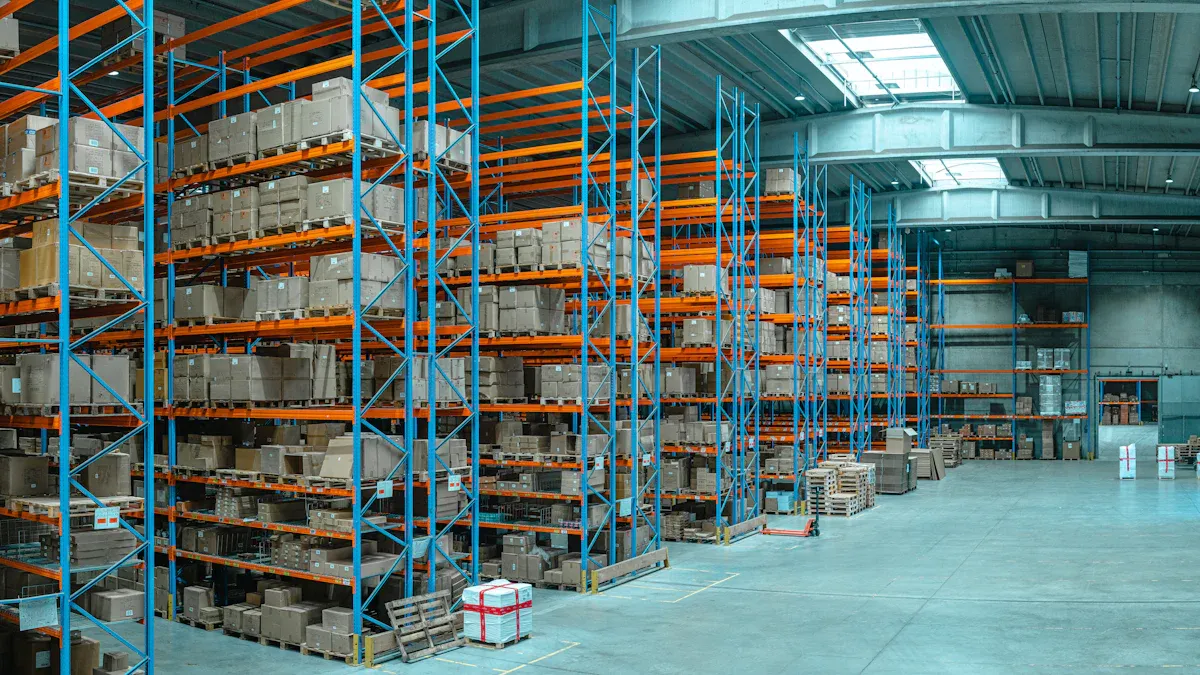
AI helps make demand forecasting better in warehouses. Predictive analytics gives you more accurate results. Old forecasting methods are only 70-79% accurate. AI-powered forecasting can reach 85-95% accuracy. This means you make fewer mistakes when ordering stock. You lose fewer sales, about 20-30% less. Inventory costs can drop by up to 35%. Labor savings can be as high as 30%. Your service level stays above 95%.
Metric | Traditional Forecasting | AI-Powered Forecasting | Improvement |
|---|---|---|---|
Median Accuracy | 70-79% | 85-95% | 6-25% increase |
Error Reduction | N/A | 20-50% | Transformational |
Reduction in Lost Sales | N/A | 20-30% | Significant |
Reduction in Inventory Costs | N/A | 20-35% | Major Savings |
Labor Savings | N/A | 30% | Efficiency Boost |
Service Level Maintenance | N/A | Above 95% | Improved Reliability |
JUSDA’s JusLink platform uses AI for better sales forecasts. You can plan well and avoid running out of products. Big companies like Siemens and Frito-Lay use AI for predictive maintenance and demand forecasting. Siemens became more efficient and had less downtime. Frito-Lay had no surprise equipment breakdowns in the first year. These examples show how predictive analytics helps you react faster to changes and customer needs.
Inventory Optimization
Inventory optimization keeps your warehouse working smoothly. Predictive analytics helps you know when to reorder and how much to keep. Here are some ways you can use it:
AI-powered demand forecasting checks customer habits and market trends.
Supplier performance monitoring watches for delays and helps you change orders.
Seasonal demand planning uses old sales to guess busy times.
Inventory age tracking finds items that do not sell fast.
Automated predictive replenishment orders more stock when it gets low.
Market trend analysis matches your stock with what customers want.
These methods give you big improvements. Amazon’s predictive inventory system lowered stockouts by 35%. Companies using AI in inventory management have up to 40% less extra inventory. You can also cut costs by up to 10% and make customers 25% happier. A McKinsey study found AI in inventory management dropped inventory costs by 20% and made supply chains 15% more efficient.
Tip: Using automated replenishment and real-time monitoring helps you avoid having too much or too little stock.
Risk Management with JusLink
Warehouses face risks like supply chain problems or late deliveries. JusLink’s risk control tower gives you real-time checks and early warnings. You can find problems before they get worse. The platform uses AI to look at data and send alerts when something is wrong. This helps you act fast and keep your supply chain safe.
JUSDA’s global clients have seen big changes. Metro Shipping used machine learning to make customs clearance automatic. They made turnaround time 40% faster and got 99% data accuracy. JD Logistics opened self-operating warehouses with AI. They grew storage units from 10,000 to 35,000 and made things 300% more efficient. Warehouse robots now pick and pack orders, making the process quicker and more accurate.
Benefit | Description |
|---|---|
Increased Efficiency | Automates simple tasks so you can focus on harder ones. |
Improved Customer Satisfaction | Gives support all day and answers faster. |
Cost Reduction | Saves money by automating jobs and making things work better. |
Data-Driven Insights | Looks at data to help you make smarter choices. |
You get faster answers, better information, and lower costs. JusLink’s AI features, like real-time monitoring, automated replenishment, and risk control towers, help you stop problems early and give better service to your customers.
Implementation Steps
Data Readiness
You begin by checking if your data is ready. First, set clear goals for your warehouse. These goals could be fewer mistakes or better efficiency. Next, look at your current systems and data quality. Check your warehouse management system, ERP, and IoT sensors. Find any missing or wrong data. Build a safe data pipeline that links all your sources. Clean and organize your data so it is easy to use. Teach your team and give everyone clear jobs. Good data helps predictive analytics work well. Make dashboards that show important numbers in a simple way. This helps your team make smart choices every day.
Tip: Always keep your data clean and check it often. Clean data gives you better results.
Technology Integration
When you add new technology, follow best steps. Start small by testing digital twins in one part of your warehouse. Connect your new tools to your current systems like ERP and WMS. This helps everything work together. Use real-time analysis to find problems and plan ahead. The table below shows some best steps:
Best Practice | Description |
|---|---|
Ensuring data quality | Use good sensors and strong data systems for reliable results. |
Step-by-step implementation | Test in one area before using everywhere. |
Integration into existing systems | Connect to ERP, WMS, and TMS for smooth operations. |
Real-time analysis | Use AI to see what is happening now and what might happen next. |
Regular optimization | Keep improving your systems as things change. |
Teach your staff how to use the new tools. Protect your data with strong security.
Continuous Improvement
Keep making your warehouse better. Review your layout to save time and make work easier. Use lean practices to cut waste. Change your inventory methods to avoid running out or having too much. Watch key numbers like order accuracy and picking speed. Use dashboards to track how well your warehouse is doing. Predictive analytics helps you spot trends and fix problems fast. Train your team often so they stay up to date. When you see something that can be better, make changes right away. This keeps your warehouse efficient and ready for the future.
JUSDA Solutions
To provide you with professional solutions and quotations.
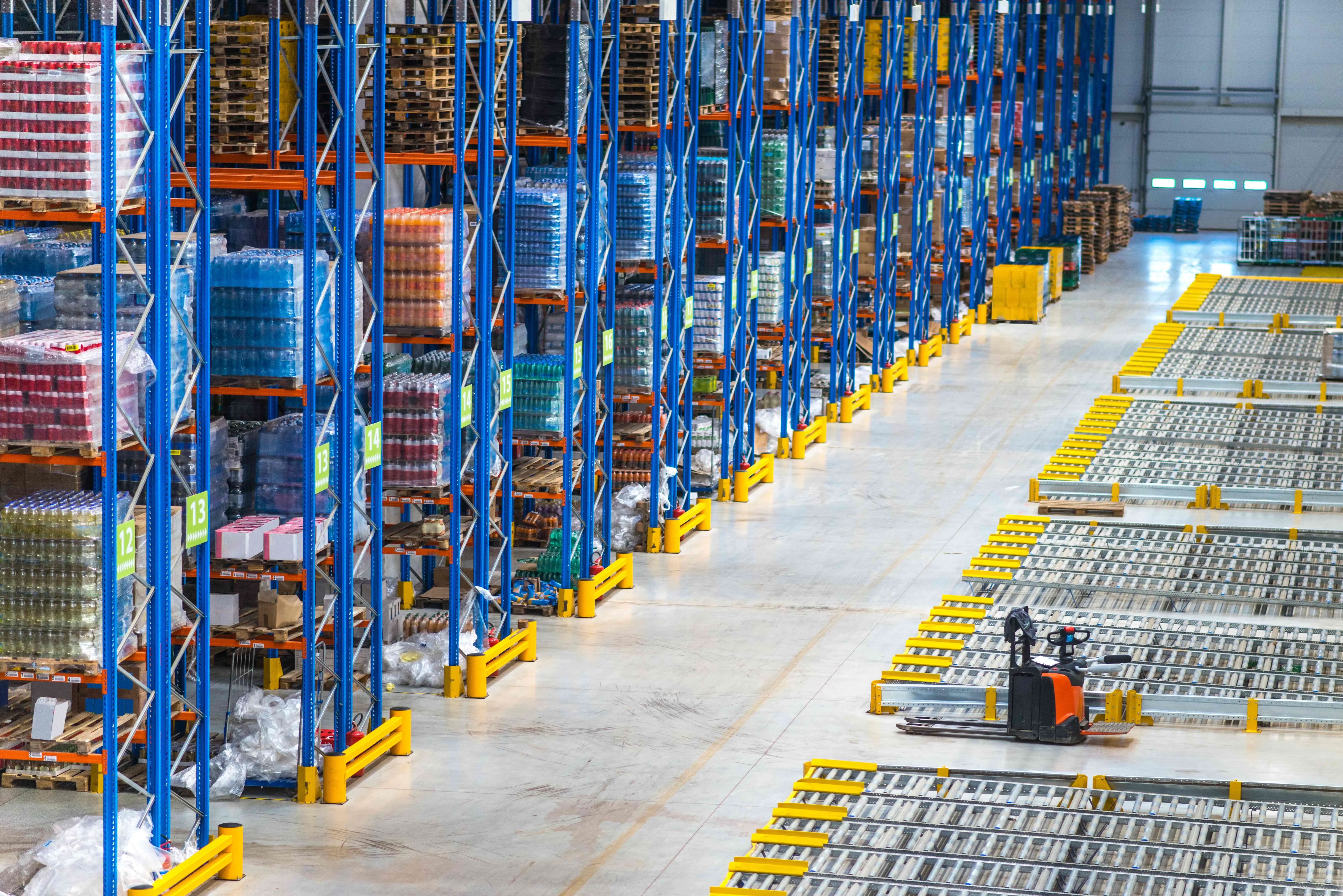
You can see what is happening in your warehouse right now. Digital twins and AI help you save money and avoid problems. JUSDA and JusLink make logistics costs about 15% lower. They also help service get about 65% better.
Metric | Outcome |
|---|---|
Logistics cost reduction | |
Service level | ~65% increase |
Forecasting error | Up to 50% fewer |
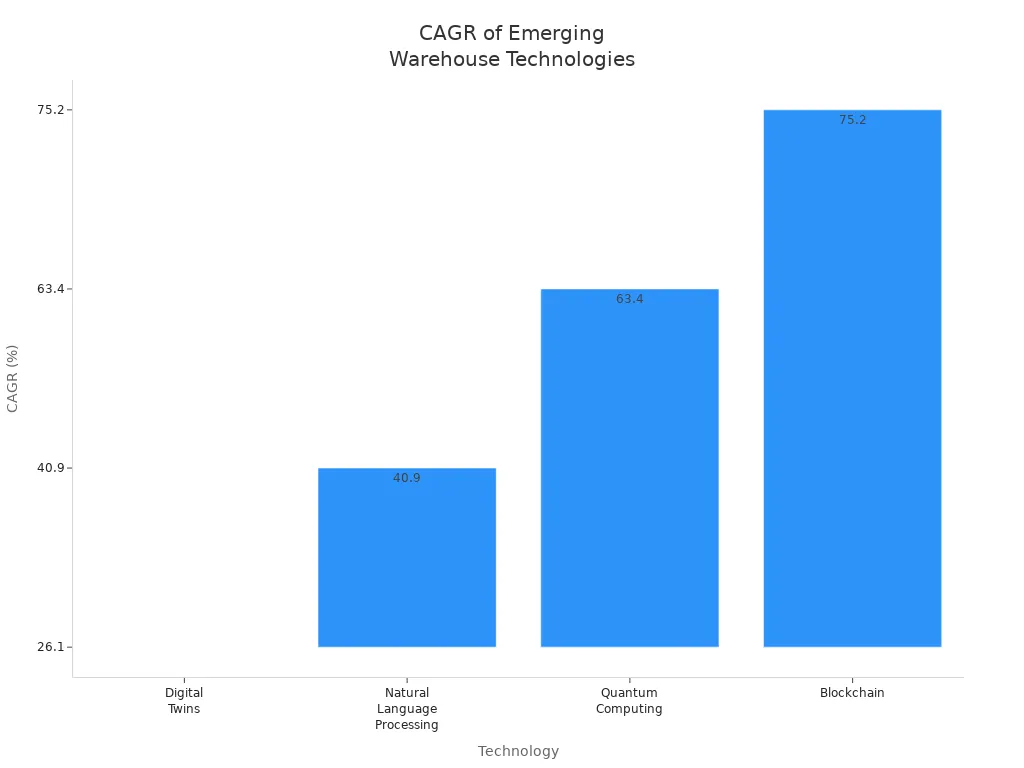
You keep up by trying new ideas and always improving how your warehouse works.
See Also
Exploring Digital Twins In Modern Supply Chain Strategies
Digital Twins: Pioneering Tomorrow's Supply Chain Optimization
AI Integration: Shaping The Next Generation Supply Chain
Enhancing Supply Chain Efficiency Through AI Innovations
Transforming Supply Chain Management Using Big Data Analytics