Red Sea Turmoil Forces 48% Rate Hike – What It Means for Supply Chains

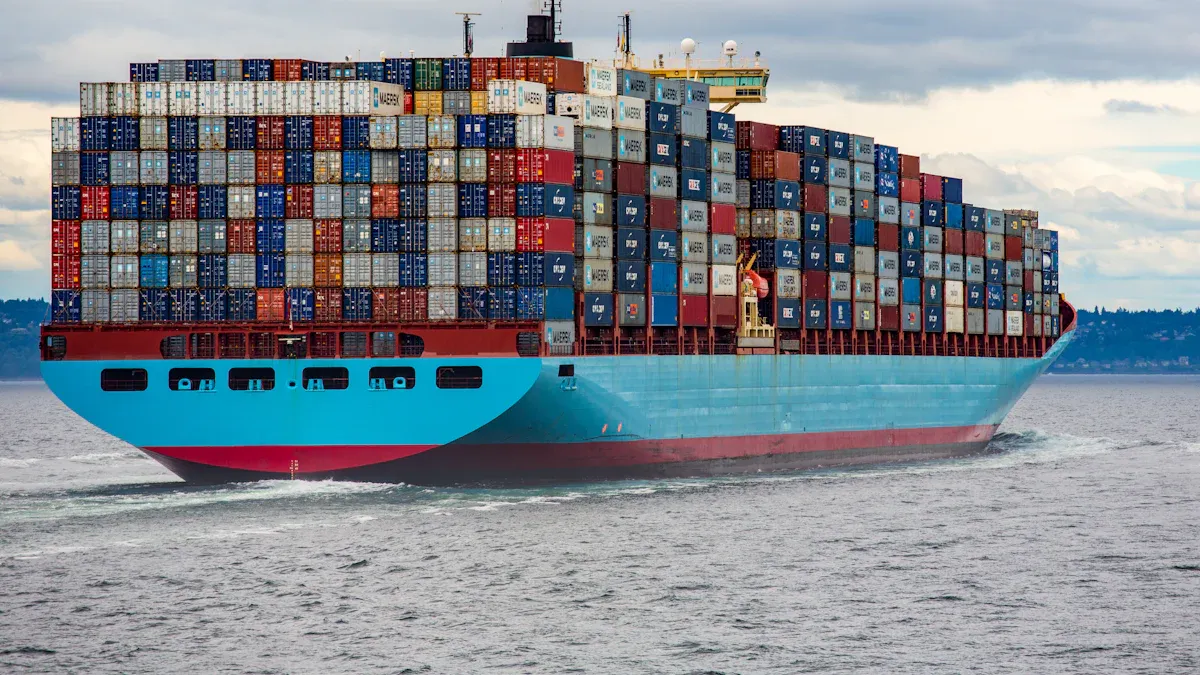
The Red Sea Turmoil has created immediate challenges for global supply chains. Industries such as electronics, automotive, FMCG, and manufacturing face critical delays and rising costs.
Shipping costs have surged, with marine war risk premiums increasing nearly fiftyfold.
Companies like Tesla and Volvo report production disruptions due to delayed components.
Extended transit times, sometimes two weeks longer, now affect the timely delivery of goods.
Supply chain professionals must address risk management and adapt quickly to these disruptions.
Key Takeaways
The Red Sea Turmoil has caused shipping delays and increased costs for many industries, including automotive and electronics.
Shipping routes have changed, with many vessels now taking longer paths, adding significant time and distance to deliveries.
Companies should adopt proactive strategies like diversifying suppliers and using technology to manage risks and improve supply chain resilience.
Investing in real-time data and analytics helps businesses respond quickly to disruptions and maintain inventory levels.
Building strong relationships with suppliers and using multiple shipping methods can enhance flexibility and reduce the impact of global disruptions.
Red Sea Turmoil Disruptions
Shipping Delays
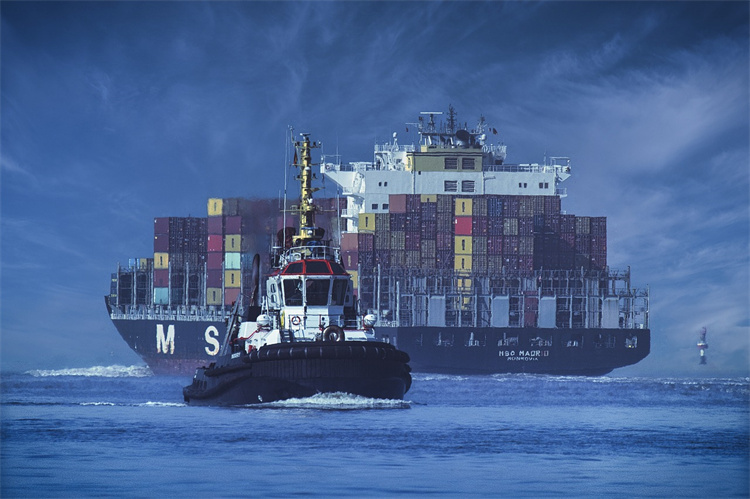
Shipping schedules have faced major disruptions due to the Red Sea Turmoil. Many vessels now reroute or wait at ports for security checks. These changes have caused delays, especially as the Lunar New Year approaches.
Ships reroute around the Cape of Good Hope, adding about 4,000 miles to their journeys.
Transit times for shipments between Asia and Europe have increased by 30-50%, with some shipments delayed by up to two weeks.
Ocean carriers avoid the Red Sea and Suez Canal, choosing longer routes that extend delivery times by up to two months.
The impact on global trade routes is clear.
Metric | Current Status | Historical Average |
|---|---|---|
Traffic through Suez Canal | N/A | |
Traffic through Bab El-Mandeb Strait | Dropped by 50% | N/A |
Alternative route navigation | Increased by 100% | N/A |
Travel distances for vessels | Increased by up to 53% | N/A |
Freight rates and shipping insurance costs | Soaring due to increased delays | N/A |
Note: Extended transit times and rerouting have led to port congestion and longer lead times for manufacturers and retailers.
Rising Costs
Shipping costs have surged since the Red Sea Turmoil began. Container rates for major routes have doubled or tripled.
Container shipping costs have increased two-and-a-half to three times since early December.
Prices for routes through the Suez Canal have surged nearly five-fold.
Costs from China to the U.S. have more than doubled.
Route | Rate Increase | New Rate (per 40-ft container) |
|---|---|---|
Asia to North America (West Coast) | 38% | $4,000 |
Asia to North America (East Coast) | 21% | $6,000 |
Asia to North Europe | N/A | $5,500 |
Asia to Mediterranean | N/A | $6,500 |
Insurance premiums and fuel surcharges have also climbed.
Description | Previous Rate | Current Rate | Change |
|---|---|---|---|
War risk insurance premium | 0.05% | 0.75-1% | |
War risk insurance premium (Dec 2023) | 15% | 20% | Increased by 5% |
WCI increase for 40-foot container | N/A | N/A | 197.8% increase |
Fuel cost increase per journey | N/A | USD 1m | Increased due to longer route |
Northern Europe and Southern Europe have seen additional transit times of 14 and 18 days, with fuel consumption rising by 30%.
Impact | Northern Europe | Southern Europe | Fuel Consumption Increase |
|---|---|---|---|
Additional Transit Time | 18 days | 30% | |
Additional Cost per TEU | Up to $1,000 | N/A | N/A |
Route Changes
Shipping companies have adopted alternative routes to bypass the Red Sea.
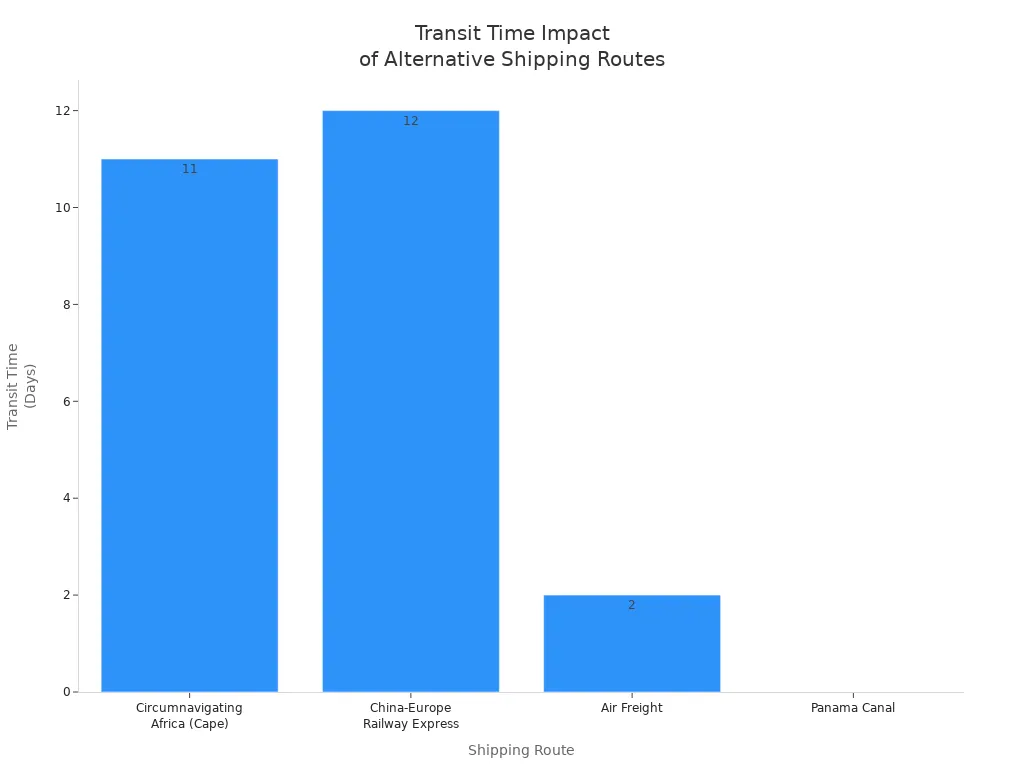
Many vessels now travel around Africa’s Cape of Good Hope, adding 3,500 nautical miles and 10-12 extra days to each trip.
The China-Europe Railway Express offers a 12-day transit time, with volumes up 30%. This route is faster but more expensive than sea freight.
Air freight volumes have increased by 20-30%, though costs are 5-6 times higher than ocean shipping.
The Panama Canal has seen a shift in traffic patterns for Asia-US trade.
Shipping Route | Impact on Transit Times | Additional Notes |
|---|---|---|
Circumnavigating Africa (Cape) | Adds 3,500 nautical miles and 10-12 extra days | Higher operational costs estimated at $30,000-$35,000 per voyage for larger vessels. |
China-Europe Railway Express | 12 days transit time | 30% increase in volumes; more expensive than sea freight but faster. |
Air Freight | Significantly faster than ocean shipping | 20-30% increase in air freight volumes; costs 5-6 times higher than ocean freight. |
Panama Canal | Potential increase in utilization for Asia-US trade | Shift in traffic patterns due to Red Sea disruptions. |
Tip: Companies must monitor route changes and adjust logistics plans to avoid further delays and cost overruns.
Global Trade Impact
Affected Industries
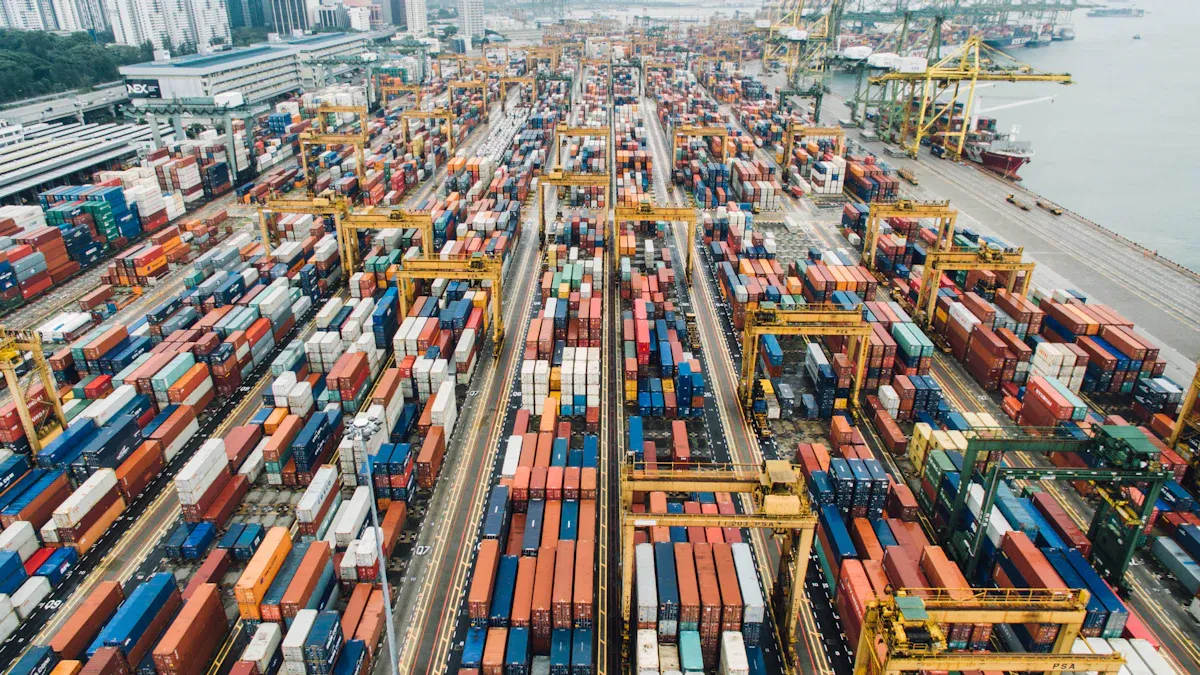
The Red Sea Turmoil has disrupted several key industries. Automotive manufacturers face delays because just-in-time delivery systems cannot absorb longer transit times. Increased storage costs and operational expenses have forced companies to adjust their supply chain strategies. Electronics producers experience similar challenges, with inventory management becoming more complex. The fruit and vegetable trade has suffered the most, with delays reaching up to three weeks. Exporters from Southern Europe, including Italy, Greece, and Cyprus, struggle to deliver perishable goods on time. Container costs for these shipments have increased fivefold, making exports less profitable.
Steel producers have withdrawn from some European markets. Rising shipping costs and unpredictable delivery schedules have forced them to change their logistics arrangements. Chemical companies, especially those in Southeast Asia and India, report significant price increases for key materials. These disruptions have led to higher costs and reduced competitiveness.
Industry | Challenges Faced |
|---|---|
Automotive | Vulnerable to delays, increased storage costs |
Electronics | Inventory strategy adjustments required |
Fruit & Veg Trade | Delays up to three weeks, fivefold increase in container costs |
Steel | Withdrawal from markets, changes in shipping arrangements |
Chemicals | Price increases, supply chain disruptions |
Note: The Red Sea accounts for 12% of global trade volume and 30% of global container shipping, amplifying the impact on these industries.
Suez Canal and Logistics
The Suez Canal remains a vital artery for global logistics. Shipping companies have responded to increased risks by rerouting vessels around the Cape of Good Hope. This change has led to longer travel times, with some journeys taking 14 to 25 extra days. Major carriers, including CMA CGM, Hapag-Lloyd, and Maersk, have suspended services in the region. The cost of shipping has risen sharply, with some round trips costing up to $1 million more due to longer routes and higher insurance premiums.
Traffic through the Suez Canal has dropped by about 52%, while the Bab el-Mandeb Strait has seen a 60% decline. Shipping around the Cape of Good Hope has increased by 65%. These shifts have caused a spike in demand for containers and vessels, benefiting shipping companies through higher charter rates. Retailers in Europe face higher costs and longer lead times, which affect profitability and inventory planning.
Impact | Description |
|---|---|
Increased Risks | Houthi attacks have raised safety concerns, prompting rerouting |
Longer Travel Times | Additional travel time of 14-25 days |
Up to $1 million extra per round trip | |
Service Suspension | Major carriers have paused services in the region |
Global Trade Impact | Suez Canal handles 12% of global trade, affecting inflation and supply chains |
Tip: Companies use predictive analytics and international partnerships to manage risks and maintain supply chain stability.
JUSDA’s Response
JusLink AI Solution
JUSDA uses advanced technology to help companies manage supply chain disruptions. The JusLink AI Solution stands out with its real-time updates and big data analysis. These features give companies current information about inventory and transportation. This helps reduce delays and keeps shipments on track. JusLink also uses proactive risk management. It focuses on purchase orders and spots problems before they grow. The platform brings together transportation and value-added services for a complete solution.
Feature | Description |
|---|---|
Real-time updates | Provides current information on inventory and transportation status to reduce delays. |
Big data analysis | Helps in early identification of risks and uncovering new opportunities. |
Proactive risk management | Focuses on managing risks associated with purchase orders before they escalate. |
Integration of services | Combines transportation and value-added services for a comprehensive solution. |
JusElsa, the intelligent supply chain assistant, uses AI to answer questions and help with daily tasks. This tool makes it easier for teams to make decisions quickly.
JUSDA Solutions
To provide you with professional solutions and quotations.
Real-Time Risk Control
JUSDA’s risk control tower gives companies a clear view of their supply chain. It monitors shipments and sends early warnings if problems appear. This system helps companies act fast when disruptions happen. During the Red Sea Turmoil, many companies used these tools to avoid costly delays and keep goods moving. The platform’s real-time alerts and data help teams plan better and respond to changes.
Customer Success Story
A leading Chinese manufacturer faced complex global supply chain challenges. JUSDA provided a collaboration platform powered by AI and cloud computing. The platform improved transparency and efficiency. It connected different systems and tracked shipments across borders. The manufacturer reduced manual work and cut costs. With JUSDA’s help, the company expanded globally and managed risks during major disruptions.
JUSDA’s innovation, efficiency, and global network help companies stay strong during supply chain crises.
Building Resilient Supply Chains
Technology and Data
Modern supply chains rely on technology to stay resilient during disruptions in the Red Sea region. Companies use several digital tools to monitor shipments, optimize routes, and respond quickly to changing conditions.
Warehouse Management Systems (WMS) control warehouse operations, improving inventory accuracy and speeding up order processing.
Transportation Management Systems (TMS) plan and monitor transport routes, providing real-time visibility to detect delays.
Internet of Things (IoT) devices track critical variables during transport, ensuring compliance and preventing losses.
Advanced analytics and artificial intelligence (AI) analyze data to detect patterns, identify bottlenecks, and forecast disruptions.
Process mining extracts data from business systems, visualizing processes in real time and enabling improvements.
Freudenberg launched a co-innovation project with Celonis to track material flows worldwide. This project helps analyze inventory levels and understand how material shortages impact production.
Data analytics plays a key role in building supply chain resilience. Companies use data mining and performance analysis to adjust port calls and maintain efficiency. The table below shows how data analytics supports supply chain operations:
Aspect | Description |
|---|---|
Structure | Distribution of ports-of-call in Asia-Europe and Asia-Mediterranean trade routes. |
Conduct | Analysis of shipping line service organization and vessel deployment strategies during crises. |
Performance | Efficiency, market growth, and market share for weekly shipping service calls at container ports. |
Data Mining | Utilization of AIS information to draw insights on shipping network behavior and resilience. |
Implications | Adjustments to port-calls and resilience strategies for maintaining supply chain efficiency. |
Advanced tracking technologies provide real-time visibility into vessel movement and cargo status. Shippers gain actionable insights, allowing them to respond proactively to disruptions.
Proactive Strategies
Companies strengthen supply chains by adopting proactive strategies. These approaches help minimize risks and keep goods moving despite Red Sea turmoil.
Embracing multimodal transportation allows companies to switch to air or rail, ensuring timely deliveries and optimizing costs.
Early shipping, or a Just-In-Case strategy, keeps products ready in domestic warehouses, improving availability during disruptions.
Reshoring, nearshoring, and friendshoring reduce reliance on distant suppliers, giving companies greater control and responsiveness.
Contingency planning prepares businesses for worst-case scenarios, enabling rapid adaptation to unexpected events.
Supplier diversification lessens dependence on a single supplier, minimizing the effects of regional conflicts or shipping delays.
Agile processes help companies adapt quickly, while regular supply chain health checks identify potential risks.
Predictive analytics transforms raw data into actionable insights. Supply chain leaders shift from reactive responses to proactive strategies by integrating logistics and supplier data. This holistic view supports real-time decision-making, which is crucial for navigating geopolitical tensions in vital shipping routes.
Tip: Building a network of trusted suppliers and using advanced technology ensures supply chains remain strong, even during global disruptions.
The Red Sea Turmoil exposed vulnerabilities in global supply chains, driving up costs and causing delays. Collaboration among logistics providers and the use of advanced technology have become essential for maintaining visibility and responsiveness. Supply chain professionals can strengthen operations by adopting innovative solutions such as JUSDA’s real-time visualizations, tailored logistics, and dynamic inventory management.
Actionable Step | Benefit |
|---|---|
Leverage AI-powered platforms | Improve risk detection and adaptability |
Diversify shipping routes | Reduce exposure to geopolitical threats |
Build strong supplier ties | Enhance flexibility and performance |
Boost inventory buffers | Prevent shortages during disruptions |
Companies that invest in technology and proactive strategies will adapt faster and build resilient supply chains for the future.
FAQ
What is the main impact of the Red Sea turmoil on global supply chains?
Shipping delays and rising costs affect many industries. Companies face longer transit times and higher insurance premiums. Supply chain managers must adjust logistics plans to keep goods moving.
Tip: Monitoring route changes helps companies avoid further disruptions.
How does JUSDA’s JusLink AI Solution support supply chain resilience?
JUSDA’s JusLink AI Solution provides real-time updates, risk alerts, and predictive analytics. These features help companies manage inventory, forecast demand, and respond quickly to disruptions.
Feature | Benefit |
|---|---|
Real-time data | Faster decisions |
Risk alerts | Early problem solving |
Which industries experience the most disruption from Red Sea shipping issues?
Automotive, electronics, FMCG, and manufacturing industries experience the most disruption. Perishable goods exporters also face delays and higher costs.
Automotive: Delays and increased storage costs
Electronics: Inventory challenges
FMCG: Higher shipping rates
What proactive strategies can companies use to build resilient supply chains?
Companies use multimodal transport, diversify suppliers, and boost inventory buffers. Early shipping and contingency planning help maintain supply chain stability.
Companies that invest in technology adapt faster to global disruptions.
See Also
Understanding Logistics Risks: Current Trends and Implications
Managing Supply Chain Challenges Amid Rising Inflation Rates
The Importance of Supply Chains in Global Trade Dynamics
Addressing Supply Chain Risks: Essential Steps for Protection