Sea Freight Market Update for 2025

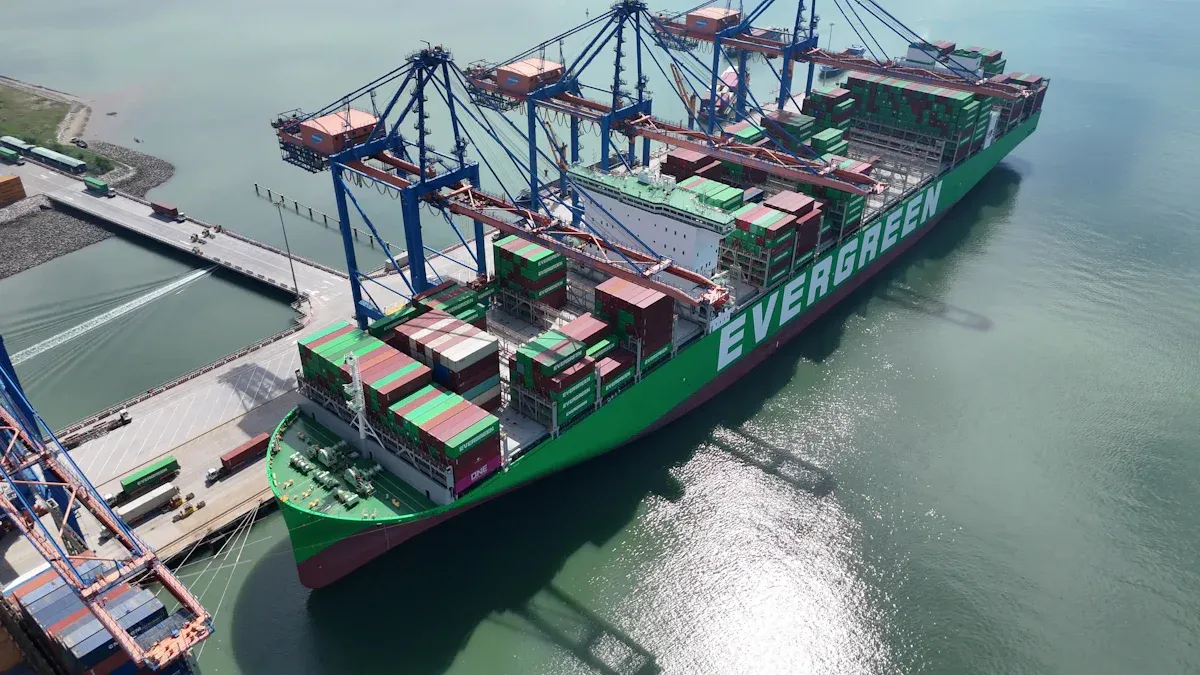
You notice big changes in the sea freight market this year. Carriers change how much they can ship because container numbers go up and down. Tariffs change how countries trade with each other. Port congestion and new partnerships change how container ships work. E-commerce is growing and 2025 trends bring new ways to manage inventory. Market trends now change supply chains around the world and e-commerce growth changes how much is shipped.
Key Takeaways
Watch shipping trends carefully. Demand and supply changes can change your shipping plans and costs.
Use technology like real-time tracking and AI tools. These help you manage shipments better and react fast to market changes.
Plan shipments early to get container space. If you wait too long, you may face delays and pay more.
Sea Freight Market Overview
Demand and Supply
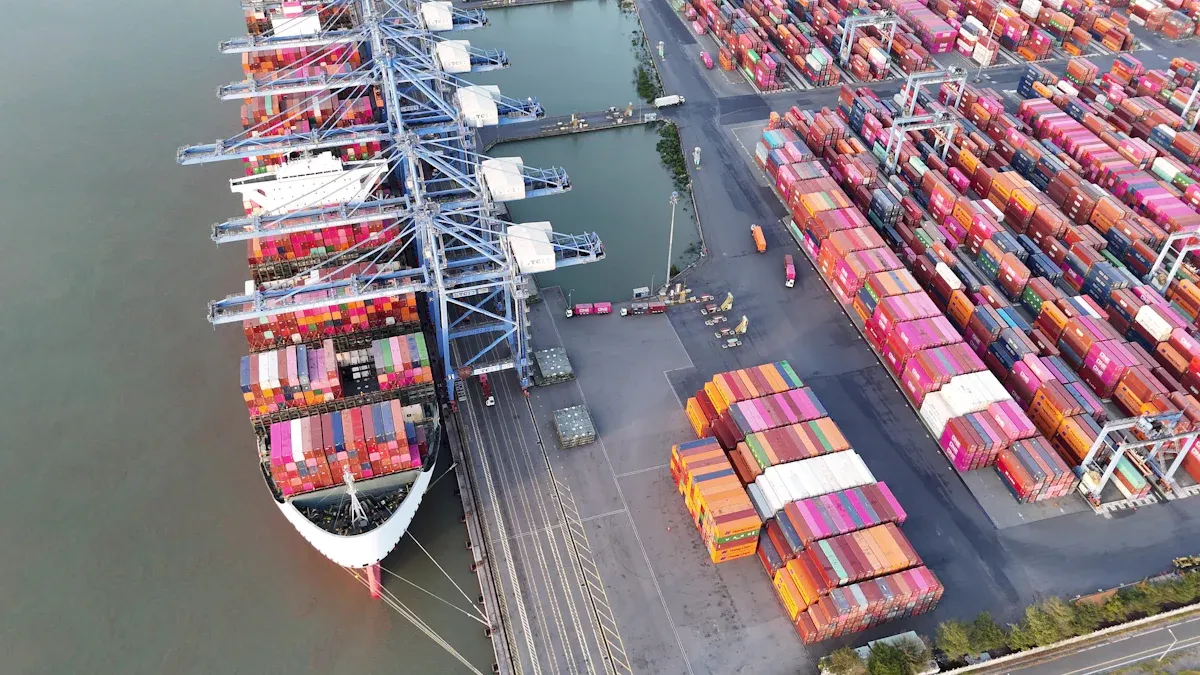
You see many changes in demand and supply in the sea freight market this year. Several factors shape how much shipping companies can move and how much space they offer. Here are some of the main drivers:
The Gemini Alliance works to improve schedule reliability. This group aims for 90% reliability, which is much higher than the global average of 53%. You can expect more stable shipping schedules because of this effort.
Geopolitical tensions in the Red Sea affect shipping routes. These tensions make some routes less safe and can cause delays or changes in how ships travel.
Real-time visibility and flexible routing have become very important. You need to track your shipments closely and adjust plans quickly when the market changes.
Container shipping volumes also show how the market is moving. You can see the changes in the table below:
Month/Year | Volume (TEUs) | Change from Previous Year |
|---|---|---|
May 2024 | X | N/A |
May 2025 | +1.8% | |
April 2025 | 15.59 million | N/A |
March 2025 | 16.31 million | N/A |
You notice a steady increase in container shipping volumes compared to last year. This growth means more goods move across the ocean, and you may face more competition for space on ships. You should watch these trends to plan your shipments better.
Rate Movements
Freight rates have changed a lot in 2025. You might see big price swings depending on where you ship and when you book. Here are some important points about current rate movements:
In February 2025, the average cost to import a 20-foot container from China to Brazil was $3,235.
By November 2025, this cost jumped to $11,293. This is a 249% increase in less than a year.
Geopolitical tensions and changes in logistics cause these large price changes.
Many things drive these rate changes. You should pay attention to the following:
Demand for shipping capacity goes up during busy seasons. When more people want to ship goods, freight rates rise.
Shipping lines sometimes use General Rate Increases (GRI). They raise rates to manage high demand or deal with challenges.
Oil and bunker fuel prices change often. When fuel costs go up, shipping companies raise freight rates to cover their expenses.
Ongoing geopolitical events can disrupt key trade routes. These disruptions make shipping less predictable and can push prices higher.
New ship deliveries can help or hurt capacity. When new vessels join the fleet, they can ease tight supply or sometimes add to congestion.
You need to stay alert to these trends. Watch the ocean freight market closely, and adjust your shipping plans to avoid high costs. If you plan ahead and stay flexible, you can manage your freight expenses better.
Ocean Freight Market Influences
Geopolitical Factors
There are many problems in ocean freight because of world tensions. In 2025, more risks come from fights and trade arguments. These events can mess up ocean freight and make you change your shipping plans.
Companies use more suppliers to stop delays from risky places.
Onshoring and nearshoring help keep goods moving if routes close.
You might use index-linked contracts to make your supply chain stronger.
Conflicts in the Red Sea and South China Sea make ships take longer routes. In Q2 2025, ship traffic jams at Singapore and Busan put $131 billion in trade at risk. You need to watch these busy areas and change plans fast.
Environmental Regulations
New rules are changing how ocean freight works. The push for green shipping is stronger in 2025.
Regulation | Description |
|---|---|
Ships over 5,000 gross tonnage must lower carbon intensity and report emissions each year. | |
EU Emissions Trading System | Ship owners must buy permits for CO₂ emissions, making rules tougher. |
MARPOL Annex VI | Stricter sulfur limits mean cleaner fuels and new tech are needed. |
Shipping companies now check fuel use, clean ship hulls, and plan for better ships. These actions help green shipping and meet new rules.
Technology and Innovation
New technology helps you in ocean freight. Automated booking and real-time tracking give you more control. AI systems help avoid traffic by changing prices and routes.
5G and IoT let you check cargo location and condition all the time.
Data moves fast, so you find problems early.
Smart tools like JUSDA’s JusLink AI Solution guess trends and manage risks.
JUSDA’s smart platform helps global makers by making ocean freight work better and more reliably. You can use these tools to reach green shipping goals and stay ahead as things change.
Capacity and Alliances
Shipping Capacity
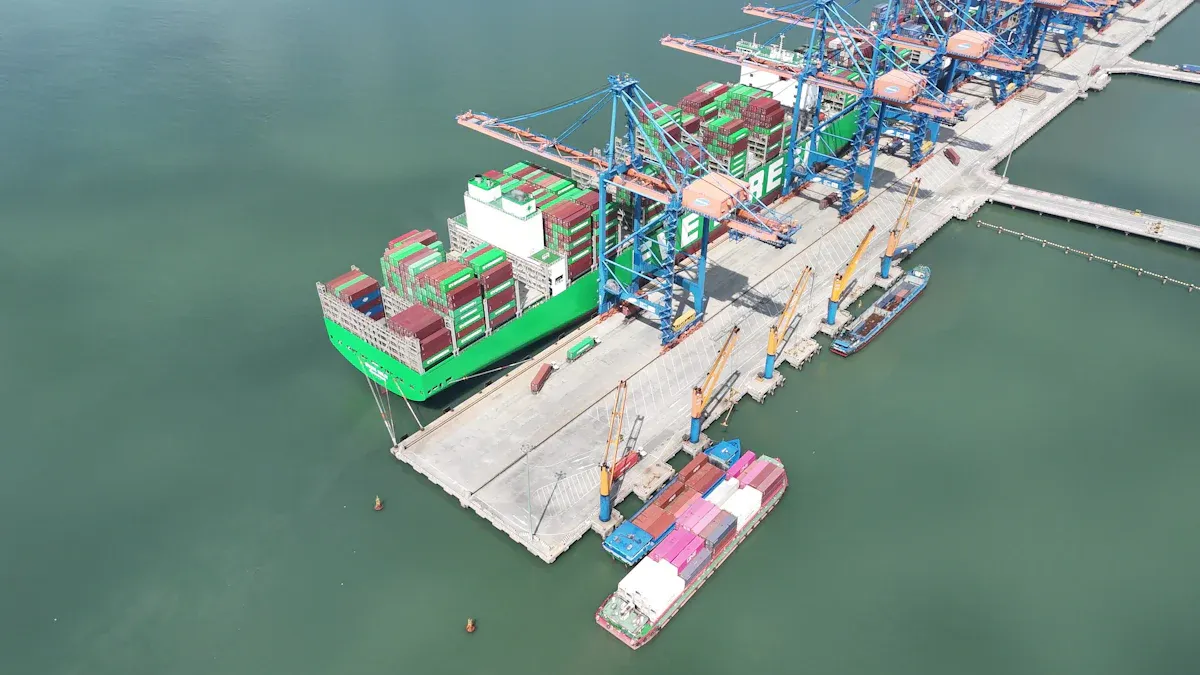
Shipping capacity changes a lot in 2025. Many shipping lines add new container ships. These new ships help move more freight across the sea. Container demand keeps going up, especially on busy trade routes. Sometimes, too many goods need to move at once. This can cause not enough space for all containers. When this happens, delays and higher freight costs can occur. You should plan shipments early to get container space. If you wait too long, your freight may be delayed. It is smart to check container availability often. Book your shipping space as soon as you can. Many ports now use digital tools to manage containers. These tools help move freight faster and keep schedules on track.
Carrier Alliances
Carrier alliances are very important in shipping this year. New partnerships like Gemini Cooperation and Premier Alliance help a lot. These groups work together to make service more reliable. They also help use container space better. Here is how these alliances help you:
Carriers share containers to cover more routes and move more freight.
You get better schedules and more reliable service.
The alliances help keep operations stable, so there are fewer delays.
Freight forwarders get more choices and can book space more easily.
You should watch how these alliances change shipping. They make it easier to find container space and keep freight moving.
Supply Chain Resilience
Risk Management
There are many risks in sea freight in 2025. These risks can slow shipments and make costs go up. You should know what might go wrong and how to get ready. Some common risks are:
Geopolitical tensions, like fights in Ukraine, the Middle East, and over Taiwan.
Stricter environmental rules, such as the EU’s ETS surcharge, now covering up to 70% of emissions.
Cyber-attacks are rising as more freight uses digital tools.
Changes in shipping alliances can change how much space is available and how reliable service is.
Bad weather can stop or slow down freight and cause delays.
To make your supply chain stronger, use smart ideas. Here are some ways to make your freight safer:
Use new technology, like real-time tracking and artificial intelligence, to always know where your freight is.
Work with expert logistics providers who know the global supply chain and can fix tough freight problems.
Make backup plans and use more than one supplier to avoid problems.
Tip: Watch for changes in the freight market. Acting fast helps you avoid delays and extra costs.
JUSDA’s JusLink AI Solution
JUSDA’s JusLink AI Solution helps make freight safer and smarter. This tool lets you see your supply chain in real time. You can see where your freight is and find problems early. JusLink uses smart risk management to help you act quickly and keep freight moving. With better data and smart alerts, you can make good choices and protect your business from surprises. Many global shippers trust JusLink to keep their freight safe and their supply chains strong.
Alternative Transport Solutions
China-Europe Express Rail by JUSDA
You can choose the China-Europe Express Rail by JUSDA when you need a faster way to move goods between China and Europe. This service gives you a middle ground between air and sea shipping. The rail route takes about 15 to 20 days for delivery. You save time compared to sea shipping, and you spend less money than air shipping. JUSDA helps you move electronics, clothing, and medical supplies with fewer delays. You get reliable customs support and smooth border crossings. Many companies use this rail service to keep their supply chains strong and flexible.
Tip: If you want to avoid long ocean delays, try the China-Europe Express Rail. You get faster delivery and better control over your shipping plans.
Sea-Rail Intermodal Options
You can use sea-rail intermodal options to connect more places and make your shipping process smoother. This method lets you combine sea and rail transport. You move goods from Japan, South Korea, or Taiwan to China by sea. Then, you send them to Europe by rail. You get more choices for routes and schedules. JUSDA’s network helps you avoid busy ports and crowded shipping lanes. You can lower your risk of delays and keep your supply chain moving. Many shippers use sea-rail intermodal options to reach new markets and save money.
Transport Mode | Speed | Cost | Best For |
|---|---|---|---|
Sea | Slowest | Cheapest | Bulk goods, low urgency |
Rail | Fast | Moderate | Time-sensitive goods |
Sea-Rail | Balanced | Balanced | Flexible shipping needs |
Market Trends and Strategies
Actionable Advice for Shippers
The sea freight market changes quickly in 2025. You need smart ways to save money and lower risks. Good strategies help make shipping easier and more dependable.
Here are some strategies you can try:
Strategy | Description |
|---|---|
Leveraging data analytics | Use data to find problems and get better deals with carriers. |
Adopting digital tools | Use online tools to manage shipments and track cargo live. |
Prioritizing proactive planning | Plan shipments early to avoid surprises and high costs. |
Flexible contract negotiations | Ask for flexible service and discounts based on how much you ship. |
Freight consolidation | Combine small shipments into bigger ones to save money and use space better. |
Predictive analytics | Use past data and updates to guess demand and change your shipping plans. |
You can also get better freight rates by using these tips:
Make your process the same each time for better choices.
Learn about market changes and carrier space before you talk.
Study trends and old data to pick the best time to talk rates.
Offer flexible shipping dates or bigger loads for better deals.
Use digital tools to manage rates and avoid mistakes.
Tip: Try predictive analytics and digital platforms like JUSDA’s JusLink AI Solution. These tools help you see trends, plan ahead, and act fast when things change.
Best Practices for Logistics Professionals
You help keep the supply chain working well. In 2025, focus on teamwork, technology, and strong supplier relationships. These best practices make your supply chain tough and efficient.
Best Practice | Description |
|---|---|
Recruit & Develop Supply Chain Professionals | Hire skilled workers and help them learn new things to close the skills gap. |
Align the Supply Chain Team | Set up roles that connect teams and help everyone talk better. |
Establish Alliances with Suppliers | Build strong partnerships to make your supply chain more reliable and lower costs. |
Purchase Supplies in Volume | Buy in bulk to get better prices and save money. |
Diversify Supplier Relationships | Work with many suppliers to avoid delays and keep goods moving. |
You can use technology to make your job easier and your supply chain stronger:
Technology | Benefits |
|---|---|
Internet of Things | Track shipments live and check things like temperature and humidity. |
Artificial Intelligence | Guess demand, manage risks, and find the best shipping routes. |
Digital Freight Platforms | Compare shipping options and prices fast, and talk with partners live. |
Sustainability Initiatives | Use eco-friendly ways to meet new rules and customer needs. |
Data analysis helps you see your inventory, shipments, and orders clearly. You can spot problems early and make quick choices. This keeps your supply chain ready for anything.
Note: Keep learning about new technology and trends. Work closely with your team and partners. These steps help you handle changes and keep your supply chain strong.
JUSDA Solutions
To provide you with professional solutions and quotations.
You face a sea freight market shaped by rising costs, new rules, and fast change.
78% of consumers want eco-friendly shipping.
Stay informed and adapt quickly. Use digital tools, optimize routes, and work with partners. For updates, check resources like:
Resource Type | Link |
|---|---|
JUSDA’s smart solutions help you stay ahead in this changing world.
See Also
Exploring Innovations in Sea Freight Logistics for 2024
An In-Depth Look at LTL Freight's Future Trends
Five Key Trends Shaping Future Supply Chain Efficiency