The semiconductor supply chain crisis and its impact on automotive production cuts

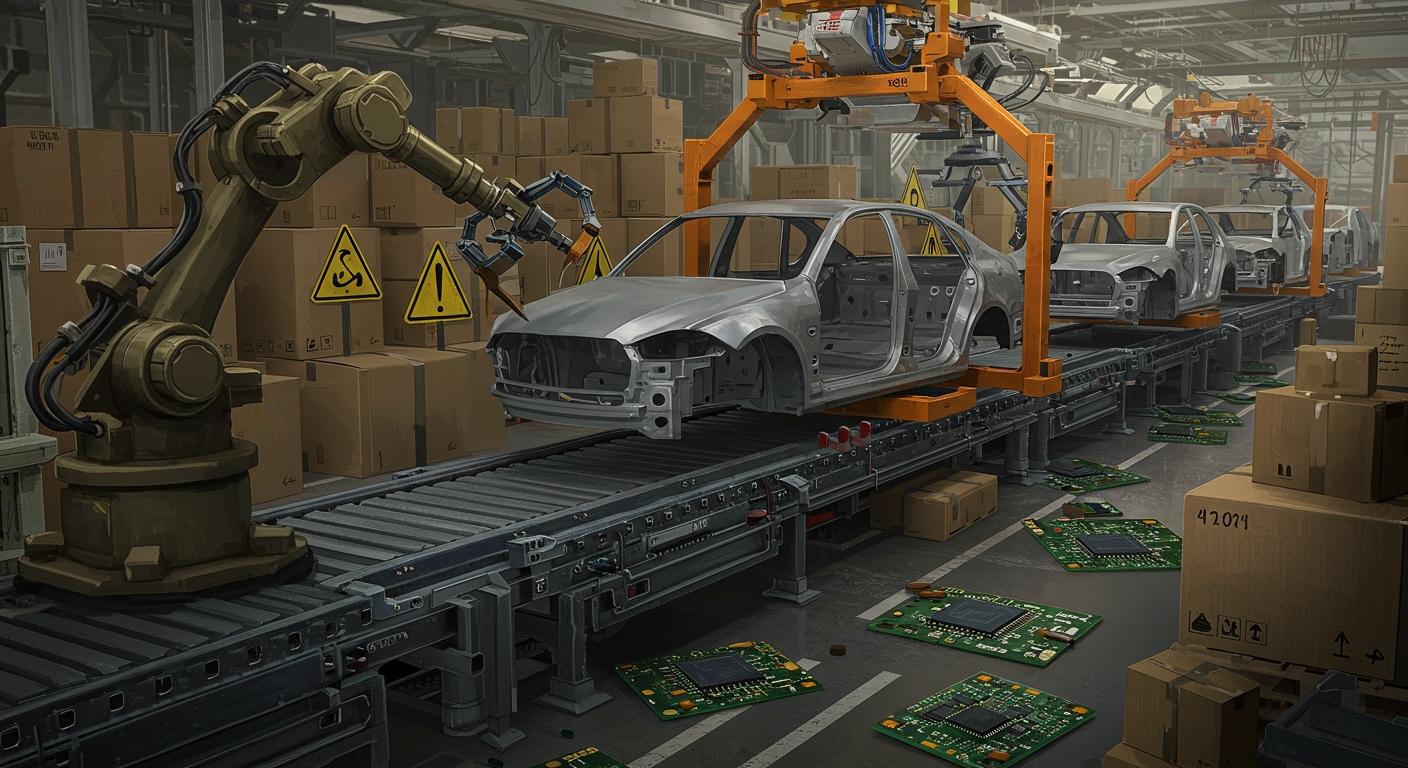
The global supply chain crisis, driven by a severe semiconductor shortage, has forced major automakers to cut production and halt assembly lines. Car manufacturing output remains below pre-pandemic levels, with over 12 million vehicles lost worldwide between 2021 and 2022.
New vehicle sales in the U.S. climbed to 15.4 million in 2023, but inventories remain tight.
Average used car prices, though down from their 2022 peak, are still 35% higher than before the crisis.
Advanced supply chain solutions, such as JUSDA’s digital warehousing and AI-powered logistics, now play a crucial role in helping manufacturers navigate these disruptions.
Key Takeaways
The semiconductor shortage has led to significant production cuts in the automotive industry, resulting in over 12 million vehicles lost globally between 2021 and 2022.
Automakers are prioritizing profitable models due to chip shortages, causing longer wait times for consumers and driving up used car prices.
Digital supply chain solutions, like those from JUSDA, enhance resilience by providing real-time visibility and AI-driven forecasting to help manufacturers adapt to disruptions.
Diversifying suppliers and improving inventory management are crucial strategies for automotive companies to build more resilient supply chains.
Emerging technologies, such as blockchain and IoT, are essential for improving transparency and collaboration in the automotive supply chain.
Supply Chain Crisis and Automotive Production
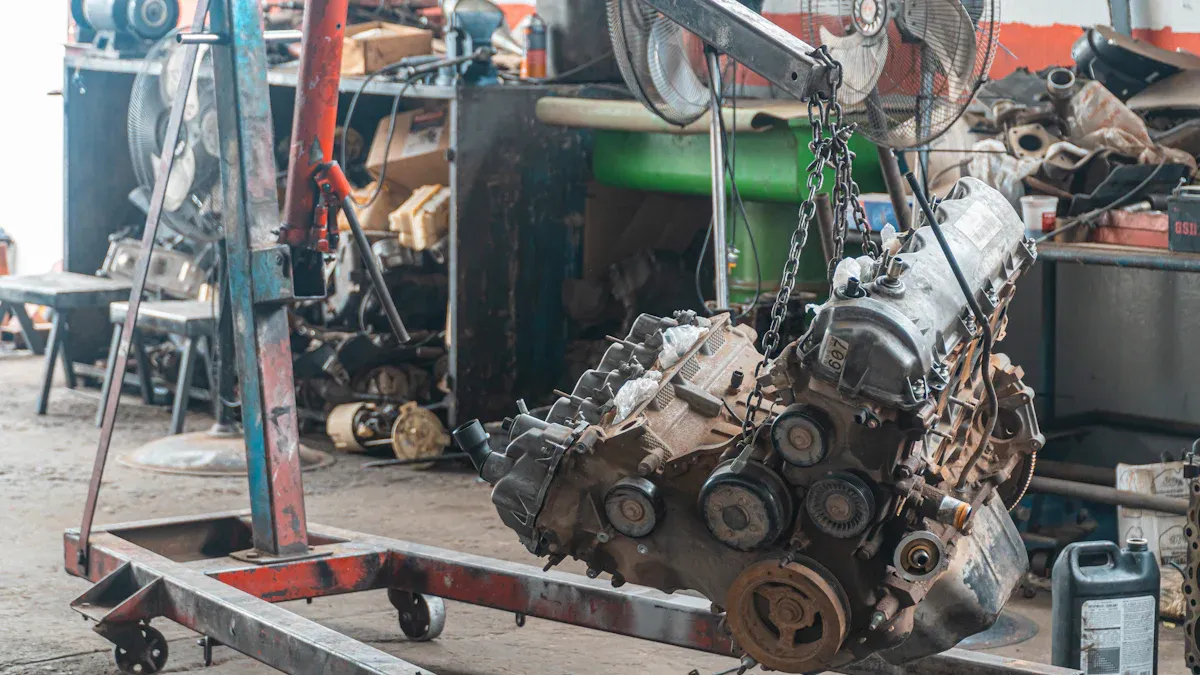
Semiconductor Shortage Impact
The automotive industry relies heavily on semiconductors to power essential vehicle systems. Chips control everything from safety features like brakes and airbags to advanced infotainment and driver assistance technologies. The recent supply chain crisis has exposed the vulnerability of this dependency. Several factors have contributed to the current shortage:
Supply chain disruptions caused by the pandemic and natural disasters.
A surge in demand for semiconductors, especially from the consumer electronics sector.
Geopolitical tensions, such as U.S.-China trade disputes, which have strained supplier relationships.
Specific incidents, including factory fires and power grid failures, that halted chip production.
The pandemic triggered a 17% spike in semiconductor demand, outpacing the industry's ability to recover production. Export restrictions resulting from the U.S.-China trade war further tightened global supply chains. Disruptions at key manufacturing sites sent shockwaves through multiple industries, with automotive production taking a significant hit.
Major automakers, including Ford, General Motors, and Toyota, reported substantial production cuts. These companies faced temporary shutdowns of entire assembly plants, resulting in millions of lost vehicles worldwide.
Car Manufacturing Disruptions
Modern vehicles require a steady supply of chips to function. The shortage forced manufacturers to halt production lines, causing significant delays in new vehicle deliveries and driving up prices. The shift toward electric vehicles and advanced digital features has only increased chip demand, intensifying the impact of the supply chain crisis.
Car manufacturers have responded by prioritizing their most profitable models, reducing output of less popular vehicles. This strategy has led to longer wait times for consumers, with some waiting nearly a year for delivery. Used car prices surged by almost 40% at the peak of the shortage, reflecting the scarcity of new vehicles.
The following table summarizes how supply chain disruptions have affected delivery times for new vehicles:
Evidence | Description |
|---|---|
Overall OTD Times | Order-to-delivery times are improving as the supply chain stabilizes, reducing delays. |
Production and Transportation Times | Both production lead time and transportation time are lower across most vehicle segments. |
Factory Order Planning | Fleet operators still need to plan for lengthy lead times, especially for factory orders. |
Automakers now face the challenge of building more resilient supply chains. Many companies are diversifying suppliers and increasing inventory buffers for critical components. Regional policies and localized sourcing strategies have created a fragmented supply landscape, requiring new approaches to risk management and logistics planning.
The supply chain crisis has reshaped the automotive industry, highlighting the need for digital transformation and strategic resilience. Companies like JUSDA support manufacturers by providing advanced supply chain solutions, helping them adapt to ongoing disruptions and prepare for future challenges.
Key Challenges in the Automotive Supply Chain
Global Dependencies
Automotive manufacturers depend on a complex network of global suppliers for critical components, especially semiconductors. The concentration of chip production in regions like Taiwan and South Korea creates significant vulnerabilities. Geopolitical tensions and export restrictions have exposed the risks of relying on limited sources. Companies face increased uncertainty when trade policies shift or when natural disasters disrupt these supply hubs.
Manufacturers also rely heavily on China for semiconductor sourcing. Over half of the 160,000+ semiconductor manufacturer part numbers analyzed had China as at least one country of origin. Nearly a third of these chips were manufactured exclusively in China, and 36% had China as the sole country of origin. This dependency increases exposure to supply chain crisis events and highlights the need for diversification.
Evidence Type | Description |
|---|---|
Semiconductor Dependency | Over 50% of the 160,000+ semiconductor MPNs analyzed had China as at least one COO. |
Exclusive Manufacturing | Nearly a third of semiconductors were manufactured exclusively in China. |
Discrete Semiconductor Dependency | 65% of active discrete semiconductor MPNs had China as one of their inputs. |
Sole COO | 36% of these semiconductors have China as the only COO. |
International trade policies, such as U.S. tariffs, have led to price volatility and disrupted trade flows. Heavy reliance on Taiwan for advanced chip production further increases vulnerability, making diversification a strategic priority for automotive companies.
Bottlenecks and Delays
Automotive supply chains face persistent bottlenecks and delays. Logistics issues, such as port jams and customs holdups, slow the movement of vehicles and parts. Raw material shortages, including steel and lithium, fluctuate due to market and environmental factors. Geopolitical tensions and trade restrictions disrupt the flow of essential materials. Labor shortages, especially in skilled positions, cause production slowdowns and missed deadlines.
Technological shifts, such as the transition to electric vehicles, introduce new challenges for supply chain adaptation. The physically demanding nature of port operations and an aging workforce contribute to operational bottlenecks. The COVID-19 pandemic intensified labor shortages, leaving ports with fewer workers and longer dwell times.
Bottleneck Type | Description |
|---|---|
Logistics Issues | Delays caused by global shipping challenges, such as port jams and customs holdups. |
Raw Material Shortages | Fluctuations in the availability of essential materials like steel and lithium. |
Geopolitical Tensions | Trade restrictions and conflicts that disrupt the flow of parts and materials. |
Labor Shortages | Insufficient skilled workforce leading to production slowdowns. |
Technological Shifts | Challenges in adapting supply chains to new technologies for electric and autonomous vehicles. |
Supply chain disruptions often result from factory shutdowns or shortages of raw materials.
Trade disputes can lead to tariffs on essential components.
Increased demand from other industries affects the availability of automotive parts.
Automotive manufacturers must address these challenges to build more resilient supply chains and reduce the impact of future disruptions.
JUSDA’s Role in Supply Chain Solutions
Digital Transformation and AI
JUSDA leads the way in digital transformation for global supply chains. The company uses advanced technologies like IoT, cloud computing, and big data to create real-time collaboration across the entire supply chain. JusLink, JUSDA’s intelligent supply chain platform, gives clients full visibility and control. With JusLink’s AI solution, companies can analyze trends, predict freight rates, and forecast sales demand. The platform also features a risk control tower for real-time monitoring and early warnings. JusElsa, an intelligent supply chain assistant, uses natural language processing to help users interact with the system easily. These digital tools help manufacturers respond quickly to disruptions and make better decisions.
JUSDA’s collaboration with MIT Ningbo Innovation Academy has produced the AI Dynamic ETA algorithm. This technology improves port arrival predictions and reduces operational costs. By integrating machine learning and neural networks, JUSDA helps clients manage logistics more efficiently.
Warehouse and Logistics Services
JUSDA operates a global network of warehouses and logistics centers. The company manages over 2.5 million square meters of warehouse space across China, Hong Kong, Taiwan, Japan, Vietnam, India, the United States, and Mexico. JUSDA offers general storage, bonded warehouses, distribution centers, and finished goods storage. Advanced systems like eVMI and JusLink provide real-time inventory tracking and transparency.
Value-added services include picking, packing, labeling, kitting, and repacking. JUSDA’s clean room facilities meet strict environmental standards, supporting industries like automotive and electronics. The company’s multilingual staff and strong customs relationships ensure smooth cross-border operations.
JUSDA’s digital supply chain solutions have helped leading manufacturers overcome the supply chain crisis. In one case, JUSDA’s AI-powered platform enabled a Chinese manufacturer to optimize global operations, reduce manual handling, and improve efficiency.
Consumer Impact and Market Trends

Car Prices and Availability
The supply chain crisis has reshaped the landscape for car buyers. New vehicle prices have surged, making affordability a growing concern for many consumers. Several factors contribute to these higher costs:
New vehicle prices are projected to rise by $5,000 to $10,000 due to ongoing chip shortages and tariffs.
Monthly payments for new vehicles now average $840 or more.
Tariffs on imported parts, especially from China, have increased maintenance and repair costs, particularly for technology-heavy models.
Jessica Caldwell from Edmunds points out that the affordability crisis would be even worse without recent Federal Reserve rate cuts.
Sam Fiorani from AutoForecast Solutions notes that while upfront costs are higher, improved vehicle durability and lower financing costs may help keep the total cost of ownership stable.
Availability has also shifted. As of July, U.S. dealer lots held 2.83 million new vehicles, a 14.5% increase from June. However, this figure remains 1.4% lower than the same period last year. The days' supply of new vehicles has reached 82, which is 12 days higher than the previous month. Next-model-year inventory now makes up over 7% of the total, a 95% month-over-month increase, but still about 21% lower than last year.
Used Car Market Shifts
The shortage of new vehicles has pushed many buyers into the used car market. This shift has driven up prices and changed market dynamics. The following table highlights current pricing trends:
Market Type | Price (Current) | Price Increase (%) |
|---|---|---|
New Cars | $49,667 | 29% |
Used Cars | $26,715 | 18% |
Reduced new car production has increased demand for used cars, leading to sustained high prices. The table below summarizes key trends:
Trend | Impact on Used Car Market |
|---|---|
Reduced new car production | Increased demand for used cars |
Increased demand for used cars | Used car prices going up |
Long-term market changes | Sustained high demand for used vehicles |
The 2020 semiconductor shortage significantly affected the European automotive industry. Supply chain disruptions led to reduced new car production. Economic uncertainty has caused some consumers with stronger credit profiles to withdraw from the market. Recent reports from CarMax show a decline in both sales and earnings, suggesting that while demand for used cars remains high, rising costs and uncertainty are affecting consumer purchasing power.
Future Outlook and Solutions
Building Resilient Supply Chains
Automotive manufacturers continue to strengthen their supply chains to withstand future disruptions. They adopt several strategies to address vulnerabilities exposed by the supply chain crisis:
Companies implement short-term initiatives to offset tariff impacts, such as maintaining stable prices and launching targeted advertising campaigns.
Manufacturers shift toward tighter inventory management, moving away from traditional 90-day stock models to more responsive systems.
Predictive analytics and advanced visibility tools help identify potential disruptions before they escalate.
Automakers repatriate production, as seen with the Nissan Rogue, to utilize spare capacity and meet changing market demands.
Pragmatic adjustments in sourcing and production enhance operational flexibility.
Enhanced visibility across the supply chain prevents blind spots in shipping activities.
Technology and logistics providers enable a more connected supply chain, supporting accurate tracking of materials.
Manufacturers identify freight consolidation opportunities to optimize trade lanes and supplier networks.
Risk mitigation practices also play a vital role in future-proofing supply chains:
Companies leverage AI-driven monitoring systems to predict and respond to risks in real time.
Supplier diversification reduces dependency on single sources.
Strategic inventory management maintains optimal levels to buffer against disruptions.
End-to-end digital integration provides real-time visibility across the supply chain.
Automotive leaders recognize that resilience depends on proactive planning, technology adoption, and flexible operations.
Technology and Collaboration
Emerging technologies drive transparency and collaboration in the automotive supply chain. Blockchain, IoT, and advanced analytics improve traceability and trust:
Decentralized ledger technology traces parts at the serial level, verifies authenticity, and eliminates counterfeit risks.
Blockchain records every step of a product’s journey, reinforcing transparency and traceability.
Participants access up-to-date tracking information on shipments and inventory levels, reducing delays and improving coordination.
Programmable contracts automate procurement and payment cycles, streamlining operations.
Collaboration among manufacturers, suppliers, and technology providers delivers promising results. A recent survey shows that 71% of automotive suppliers increase their commitment to resilience strategies. Over 77% emphasize real-time notifications for effective supply chain management.
Initiative | Description | Benefits |
|---|---|---|
OEM shares demand forecasts with Tier 2 and Tier 3 suppliers | Faster adjustments, improved coordination, better planning |
Joint problem-solving leads to innovative solutions.
Shared data platforms enhance real-time visibility.
The future of automotive supply chains relies on technology-driven collaboration and continuous innovation.
The supply chain crisis has revealed vulnerabilities in automotive production, driving industry leaders to adopt strategic procurement and supplier diversification. Digital supply chain solutions, such as those from JUSDA, enhance resilience through AI-driven forecasting, cloud computing, and big data analytics.
Industry observers should monitor key performance indicators like lead time variation, OTIF, volume flexibility, and stock levels to assess recovery and adaptation.
Ongoing innovation and collaboration remain essential, with manufacturers investing in sustainable logistics, real-time visibility, and proactive crisis management.

JUSDA Solutions
To provide you with professional solutions and quotations.
FAQ
What supply chain solutions does JUSDA offer for the automotive industry?
JUSDA provides digital supply chain platforms, AI-powered forecasting, and global warehousing. JusLink enables real-time collaboration, visibility, and risk management. These solutions help automotive manufacturers optimize logistics and respond quickly to disruptions.
How does JUSDA’s JusLink AI solution improve supply chain management?
JusLink’s AI solution analyzes trends, predicts freight rates, and forecasts sales demand. The platform features a risk control tower and an intelligent assistant, JusElsa, which uses natural language processing for seamless user interaction and decision support.
Where does JUSDA operate its warehouses for automotive logistics?
JUSDA manages warehouses in China, Hong Kong, Taiwan, Japan, Vietnam, India, the United States, and Mexico. The company offers general storage, bonded warehouses, distribution centers, and finished goods storage, supporting global automotive supply chains.
What value-added services does JUSDA provide in its warehouses?
JUSDA offers picking, packing, labeling, kitting, repacking, and software upgrades. Clean room facilities meet strict environmental standards. Advanced inventory management systems like eVMI and JusLink ensure transparency and control for clients.
See Also
Maximizing Your Automotive Supply Chain's Full Potential
Expert Strategies for Overcoming Automotive Supply Chain Challenges
Enhancing Supply Chain Solutions for High-Tech Manufacturing
Transforming Data Into Decisions for Automotive Demand Forecasting
Understanding Inflation's Impact on Supply Chain Disruptions