Subdued Air Cargo Peak Extends Rate Decline as Spot Prices Fall for Sixth Straight Month

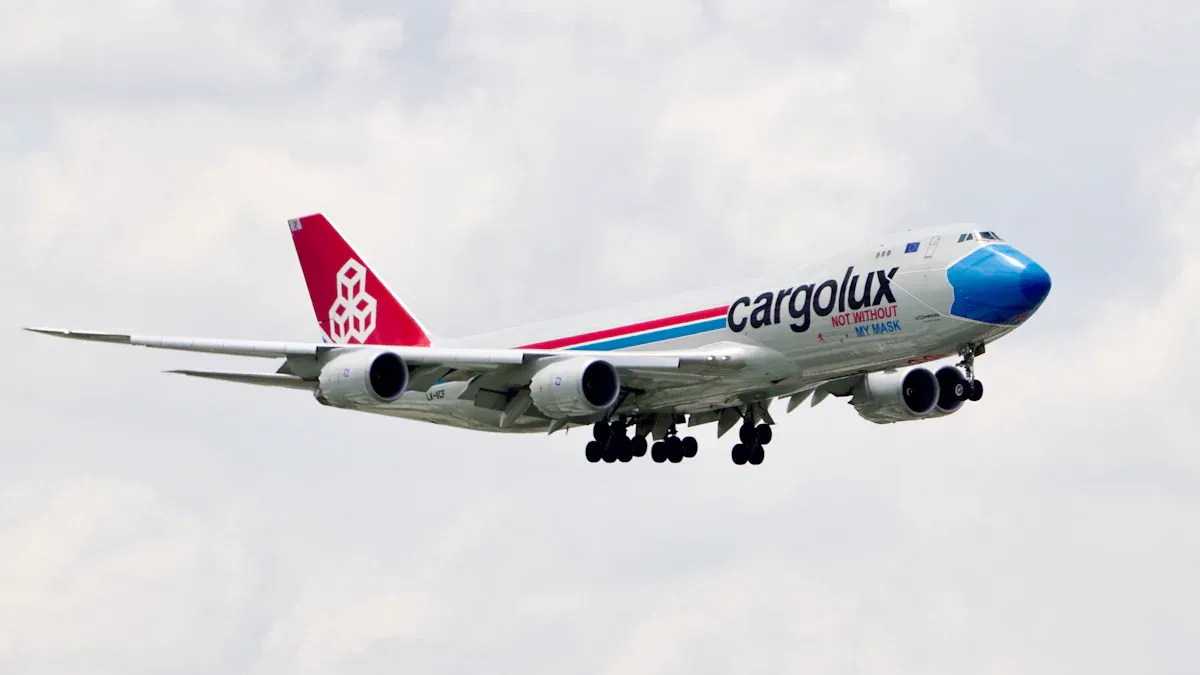
You notice the air cargo peak is weaker this year. Spot prices keep going down. Rates from Asia Pacific to the US are going up. But rates from China to the US dropped by 16%. There are not enough skilled workers. This makes the air cargo peak hard to manage. Trade tensions also make planning difficult. Customers want different things now. This adds to the challenge.
Not enough skilled workers hurt air cargo peak work.
Trade tensions make air cargo peak planning unsure.
Using new technology changes how air cargo peak is handled.
Key Takeaways
Spot rates in air cargo have gone down for six months. Shippers need to watch these changes very closely.
Digital tools like real-time tracking and AI forecasting help businesses. These tools let companies react fast to changing air cargo rates. They also help people make better choices.
Knowing about rate differences in each region is very important for planning. Some places see bigger drops in rates than other places.
Air Cargo Peak Market Trends

Spot Rate Decline Overview
Spot rates change in the air cargo market. In August, spot rates went down by 1% from last month. Some routes, like Europe to North America, had spot rates go up by 7%. This means supply and demand are not the same everywhere. E-commerce demand makes some rates go higher. But most spot rates have been dropping for months. The global air cargo market has a quiet peak season. Shipping costs are lower now. This helps shippers save money. But it makes planning harder for carriers.
JUSDA uses smart digital tools to track these changes. Automation and real-time tracking help you react fast to spot rate changes. You can use dynamic inventory management to change your plans quickly. These tools help you keep up when spot rates move a lot.
Volume and Capacity Shifts
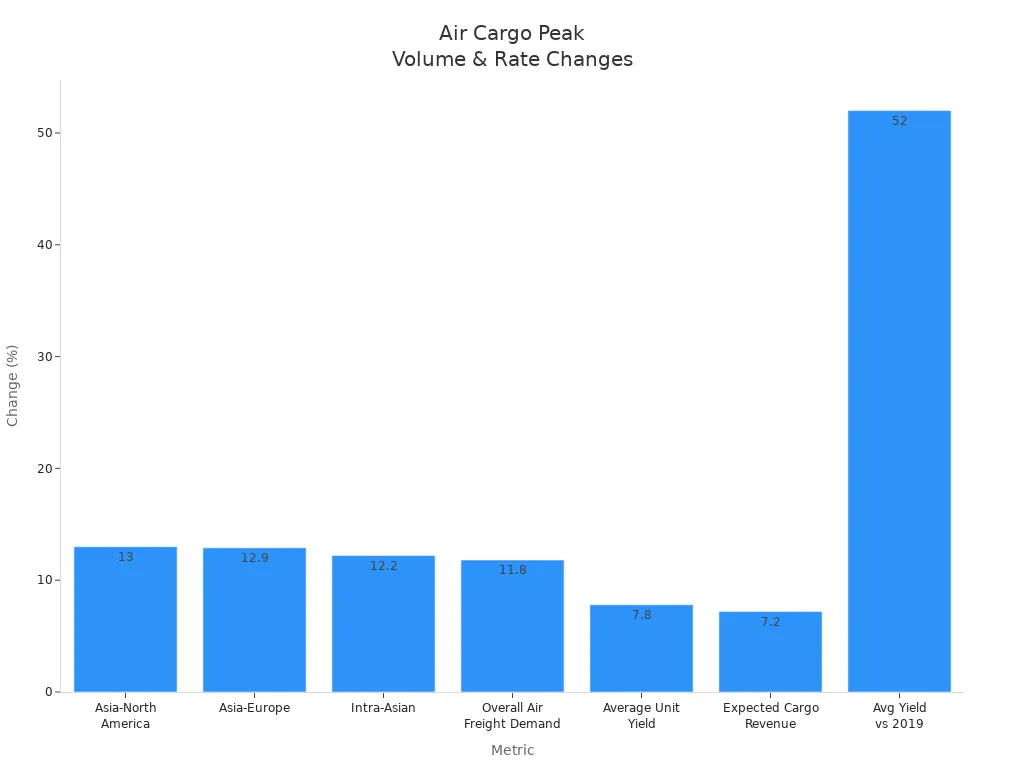
Cargo volumes are going up this year. There is a 12% rise in air cargo volumes from last year. Average global airfreight rates hit $2.71 per kilogram in September. This is the highest rate this year. Capacity on Asia Pacific to North America routes grew by 6% last week. Shanghai and Hong Kong both sent more cargo to North America. Shanghai increased by 17.5%. Hong Kong increased by 11.7%. Cathay Pacific saw an 11% jump in September cargo volumes.
Here is a table that shows recent changes in cargo volumes and capacity:
Metric | Current Peak Season | Change |
|---|---|---|
Year-to-date volumes | 12% higher | Growth |
Average global airfreight rates | $2.71 per kg | Highest levels |
Capacity increase (Asia-North America) | 6% | Increase |
Capacity increase (Shanghai-North America) | 17.5% | Surge |
Capacity increase (Hong Kong-North America) | 11.7% | Increase |
September volumes (Cathay Pacific) | 11% year-over-year | Growth |
Major carriers also report changes in available space:
Metric | Value |
|---|---|
Overall air cargo demand | 11.3% |
Belly volumes growth | 23.1% |
Freighter volumes growth | 5.6% |
Capacity increase | 7.4% |
Demand growth slowed to 3% year-over-year in September. July and August had a 5% increase. Spot rates dropped by 4% year-over-year in September. These changes mean you need to watch cargo volumes and space closely.
JUSDA helps you handle these changes. You can use real-time tracking and automated systems to match shipments with space. This makes your supply chain work better and faster.
Regional Rate Differences
Spot rates do not change the same way everywhere. Some places see bigger drops than others. Here is a table that shows how spot rates changed in different regions:
Region | Percentage Change |
|---|---|
CSA | -8% |
Europe | -5% |
Africa | -3% |
North America | -2% |
CSA had the biggest drop, with an 8% decrease. Europe had a 5% drop. Africa and North America also had lower spot rates, but the drops were smaller. These changes affect shipping costs and planning. You need to watch trends in each region to make good choices.
JUSDA gives you information about these changes. The company uses localization to help you in each region. You can use digital tools to track spot rates and cargo volumes. JUSDA also works on sustainability and supply chain security. You get tools like dynamic inventory management and real-time tracking. These features help you react to market changes and keep your supply chain strong.
Tip: Watch spot rates and cargo volumes in your main regions. Use digital tools to change your plans fast. This helps you save money and avoid delays.
Moving goods by air is important for valuable and urgent products. Globalization and e-commerce growth make air cargo services more needed. Cold chain logistics grow as more products need temperature control. You must plan for these trends to keep your supply chain strong.
Causes of Subdued Air Cargo Peak
Supply-Demand Imbalance
There is a clear supply-demand imbalance this peak season. Many carriers use their space better now. The dynamic load factor reached 63% in November 2024. This is the highest in more than two years. Global air cargo spot rates are still above normal rates since last year. Carriers can ask for better prices now. But more inventory and less shopping slow down growth. You need to watch these changes to plan your shipments.
JusLink’s AI-driven forecasting helps you guess air cargo demand changes. You can change your logistics plan before costs go up.
E-commerce and Consumer Trends
E-commerce keeps changing air cargo growth. In early November, spot rates went up by 5% in one week. Asia-Pacific rates rose by 6% to $4.43 per kilo. Europe and Central & South America also had big increases. Asia Pacific rates went up 25% from last year. This demand comes from new shopping habits and more online buying. You need to follow these trends to do well during peak season.
Economic and Regulatory Factors
Big economic and rule changes affect this year’s peak season. Higher interest rates and world conflicts change how people spend and move goods. Oil prices may go up because of conflicts, making air freight cost more. Slow global GDP growth makes recovery harder, but real exports could help air cargo demand grow again. You need to think about these things when planning for peak season.
Here is a table showing major factors:
Factor | Description |
|---|---|
Macroeconomic Conditions | Higher interest rates mean less spending and more inventory. |
Geopolitical Tensions | Elections and conflicts change rules and supply chains. |
Supply Chain Disruptions | Droughts, ship attacks, and conflicts make air cargo demand less certain. |
Stakeholder Impact
Shippers and Forwarders
Spot rates are falling. This means you need to change your plans. Lower rates help you save money. But they also bring new problems. You must watch your costs closely. Quick choices are important now. Many shippers use better tracking tools. These tools show where shipments are. They also show how much you spend. You may use trucks or ships instead of planes. This happens when air cargo rates change.
Here is a table that shows how shippers and forwarders change their plans:
Strategy | Description |
|---|---|
Enhanced visibility | You use tracking and analysis to keep costs low. |
Shift in transportation modes | You try other ways to move goods when air cargo rates change. |
Flexible contract negotiations | You make deals that let you change terms when the market changes. |
Use of advanced freight audit systems | You use automated systems to check bills and get data for better choices. |
JUSDA helps you with these changes. You get real-time tracking and automated freight audits. JusLink’s AI forecasting shows market trends. You can change your plans fast. Dynamic inventory management helps keep costs low and shipments on time.
Tip: Use digital tools to track shipments and costs. This helps you make smart choices when rates change.
Airlines and Carriers
Spot rates are dropping. Airlines and carriers earn less money. Planning for the future is hard now. Shippers make short-term choices. This can hurt long-term growth. The industry feels careful and unsure. Experts say strong growth is tough right now.
Economic uncertainty and changing trade flows lower profits.
Even if demand grows, trade feels slow.
Currency changes can make things worse. The U.S. dollar is weaker, so rates may drop more.
Shippers feel unsure about the future. They make careful choices. This helps air cargo now but does not help long-term growth.
JUSDA gives you tools to handle these risks. JusLink’s Control Tower watches market changes and warns you about problems. AI-powered reports show trends and help you make better choices. These tools help you stay strong when the market is tough.
Note: Use risk management tools to spot problems early. This helps you protect your business when rates fall.
Contract Negotiations
Contract talks are harder when rates keep changing. Shipping costs are rising. Normal shipping routes are disrupted. Planning is difficult now. Many companies use air cargo because fuel prices and labor shortages push costs up. You need contracts that let you change terms when the market shifts. Flexible contracts help you avoid losses and keep your supply chain moving.
JUSDA helps you with contract talks. JusLink’s AI predicts rate trends and helps you set fair contract terms. You get data-driven insights for your talks with carriers. Automated systems check contract details and billing. This helps you avoid mistakes and control costs.
Tip: Make contracts that let you change terms when the market moves. Use AI tools to see trends and set fair prices.
Air cargo rates are going down across the industry. This affects your profits and cost planning. You need smart solutions to stay competitive. JUSDA and JusLink give you tools to manage costs, track shipments, and make better choices in a changing market.
JusLink AI Solutions for Air Cargo

Freight Rate Prediction
JusLink’s AI helps you guess air cargo rates very well. The system looks at market data and trends. You get easy-to-understand forecasts for planning shipments and budgets. JusLink’s AI models make fewer mistakes and help control costs. Check the table below for results:
Metric | Before AI | After AI | Improvement |
|---|---|---|---|
20% | 14% | 6% reduction | |
Cargo Load Factors | N/A | 8% | N/A |
Cost Reduction | N/A | 15% | N/A |
Knowing future rates helps you make smarter choices. JusLink’s AI lets you avoid surprises and save money.
Risk Management and Transparency
JusLink gives you strong tools to manage risks. The Control Tower watches your shipments and warns you about problems. You see risks right away. You can act quickly to keep your cargo safe. JusLink’s AI makes your service fit your needs and helps you talk to others. You get updates and warnings before problems get bigger. Many companies use these tools to work better and keep supply chains steady.
AI guesses demand changes and helps you change plans.
You see your shipments more clearly.
JusLink’s system helps you talk to customers.
Real-Time Decision Support
JusLink helps you make choices with real-time data. You can track shipments and inventory from anywhere. The platform uses AI agents to answer questions and give reports. You get quick feedback and ideas. JusLink helped Chinese makers grow worldwide by making things clearer and faster. You can change plans fast and keep your supply chain strong.
Tip: Use JusLink’s AI tools to stay ahead in air cargo. You get better forecasts, risk warnings, and help with choices every day.
Forward Outlook
Rate and Volume Projections
Air cargo demand will likely grow by 3-4% soon. IATA thinks total cargo volumes will hit 80 million tons by 2025. This is a 5.8% increase. Even with more cargo, average yields should stay high. Yields will be about 30% above pre-pandemic levels. Rates might go down as more space becomes available. Month-to-month changes should stay steady. You should expect cargo volumes to rise slowly. But be ready for rates to drop if supply grows.
Strategic Recommendations
To do well, use digital tools and real-time analytics. JusLink gives you predictions and helps you change plans fast. You can pick better transportation routes and plan production schedules. This lowers costs and makes your supply chain work better. Dynamic pricing and online rate management help you control costs. These tools also make things clearer. Using these tools helps you make smart choices and keep your business strong.
Tip: JusLink’s end-to-end visibility lets you react quickly to market changes and keeps your supply chain safe.
Key Indicators to Watch
Watch these important indicators:
Indicator | Description |
|---|---|
Market Growth Rates | Air freight volumes reached over 65 million tons in 2024. This is a 6% increase from last year. |
Operational Costs | Fuel is 30-35% of costs. Maintenance and labor add 20-25%. |
Capacity Constraints | Not enough freighter space and airport slots can slow things down during busy times. |
Technological Advancements | AI route optimization has made transit times 10-12% faster. This makes shipping more reliable. |
You should also watch e-commerce trends. If online shopping slows, there could be risks. Tracking these things helps you make good choices and stay ahead in the market.

SMART JusLink
Supply Chain Management Solution
Spot rates have gone down for a whole year. Major airlines lost up to 40% of their money.
Evidence Description | Impact |
|---|---|
Spot rate decline | Prices are under pressure |
Airline revenue loss | Airlines have money problems |
Lower demand | Peak season is quieter |
Try JusLink’s AI to help you plan ahead.
Work with forwarders you trust
Use different ways to move goods
Get ready for problems
New ideas like AI and blockchain will change supply chains in the future.
See Also
Understanding Logistics Risk Trends and Their Impacts
Exploring Innovations in Sea Freight Logistics for 2024
JUSDA's Logistics Growth: A Focus on Sustainable Efficiency
Maximizing Supply Chain Efficiency: Key Logistics Savings Tips
Discovering JUSDA's New Warehousing Facilities for Enhanced Efficiency