Supply Chain Layout and Regionalization

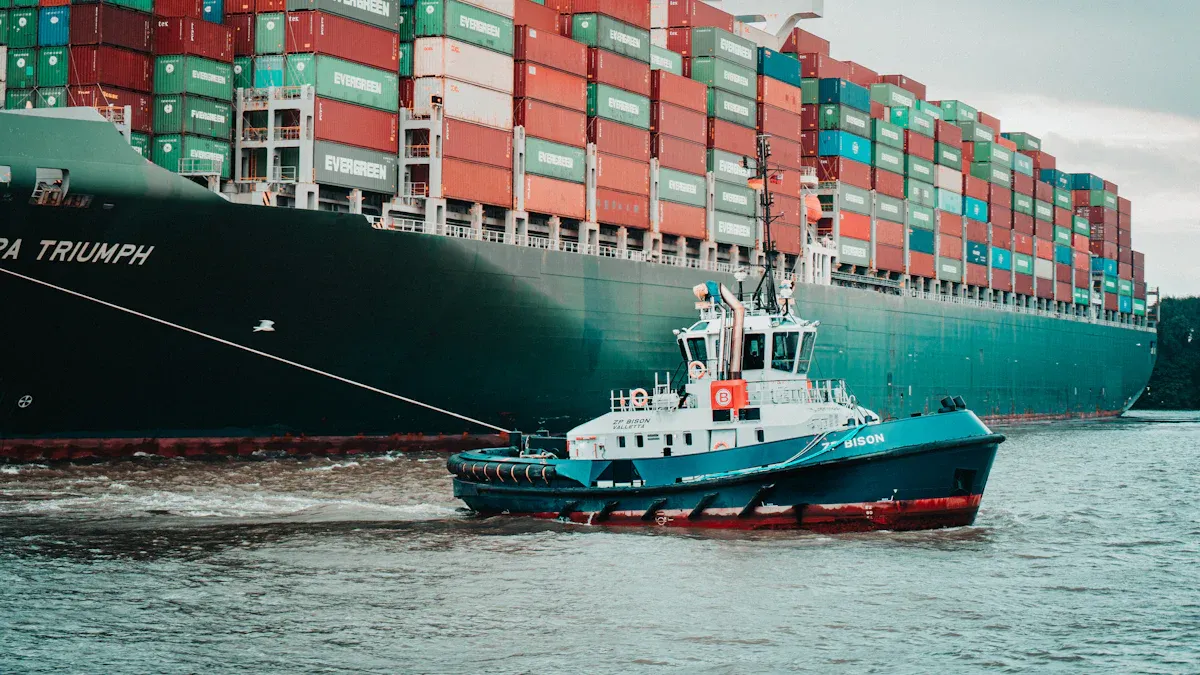
You face new challenges in building a strong and efficient Supply Chain Layout. Today, over 90% of manufacturing executives focus on regional supply chain strategies.
Almost 90% of supply chain leaders worldwide plan to localize more in the next three years.
Nearly two-thirds of manufacturers now use a 'power-of-two' strategy, sourcing from two regions.
Example | Description |
|---|---|
Companies rethink operations because global risks grow due to the pandemic and new tensions. | |
Semiconductor Shortages | Car makers struggle as chip shortages push them to source parts closer to home. |
War in Ukraine | Conflict disrupts rare earth metal supplies, showing the need for regional sourcing. |
Inflation and Labor Challenges | Higher costs and tough labor markets push manufacturers to regionalize. |
You can use these insights to build a supply chain that stands strong in uncertain times.
Key Takeaways
Regionalization helps you build a resilient supply chain that can handle global disruptions. Focus on local suppliers to reduce risks and respond quickly to challenges.
By moving production closer to customers, you can cut shipping costs and improve efficiency. This approach allows for faster delivery and better service.
Sustainability is enhanced through regional supply chains. Local production reduces transportation emissions and supports job growth in your community.
Use technology like AI and automation to improve your supply chain. These tools help track goods, predict demand, and streamline operations.
Plan for a transition to regionalization that may take four to five years. Set clear goals, involve your team, and regularly assess your progress.
Why Regionalization Matters

Resilience Benefits
You need a supply chain that can handle shocks and surprises. The COVID-19 pandemic showed how global supply chains can break down. Many companies now choose regionalization to reduce risk. After the pandemic, 92% of companies moved production closer to their main markets. You can see this shift in how 81% of supply chain leaders plan to use more than one source for raw materials. By working with suppliers in your region, you lower the chance of big disruptions. When you keep your supply chain local, you can react faster to problems like factory shutdowns or shipping delays.
Tip: Regionalization helps you build a supply chain that stands strong during global crises.
Efficiency Gains
Regionalization can make your supply chain faster and more cost-effective. When you produce goods closer to your customers, you cut down on shipping time and costs. You also avoid many risks linked to overseas production, such as tariffs and trade restrictions. Companies that use regional supply chains can adjust quickly to changes in local demand. This approach lets you save money and serve your customers better.
Regional supply chains improve responsiveness.
You can tailor products to local needs.
You reduce the risk of delays and extra costs.
Sustainability Impact
You help the environment when you choose regionalization. Local production means fewer trucks, ships, and planes moving goods long distances. This reduces your carbon footprint. A recent survey found that 70% of companies plan to use regional supply chains by 2028 to stay strong against global disruptions. By focusing on local suppliers and factories, you also support jobs and growth in your area.
Reason | Description |
|---|---|
Enhancing Flexibility | You can adapt quickly to changes in demand and supply conditions. |
Reducing Costs | Shorter supply chains lower transportation and operational costs. |
Improving Environmental Sustainability | Local production cuts the carbon footprint from shipping. |
Strengthening Local Economies | You boost job creation and economic growth in your region. |
Supply Chain Layout Challenges
Globalization Limitations
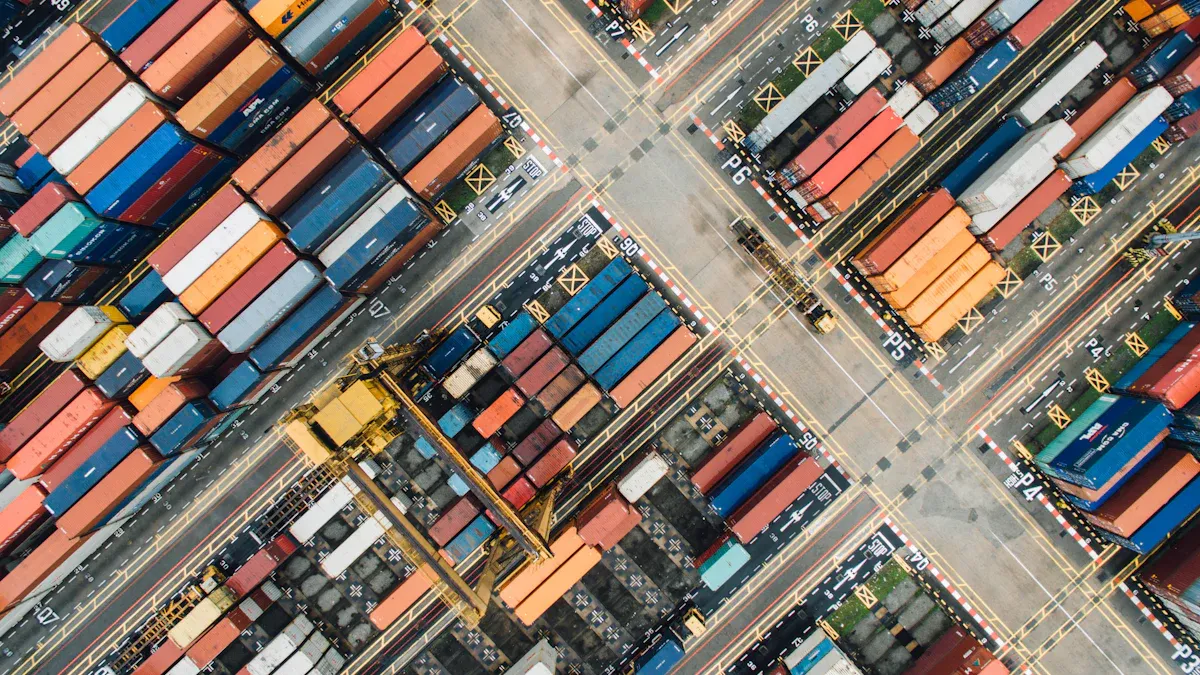
You may think that a global supply chain gives you more options, but it also brings many problems. When you work with suppliers in many countries, you face more moving parts and harder coordination. Here are some common issues you might see:
Increased complexity makes it tough to manage every step.
Disruptions can happen anywhere in the world and affect your whole chain.
Quality control becomes harder when you outsource to distant factories.
Transportation costs rise with long shipping routes and changing fuel prices.
Different countries have their own rules, making compliance tricky.
Tracking goods across borders can lower your visibility and transparency.
Note: These problems can slow you down and make it harder to deliver products on time.
Disruption Risks
You face many risks that can stop your supply chain. In recent years, several big events have shown how fragile global supply chains can be:
The Covid-19 pandemic closed factories and blocked trade.
The Suez Canal blockage delayed shipments worldwide.
The Russia-Ukraine war limited access to key metals.
Drought in the Panama Canal changed shipping routes.
Labor strikes, like the UAW strike, caused huge losses.
Natural disasters, such as floods and hurricanes, stopped production.
Geopolitical issues and trade policies changed supply routes.
Labor shortages made it hard to keep up with demand.
Sudden changes in what customers want forced quick adjustments.
You need to plan for these risks to keep your supply chain running.
Cost and Complexity
You might save money by sourcing from low-cost countries, but you also add more complexity and risk. Global supply chains often have long lead times and more chances for disruption. Regional supply chains can cost more at first, but they help you react faster and keep things simple. When you move production closer to your customers, you lower the amount of inventory in transit and talk more easily with suppliers. Many leaders now see that balancing cost with reliability is key to solving supply chain challenges.
Tip: A simpler, regional supply chain can help you avoid delays and improve service, even if setup costs are higher.
Supply Chain Network Design Trends
Regional Network Transformation
You see a big change in supply chain network design. Companies now move factories and suppliers closer to their main markets. This shift helps you react faster to problems and meet local needs.
New research from BCI Global and Supply Chain Media shows that companies are not just talking about moving manufacturing capacity to their region, but are actually doing it. The main reasons are better resilience and agility, but sustainability also plays a role.
You can build a stronger supply chain network design by focusing on regional hubs. This approach lets you serve customers quickly and keep your business running during global disruptions.
Reshoring and Localization
You notice more companies bringing production back home. This trend, called reshoring, helps you avoid long shipping times and global risks. Many manufacturers now use local suppliers and shorter supply chains. National policies also support this move, making it easier for you to set up local operations.
Evidence Description | Source |
|---|---|
Manufacturers are increasingly relying on local suppliers and shortening their supply chains, indicating a shift towards localization. | Nujen et al. (2019) |
National policies are supporting the repopulation of manufacturing industries, facilitating local supply chain formation. | van Assche (2018) |
The Covid-19 pandemic is influencing firms' strategies towards reshoring and local supply chains. | Analysis of recent trends |
Firms are moving away from global sourcing to local and pancontinental value chains to enhance market proximity. | Chen & Lombaerde (2019) |
Adoption of labor-substituting technologies is enabling firms to restructure their global value chains, favoring local operations. | Ancarani & Di Mauro (2018) |
You can see that supply chain network design now focuses on market proximity and flexibility.
Technology and AI
You use technology to make your supply chain network design smarter. Artificial intelligence helps you track goods in real time and spot problems before they grow. AI tools can predict demand, improve planning, and save money.
AI analyzes large data sets to improve logistics networks.
It gives you real-time tracking and better visibility.
AI finds bottlenecks and helps you fix them fast.
Intelligent systems predict equipment issues, so you avoid downtime.
AI improves demand forecasting by using many data signals.
You can use these tools to build a supply chain network design that is fast, flexible, and ready for the future.
Regionalization Strategies
Network Redesign
You need to rethink your supply chain layout to fit new regional goals. Companies now focus on localization, nearshoring, and reshoring. These steps help you meet local rules and cut transport times. You gain more control over high-value products when you bring production closer to home.
Localization adapts your supply chain layout to local needs.
Nearshoring reduces lead times and makes transport more reliable.
Reshoring gives you better control and helps with compliance.
Nearshoring and reshoring are not just about moving factories. You must design your supply chain layout to connect sourcing, transportation, technology, and supplier networks.
You can follow these steps to redesign your network:
Move suppliers closer to your main markets.
Use dual sourcing and modular designs to keep your supply chain layout flexible.
You face a challenge when you balance cost and speed. You want to save money, but you also need to react fast to market changes. You must plan for a transition that can take four to five years. This process needs careful design and strong leadership.
Local Supplier Collaboration
You build a strong supply chain layout when you work with local suppliers. You start by researching the market to find good partners. You check their credentials and see if they can meet your needs. You ask trusted contacts for referrals. You use technology to make supplier selection and management easier.
Research the market for local suppliers.
Check supplier credentials and capabilities.
Ask your network for trusted referrals.
Match suppliers to your specific needs.
Use analytics and automation to manage suppliers.
You create better relationships when you talk often and share goals. You help suppliers grow by sharing knowledge and tools. You can use digital platforms to track orders and solve problems quickly. This approach makes your supply chain layout more reliable and flexible.
Risk Management
You protect your supply chain layout by managing risks. You spread your orders across many suppliers. You source from regions close to your main markets. You keep extra inventory for key products. You watch supplier performance and check for problems. You run simulations to prepare for worst-case scenarios. You review risks often to stay ahead of new threats.
Diversify suppliers to lower risk.
Use nearshoring and regional redundancy for better reliability.
Keep inventory buffers for critical items.
Monitor vendors for compliance and performance.
Model worst-case scenarios to prepare for disruptions.
Conduct regular risk assessments to find new vulnerabilities.
You build a supply chain layout that can handle shocks and keep products moving. You stay ready for changes in demand, weather, or global events.
Sustainability Integration
You make your supply chain layout greener by using smart technology and local rules. In Shanghai, companies cut energy waste by 25% with smart tech. Shenzhen lowered energy use in new buildings by 22% with strict green codes. China’s Green Credit System rewards businesses that choose eco-friendly options.
Invest in smart technology to reduce energy waste.
Follow green building codes to lower energy use.
Use credit systems to support sustainable practices.
You measure success by tracking energy savings and lower emissions. You help your region grow while protecting the environment. You show customers and partners that you care about sustainability.
Tip: You can combine digital transformation with local partnerships to make your supply chain layout strong, flexible, and green. Plan for a transition period of four to five years. This change takes time, but it builds a better future for your business.
Industry Case Studies
Automotive
You can see how regionalization shapes the automotive industry in many parts of the world. Companies and governments work together to build strong local networks. The table below shows some important examples:
Region | Notable Case Study | Key Features |
|---|---|---|
ASEAN | ASEAN Industrial Cooperation (AICO) scheme | Firms in different ASEAN countries form arrangements for tariff benefits. Established in 1996. |
Mercosur | Brazilian automotive industry over Argentina | Shows political challenges in trade integration and agglomeration advantages. |
Sub-Saharan Africa | Regional integration and value chains in the automotive industry | Focuses on building regional value chains with support from multinational firms. |
These examples show that you can use regional agreements to lower costs and improve supply chain stability. You also learn that political factors can affect how well regionalization works.
Consumer Goods
You notice that consumer goods companies move production closer to their main markets. This helps you respond faster to changes in demand. Many brands now use local suppliers to reduce shipping times and avoid global disruptions. You can see this trend in food, clothing, and electronics. Companies often set up regional hubs to serve customers better and keep shelves stocked. When you use local resources, you also support jobs in your community.
Tip: Regionalization in consumer goods helps you deliver products quickly and meet local preferences.
Healthcare
You face unique challenges in healthcare supply chains. During the COVID-19 pandemic, 60% of healthcare organizations regionalized their supply chains to solve delays and shortages. You benefit when production moves closer to the U.S. market because delivery times and transportation costs drop. Medical practices restock supplies like PPE faster from North American factories.
GE Appliances secured suppliers in both the U.S. and Mexico. This strategy helped you reduce risks and encouraged innovation.
The company increased reliance on North American suppliers. Dual sourcing for critical components improved responsiveness and cut lead times.
You see that regionalization makes healthcare supply chains more reliable. You can respond quickly to emergencies and keep essential items available for patients.
Transitioning to Regionalization
Assessment and Planning
You start your journey to regionalization by looking closely at your current supply chain. You gather data about suppliers, production sites, and transportation routes. You identify which parts of your supply chain face the most risk. You set clear goals for what you want to achieve, such as faster delivery or lower costs. You build a roadmap that shows each step you need to take. You estimate how long the transition will take and what resources you need. You talk with your team to make sure everyone understands the plan. You check local regulations and market trends to avoid surprises.
Tip: Use simple checklists to track your progress and keep your team focused.
Change Management
You guide your team through change by using proven strategies. You know that clear communication helps everyone stay informed and confident. You talk with your team often and answer questions quickly. You involve key people early so they feel part of the process. You set up training programs to teach new skills and fill gaps. You encourage your team to try new ideas and learn from mistakes. You build a culture that supports innovation and improvement.
Communicate clearly and frequently with your team.
Engage stakeholders early and often in the process.
Develop a comprehensive training program for new skills.
Create a supportive culture that welcomes change.
You help your team adapt to new ways of working. You celebrate small wins to keep morale high. You listen to feedback and adjust your approach when needed.
Measuring Success
You measure your progress using clear metrics. You look at how many CEOs and COOs move operations closer to home. This number grew from 63% in 2022 to 81% in 2023. You check how many executives invest in regional strategies. Today, 64% report active investments in reshoring and near-shoring. You also track how flexible your supplier relationships become. More supplier options mean you can handle disruptions better.
Metric/Factor | Description |
|---|---|
Percentage of CEOs/COOs relocating | Increased from 63% in 2022 to 81% in 2023, showing a strong trend towards regionalization. |
Active investment in regional strategies | 64% of executives report active investments in reshoring, near-shoring, and split-shoring. |
Flexibility in supplier relationships | Multiple supplier relationships boost resilience and responsiveness to disruptions. |
Note: Regularly review these metrics to see how well your regionalization plan works. Adjust your strategy as you learn what brings the best results.
Future of Supply Chain Layout
Automation and AI
You see automation and AI changing how supply chains work. These technologies help you make smarter decisions and manage inventory better. Automation speeds up warehouse tasks and reduces mistakes. AI predicts demand and helps you plan for busy seasons. Many companies move production activities back to europe to use advanced robotics and AI tools. You notice that automation makes regional manufacturing more competitive. American companies use AI to customize products faster and cut costs. Nearshoring becomes easier when you use smart machines. You can adapt quickly to changes in the market. In asia, transportation executives expect more freight to shift to nearby regions by 2025. This shift shows how automation and AI support flexible supply chains.
Automation improves efficiency and lowers costs.
AI helps you track goods and spot problems early.
Smart systems make it easier to change production plans.
Automation and AI give you the tools to build a strong supply chain for the future.
Regulatory Trends
You must follow new rules as supply chains become more regional. In europe, strict data protection laws like GDPR shape how you handle information. Trade agreements in europe affect how you move goods between countries. You need to keep up with changes in technology standards and cybersecurity. The table below shows some important trends:
Regulatory Trend | Description |
|---|---|
Compliance with regional regulations | You must follow rules like GDPR in europe to protect data. |
Influence of regional trade agreements | Trade deals in europe change how you plan your supply chain. |
Adaptation to technological advancements | You need to meet new standards for technology and cybersecurity in europe. |
You see that regionalization can save money. New Jersey’s school regionalization program saved districts over $50 million in ten years. In healthcare, regulators in europe work to create rules for AI and digital health tools. These changes help you improve patient care and keep data safe.
Circular Models
You help the environment when you use circular supply chain models. These models let you recover and reuse products, parts, and materials. In europe, companies focus on protecting resources and cutting waste. Circular supply chains make your business flexible and cost-efficient. You see economic, social, and environmental benefits when you design processes for recovery. The table below shows how circular models work in europe:
Case Study | Key Findings | Economic Impact | Environmental Impact |
|---|---|---|---|
Automotive Parts Remanufacturing | Centralizing core management | 20% increase in CO2 emissions | |
White Goods Manufacturing | Centralizing end-of-life recovery | Financial savings up to 60% | Increased transportation and CO2 |
You notice that circular models secure resources and help you meet new rules in europe. You can add value and support local economies. The Zebra Warehousing Vision Study predicts a 26% increase in average warehouse size in europe by 2024. This growth shows that regional supply hubs are expanding. You see more companies boosting manufacturing capacity in europe to meet local demand. The shift from a global supply chain to regional hubs helps you respond faster and reduce risks.
Circular models and regionalization work together to build a sustainable future for supply chains in europe.
You gain many benefits when you regionalize your supply chain. You can react quickly to market changes and keep your supply chain strong. By moving production closer to customers, you streamline your supply chain and reduce costs. You also improve public perception and build customer loyalty.
Your supply chain adapts faster to demand.
You see better control and forecasting in your supply chain.
You strengthen relationships with local suppliers.
You should review your supply chain strategy now. The future will bring more changes, and your supply chain must stay ready for new challenges.
FAQ
What does regionalization mean in supply chains?
Regionalization means you move production and sourcing closer to your main markets. You work with local suppliers and factories. This helps you respond faster to changes and lowers risks from global disruptions.
How does regionalization help you save money?
You cut shipping costs and avoid tariffs when you use local suppliers. You also reduce delays and keep less inventory in transit. These changes help you manage your budget better.
Can technology improve your regional supply chain?
Yes! You use AI and automation to track goods, predict demand, and spot problems early. Smart tools help you plan better and make your supply chain more flexible.
Why is sustainability important in regional supply chains?
You protect the environment when you use local suppliers. Shorter transport routes mean less pollution. You also support jobs and growth in your community.
How long does it take to switch to a regional supply chain?
Most companies need four to five years to make the change. You must plan carefully, train your team, and build strong local partnerships.
See Also
Addressing Global Supply Chain Growth Challenges Effectively
Enhancing Supply Chain Strategies for Advanced Manufacturing
Understanding Cost Efficiency in Supply Chain Management
Mastering Lean Logistics for Success in Tech Manufacturing
Discover 5 Cutting-Edge Techniques for Supply Chain Efficiency