Boosting Supply Chain Resilience with Multi-Sourcing Tactics beyond traditional manufacturing hubs

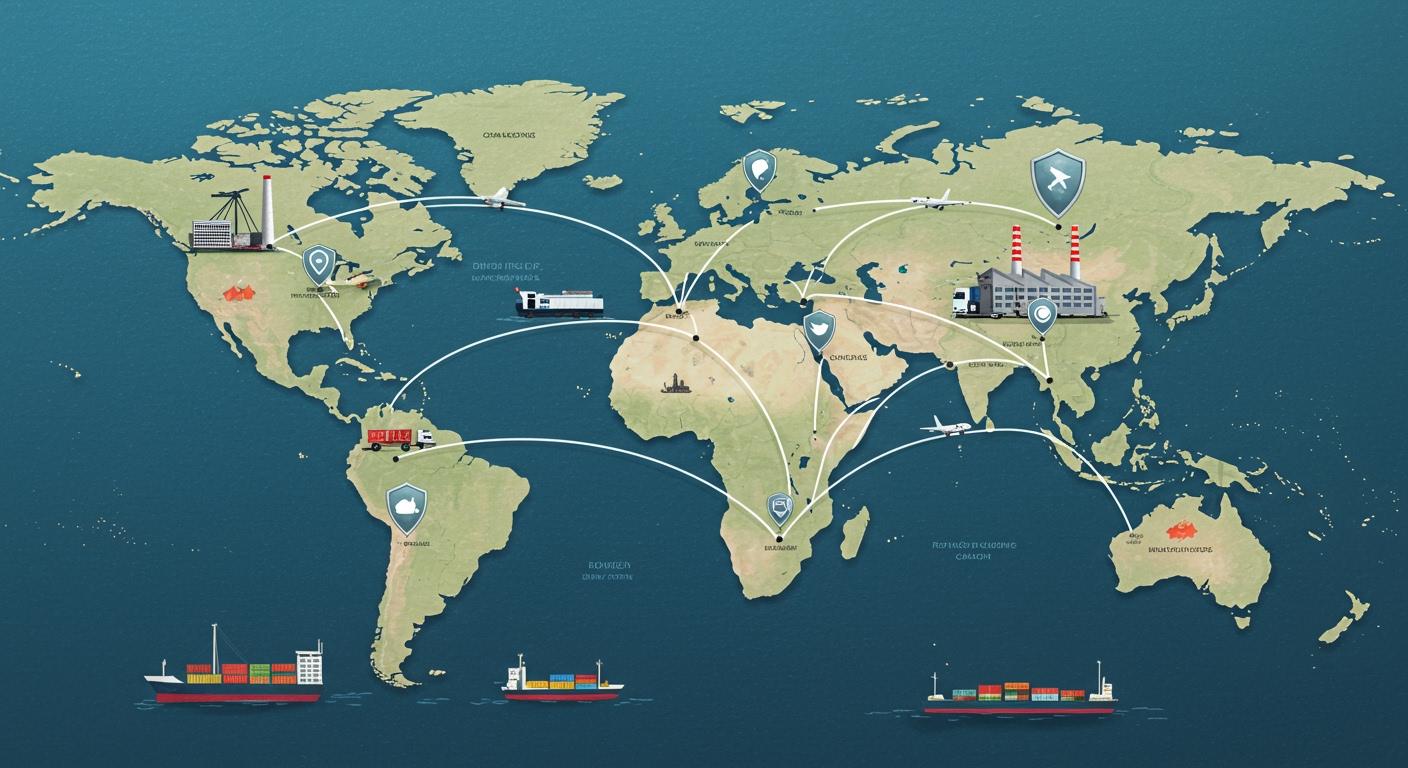
Multi-sourcing beyond traditional manufacturing hubs strengthens supply chain resilience by spreading risk and leveraging diverse capabilities. Recent global events have shown how disruptions in one region can trigger significant economic consequences:
Evidence Description | Impact |
|---|---|
Sectoral bottlenecks fueled U.S. inflation in 2021–2022 | High impact on inflation rates |
Pandemic lockdowns caused 25% of GDP decline via supply chain disruptions | Major economic decline |
Japan’s 2011 earthquake cut real GDP growth by 0.47 percentage points | Significant economic disruption |
U.S. manufacturing output dropped 1% due to supply chain ties to Japan | Negative impact on U.S. manufacturing |
Today, companies use advanced technologies like AI and IoT to assess and diversify suppliers, building agility and transparency. Businesses that turn to innovative partners such as JUSDA gain access to global networks and digital solutions, helping them address vulnerabilities and operate more efficiently.
Key Takeaways
Multi-sourcing reduces supply chain risks by diversifying suppliers and locations, helping companies avoid disruptions.
Using advanced technologies like AI and IoT enhances visibility and efficiency in supply chain management.
Regularly mapping dependencies and identifying weak links strengthens resilience against unexpected events.
Collaborating with suppliers through effective communication and joint risk management improves overall supply chain performance.
Leveraging government incentives and trade agreements can lower costs and enhance operational efficiency.
Traditional Hub Risks
Over-Concentration Issues
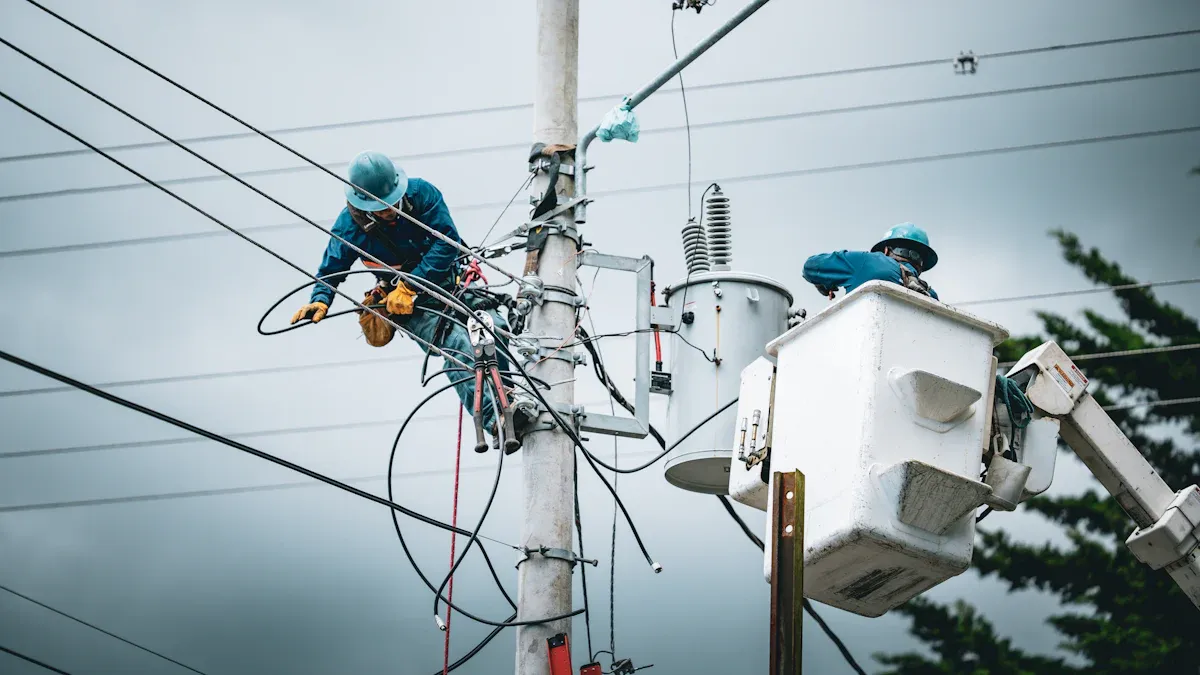
Many companies rely on traditional manufacturing hubs for their supply chain operations. This strategy often leads to over-concentration, which increases vulnerability to disruptions. Recent supply chain studies highlight several common risks:
Geographic concentration creates single points of failure. For example, during the pandemic, China supplied over half of the world’s surgical masks and 90% of certain active pharmaceutical ingredients.
Political instability can disrupt entire markets. The war in Ukraine affected global grain and energy supplies, causing ripple effects across supply chains.
Tech-centric hubs present unique risks. The global chip shortage exposed the dangers of depending on regions like Taiwan and South Korea for critical components.
Physical chokepoints such as the Suez Canal can halt global trade. The canal’s blockage demonstrated how one incident can impact shipments worldwide.
Hidden risks include supplier dependency, lack of flexibility, inventory illusions, and cybersecurity weaknesses.
Historical patterns show how concentration in specific regions has shaped economic outcomes. The following table illustrates these trends:
Time Period | Sector | Concentration Pattern | Consequence |
|---|---|---|---|
1900-1920 | Manufacturing | Increasing concentration | Economic vulnerabilities and shifts in employment patterns |
Last 20-30 years | Services | Increasing concentration | Economic vulnerabilities and shifts in employment patterns |
Recent decades | Manufacturing | De-concentration | Faster job growth in counties with small manufacturing employment |
Recent decades | Services | S-shaped growth pattern | Agglomeration economies in larger counties lead to concentration |
Disruption Triggers
Traditional hubs face a range of disruption triggers. Military conflicts, such as the Russia-Ukraine war, have caused major supply chain interruptions. Trade wars, including the U.S.-China dispute, have led to sudden changes in sourcing strategies. Worker strikes can halt production and delay shipments. Rising shipping costs put pressure on margins and delivery schedules. Natural disasters, like earthquakes and floods, damage infrastructure and disrupt operations. Cybersecurity threats expose vulnerabilities and can stop digital supply chain processes.
Companies must recognize these triggers to build supply chain resilience. Diversifying sourcing and adopting advanced risk management strategies help reduce exposure to these risks.
Supply Chain Resilience Benefits
Risk Mitigation
Multi-sourcing strategies help companies reduce exposure to disruptions. By working with several suppliers, businesses lower the risk of supply chain interruptions. The following table compares risk management between single and multiple sourcing:
Criteria | Single Sourcing | Multiple Sourcing |
|---|---|---|
Risk Management | Higher risk due to reliance on one supplier | |
Cost Efficiency | Potential for bulk discounts | Competitive pricing through supplier competition |
Supplier Relationships | Stronger, deeper partnerships | Broader but less personalized relationships |
JUSDA’s global network and digital platforms, such as JusLink and JUSDA ESG, enable companies to monitor risks in real time and collaborate with suppliers worldwide. Leading manufacturers have reported at least a 10% improvement in supply chain reliability after adopting multi-sourcing with JUSDA’s support.
Agility and Flexibility
Companies gain agility and flexibility by using multiple suppliers and regions. This approach allows them to respond quickly to market changes and unexpected events. Key benefits include:
Ability to adapt to changing customer preferences.
JUSDA’s JusLink platform provides real-time visibility and smart replenishment, helping businesses adjust operations rapidly. Customer stories show that JUSDA’s industry-specific expertise supports fast decision-making and efficient global expansion.
Cost and Efficiency
Multi-sourcing improves cost management and operational efficiency. Companies can compare prices across suppliers and negotiate better terms. The following table highlights measurable improvements:
Benefit Description | Measurable Improvement |
|---|---|
Supply chain reliability | |
Supplier relationships and operational flexibility | Up to 60% improvement |
Production efficiency gains | €25 to €50 billion |
Savings from reduced inventory buffers | €6 to €8 billion |
JUSDA’s digital solutions help clients optimize inventory and reduce costs. JusLink’s AI-driven features support demand forecasting and risk management, while JUSDA ESG ensures efficient global operations. Companies using JUSDA have achieved significant gains in efficiency and resilience.
Assessing Exposure
Mapping Dependencies
Companies must understand their supply chain structure to build true resilience. Mapping dependencies reveals where vulnerabilities exist and helps organizations prepare for disruptions. Effective mapping follows a structured approach:
Identify critical internal resources that support product or service delivery.
List direct suppliers for these essential items.
Extend the mapping beyond Tier 1 to uncover N-Tier supplier relationships.
Characterize each dependency and assess the risks involved.
Analyze single points of failure and estimate recovery times.
Evaluate external risks that could impact the supply chain.
Engage both internal teams and external partners to strengthen resilience.
Update the mapping regularly to reflect changes in the network.
This process gives companies a clear view of their supply chain landscape. It enables proactive risk management and supports informed decision-making.
Tip: Regularly updating supply chain maps ensures that organizations stay ahead of emerging risks and maintain operational continuity.
Identifying Weak Links
Weak links often emerge where companies least expect them. Rapid rebounds in retail sales can strain inventories, causing the inventory-to-sales ratio to drop sharply. Producers may struggle to adjust production schedules, leading to longer lead times and higher costs. Distributors face rising shipping costs and delays, which reduce overall efficiency.
Common weak links include:
Single-source procurement, which increases risk if a supplier fails.
Overreliance on long-distance suppliers, which exposes the supply chain to global disruptions.
Organizational structure issues, such as poor cross-functional collaboration or a lack of trained supply chain professionals.
Companies address these weak links by diversifying suppliers, seeking local or regional partners, and investing in skilled supply chain teams. These actions help strengthen supply chain resilience and reduce the impact of unexpected events.
Multi-Sourcing Strategies

Alternative Suppliers
Selecting the right alternative suppliers forms the backbone of a robust multi-sourcing strategy. Supply managers evaluate suppliers using a range of criteria to ensure reliability and alignment with business goals. These criteria include location, employee capabilities, cultural differences, cost structure, and financial stability. Each factor plays a vital role in determining whether a supplier can support consistent operations and adapt to changing demands.
Criteria | Description |
|---|---|
Quality | Experts evaluate suppliers based on quality measures. |
Delivery | Information is obtained by contacting suppliers regarding their delivery capabilities. |
Cost | Overall costs are calculated from supplier quotes. |
Performance History | Assessed through supplier websites and questionnaires from stakeholders. |
Production Capacity | Suppliers provide information when asked about their production capabilities. |
Location | Evaluates the geographical advantages and disadvantages of suppliers' locations. |
Employee Capabilities | Assesses workforce skills, turnover, and commitment to quality. |
Cultural Differences | Considers communication challenges due to cultural and language differences. |
Financial Stability | Evaluates the financial history and stability of suppliers. |
Environmental Compliance | Assesses commitment to environmental regulations and practices. |
Management Capability | Evaluates management qualifications and commitment to quality management. |
IT Capability | Considers the technological capabilities and willingness to invest in new technologies. |
Working Conditions | Evaluates health and safety practices and general working conditions. |
Quality Capabilities | Assesses quality assurance systems and ability to maintain quality consistency. |
Employee Turnover | Evaluates workforce stability and critical skills retention. |
Supplier Network | Considers the nature and extent of the supplier's own supplier network. |
JUSDA’s JusLink platform streamlines the supplier qualification process. Companies use JusLink to assess supplier capabilities, monitor compliance, and collaborate in real time. This digital approach reduces manual effort and improves decision-making speed. JusLink’s intelligent risk management tools help businesses identify the best partners and maintain high standards across their supplier network.
Tip: Regularly reviewing supplier performance and capabilities ensures that companies can quickly adapt to market changes and maintain supply chain resilience.
Regional Diversification
Regional diversification strengthens supply chains by spreading risk across multiple geographies. Companies that diversify sourcing locations reduce their exposure to disruptions caused by natural disasters, political instability, or regulatory changes. This approach also enables businesses to optimize costs and access new markets.
Benefit/Challenge | Description |
|---|---|
Improve Companies' Resilience | Diversification minimizes reliance on limited suppliers and helps manage disruptions. |
Reduce Potential Risks | Spreads sourcing across regions, mitigating risks from events like natural disasters or geopolitical issues. |
Optimize Business Costs | Enables negotiation of better deals and shifts production to lower-tariff regions. |
Expand Market Access | Facilitates easier access to local markets and adapts to market demands. |
Incentivize Innovation | Fosters innovation by collaborating with diverse suppliers. |
Higher Initial Costs | Requires significant resources and investments to establish multiple supplier relationships. |
Supply Chain Management Burden | Increases administrative complexity and requires industry expertise. |
Regulatory and Trade Barriers | Different regulations and tariffs can complicate operations. |
Inconsistent Quality Risks | Variability in standards among suppliers can affect product quality. |
JUSDA supports regional diversification with a global network of warehouses and logistics centers. In Vietnam, JUSDA operates over 110,000 square meters of warehousing space across key economic zones. The warehousing sector in Vietnam maintains a high occupancy rate, exceeding 70 percent in both the North and South Economic Zones. Companies benefit from strategic warehouse locations near demand centers, which enhances operational efficiency and reduces lead times.
JUSDA’s presence in China, Japan, India, the United States, and Mexico provides clients with access to a broad logistics network. This network allows businesses to shift inventory and production as needed, supporting rapid response to market changes. JUSDA’s advanced management systems, such as eVMI and JusLink, offer real-time inventory tracking and seamless collaboration between suppliers and buyers.
Note: Companies like Apple and Nike have successfully diversified their supply chains by expanding operations into regions such as Vietnam, India, North America, and Europe. This strategy has improved their delivery efficiency and reduced dependence on traditional manufacturing hubs.
JUSDA’s JusLink platform further enhances regional diversification by enabling real-time collaboration and transparent communication with suppliers worldwide. Businesses use JusLink to coordinate shipments, monitor inventory, and manage risks across multiple regions. This digital solution empowers companies to build agile, resilient supply chains that can withstand global disruptions.
Technology for Resilience
Real-Time Visibility
Modern supply chains rely on advanced technology to achieve real-time visibility. Companies use platforms like JUSDA’s JusLink to monitor every stage of their operations. JusLink integrates AI, IoT, and cloud computing to provide instant updates on inventory, shipments, and supplier performance. This transparency allows businesses to identify issues quickly and take corrective action.
The following table highlights key technologies that drive real-time visibility in supply chain management:
Technology | Description | Benefits |
|---|---|---|
Internet of Things (IoT) | Devices and sensors track product location and condition. | Optimizes delivery times and reduces inventory costs. |
Blockchain Technology | Secure, transparent tracking of transactions. | Reduces fraud and errors, improving efficiency. |
Cloud Computing | Stores and processes data for real-time analysis. | Enables fast decision-making and collaboration. |
Artificial Intelligence | Analyzes data to predict demand and optimize inventory. | Improves delivery times and identifies bottlenecks. |
Machine Learning | Recognizes patterns to enhance performance. | Boosts operational efficiency and decision-making. |
JUSDA’s use of IoT and big data consolidates information from all supply chain stages. Real-time data helps companies monitor shipments, predict delays, and prevent losses. Cloud computing supports collaboration and project management, making advanced systems accessible to businesses of all sizes.
JusLink’s AI-driven features improve risk management, demand forecasting, and supply chain transparency. Companies using AI-driven forecasting have reduced errors by up to 50% and lowered lost sales by 65%.
Dynamic Routing
Dynamic routing technology gives companies the flexibility to adjust logistics operations instantly. When disruptions occur, JusLink leverages real-time data to reroute shipments and update delivery schedules. This ensures that service levels remain high and costs stay under control.
Dynamic routing uses information from IoT devices and big data analytics to make quick decisions. Companies can respond to unexpected events, such as weather disruptions or traffic delays, without losing efficiency. This adaptability is a key factor in building supply chain resilience.
JUSDA’s digital solutions transform traditional supply chains into intelligent networks. These networks can quickly respond to changes in the business environment, reducing lead times and supply chain costs.
Inventory Optimization
Strategic Stock Levels
Setting the right stock levels is essential for efficient inventory management in a multi-sourcing environment. Companies that follow best practices can respond quickly to market changes and reduce the risk of shortages or excess inventory. The table below outlines proven methods for optimizing stock levels:
Description | |
|---|---|
Regularly Review and Adjust Inventory | Continuously analyze inventory levels and sales data to adapt to market changes and demand fluctuations. |
Collaborate with Suppliers | Maintain strong relationships with suppliers to anticipate disruptions and adjust orders proactively. |
Demand Forecasting | Utilize historical data to predict future inventory needs, reducing stockouts and improving planning. |
Supplier Collaboration for Better Lead Times | Engage in joint planning and real-time updates to enhance replenishment precision and responsiveness. |
JUSDA’s advanced warehousing solutions, such as eVMI and JusLink, support these best practices. These platforms provide real-time data and analytics, allowing companies to make informed decisions about inventory levels and supplier collaboration.
Tip: Companies that regularly review inventory and work closely with suppliers can better manage demand fluctuations and improve supply chain resilience.
VMI and Automation
Vendor Managed Inventory (VMI) and automation play a key role in modern inventory optimization. JUSDA’s eVMI and JusLink platforms offer several advantages:
VMI streamlines supply chain management, reducing lead times and ensuring essential equipment is always available.
Suppliers take charge of inventory monitoring, restocking, and order fulfillment, freeing up internal resources.
Automation minimizes the burden on procurement and logistics teams, allowing them to focus on strategic initiatives.
Real-time data sharing helps vendors make accurate inventory predictions and adjust for demand trends.
Advanced tracking systems reduce the risk of overstocking or shortages.
JUSDA’s value-added services, such as picking, packing, labeling, and kitting, further enhance inventory management. Companies that use these solutions gain greater transparency, efficiency, and control over their supply chains.
Supplier Collaboration
Communication
Effective supplier collaboration starts with clear and consistent communication. Companies that use advanced communication strategies build stronger relationships and improve supply chain performance. JUSDA’s collaborative platforms, such as JusLink, support real-time information sharing and project planning. These tools help teams coordinate across regions and time zones.
Strategy | Description |
|---|---|
Collaborative project planning and data platforms enable more efficient communication with partners. | |
Verbal, visual, and written communication | Real-time document collaboration and visuals enhance the approval process and training sessions. |
Communication technologies and platforms | Advanced technologies facilitate real-time information sharing and coordination in complex supply chains. |
Trust and transparency among partners | Open communication and mutual accountability build strong relationships and address issues swiftly. |
JUSDA’s multilingual capabilities allow teams to communicate with suppliers in their native languages. This reduces misunderstandings and speeds up decision-making. Open and transparent communication builds trust, which is essential for long-term partnerships.
Tip: Companies that invest in digital communication platforms and multilingual support see faster problem resolution and improved supplier engagement.
Joint Risk Management
Joint risk management strengthens supply chain resilience by enabling companies and suppliers to address challenges together. JUSDA’s platforms offer real-time data sharing and network-wide digital communication. These features help businesses and suppliers identify risks early and respond quickly.
Real-time monitoring scans for incidents and supports quick action.
Multilingual surveys engage a broader supplier base, improving data collection and insights.
AI-powered alerts notify organizations of emerging issues, enhancing proactive risk management.
Supplier relationship management tools enable responsive alignment and timely delivery.
Multi-tier collaboration increases visibility and minimizes stockouts.
JUSDA’s collaborative approach ensures that all partners stay informed and prepared. By working together, companies and suppliers can reduce disruptions and maintain steady operations.
Cost vs. Resilience
Total Cost of Ownership
Companies often focus on price when selecting suppliers, but the Total Cost of Ownership (TCO) model encourages a broader perspective. This approach considers risks, continuity, and long-term sustainability. Single sourcing can create vulnerabilities that disrupt operations and increase hidden costs. Multi-sourcing strategies, supported by JUSDA’s global network and digital platforms, help organizations manage risks and maintain steady supply. By leveraging advanced solutions like JusLink and JUSDA ESG, businesses can monitor supplier performance and optimize procurement. These tools enable companies to achieve favorable TCO outcomes while enhancing supply chain resilience.
Boston Consulting Group recommends integrating cost efficiency with resilience. Their 'cost of resilience' mindset guides companies to build adaptable supply networks that remain profitable in unpredictable environments.
Operational Complexity
Multi-sourcing introduces new layers of operational complexity. Companies must coordinate with multiple suppliers, manage diverse logistics channels, and ensure consistent quality. Recent industry analyses show that 86% of manufacturers have taken steps to de-risk their supply chains. By the end of 2023, 97% of global companies had reconfigured their supply networks to reduce exposure to disruptions.
Geographically diverse footprints ensure access to resources.
Redundant suppliers help mitigate risks.
Flexible sourcing and production allow adaptation to changes.
Following the pandemic, many organizations have regionalized their supply networks. Sourcing from suppliers closer to end markets reduces lead times and helps navigate protectionist measures. JUSDA’s digital platforms simplify these processes, offering real-time visibility and collaboration. JusLink’s AI-driven features support dynamic routing and risk management, making complex operations more manageable.
Strategy | Benefit |
|---|---|
Regional diversification | Faster response to market changes |
Supplier redundancy | Lower risk of supply interruptions |
Digital collaboration | Improved operational efficiency |
JUSDA’s expertise and technology empower companies to balance operational complexity with resilience, supporting sustainable growth in a changing global landscape.
Policy and Incentives
Trade Agreements
Trade agreements shape global supply chain strategies by opening new markets and reducing barriers. Recent changes have had a major impact on how companies manage their sourcing and logistics.
The shift from NAFTA to the USMCA has modernized trade practices. Companies now streamline operations across North America, taking advantage of updated rules and labor standards.
Brexit has changed traditional trade routes. Many businesses have faced higher operational costs and have reconfigured their supply networks to adapt.
Ongoing US-China trade negotiations have encouraged companies to diversify their supplier bases and explore new markets.
Free trade agreements often reduce or remove tariffs. This encourages companies to expand into foreign markets and offer a wider range of products at lower costs. As a result, supply chains become more flexible and competitive.
JUSDA’s global network and expertise help businesses navigate these evolving trade landscapes. The company supports clients in adapting to new regulations and optimizing their supply chain strategies.
Local Support
Governments around the world offer incentives to attract investment and support supply chain diversification. These incentives can lower costs and improve operational efficiency. The table below highlights common types of government incentives:
Type of Incentive | Description |
|---|---|
Trade and Customs | Duty exemptions and free trade agreements |
Indirect, Value-Added Taxes (VAT) | Tax exemptions, refunds, and incentives on imported equipment |
Cash Benefits | Direct grants, forgivable loans, and refunds |
Workforce Development | Training grants and withholding refunds |
Infrastructure Optimization | Grants and in-kind improvements |
Property and Land Tax Incentives | Tax exemptions and favorable property valuations |
Tax Incentives | Tax holidays, reduced rates, and credits for investment and job creation |
Sustainability | Tax deductions and credits for renewable energy investments |
Adjustments to trade policy require companies to update their customs compliance strategies. JUSDA’s expertise in customs and compliance helps clients take full advantage of available incentives. The company’s professionals work closely with supply chain teams to ensure smooth operations and regulatory compliance.
Tip: Companies that leverage government incentives and partner with experienced providers like JUSDA can reduce costs and strengthen their global supply chains.
Multi-sourcing and digital transformation play a vital role in building supply chain resilience. Companies like JD.com show that using resilience indicators and digital tools helps managers spot weaknesses and improve strategies. Digital transformation increases transparency and power, especially in industries with strict regulations. JUSDA’s global network and advanced technology platforms support businesses during uncertainty.
Technology | Contribution to Supply Chain Management |
|---|---|
AI/ML & Big Data | Demand forecasting, inventory optimization, scenario-based decisions. |
Blockchain | End-to-end visibility, trust, secure and transparent cross-border transactions. |
Automation & Robotics | Streamlined logistics, reduced error, scalable responsiveness. |
Industry 5.0 | Adaptability, real-time insights, advanced manufacturing. |
Advanced technologies drive digital supply chain management.
New ways to share supply chain information continue to emerge.
Companies should take proactive steps to diversify sourcing and partner with innovators like JUSDA.

JUSDA Solutions
To provide you with professional solutions and quotations.
FAQ
What industries does JUSDA serve?
JUSDA supports industries such as electronics manufacturing, 3C home appliances, FMCG, automotive, new energy, medical health, heavy equipment, and bulk materials. The company tailors supply chain solutions to meet the unique needs of each sector.
How does JusLink improve supply chain visibility?
JusLink uses AI, IoT, and cloud computing to provide real-time updates on inventory, shipments, and supplier performance. This technology helps companies monitor their supply chains and respond quickly to disruptions.
What are the advantages of JUSDA’s warehousing solutions in Vietnam?
JUSDA Vietnam offers over 110,000 square meters of storage, advanced inventory management systems like eVMI and JusLink, and value-added services such as picking, packing, and labeling. These features ensure transparency, efficiency, and control.
How does JUSDA help companies manage supply chain risks?
JUSDA provides digital platforms like JusLink and JUSDA ESG for real-time risk monitoring, demand forecasting, and supplier collaboration. These tools help companies identify risks early and maintain steady operations.
Can JUSDA assist with customs and compliance?
JUSDA’s global network and expertise in customs and compliance help clients navigate regulations and leverage government incentives. The company ensures smooth cross-border operations and regulatory adherence.
See Also
Be Ready: JUSDA Strategies for Strong Supply Chain Resilience
Addressing Global Supply Chain Growth Issues Effectively
A Green Strategy for Managing Supply Chain Threats
Boosting Supply Chain Efficiency Through Cloud Innovations
JUSDA: Your Journey Towards Supply Chain Strength and Success