Balancing Cost and Resilience: How Proven Supply Chain Strategies from Recent Disruptions Are Shaping the New Industry Standard

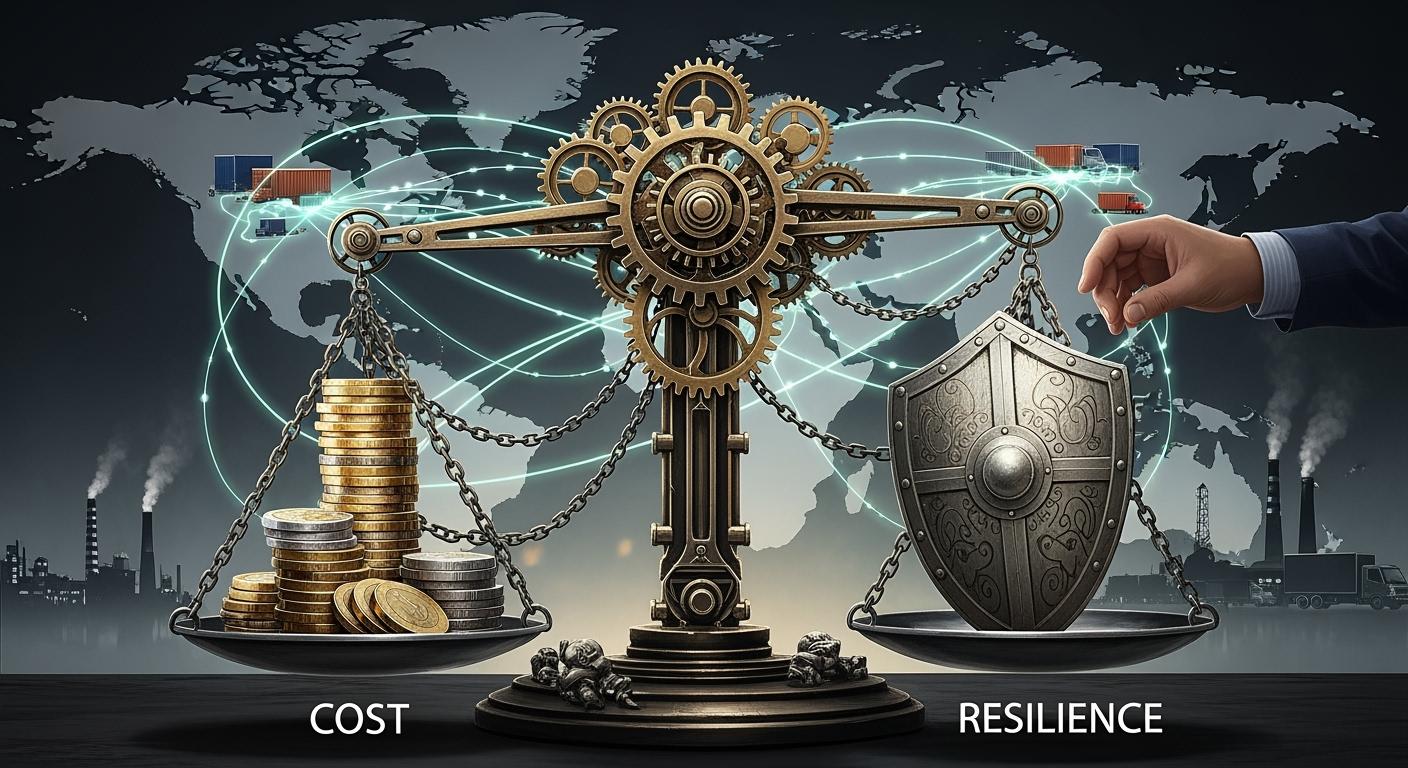
Companies face mounting pressure to balance cost efficiency with robust supply chain resilience. Recent years have seen a 38% surge in global supply chain disruptions, causing significant financial strain. The COVID-19 pandemic and ongoing geopolitical tensions exposed vulnerabilities in traditional models, driving a shift toward resilience and flexibility. Digital transformation, supplier diversification, and advanced AI technologies now set the new standard. JUSDA leads this evolution, delivering intelligent solutions that empower firms to adapt and thrive in a dynamic global environment.
Key Takeaways
Balancing cost and resilience is crucial for supply chains. Companies that focus solely on cost may face vulnerabilities during disruptions.
Supplier diversification reduces risks. Relying on multiple suppliers and regions helps companies adapt to unexpected challenges.
Digital transformation enhances visibility. Implementing real-time tracking systems improves decision-making and operational efficiency.
Collaboration with partners strengthens resilience. Open communication and shared information help organizations respond effectively to disruptions.
Regular scenario planning prepares companies for the unexpected. Simulating disruptions allows organizations to identify weaknesses and improve recovery strategies.
Cost vs. Resilience in Supply Chains
Defining Efficiency and Resilience
Supply chain leaders often discuss efficiency and resilience, but these terms carry different meanings in practice. Efficiency focuses on minimizing costs, reducing waste, and streamlining operations. Companies aim to deliver products quickly and at the lowest possible expense. In contrast, resilience describes a supply chain’s ability to adapt and recover from unexpected disruptions. Academic and industry literature highlights several core elements of resilience:
A focus event, such as a disruption or crisis
Adaptive response or framing to address the event
Speed in reacting to and recovering from the disruption
Maintaining or restoring performance levels
Note: There is no single definition of supply chain resilience. Experts agree that it involves both the ability to withstand shocks and to recover quickly, ensuring business continuity.
Why Balance Matters During Disruptions
Balancing cost and resilience has become a critical challenge for modern supply chains. Companies that focus only on cost efficiency may leave themselves vulnerable when disruptions occur. Financial markets often react more strongly to catastrophic events than to manageable supply-side issues. Frequent, low-impact disruptions can erode shareholder value over time. Firms with operational slack and higher inventory levels tend to experience less negative impact during crises. Disruptions can cause lost sales, higher costs from emergency logistics, and decreased profitability.
A balanced approach helps companies protect their value and maintain customer trust. Supply chain resilience enables organizations to adapt, recover, and continue operations even when faced with unexpected challenges. This balance supports long-term growth and stability.
Supply Chain Resilience: Lessons from Recent Events

COVID-19 and Geopolitical Shocks
The past few years have tested global supply chains like never before. COVID-19 and geopolitical tensions, such as the Russia-Ukraine conflict, created a series of disruptions that rippled through every industry. Companies faced sudden border closures, labor shortages, and port congestion. These events halted the movement of goods, reduced manufacturing output, and caused shipping delays. Shifts in consumer demand led to stockouts of essentials and excess inventory of other products.
Disruption Type | Impact on Supply Chain |
|---|---|
Border Closures | Halted cross-border movement of goods |
Labor Shortages | Reduced output in manufacturing/logistics |
Port Congestion | Shipping delays, backlog of cargo |
Shift in Demand | Stockouts of essentials, excess of others |
Industries such as energy, agriculture, and transportation experienced unique challenges. Gas price hikes and reduced industrial output affected energy. Grain export disruptions and rising food prices hit agriculture. Transportation delays forced companies to reroute trade flows. These disruptions led to trade contraction, inflation, and GDP slowdowns worldwide. Many countries saw persistent inflation due to commodity shortages and increased energy costs.
JUSDA supported global manufacturers during these turbulent times. The company leveraged its digital supply chain platform to provide real-time transparency and efficient logistics management. JUSDA’s network and technology helped clients navigate customs differences, manage inventory, and maintain supply chain resilience across regions.
Key Takeaways for Modern Supply Chains
Recent events have taught supply chain leaders several important lessons:
Data-driven decision-making improves demand forecasting and inventory management.
Supply chain diversification reduces dependency on single suppliers.
Digital transformation and automation increase efficiency and visibility.
Collaboration and strong partner relationships enhance resilience.
JUSDA’s experience highlights the value of intelligent solutions and global collaboration. Companies that invest in supply chain resilience can adapt quickly, protect their operations, and maintain customer trust during disruptions.
Proven Strategies for Resilience
Supplier Diversification
Supplier diversification stands as a cornerstone of modern supply chain resilience. Companies that rely on a single supplier or region face higher risks during disruptions. By spreading sourcing across multiple suppliers and geographies, organizations can reduce the impact of localized shocks. This approach not only spreads risk but also encourages innovation and provides more options when challenges arise.
Recent studies highlight that supplier diversification is essential for creating a resilient and cost-effective supply chain. After the COVID-19 pandemic, many industries, including automotive and pharmaceuticals, adopted diversification to mitigate risks and buffer against disruptive events. However, this strategy introduces trade-offs. Managing a broader supplier base increases coordination complexity and may raise short-term costs. Leading companies like Apple, Toyota, and Unilever have demonstrated that diversification shields against systemic shocks and, when paired with digital tools, enhances overall resilience while balancing cost and risk.
Companies that diversify suppliers often achieve greater flexibility and can respond faster to market changes, but they must invest in robust management systems to handle increased complexity.
Digitalization and Real-Time Visibility (JUSDA JusLink)
Digitalization transforms supply chain operations by providing real-time visibility and data-driven decision-making. JUSDA’s JusLink platform exemplifies this shift. JusLink connects partners across the supply chain, enabling end-to-end visual management and real-time tracking of inventory and shipments. This transparency reduces communication delays and operational costs.
Organizations that implement real-time visibility platforms experience measurable benefits:
Enhanced customer satisfaction through accurate ETAs and shipment tracking.
Improved reaction times, allowing immediate action during disruptions.
Cost reduction by optimizing transportation and reducing unnecessary expenses.
Stronger relationships among stakeholders due to transparent information sharing.
JusLink leverages advanced technologies such as IoT, RFID, and WMS to automate processes, improve accuracy, and provide dynamic inventory management. Industry leaders report that real-time visibility can improve on-time delivery performance by up to 25%, increase inventory turns by 30%, and reduce logistics costs by as much as 20% in the first year. Stockouts decrease, emergency shipping costs drop, and inventory carrying costs fall, all contributing to a more resilient and efficient supply chain.
Inventory Buffering and Warehousing (JUSDA Warehouse)
Inventory buffering and strategic warehousing play a vital role in supply chain resilience. JUSDA’s global warehouse network, including advanced facilities in Vietnam, China, and other regions, supports clients with over 2.5 million square meters of storage space. These warehouses use state-of-the-art management systems like eVMI and JusLink for real-time inventory tracking and control.
By maintaining safety stock and leveraging cloud warehousing, companies can absorb shocks from demand fluctuations or supply interruptions. JUSDA’s warehousing solutions offer value-added services such as picking, packing, labeling, and kitting, which streamline logistics and reduce lead times. The integration of real-time data sharing and strategic collaboration between suppliers and buyers ensures transparency and efficiency.
While holding extra inventory increases short-term costs, it provides a critical buffer during disruptions, helping companies avoid lost sales and emergency logistics expenses.
Collaborative Partnerships
Collaboration with partners strengthens supply chain resilience by fostering trust, flexibility, and shared risk management. JUSDA’s approach emphasizes open communication and real-time information sharing, supported by digital platforms. Effective partnerships enable companies to anticipate issues, coordinate responses, and innovate together.
Key Factor | Description |
|---|---|
Trust | Enables open communication and timely decision-making during disruptions. |
Flexibility | Allows quick adjustments to changing conditions through resource sharing and collaboration. |
Information Sharing | Provides real-time data for anticipating and addressing potential issues. |
Leadership | Fosters a collaborative culture and long-term relationships. |
Risk Management | Supports proactive risk identification and joint contingency planning. |
Organizational Culture | Encourages cooperation and shared goals for successful partnerships. |
Collaborative partnerships, supported by platforms like JusLink, help companies build a culture of resilience and adaptability.
Scenario Planning and Stress Testing
Scenario planning and stress testing prepare organizations for unexpected events by simulating disruptions and evaluating response strategies. JUSDA integrates advanced technologies, including AI and big data analytics, to support these practices. Engaging cross-functional teams, using simulation models, and regularly updating plans enable companies to identify vulnerabilities and strengthen weak points.
Best practices include:
Involving diverse teams for comprehensive insights.
Leveraging simulation modeling and machine learning.
Regularly updating scenarios to reflect new risks.
Documenting and communicating findings to all stakeholders.
Promoting a risk-aware culture throughout the organization.
Companies that conduct regular scenario planning and stress tests recover faster and reduce losses during disruptions. For example, a consumer electronics company improved adaptability and service levels by developing scenarios for natural disasters and pandemics, then implementing flexible manufacturing systems based on simulation results.
Scenario planning, backup suppliers, and quick-response playbooks keep teams ready for disruptions, ensuring faster recovery and minimized losses.
Balancing Cost and Resilience: Real-World Impact
Every resilience strategy involves trade-offs. Investments in supplier diversification, digitalization, and inventory buffering may increase short-term costs. However, these investments protect against disruptions, reduce long-term losses, and support sustainable growth. Companies that adopt a holistic approach—combining diversified suppliers, safety stock, and digital tools—achieve both resilience and efficiency. The shift from just-in-time to just-in-case inventory strategies reflects a broader recognition of the need for robust supply chain resilience in today’s volatile environment.
Practical Frameworks for Balancing Cost and Resilience
Decision Matrices and Risk Assessment
Organizations seeking to balance cost and resilience in their supply chains rely on structured decision tools. These frameworks help leaders identify vulnerabilities, prioritize risks, and allocate resources effectively. Two widely used tools include the Risk Matrix and Failure Mode and Effects Analysis (FMEA).
Tool | Description |
|---|---|
Risk Matrix | Plots risks on a grid based on severity and probability, focusing attention on high-impact risks. |
Failure Mode and Effects Analysis (FMEA) | Identifies potential failure points, assigns a risk priority number, and helps prioritize corrective actions. |
Supply chain managers use these tools to visualize risk exposure and guide mitigation strategies. JUSDA’s Supply Chain Management Collaboration Platform integrates real-time data and predictive analytics, enhancing forecasting accuracy and supply chain agility. Automated alerts for anomaly detection enable prompt responses to emerging risks. A proactive risk management culture supports early identification and mitigation of potential threats.
Tip: Real-time monitoring and data-driven decision-making empower organizations to detect deviations early and respond with agility.
Leading companies also use vendor risk matrices to focus on high-risk suppliers. Strategic partnerships and collaboration with suppliers further strengthen resilience. JUSDA’s platform facilitates seamless information sharing, enabling businesses to adapt swiftly to market changes.
Implementation Steps for Enterprises
Enterprises aiming to enhance both cost efficiency and resilience should follow a structured approach. The following steps outline a practical framework for implementation:
Digital Transformation: Integrate advanced digital tools, such as JUSDA’s JusLink platform, to improve supply chain processes and visibility.
Leadership Development: Address leadership gaps to strengthen decision-making and strategic execution across the organization.
Collaboration with Vendors: Foster strong partnerships with suppliers to enhance flexibility and responsiveness during disruptions.
Innovation in Procurement and Logistics: Adopt new methods and technologies to reduce costs and improve operational efficiency.
Organizations benefit from adopting innovative strategies and data-driven processes. JUSDA’s approach encourages collaboration across teams and industries, driving transformation and competitiveness.
Data-driven processes support better decision-making.
Collaboration across teams accelerates supply chain transformation.
Companies often face challenges when implementing these frameworks. Outdated risk management models and heavy reliance on limited suppliers create vulnerabilities. Integrating emergency planning into procurement processes is frequently overlooked. To overcome these obstacles, organizations have adopted new leadership structures, enhanced communication with suppliers, and embedded resilience into decision-making.
Note: Embedding resilience into procurement strategies and improving supplier communication are critical steps for overcoming legacy challenges.
JUSDA’s intelligent supply chain solutions demonstrate how digital transformation, strategic partnerships, and proactive risk management can help enterprises achieve a balanced approach to cost and resilience.
Measuring Supply Chain Resilience Success
KPIs and Metrics
Industry leaders measure supply chain resilience using clear and actionable key performance indicators (KPIs). These metrics help organizations track progress and identify areas for improvement. JUSDA and similar companies focus on KPIs that balance resilience with cost efficiency. The following table outlines the most commonly used KPIs and their relevance:
KPI | Definition | Relevance |
|---|---|---|
Mean Time to Recovery (MTTR) | Average time required to recover from a disruption | Shorter MTTR shows a more resilient supply chain |
Supply Chain Visibility | Ability to track and monitor supply chain activities | High visibility helps anticipate disruptions and manage risks |
On-time In Full (OTIF) Delivery Rate | Percentage of orders delivered in full and on time | Directly reflects supply chain effectiveness and customer satisfaction |
Supply Chain Cost as % of Sales | Total supply chain cost as a portion of sales revenue | Efficient cost management supports resilience and financial health |
Cash-to-Cash Cycle Time | Time to convert inventory investment back into cash | Shorter cycles indicate a responsive and efficient supply chain |
JUSDA leverages AI-driven platforms to track these KPIs without incurring excessive costs. For example, AI helps optimize routes, saving up to 20% on fuel, and enables smarter inventory management by analyzing real-time data. These tools also improve risk management by processing large volumes of information quickly.
Continuous Improvement
Maintaining supply chain resilience requires ongoing effort. Leading organizations, including JUSDA, adopt continuous improvement methodologies to adapt and thrive. Common approaches include:
Lean Six Sigma to streamline operations and remove inefficiencies
Total Quality Management and the Plan-Do-Check-Act cycle for systematic improvement
Continuous improvement practices help organizations adapt to disruptions and reduce operational vulnerabilities. Companies that invest in these strategies see better risk management and sustained performance. For instance, iterative improvements allow teams to respond faster to changes, reducing the impact of unexpected events.
Note: Continuous improvement not only strengthens supply chain resilience but also supports long-term business growth.
Recent advances in AI, IoT, and analytics have merged with proven supply chain strategies, setting new industry standards for efficiency and resilience. Companies that balance cost and resilience gain a competitive edge and improve responsiveness. JUSDA’s intelligent platforms and global network empower organizations to:
Monitor risks and diversify suppliers
Invest in technology for real-time visibility
Build strong partnerships and flexible operations
Leaders should evaluate their supply chains and adopt innovative solutions. Ongoing investment in resilience ensures sustainable growth and prepares businesses for future disruptions.

JUSDA Solutions
To provide you with professional solutions and quotations.
FAQ
What types of warehousing services does JUSDA offer?
JUSDA provides general storage, bonded warehouses, distribution centers, and finished goods storage. The company also offers clean room facilities that meet strict environmental health and safety standards.
How does JUSDA ensure inventory transparency?
JUSDA uses advanced management systems like eVMI and JusLink for real-time inventory tracking and control. These systems allow clients to monitor inventory status and movement across global locations.
What value-added services are available in JUSDA warehouses?
JUSDA offers picking, packing, labeling, kitting, switch doc, repacking, software upgrades, and rework services. These services help optimize warehouse operations and improve logistics efficiency.
Tip: JUSDA’s VMI services enhance supply chain management through real-time data sharing and strategic collaboration between suppliers and buyers.
Where are JUSDA’s global warehouses located?
Region | Locations & Area (sqm) |
|---|---|
China | Multiple cities, 2.7 million |
Hong Kong | 3 sites, 106,000 |
Taiwan | Taoyuan, 10,000 |
Japan | 15 sites, 296,000 |
Vietnam | Hanoi, Ho Chi Minh, 117,000 |
USA | 4 sites, 37,000 |
Mexico | 2 sites, 72,000 |
How does JUSDA support supply chain management for manufacturers?
JUSDA integrates digital platforms like JusLink and AI solutions to provide end-to-end lifecycle management, real-time transparency, and efficient logistics planning for global manufacturers.
See Also
Navigating Supply Chain Challenges: An In-Depth Resource
Jusda: Your Journey Towards Supply Chain Strength
Consistently Ready: JUSDA Strategies for Strong Supply Chains
Streamlining Operations: The Role of Risk Management in Supply Chains
Transforming Industries: The Impact of Cloud Supply Chain Solutions