Black Friday’s Carbon Stress Test: Cutting Air Freight to Reduce Scope 3 Emissions and Systemic Logistics Costs

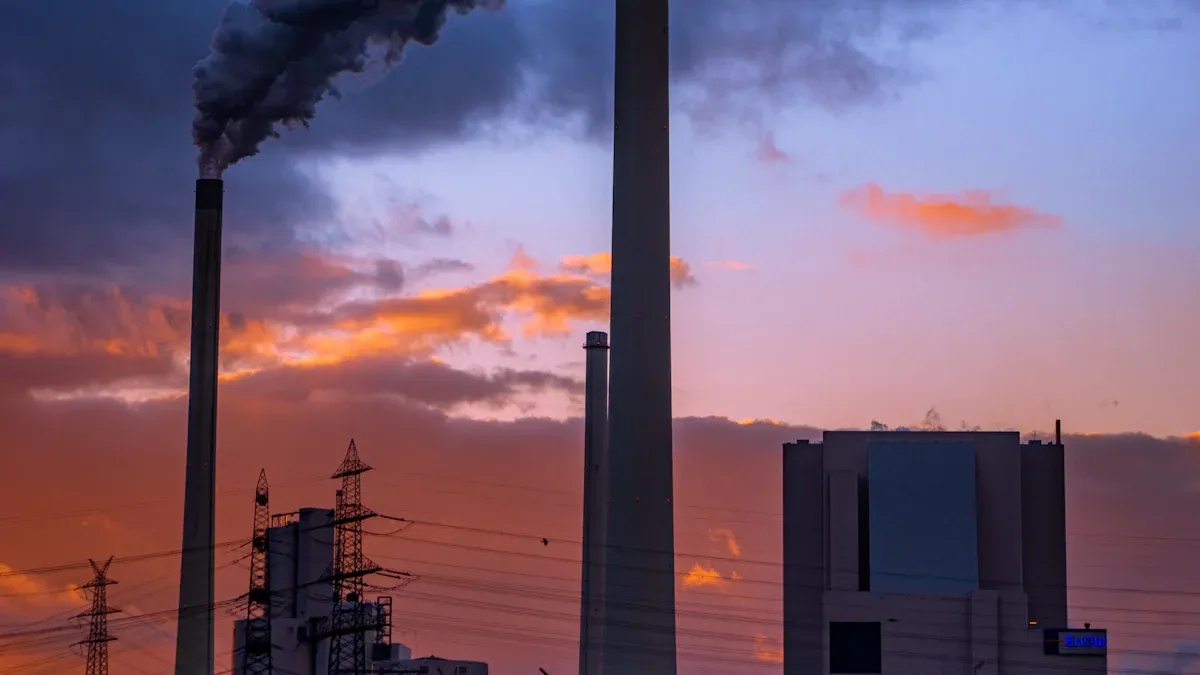
Reducing air freight and optimizing logistics can immediately lower Scope 3 emissions and costs during Black Friday. This retail event brings a surge in logistics activity, creating urgent environmental challenges.
Road freight during Black Friday week produces over 1 million tonnes of CO₂, a 94% increase from a typical week.
This spike equals the yearly emissions of all trucks in Bulgaria or 3,500 round trips between Paris and New York.
In Italy, emissions can hit 500,000 tonnes due to heightened logistics.
Sustainability now stands at the center of modern supply chains. JUSDA leads with innovative and efficient logistics solutions, helping businesses balance environmental responsibility with operational excellence. Companies must weigh both environmental and financial impacts when planning logistics.
Key Takeaways
Reducing air freight during Black Friday can significantly lower Scope 3 emissions and logistics costs. Companies should consider alternative transport modes to minimize their carbon footprint.
Implementing delivery consolidation strategies can enhance efficiency and reduce emissions. Smarter route planning and real-time notifications help optimize delivery schedules.
Utilizing technology like AI and IoT can improve logistics management. These tools enable better demand forecasting, inventory management, and real-time tracking of shipments.
Setting measurable emissions reduction targets is crucial for retailers. Accurate data collection and alignment with recognized standards enhance credibility in sustainability efforts.
Partnering with sustainable logistics providers can strengthen environmental commitments. Look for partners who prioritize carbon-neutral shipping and eco-friendly warehousing practices.
Black Friday Emissions Impact

Scope 3 and Air Freight Emissions
Scope 3 emissions include all indirect emissions that occur in a company’s value chain. These emissions often come from transportation, distribution, and logistics activities. Air freight stands out as a major contributor to Scope 3 emissions. Many retailers use air transport to meet the high demand during Black Friday. This mode of transport releases more carbon dioxide per ton-kilometer than other options.
JUSDA addresses these challenges with advanced supply chain management. The company integrates air, land, sea, and rail transport to create efficient logistics networks. JUSDA’s JusLink intelligent supply chain uses IoT and big data to track and manage emissions across all transport modes. This approach helps businesses measure and reduce their Scope 3 emissions.
Data on Black Friday’s Carbon Footprint
Black Friday creates a surge in logistics activity. The spike in online orders leads to a sharp increase in air and road freight. JUSDA’s global network manages over 2,000 international logistics routes and operates more than 2.5 million square meters of warehousing space. These resources help optimize shipment consolidation and route planning.
JUSDA’s technology enables real-time monitoring of carbon output during peak periods. The company’s ESG solutions support clients in tracking and reporting emissions data. By using these tools, businesses can set clear targets for sustainability. JUSDA’s focus on innovation and efficiency allows companies to respond to Black Friday’s challenges while reducing their environmental impact.
Note: Accurate data collection and advanced analytics play a key role in understanding and managing the carbon footprint of large-scale retail events.
Air Freight and Logistics Costs

Why Air Freight Drives Emissions
Air freight stands as the most carbon-intensive transport mode in global logistics. Planes burn large amounts of fuel to move goods quickly across continents. This speed comes at a significant environmental cost. The emissions per ton-kilometer for air freight far exceed those of other shipping methods.
Transport Mode | Emissions (kg CO2e per tonne per 1000 km) |
|---|---|
Air Freight | |
Cargo Ship | 3.5 |
The difference is striking. Air freight produces over 600 times more emissions than cargo ships for the same distance. Companies that rely on air transport during Black Friday see their Scope 3 emissions rise sharply. JUSDA’s integrated logistics solutions help businesses shift to less carbon-intensive modes, such as ocean or rail, whenever possible. This shift supports both environmental goals and regulatory compliance.
Air freight is the most carbon-intensive transport method. The emissions from air freight are significantly higher than those from cargo ships, with a difference of more than 600 times.
Cost Implications for Retailers
Retailers face steep cost increases when they choose air freight, especially during peak periods like Black Friday. The demand for fast delivery drives up prices. Shipping costs can surge, putting pressure on profit margins.
Shipping Method | Expected Cost Increase |
|---|---|
Ocean Freight | 15-25% |
Surcharges and unpredictable fees add to the challenge.
Surcharges may seem like small line items, but when multiplied across thousands of shipments, they can take a major bite out of margins. For growing ecommerce brands, unchecked surcharge fees can easily add up to tens or even hundreds of thousands of dollars annually. Unpredictable shipping costs make it harder to forecast budgets, manage promotions, and calculate profit margins accurately.
JUSDA’s technology-driven logistics solutions help retailers manage these costs. By optimizing transport modes and consolidating shipments, companies can reduce their reliance on air freight. This approach not only lowers emissions but also protects profit margins during high-demand seasons.
Sustainable Logistics Strategies
Alternative Transport Modes
Retailers can reduce Scope 3 emissions by shifting away from air freight and adopting alternative transport modes. Accurate measurement of emissions forms the foundation for any effective strategy. Companies often switch to intermodal transport and low-carbon fuels to lower their carbon footprint. Many optimize their global logistics networks and route planning to shorten transportation distances. They promote the use of land, sea, or multimodal routes, which offer lower emissions compared to air freight. Rail freight, for example, produces significantly fewer emissions than trucking. Ocean freight followed by rail often costs less and emits less carbon than using trucks or planes for the entire journey. Multimodal transportation reduces fuel consumption and emissions, helping companies achieve their sustainability goals.
JUSDA ESG provides end-to-end supply chain integration, supporting the use of multiple transport modes. JUSDASR offers cross-border logistics solutions that leverage strategic warehouse locations and partnerships with major carriers. These services enable businesses to select the most efficient and sustainable transport options for Black Friday logistics.
Delivery Consolidation
Delivery consolidation stands as a powerful tool for reducing both emissions and costs. By grouping shipments and optimizing delivery schedules, companies can minimize the number of trips required. Smarter route planning reduces total distance traveled, which lowers emissions. Real-time notifications decrease failed deliveries, saving costs and resources. Flexible time windows enhance consolidation and improve efficiency. Electronic Proof of Delivery (ePODs) eliminates paper waste and reduces operational costs.
Delivery Optimization Strategy | Impact on Emissions and Costs |
|---|---|
Smarter route planning | Reduces total distance traveled, lowering emissions. |
Real-time notifications | Decreases failed deliveries, saving costs. |
Flexible time windows | Enhances consolidation, improving efficiency. |
ePODs (electronic Proof of Delivery) | Eliminates paper waste, reducing operational costs. |
JUSDA ESG and JUSDASR both support delivery consolidation through advanced warehousing, real-time tracking, and efficient distribution networks. These solutions help retailers manage high order volumes during Black Friday while advancing sustainability.
Route Optimization for Sustainability
Route optimization technology plays a critical role in minimizing fuel consumption and reducing emissions, especially during Black Friday’s peak activity. Algorithms and AI analyze traffic, weather, and other factors to create efficient delivery routes. Couriers can fulfill more deliveries per day, which increases efficiency and supports sustainability goals. Efficient route planning can reduce fuel consumption by up to 15%. This reduction leads to lower carbon emissions and supports company-wide sustainability initiatives. Route optimization also reduces mileage and the number of drivers needed, minimizing the overall carbon footprint. During peak periods, such as Black Friday, optimized routes maximize delivery capacity when order volumes can rise by 300-400%.
JUSDA ESG leverages IoT and big data analytics to optimize routes in real time. JUSDASR integrates with major carriers and uses strategic warehouse locations to ensure efficient last-mile delivery. These capabilities help businesses meet their sustainability targets while maintaining high service levels.
Tip: Route optimization not only cuts emissions but also improves delivery speed and reliability, which benefits both the environment and customer satisfaction.
Eco-Friendly Returns
Returns create a significant environmental impact due to extra shipping and packaging. The carbon emissions from returns can add up to 30% more than the initial delivery emissions. Online shopping generates much more packaging waste compared to traditional retail, and returned items often require additional packaging. Retailers can minimize these impacts by providing accurate product information, which helps set realistic expectations and reduces mismatched returns. Offering hybrid experiences with physical touchpoints streamlines returns and lowers emissions. Localizing and translating product information reduces confusion and improves purchasing decisions. Companies can also repair, refurbish, or recycle returned goods to reduce waste. Consolidating return shipments and optimizing return routes further decreases fuel consumption.
Effectively managing reverse logistics turns a costly process into an opportunity for customer retention and sustainability improvements. JUSDA ESG supports eco-friendly returns by enabling real-time tracking and efficient reverse logistics. JUSDASR’s warehousing and distribution services help consolidate returns and optimize return routes, reducing both costs and emissions.
Note: Sustainable return processes not only lower environmental impact but also help retailers control logistics costs during high-volume periods like Black Friday.
Technology for Smart Logistics
AI and Predictive Analytics
Artificial intelligence has transformed logistics management for Black Friday. JUSDA’s JusLink AI Solution uses advanced algorithms to forecast demand, optimize inventory, and predict freight rates. Companies that use AI-driven demand forecasting have reduced errors by up to 50%. Inventory management powered by AI can lower holding costs by 20-30%. AI-optimized logistics can also reduce carbon emissions by up to 15%.
Source | Finding |
|---|---|
McKinsey 2024 | Companies implementing AI-driven demand forecasting have reduced errors by up to 50%. |
Gartner 2024 | AI-based inventory management solutions can lower holding costs by 20-30%. |
World Economic Forum 2024 | AI-optimized logistics can reduce carbon emissions by up to 15%. |
Predictive analytics allows businesses to forecast future demand accurately. This helps companies adjust production schedules and manage inventory levels. By using historical and real-time data, predictive logistics can anticipate inventory needs and optimize warehouse space. AI simulations can also forecast future emissions and energy use, helping companies choose low-emission routes and materials.
IoT and Real-Time Visibility
JUSDA’s JusLink platform integrates IoT technology to provide real-time visibility across the supply chain. IoT solutions enable real-time tracking of goods, giving accurate updates on their status. This capability improves coordination and efficiency. Logistics managers can make informed decisions that reduce emissions. IoT devices offer minute-by-minute insights into the location and handling of goods. This transparency helps address disruptions quickly and optimize routes. IoT-powered sensors monitor vehicle health and ensure safe transport of perishable goods. Real-time tracking of shipments helps identify issues and optimize inventory levels.
Case Study: JUSDA’s Smart Logistics
JUSDA has helped leading manufacturers manage complex global supply chains. The company developed a Supply Chain Management Collaboration Platform using AI, cloud computing, and blockchain. This platform provides end-to-end lifecycle management and real-time transparency. JUSDA integrated systems like ERP, TMS, and WMS through open data interfaces and a unified big data platform. The JusElsa intelligent assistant uses large language models to improve decision-making and risk management. With these tools, JUSDA’s clients have optimized global processes, reduced manual handling, and improved efficiency. The platform supports dynamic ETA predictions and inventory management, helping businesses expand globally while controlling costs and emissions.
Overcoming Implementation Challenges
Balancing Speed, Cost, and Sustainability
Retailers face several challenges when they try to balance fast delivery, cost control, and environmental responsibility during Black Friday. They must act quickly to handle a surge in orders and keep operations efficient. The main challenges include:
Capacity Management: Retailers need to scale up operations fast. They hire seasonal workers and expand delivery fleets to manage the increased parcel volume.
Technological Infrastructure: Advanced technology, such as automated sorting and real-time tracking, helps optimize delivery processes.
Sustainability Pressures: Companies must meet high demand while using eco-friendly practices and vehicles.
Consumer Expectations: Shoppers expect fast and reliable delivery, which puts extra pressure on logistics teams.
JUSDA addresses these challenges by integrating advanced technology and flexible logistics solutions. The company’s JusLink AI Solution helps forecast demand and optimize routes. JUSDA ESG and JUSDASR support efficient scaling and real-time tracking, making it easier to manage costs and maintain service quality during peak periods.
Tip: Companies that invest in scalable technology and flexible logistics networks can better handle Black Friday’s intense demands.
Managing Customer Expectations
Customer expectations for fast delivery rise sharply during Black Friday. Retailers must deliver quickly while also meeting environmental and cost goals. The following strategies help manage these expectations:
Strategy | Benefit |
|---|---|
Multi-carrier capability | Brands and retailers can scale up to meet peak season demand, preventing delivery chaos. |
AI-driven logistics | Machine learning forecasts demand spikes and routes shipments effectively. |
Compliance with sustainability | Better reporting helps stay compliant with regulations and build customer trust. |
Parcel volumes increased by 93.7% during Black Friday 2024. Delivery delays surged by 70%. Returns averaged between 10-15%. JUSDA’s technology-driven solutions help retailers manage these spikes. Real-time visibility and predictive analytics allow companies to communicate accurate delivery times and handle returns efficiently. This approach builds trust and keeps customers satisfied, even during the busiest shopping season.
Action Steps for Retailers
Setting Emissions Targets
Retailers can take practical steps to set measurable emissions reduction targets for Black Friday logistics. Accurate data forms the foundation for effective emissions management. Companies should move from using average emissions data to collecting supplier-specific information. This approach improves the accuracy of emissions reporting and helps identify key areas for improvement. Retailers can use advanced tools to enhance data exchange and comparability across their supply chains. Aligning emissions reporting with recognized standards, such as ISO 14083 and the GHG Protocol, increases credibility and supports decarbonization efforts.
Step | Description |
|---|---|
1 | Transition from averages to supplier-specific data for accurate emissions reporting. |
2 | Utilize tools like iLEAP to enhance data exchangeability and comparability across supply chains. |
3 | Align emissions reporting with ISO 14083 and the GHG Protocol for credibility in decarbonization efforts. |
Retailers who follow these steps can set clear, achievable targets and track progress over time. This process supports both regulatory compliance and operational efficiency.
Partnering with Sustainable Providers
Selecting the right logistics partners plays a critical role in reducing environmental impact during Black Friday. Retailers should look for providers who prioritize carbon-neutral shipping, green warehousing, and responsible returns management. Providers who use electric vehicles, optimize delivery routes, and invest in carbon offsets help minimize emissions. Warehousing partners who implement solar power, energy-efficient lighting, and recyclable packaging further reduce environmental impact. Effective reverse logistics ensures that returned products are refurbished, resold, or disposed of responsibly.
Sustainability Initiative | Description |
|---|---|
Carbon-Neutral Shipping | Logistics providers should utilize electric vehicles, optimized delivery routes, and carbon offsets to minimize emissions. |
Green Warehousing & Packaging | Partners should implement solar power, energy-efficient lighting, and recyclable packaging to reduce environmental impact. |
Reverse Logistics for Returns | An eco-friendly logistics partner should manage returns sustainably, ensuring products are refurbished, resold, or disposed of responsibly. |
Retailers who partner with providers offering these initiatives can strengthen their environmental commitments and improve operational outcomes. This approach also supports customer expectations for responsible business practices.
Cutting air freight and optimizing logistics deliver measurable reductions in Scope 3 emissions and systemic costs.
"Environmental pressures are growing across the air cargo industry, pushing ground operators to develop lower-emission solutions. Road feeder services are a major part of this shift... Combined with better route planning to reduce empty mileage, these measures help airlines and shippers meet their own carbon goals too."
Retailers see clear benefits when they prioritize sustainability and technology-driven logistics.
Over 51% of shoppers preferred eco-friendly delivery options during Black Friday.
Retailers offering sustainable delivery options with clear labels at checkout gained a competitive advantage.
Consumers expect brands to demonstrate social responsibility, influencing their shopping choices.
Building strong partnerships with logistics providers is essential for addressing supply chain issues.
There is a growing demand for consolidated shipping and carbon-neutral delivery options due to environmental concerns.
JUSDA leads with innovative solutions that support immediate action and continuous improvement. Companies that integrate sustainable logistics strategies position themselves for long-term success.

JUSDA Solutions
To provide you with professional solutions and quotations.
FAQ
How does JUSDA’s JusLink AI Solution improve logistics efficiency?
JusLink’s AI Solution uses predictive analytics, real-time risk monitoring, and intelligent agents. These tools help businesses forecast demand, optimize inventory, and manage logistics operations with greater accuracy and speed.
Can JUSDA support cross-border e-commerce logistics?
JUSDASR specializes in cross-border logistics for e-commerce merchants. The service includes strategic warehouse locations, dropshipping, and partnerships with major carriers for efficient first-mile and last-mile delivery.
How does JUSDA help retailers track and report emissions?
JUSDA ESG enables real-time tracking of carbon output across all logistics activities. The platform supports accurate emissions measurement and reporting, helping retailers set and achieve sustainability targets.
See Also
Understanding Current Trends in Logistics Risk Management
Essential Strategies for Reducing Logistics Costs Effectively
Unlocking Cost Savings: Tips for Supply Chain Optimization
Transforming Logistics with AI: The Future of Supply Chains
Enhancing Supply Chain Solutions for Advanced Manufacturing Challenges