Sustainable Solutions for Modern Parcel Companies


Sustainability in logistics plays a crucial role today. Parcel delivery companies contribute significantly to greenhouse gas emissions. Freight transportation accounts for 8% of global emissions. Traditional delivery methods increase air pollution and carbon footprints. Eco-friendly practices become essential. Electric vehicles and route optimization offer solutions. These strategies help reduce environmental impact and promote cleaner operations.
Sustainable Solutions for Parcel Delivery Companies
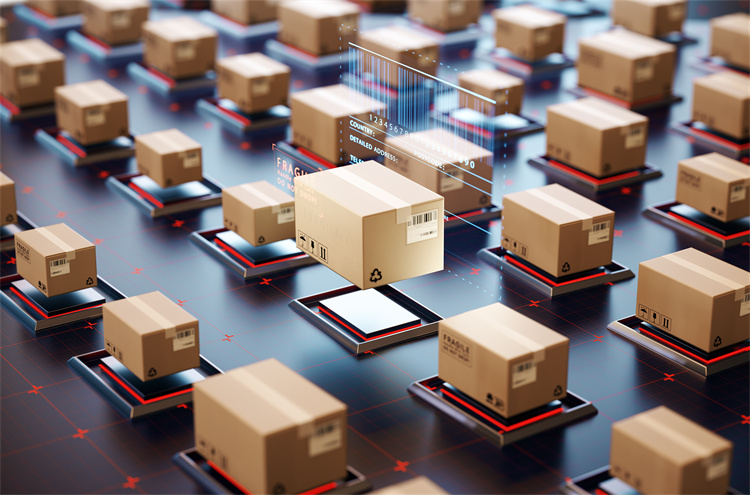
Adoption of Electric Vehicles by Parcel Delivery Companies
Electric vehicles (EVs) offer significant benefits for parcel delivery companies. EVs reduce emissions and lower fuel costs. Maintenance costs decrease due to fewer moving parts. EVs enhance company reputation by promoting sustainability.
Benefits of Electric Vehicles
Parcel delivery companies using EVs experience reduced carbon footprints. EVs contribute to cleaner air in urban areas. Noise pollution decreases with EV adoption. Companies achieve long-term cost savings.
Case Studies: JUSDA, FedEx, DHL
JUSDA integrates EVs into logistics operations. FedEx leads with an electrified fleet. DHL invests heavily in EV technology. These companies demonstrate commitment to sustainability.
Route Optimization for Parcel Delivery Companies
Route optimization enhances efficiency for parcel delivery companies. Optimized routes save time and fuel. Technology plays a crucial role in this process.
Techniques for Optimizing Delivery Routes
Software solutions analyze traffic patterns. Algorithms determine the shortest paths. Real-time data assists in route adjustments. Companies implement these techniques for better results.
Examples of Successful Implementations
JUSDA uses advanced software for route planning. FedEx employs AI for dynamic routing. DHL optimizes deliveries with GPS technology. These implementations showcase effective strategies.
Use of Alternative Fuels in Parcel Delivery
Alternative fuels provide eco-friendly options for parcel delivery companies. These fuels reduce reliance on traditional gasoline and diesel. Companies explore various types to meet sustainability goals.
Types of Alternative Fuels
Biofuels offer renewable energy sources. Hydrogen fuels power vehicles with zero emissions. Natural gas serves as a cleaner alternative. Each type presents unique advantages.
Impact on Carbon Footprint
Alternative fuels significantly lower emissions. Parcel delivery companies reduce environmental impact. Sustainable fuel choices support global carbon neutrality efforts.
Role of Technology in Enhancing Sustainability
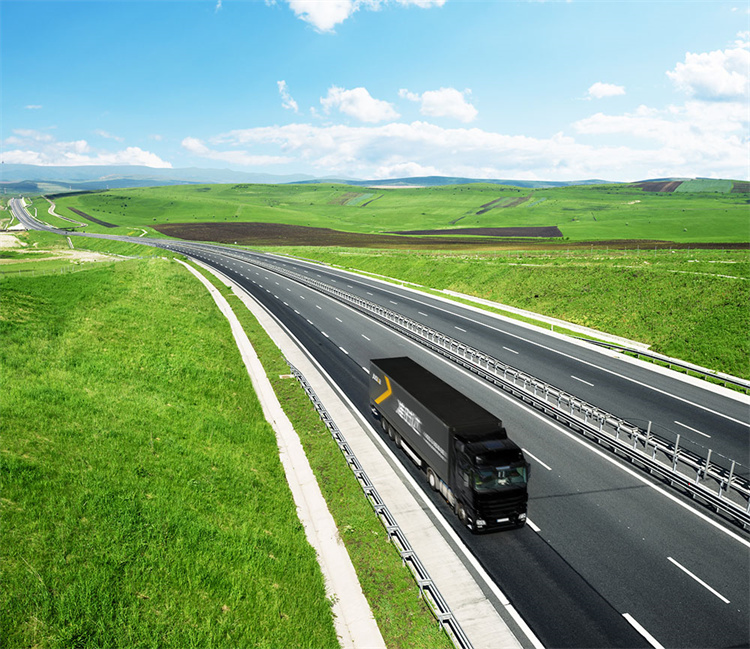
Artificial Intelligence (AI) in Parcel Delivery
Artificial Intelligence (AI) transforms logistics operations. AI applications optimize resource usage and reduce carbon footprints. Parcel delivery companies use AI to enhance efficiency and sustainability. AI algorithms predict demand and improve route planning. These capabilities reduce costs and environmental impact.
Scientific Research Findings:
AI optimizes energy consumption in logistics.
AI identifies sustainable materials for packaging.
Case studies highlight AI-driven sustainability. FedEx employs AI for dynamic routing. This approach minimizes fuel consumption and emissions. JUSDA integrates AI in logistics operations. The company uses predictive analytics to increase fleet utilization. DHL leverages AI for waste management practices. These examples showcase AI's role in sustainable logistics.
Internet of Things (IoT) for Parcel Delivery Companies
The Internet of Things (IoT) revolutionizes parcel delivery. IoT devices provide real-time data for better decision-making. Parcel delivery companies benefit from improved supply chain visibility. IoT solutions enhance inventory management and route optimization.
Scientific Research Findings:
IoT integration offers social, economic, and environmental benefits.
IoT transforms supply chains with high quality and low cost.
IoT improves efficiency in logistics operations.
Examples of IoT enhancing efficiency abound. JUSDA uses IoT for real-time tracking of shipments. This technology ensures timely deliveries and reduces delays. FedEx implements IoT devices for inventory management. These devices optimize warehouse operations and reduce waste. DHL employs IoT for route adjustments based on traffic patterns. These implementations demonstrate IoT's potential in sustainable parcel delivery.
Parcel delivery companies can significantly benefit from adopting sustainable practices. These practices reduce environmental impact and enhance brand image. Companies that prioritize eco-friendly solutions attract eco-conscious customers. This approach aligns with consumer expectations for responsible business operations. Parcel delivery companies should embrace these changes to lead the industry toward a greener future. The commitment to sustainability not only addresses climate challenges but also offers economic advantages. By measuring and reducing carbon footprints, companies demonstrate transparency and inspire others. A shift towards sustainability ensures a positive contribution to a healthier planet.
See Also
Optimal Eco-Friendly Practices: JUSDA's Logistics Expansion Revealed
The Impact of Cloud-Based Supply Chain Solutions on Sectors
The Importance of Implementing a Green Supply Chain Immediately
Artificial Intelligence in Supply Chain: Transforming Future Logistics