Strategic Trends Reshaping Global Supply Chains Stand Out Today

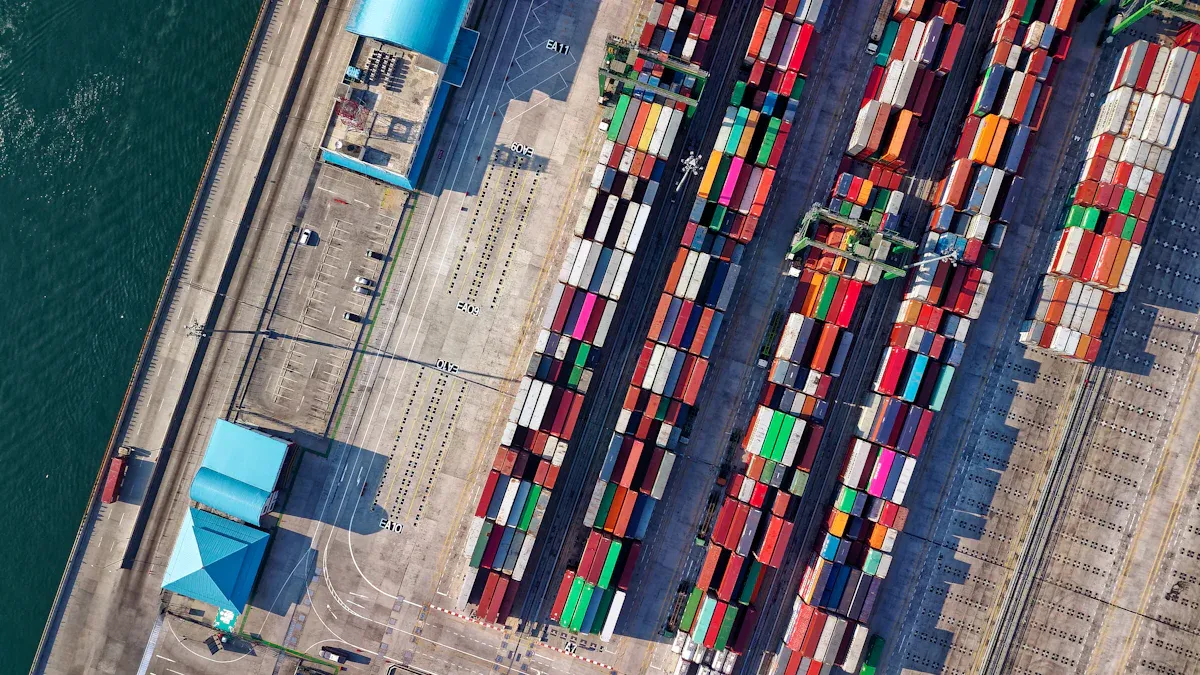
The speed of change in the global supply chain gets faster every year.
Statistic | Value | Year |
|---|---|---|
Expected rise in shipping amounts | 69.73% | 2025 |
Market growth from 2020 to 2026 | 98.45% | 2020-2026 |
Three strategic trends reshaping global supply chains are reverse globalization, M2C, and intelligent manufacturing. Leaders believe that being strong and able to recover is very important. Digital transformation and new ways to deliver goods are driving changes in the global supply chain. These three strategic trends need our focus as they will shape what happens next. They assist leaders in making informed choices and highlight the necessity for change.
83% of leaders think resilience is as important as cybersecurity.
Digital transformation is still needed for the global supply chain to work well.
Key Takeaways
Reverse globalization is growing. Companies are making products closer to customers. This helps lower risks and makes supply chains better.
M2C models let manufacturers sell straight to customers. This makes delivery faster and lowers costs.
Intelligent manufacturing uses AI and automation to help factories work better. These tools cut down on mistakes and make things faster to produce.
Three Strategic Trends Reshaping Global Supply Chains
Reverse Globalization
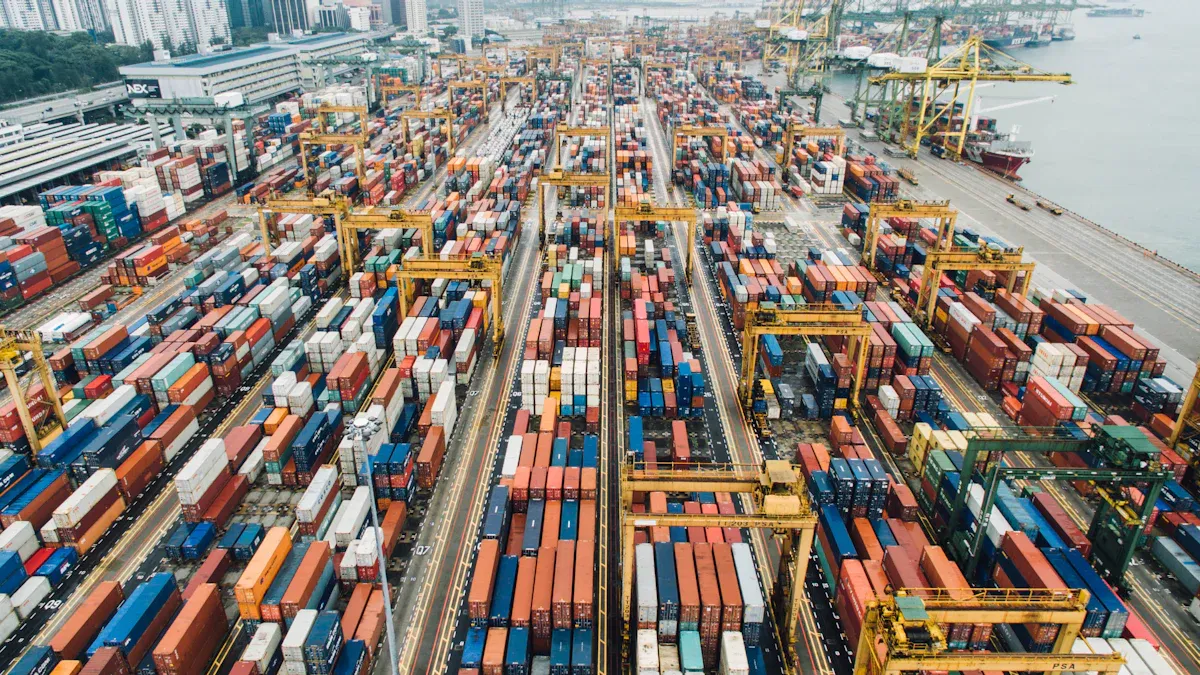
Reverse globalization means companies are moving away from global outsourcing. They want to use more local or regional supply chains. Companies now try to make products closer to where people buy them. This helps lower risks and makes supply chains easier to manage. Many leaders think this is a good way to stop problems from long supply chains.
COVID-19 and energy problems showed that long supply chains can break easily. Companies want shorter and safer supply chains now.
JUSDA helps companies build regional supply chains. They use their worldwide network and digital tools to help with cross-border work. JUSDA’s JusLink platform gives teams real-time data and helps them work together.
Evidence Type | Description |
|---|---|
Survey Data | A KPMG survey found that 59% of companies have supply chains in the Americas. This number may rise to 69% soon. This shows more companies want regional supply chains and less far-away outsourcing. |
The pandemic showed that long supply chains have problems.
The energy crisis and the Russia–Ukraine war made companies change their supply chain plans.
JUSDA has smart warehouses in China, Vietnam, the US, and other places. These help companies keep goods closer to customers. This supports reverse globalization and makes supply chains stronger.
C2M2C (Component-Manufacturer-to-Consumer) Models
M2C means manufacturers sell straight to customers. This skips extra steps in the supply chain. It helps companies save money and react faster to what people want.
JUSDA helps manufacturers use C2M2C with digital platforms and smart logistics. JusLink gives real-time order and inventory information. This helps companies know what customers want and deliver products quickly.
C2M2C uses digital tools to link manufacturers and customers.
Companies can see demand and change production quickly.
JUSDA’s warehouses help with fast delivery and flexible storage.
JUSDA’s solutions help manufacturers reach customers in many countries. Their cloud warehousing and digital systems help companies keep up with new trends.
Intelligent Manufacturing
Intelligent manufacturing uses new technology to make factories work better. Companies use AI, robots, and smart machines to improve how they make things. These tools help factories work faster and make fewer mistakes.
Aspect | Description |
|---|---|
Era | Intelligent Age, with new technology and teamwork between people and machines. |
Technology Highlighted | AI agents, both virtual and real, help factories work better. |
Value Creation | AI agents help create value and let systems work almost by themselves. |
Case Studies | Examples from top industries show how AI agents are used. |
AI controls robots, AGVs, and other smart machines.
Companies use cloud computing, smart robots, and drones to make factories better.
AI can find problems before they happen and fix them.
JUSDA’s JusLink platform uses AI to manage supply chains. It can guess demand, manage risks, and do many jobs automatically. JUSDA’s warehouses use smart systems to track goods and work faster.
Using AI in supply chains may be worth over $41 billion by 2030. Companies say they save over 67% on costs and risks with ai.
JUSDA’s digital tools help with all three trends. They use blockchain to make things clearer and follow rules. IoT helps control logistics better. JusLink also helps companies track and report on ESG goals for greener supply chains.
Trend | Description |
|---|---|
Utilizing the potential of blockchain | Makes things clearer and helps with rules, making customers happier and helping with green goals. |
Adopting IoT at a larger scale | Gives better control over logistics, helps manage goods, and makes supply chains stronger. |
Embedding ESG measurement and reporting | Helps companies use greener practices and be open about what they do in supply chains. |
JUSDA’s digital platforms lower IT costs and help teams work together.
AI and machine learning do tasks automatically and help companies make smart choices.
JUSDA’s work with these trends helps companies build supply chains that are stronger, smarter, and more flexible.
2025 Supply Chain Trends
AI and Automation
AI and automation are changing supply chains in 2025. Companies use these tools to work faster and smarter. AI helps companies make better choices. It can lower mistakes in predictions by half. Automation and AI connect data from buying, shipping, and rules. This helps companies serve customers better and follow rules. Predictive analytics can find problems early. It can also suggest new suppliers or routes. JUSDA’s JusLink platform uses automation and AI for forecasting, risk, and warehouse jobs. Spending on AI is now a big part of supply chain numbers. This shows companies depend on these tools.
More companies use AI in shipping.
Automation and AI help save time and money.
Supply Chain Resilience
Supply chain resilience is very important in 2025. Companies want to stop losing money from problems. In 2023, lost revenue was $1.9 trillion.
Many companies still do not watch risks in real time. JUSDA’s JusLink platform helps track risks and act fast. Automation and AI give real-time data and tools to predict problems.
Micro-Fulfillment Strategies
Micro-fulfillment strategies change how companies send products. Micro-fulfillment centers keep goods close to customers. This makes delivery faster and keeps customers happy. Micro-fulfillment matters because 56% of young online shoppers want same-day delivery. It also helps the planet, as 40% of people pick stores with green practices.
Micro-fulfillment centers help with fast delivery.
Micro-fulfillment is now a big part of supply chain trends and numbers.
Trends vs. Previous Years
Technology Adoption Shift
Between 2020 and 2024, many companies started using digital tools. By 2025, technology is the main reason supply chains change. Companies use data to make every part of their work better. Digitalization in supply chains could be worth over $100 trillion by 2025. Companies with strong digital tools handle problems better. JUSDA’s JusLink platform and smart warehouses do more than just basic digital work. They use AI, cloud computing, and IoT to track things in real time and manage risks. This helps companies stop big problems and react fast when things go wrong.
Trend | Description |
|---|---|
People shop on more sites, so supply chains must be stronger and more flexible. | |
Automation | Automated steps lower mistakes and make logistics work better. |
Democratization of shipping | New technology lets more carriers deliver faster. |
Evolving Resilience Strategies
Resilience is now very important. Before, companies cared more about saving money. Now, they want to stop big problems and keep goods moving even when things go wrong. Companies use new ideas like having more suppliers, using data to guess problems, and tracking inventory in real time. JUSDA’s JusLink platform helps with these ideas using AI for risk and flexible logistics. Their warehouses use smart systems to watch inventory and stop problems. Companies also spend money on better buildings and look at old problems to make supply chains stronger.
Real-time tracking and data help find problems early.
Flexible logistics help companies change plans fast.
Sustainability Priorities
Sustainability is now a main business goal, not just a simple aim. Companies use tougher rules for being open and tracking products. Circularity is now more popular than the old way of making and throwing away. The market for used goods is growing quickly. JUSDA’s JusLink platform helps companies follow products from start to finish, which helps with green goals. Their digital tools make it easier to show green actions and follow new rules. Technology like FibreTrace helps companies be more open and support green goals in every part of the supply chain.
Trend | Description |
|---|---|
Sustainable logistics | Vendors work harder to use eco-friendly ways. |
Companies spend more on risk plans and use more suppliers to handle problems. |
Strategic Shifts and Impact
Operational Transformation
Businesses have new problems in global supply chains. Many leaders know they must change how they work. Companies spend money on technology and make supply chains more flexible. They use procurement strategies to lower risks and see supply chain steps better. JUSDA helps with these changes using JusLink and smart warehouses. JusLink lets teams watch procurement and inventory in real time. Companies use automation and ai to be quick and handle problems fast.
Key Themes | Description |
|---|---|
Leaders get ready for trade problems by storing more inventory. | |
Opportunities for Multinational Companies | Success comes from working with local people and growing infrastructure. |
Building a “Constellation of Value” | Flexible supply chain management makes companies stronger and quicker. |
Adapting to a Fragmented World | Early spending on resilience and local partners helps businesses do well. |
Digital Supply Chain Resilience
Digital tools help companies stop big problems. JusLink uses AI and predictive analytics to find risks early. Teams change procurement and production plans to keep supply chains strong. Real-time supply chain data helps businesses keep working and makes customers happy. JUSDA’s digital tools help companies set good recovery goals and find important links. Being quick and managing risks keeps operations smooth.
Changing sourcing and production before trouble starts
Checking supplier risks better
Better teamwork between risk management and business continuity
Competitive Advantage
Digital tools give companies a strong edge. Studies show technology makes supply chain relationships and performance better. JusLink helps companies see supply chain steps and supports procurement plans. Companies use big data analytics, blockchain, and ai to learn about customers and make smart choices. JUSDA’s global warehouses and digital platforms help businesses get ready for the future. Being quick and having strong supply chains helps companies change fast and stay ahead.
JUSDA’s JusLink and global warehouses help companies build supply chains that are quick, strong, and ready for the future.
Case Examples

JUSDA’s Smart Logistics Success
JUSDA has helped many manufacturers with smart technology. One electronics company wanted to grow worldwide but had supply chain problems. JUSDA gave them the JusLink platform and new warehouse systems. These tools showed real-time data and helped control inventory better. The company did less manual work and delivered faster. JUSDA’s technology let teams track goods and manage orders. They could also react quickly when demand changed. This made the supply chain more flexible and efficient.
AI-Driven Risk Management
Many companies now use AI to handle risks in supply chains. JUSDA’s JusLink platform uses AI to spot bottlenecks and suggest new suppliers. This helps when there are problems. This way, supply chains stay strong. Companies using this tech lose 30% less money from problems. They also save 50-70% of the time needed to fix issues.
Benefit | Impact |
|---|---|
Revenue Loss Reduction | |
Time Efficiency | 50-70% less time to identify and assess disruptions |
AI helps companies see risks in their supplier networks. It helps them pick better partners. Early warning systems send alerts before problems get worse.
Micro-Fulfillment in Action
Micro-fulfillment helps companies deliver products faster. For example, a retailer using micro-fulfillment got 50% more orders. They also cut wait times by 70%. Workers now spend more time helping customers. They do fewer heavy tasks. This shows how technology and AI change logistics and make customers happier.
Companies now want flexible and quick supply chains. This helps them deal with risks and tariff changes. Before, they focused more on saving money and having extra stock.
In 2025, supply chain trends look at cost-to-serve analysis, advanced risk management, and generative AI. Companies think resilience and digital transformation are important. Leaders use new ideas with digital tools, automation, and ESG compliance. To do well, businesses need better visibility and stronger supplier relationships. They should use JUSDA’s intelligent solutions for flexible and future-ready supply chains.
FAQ
What makes JUSDA’s JusLink platform unique in supply chain management?
JusLink uses AI, IoT, and cloud computing. It shows data right away and sends risk alerts. Teams use it to track inventory and shipments easily.
Why is supply chain resilience important for businesses today?
Supply chain resilience helps companies stop disruptions. It keeps goods moving and lowers risks. This helps businesses grow when markets change.
See Also
Transforming Industries With Innovative Cloud Supply Chain Solutions
Five Key Trends Shaping Future Supply Chain Efficiency
Achieving Supply Chain Success: Five Essential Market Steps
Tomorrow's Logistics Transformed By AI Supply Chain Innovations
Addressing Global Supply Chain Growth Challenges Effectively