Top Manufacturing Updates You Need to Know

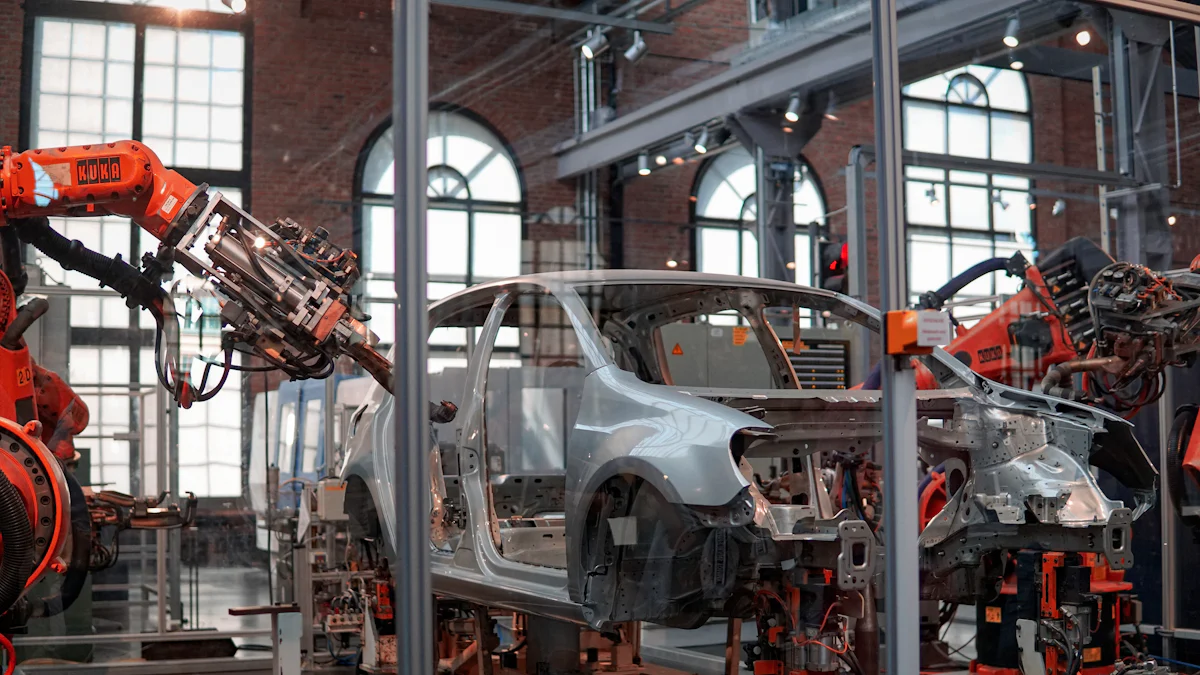
Staying updated in the manufacturing industry holds paramount importance. Rapid advancements and changes define the sector. The blog aims to inform readers about the latest manufacturing news.
Technological Advancements in Manufacturing News
Automation and Robotics in Manufacturing News
Latest trends in automation
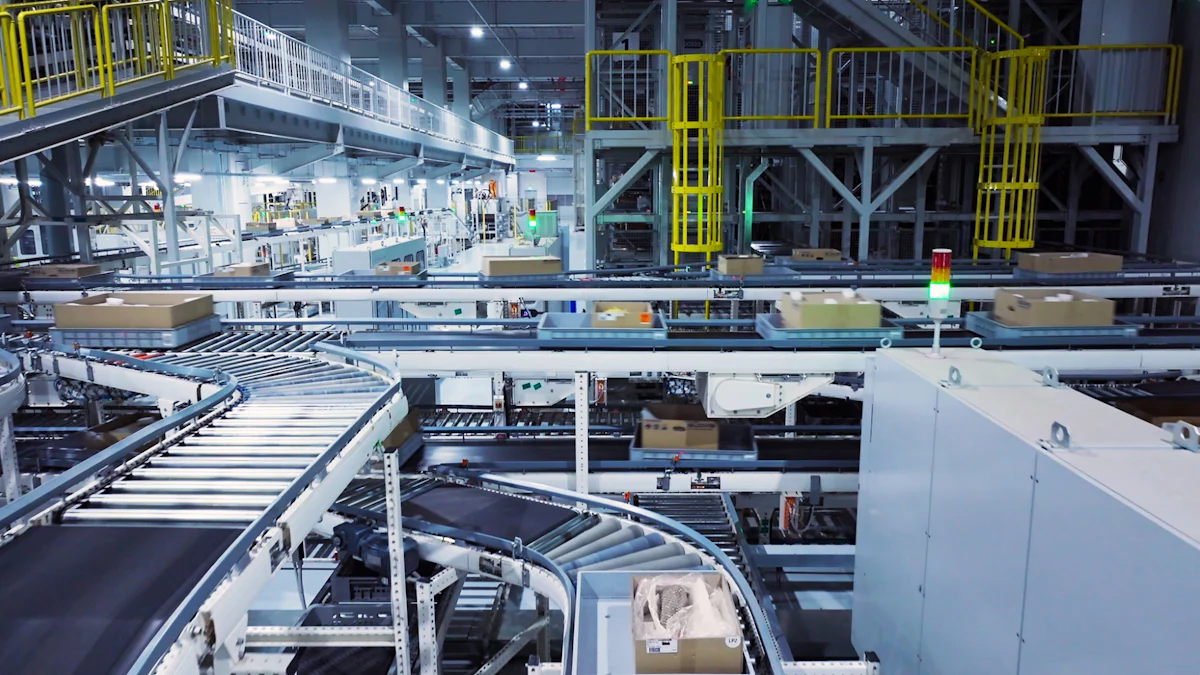
Manufacturers are increasingly adopting automation to enhance productivity. Automated systems streamline production lines, reducing human error and increasing output. Deloitte’s 2023 Outlook Survey reveals that leading manufacturers invest heavily in robotics and automation. These investments aim to improve efficiency and productivity. Automated guided vehicles (AGVs) and collaborative robots (cobots) are becoming common on factory floors. These technologies enable seamless operations and reduce downtime.
Impact of robotics on manufacturing efficiency
Robotics significantly boosts manufacturing efficiency. Robots handle repetitive tasks with precision, allowing human workers to focus on complex activities. According to Deloitte, 86% of manufacturing executives believe smart factory solutions will drive competitiveness in the next five years. Robotics enhances quality control by performing consistent inspections. This minimizes defects and ensures high-quality products. The integration of robotics leads to faster production cycles and cost savings.
Artificial Intelligence and Machine Learning
AI applications in manufacturing
Artificial Intelligence (AI) transforms manufacturing processes. AI-driven systems optimize supply chains, predict maintenance needs, and improve quality control. RSM US LLP Insights highlights AI's potential to enhance predictive maintenance. This reduces unexpected downtime and extends machinery lifespan. AI also assists in product design by analyzing vast datasets to identify optimal configurations. Companies like Alibaba and Lenovo invest in AI to streamline their manufacturing operations.
Benefits of machine learning in production processes
Machine learning (ML) offers numerous benefits in production. ML algorithms analyze data to forecast demand and adjust production schedules accordingly. This ensures efficient resource utilization and minimizes waste. Brookings Institution notes that AI and ML can revolutionize manufacturing processes. ML improves quality control by detecting anomalies in real-time. This leads to fewer defective products and higher customer satisfaction. Manufacturers leveraging ML gain a competitive edge through enhanced operational efficiency.
Internet of Things (IoT)
IoT integration in manufacturing
The Internet of Things (IoT) plays a crucial role in modern manufacturing. IoT devices collect and transmit data from various points in the production process. This enables real-time monitoring and decision-making. Deloitte reports that manufacturers invest in IoT to boost efficiency. IoT integration allows for seamless communication between machines, leading to optimized workflows. Smart sensors track equipment performance, ensuring timely maintenance and reducing downtime.
Real-time data monitoring and analytics
Real-time data monitoring and analytics provide valuable insights into manufacturing operations. IoT-enabled devices gather data continuously, offering a comprehensive view of the production process. AIMultiple Research emphasizes the importance of manufacturing analytics. These analytics predict machinery's future use and prevent failures. Real-time data helps identify areas for improvement, enhancing overall productivity. Manufacturers using IoT and analytics achieve greater transparency and control over their operations.
Sustainability and Green Manufacturing

Eco-friendly Manufacturing Practices
Use of renewable energy sources
Manufacturers increasingly adopt renewable energy sources to reduce carbon footprints. Solar panels and wind turbines generate clean energy for production facilities. Manufacturing news highlights the shift towards green energy. Companies invest in solar farms and wind projects to power operations. Renewable energy reduces reliance on fossil fuels, lowering greenhouse gas emissions. Energy-efficient technologies further enhance sustainability efforts.
Waste reduction techniques
Waste reduction techniques play a crucial role in sustainable manufacturing. Lean manufacturing principles minimize waste throughout production processes. Manufacturing news often reports on innovative waste management strategies. Recycling programs and material reuse reduce landfill contributions. Manufacturers implement zero-waste policies to achieve sustainability goals. Efficient resource use leads to cost savings and environmental benefits.
Regulatory Changes
New environmental regulations
New environmental regulations impact the manufacturing industry significantly. Governments introduce stricter emission standards and waste disposal rules. Manufacturing news covers updates on regulatory changes. Compliance with these regulations ensures sustainable practices. Failure to adhere to new laws results in penalties and reputational damage. Manufacturers must stay informed about evolving environmental policies.
Compliance strategies for manufacturers
Compliance strategies help manufacturers meet regulatory requirements. Environmental audits identify areas needing improvement. Manufacturing news provides insights into best practices for compliance. Investing in eco-friendly technologies ensures adherence to regulations. Training programs educate employees on sustainable practices. Effective compliance strategies enhance operational efficiency and environmental stewardship.
Market Trends and Economic Factors
Global Supply Chain Dynamics
Impact of geopolitical events
Geopolitical events significantly influence global supply chains. Trade wars, tariffs, and political instability disrupt manufacturing operations. The U.S. manufacturing industry faces challenges due to geopolitical tensions. Companies must navigate complex international regulations. Trade policies impact the cost and availability of raw materials. Manufacturers need strategies to mitigate risks from geopolitical uncertainties.
Strategies for supply chain resilience
Supply chain resilience is crucial for manufacturers. Diversifying suppliers reduces dependency on a single source. Localizing production minimizes disruptions from international conflicts. Investing in technology enhances supply chain visibility. Real-time data allows for proactive decision-making. Manufacturers should develop contingency plans for potential disruptions. Collaboration with logistics partners ensures smooth operations. Building strong relationships with suppliers fosters trust and reliability.
Economic Indicators
Market demand and consumer behavior
Market demand and consumer behavior drive manufacturing trends. Economic conditions influence purchasing power. High consumer confidence boosts demand for goods. Manufacturers must adapt to changing preferences. Sustainable products attract environmentally conscious consumers. Technological advancements create demand for innovative solutions. Monitoring economic indicators helps predict market trends. Manufacturers can adjust production based on consumer insights.
Economic forecasts and their implications
Economic forecasts provide valuable insights for manufacturers. Analysts predict future market conditions. Positive forecasts encourage investment in new technologies. Negative forecasts prompt cost-cutting measures. Manufacturers should stay informed about economic trends. Adapting to economic changes ensures business continuity. Strategic planning based on forecasts enhances competitiveness. Economic indicators guide decision-making processes.
Workforce and Skills Development
Training and Education
Emerging skills required in manufacturing
Manufacturing increasingly demands new skills. Smart factory solutions and advanced technologies drive this need. A recent Deloitte study indicated that 86% of surveyed manufacturing executives believe smart factory solutions will be the primary drivers of competitiveness in the next five years. Workers must understand automation, robotics, and data analytics. These skills ensure efficient operations and innovation.
Key emerging skills include:
Proficiency in automation and robotics
Data analysis and interpretation
Knowledge of IoT systems
Understanding of AI and machine learning applications
Training programs and initiatives
Training programs address the skills gap in manufacturing. Companies invest in upskilling employees to meet technological demands. The Manufacturing Institute’s Center for Manufacturing Research found that nearly 70% of young employees stay with employers who invest in skill development. Training initiatives focus on both technical and soft skills.
Effective training programs include:
On-the-job training: Practical experience with new technologies.
Workshops and seminars: Focused sessions on specific skills.
Online courses: Flexible learning options for employees.
Mentorship programs: Guidance from experienced professionals.
Workforce Management
Strategies for employee retention
Retaining skilled workers is crucial for manufacturing success. Companies must create a supportive work environment. Career advancement opportunities and skill development play key roles. The same study by The Manufacturing Institute revealed that 65% of young employees stay because of career advancement opportunities.
Strategies for retention include:
Offering clear career paths
Providing continuous learning opportunities
Recognizing and rewarding achievements
Fostering a positive workplace culture
Addressing labor shortages
Labor shortages pose a significant challenge. Manufacturers struggle to find entry-level candidates and technically trained workers. To meet this challenge, manufacturers know that they must attract more women and people from underrepresented ethnic groups. Companies must adopt innovative recruitment strategies.
Solutions for labor shortages include:
Partnering with educational institutions
Promoting diversity and inclusion
Implementing apprenticeship programs
Utilizing technology to streamline recruitment processes
Manufacturers must adapt to evolving workforce needs. Investing in training and retention ensures a competitive edge. Addressing labor shortages through strategic initiatives fosters a robust and diverse workforce.
The blog has covered key updates in manufacturing, including technological advancements, sustainability practices, market trends, and workforce development. Staying informed about these developments is crucial for maintaining competitiveness. Implementing the discussed updates can drive efficiency and innovation.
"A skilled workforce is the cornerstone of any successful manufacturing operation," said Cyril Perducat, senior vice president and chief technology officer, Rockwell Automation. "To remain competitive, manufacturers need to focus their staff on embracing new technology."
Subscribe for more updates or follow for continuous information.
See Also
Strategies for Success: Navigating the Manufacturing Roadmap
Decoding High-Tech Manufacturing Success: Consulting Unleashed
Supply Chain Strategies for Manufacturing Success in 2024: The Definitive Guide
High-Tech Manufacturing Innovation: Strengthening Supplier Partnerships