U.S. shippers are embracing inventory reduction strategies in 2025, prompting a major transformation in transportation markets and challenging traditional logistics models across the country


U.S. shippers inventory reduction is reshaping transportation markets and logistics models nationwide. In July 2025, the Logistics Managers' Index reported inventory levels at 55.6, a decrease from June, highlighting the ongoing trend of U.S. shippers inventory reduction. Companies are shifting away from the just-in-case approach and embracing just-in-time inventory management to boost efficiency and cut costs.
Strategy | Advantages | Disadvantages |
|---|---|---|
Just In Time | Cuts inventory costs, increases efficiency, enables companies to respond quickly to demand changes | Requires precise planning, can face challenges if the supply chain is disrupted |
Just In Case | Maintains extra stock to reduce risks, ensures operations continue during disruptions | Higher costs, risk of obsolete inventory, ties up capital that could be used elsewhere |
This move toward U.S. shippers inventory reduction is pushing logistics providers to operate with greater speed and agility, while also managing risks associated with supply chain disruptions.
Key Takeaways
U.S. shippers want to keep less inventory. This helps them save money. It also lets them react fast to changes in the market.
Just-in-time inventory management helps companies spend less. They only order what they need. This makes their work easier and faster.
Technology like AI and real-time tracking helps businesses a lot. It lets them watch inventory closely. They can avoid running out of stock.
Lean inventory strategies can be risky for companies. They must save money but also keep enough safety stock.
Logistics providers need to change fast. They must help shippers with flexible plans. They also need to offer good transportation choices.
Drivers of U.S. Shippers Inventory Reduction
Rising Costs and Economic Uncertainty
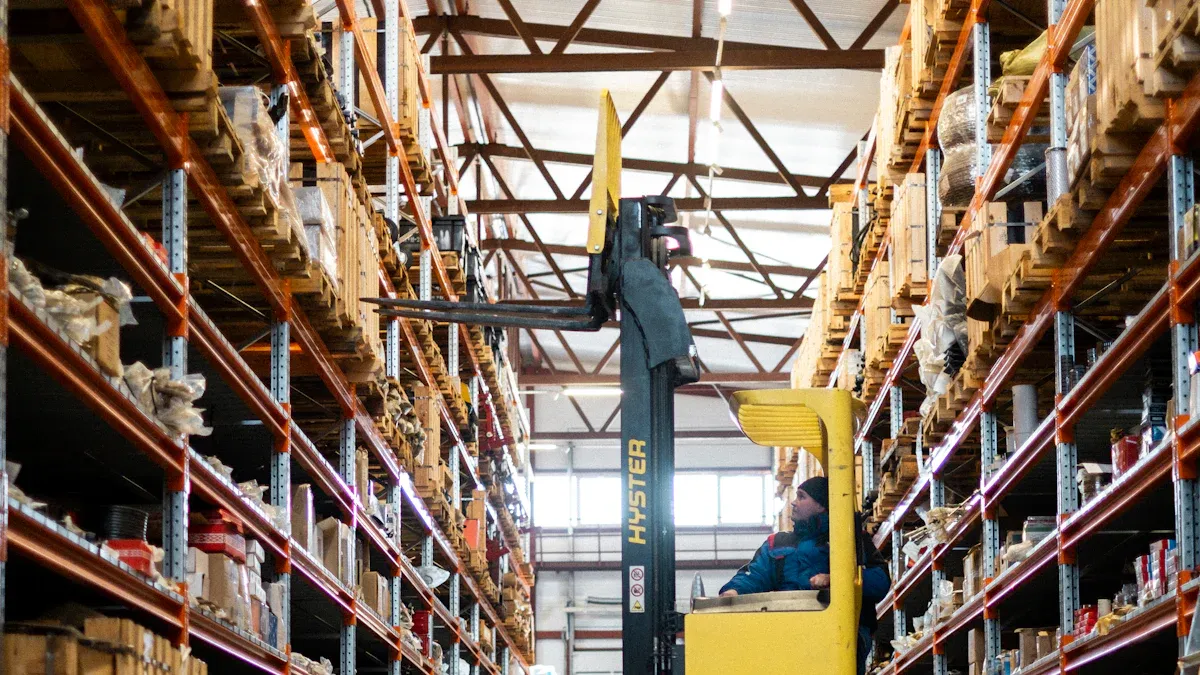
U.S. shippers inventory reduction is a way to handle money problems. The Logistics Managers Index shows inventory levels dropped since July 2024. This change means companies are using new ways to manage inventory. Carrying inventory now costs more, reaching $302 billion in 2024. That is 13.2% higher than last year. Warehousing rates also went up by 7%. These higher costs make businesses change how they manage inventory.
Economic Factor | Description |
|---|---|
Carriers worry about the economy, so they try to save money. | |
Inflationary Pressures | Higher prices make shippers lower inventory to keep profits. |
Cost Control | Shippers need to spend less in a slow market. |
Shippers watch what customers want and check manufacturing PMIs to help them decide. Economic uncertainty and inflation make companies keep less inventory. Companies must balance supply chain risks with saving money. JUSDA helps clients by giving ways to manage inventory and cut extra stock.
Strategic Shift in Inventory Management
Just-in-time inventory management is now more popular. This shows companies are changing how they handle supply chain problems. The October LMI says shippers have less inventory for the first time in a year. This means companies are moving from just-in-case to just-in-time. They want to be faster and more efficient.
Many companies use demand forecasting and lean management to match inventory with what customers want. Automated inventory systems help stop order mistakes and make deliveries better. JUSDA helps clients use these new systems for real-time tracking and better sales channel connections.
Companies that make these changes have fewer stockouts, lower labor costs, and happier customers. By fixing problems like bad demand forecasting and warehouse mistakes, shippers keep the right amount of inventory and react fast to market changes. U.S. shippers inventory reduction saves money and helps companies handle future supply chain problems.
Operational Changes in Inventory Management
Transition to Just-in-Time Models
U.S. shippers are changing how they manage inventory. They are switching to just-in-time models. This means companies order inventory only when they need it. They do not keep extra stock. This helps lower storage costs. The table below shows how traditional and just-in-time models are different:
Key Differences | Traditional Inventory Management | Just-in-Time (JIT) |
|---|---|---|
Inventory Levels | High stock levels | Minimal inventory |
Order Frequency | Regular intervals | Demand-driven |
Stock Handling | Risk of overstocking | Reduces waste |
Efficiency Focus | Balances costs | Maximizes efficiency |
Flexibility | Less flexible | Adapts quickly |
Product Quality | Issues detected late | Issues found faster |
Just-in-time models help companies save money. They do not need to pay for extra storage. Cash flow gets better. Warehouse space is used in a smarter way. Many brands use AI to look at sales data. AI helps them guess what customers will buy. This helps with planning and quick restocking. Companies can manage inventory better and avoid having too much or too little.
Risks of Lean Inventories
Lean inventory strategies can be risky. Stockouts can happen if the supply chain breaks. Companies might wait longer for supplies. This makes planning harder. It is tough to react to sudden changes. If there are problems, forecasts can be wrong. Companies may not meet customer needs. Keeping safety stock costs more money. Profits can go down.
Note: Lean inventory models need strong real-time data. Flexible systems help manage risks from supply chain problems.
JUSDA Warehouse Solutions
JUSDA helps companies with smart warehouse systems. They use tools like eVMI and Juslink. These tools track inventory in real time. Companies can see stock and sales right away. This helps them plan production fast. They can react quickly to market changes. JUSDA has warehouses all over the world. Businesses can store goods near customers. This lowers shipping costs and helps cash flow. Managing inventory in many places keeps stock levels right and saves money.
Real-time tracking helps stop stockouts and too much inventory.
Quick insights help companies make better choices.
Grouped shipments save a lot of money.
JUSDA’s solutions help companies use new inventory strategies. They stay strong even when supply chains have problems.
Impact on Transportation Markets
Trucking vs. Rail and Intermodal
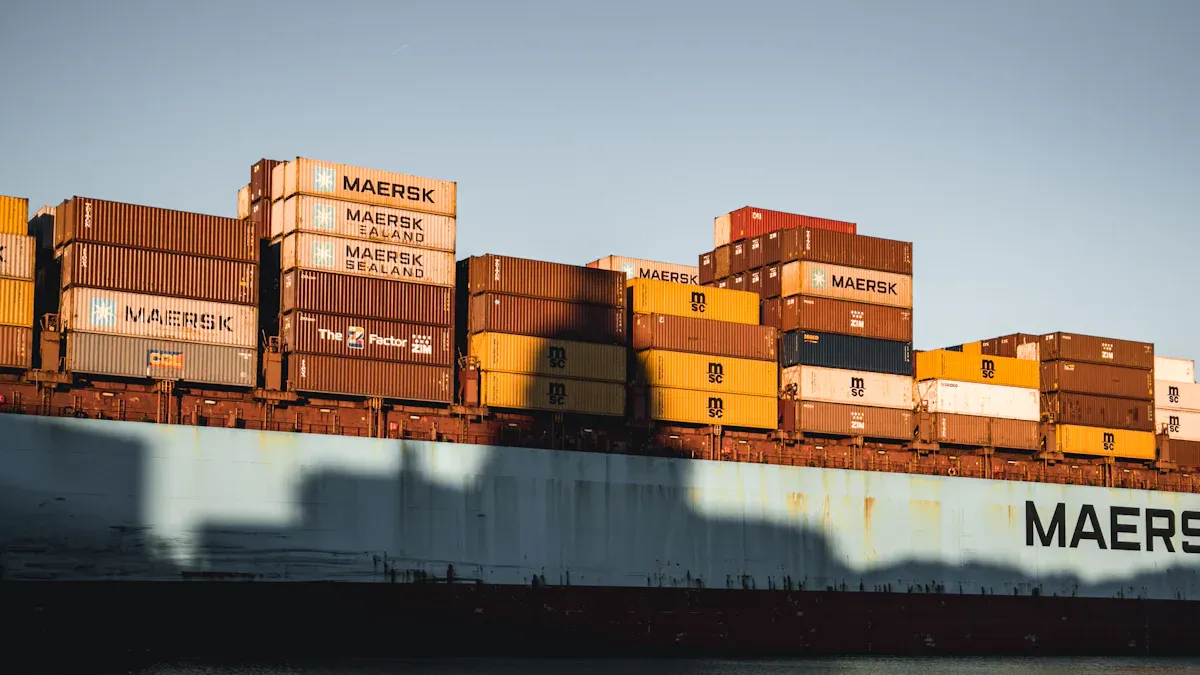
U.S. shippers inventory reduction is changing transportation. Companies move fewer goods now. This affects trucking, rail, and intermodal services in different ways. Trucking companies see less demand because shippers keep less inventory. Rail and intermodal carriers face new problems. They used to benefit from bigger inventories and longer lead times.
Metric | Change (MoM) | Change (YoY) |
|---|---|---|
Dry Van Volumes | -7.4% | -16.3% |
Reefer Volumes | -5.2% | -13.2% |
Flatbed Volumes | -6.8% | +6.7% |
Shipments Component (Cass) | -0.2% | -2.4% |
Dry van and reefer volumes dropped a lot. Flatbed volumes went up a little compared to last year. These changes show that lean supply chains need fewer big shipments. The Logistics Managers Index fell by 1.5 points. Inventory costs dropped by 9 points. This means transportation activity is slowing down.
JUSDA helps clients with multimodal transport solutions. They offer air, land, sea, and rail options. Businesses can pick the best route for each shipment. Rail plus rail can deliver goods in 25 to 27 days. This saves 10% compared to air freight. Land and rail together can be even faster. Companies can respond quickly to demand and avoid delays.
Import Activity Trends
Import activity is changing because of inventory reduction. Companies import fewer goods now. This is true for items affected by the economy and tariffs. The table shows how import categories changed:
Import Category | Change in Imports (%) | Reason for Change |
|---|---|---|
Furniture | Frozen housing market | |
Solar Equipment | 58-65% decline | Escalating tariff policies |
Toys | 30-35% decline | Anticipation of weak holiday season |
Container Utilization | Dropped from 100% to 91% | Overcapacity in shipping |
Furniture and toy imports dropped because of weak markets. Solar equipment imports fell because of new tariffs. Container utilization rates went down. Ships now carry less cargo. These trends show how inventory management affects global trade.
Markets that depend on international trade have more empty logistics facilities. Places with less global trade are not as affected. Tariffs and economic uncertainty make freight markets harder. This changes transportation costs and capacity.
Logistics Provider Adaptation
Logistics providers must change fast to help lean supply chains. Many companies use lean management to cut waste and work better. They focus on customers to meet new needs and lower risks.
Providers group shipments and plan routes to save money.
Data analytics and automation help them work faster and smarter.
Long-term partnerships improve teamwork and service.
Sustainable practices and good supplier deals make supply chains stronger.
JUSDA gives clients flexible logistics solutions. Their global network and technology allow real-time tracking. They can adjust inventory quickly. Multimodal transport helps companies deliver faster and keep customers happy.
Providers track demand forecasting, inventory, and communication. They use feedback and data to improve strategies. This helps businesses stay strong and efficient as inventory management changes.
Note: Transportation markets are changing fast. Logistics providers must stay flexible and creative. Companies that use new strategies and technology will be ready for future supply chain problems and market changes.
Technology and Demand Forecasting
JusLink AI Solutions
JUSDA’s JusLink platform uses smart AI to help shippers predict demand. The platform looks at lots of data, like sales and market trends, to guess what will be needed next. Companies using AI agents for inventory management spend 10% less on inventory and sell 15% more. JusLink’s AI models let companies change plans right away, so forecasts are more correct and work better. This helps businesses react fast to market changes and avoid supply chain problems. McKinsey says AI-powered inventory management can lower costs by up to 20% and raise sales by 10%. JusLink’s AI demand planning makes forecasts up to 15% better, which can help companies earn 3% more before taxes.
Enhancing Supply Chain Visibility
Supply chain visibility is very important for shippers in 2025. JusLink uses technology to give instant data about where inventory is and what shape it is in. The table below shows some key technologies and their benefits:
Technology | Benefits |
|---|---|
Internet of Things (IoT) | Gives instant data on where goods are and their condition, so companies can act fast |
RFID | Gives correct, quick info on inventory amounts and where items are |
Artificial Intelligence | Helps predict problems and makes inventory management better |
Blockchain | Makes sharing data safe and clear |
IoT and AI help companies work better and make smarter choices. Better visibility lets companies react quickly to supply chain problems and lowers the chance of running out or having too much stock.
Real-Time Risk Management
Real-time risk management tools help shippers deal with the risks of lean inventory. JusLink’s platform shows stock levels everywhere right away. This cuts down on running out of stock or having too much by up to 30%. Companies keep just enough of important items as a backup for surprises. Forecasting helps teams change plans if something might go wrong. Technology like ERPs and inventory systems gives real-time control, so teams can fix supplier delays or disasters fast. Tracking systems watch things all the time, so businesses always know what is happening and can act quickly.
JUSDA’s customer stories show that AI-powered platforms help make global supply chains work better. By using predictive analytics, real-time tracking, and risk control, JusLink helps shippers stay quick and strong in a changing market.
U.S. shippers changed how they manage inventory. They keep less inventory and match it to sales. This helps them change import plans quickly. It also makes their finances stronger. Market reports show these strategies changed logistics for everyone. Companies use technology to control inventory better and work faster.
Technology Investment Benefit | Key Points |
|---|---|
Makes it easier to see and control inventory | |
AI for operational resilience | 41% of companies use AI to manage and improve inventory |
Greater efficiency and competitiveness | Technology helps companies get better results with inventory |
To do well, shippers and logistics providers should:
Use big data and AI to guess inventory needs and plan routes
Track inventory in real time to always know where it is
Use green practices to help the business last a long time
Keeping up with new technology will help supply chains run smoothly and keep inventory steady.

JUSDA Solutions
To provide you with professional solutions and quotations.
FAQ
What is driving U.S. shippers to reduce inventory in 2025?
Costs are going up for companies. The economy is not stable. These reasons make companies want to keep less inventory. The Logistics Managers Index shows inventory levels dropped since July 2024. Companies want to save money and react faster to changes.
How does just-in-time inventory management help shippers?
Just-in-time inventory means companies order goods only when needed. This helps them spend less on storage and waste. Companies can react fast to what customers want. They do not have extra money stuck in extra stock.
What risks come with lean inventory strategies?
Lean inventory can cause stockouts if there are supply chain problems. Companies might have delays or miss sales. Using real-time data and good planning helps lower these risks.
How does JUSDA support inventory reduction strategies?
JUSDA gives companies smart warehouse tools like eVMI and JusLink. These tools let companies track inventory in real time. Companies can control inventory better, spend less, and react fast to market changes.
Why is technology important for modern supply chains?
Technology gives companies instant data and better forecasts. AI and IoT help track goods and guess demand. This means fewer mistakes, quicker choices, and stronger supply chains.
See Also
Transforming Logistics: The Future of AI Supply Chains
Exploring Innovations in Sea Freight Logistics for 2024
Top Five Trends Shaping Future Supply Chain Efficiency
Understanding Logistics Risks: Key Trends to Watch
Innovative Supply Chains: Transforming the Logistics Landscape