Vietnam manufacturing expansion and JUSDA's role in global logistics

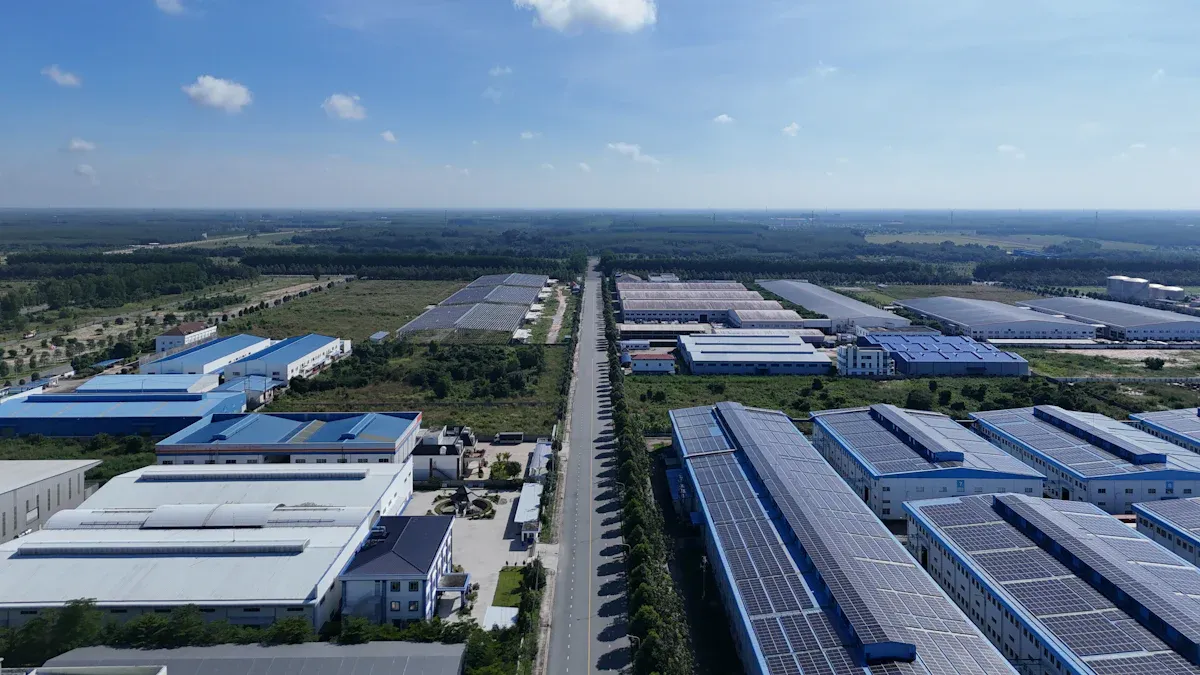
Vietnam’s manufacturing sector continues to reshape the global supply chain with historic trade growth and record-breaking import-export turnover.
Metric | Value |
|---|---|
9.5% | |
Processing and manufacturing growth (2025) | 10% |
Index of Industrial Production (IIP) YoY | 8.4% |
Reliable logistics partners play a vital role in supporting this transformation. JUSDA stands out by delivering advanced supply chain solutions, enabling manufacturers to capitalize on Vietnam’s expanding industrial capabilities and increased international trade.
Key Takeaways
Vietnam's manufacturing sector is growing rapidly, with a projected growth rate of 9.5% by 2025. This growth opens new opportunities for businesses looking to expand their operations.
JUSDA Vietnam offers comprehensive logistics services, including transportation and warehousing, which help manufacturers streamline their supply chains and improve efficiency.
The Vietnamese government supports manufacturing growth through investment incentives and labor training programs, making it easier for companies to thrive in the region.
Digital transformation is key to Vietnam's manufacturing future. Companies are adopting advanced technologies to enhance production efficiency and logistics operations.
Sustainability is becoming essential in manufacturing. Companies that embrace eco-friendly practices can gain a competitive edge and meet global buyer expectations.
Vietnam Manufacturing Growth
Key Trends
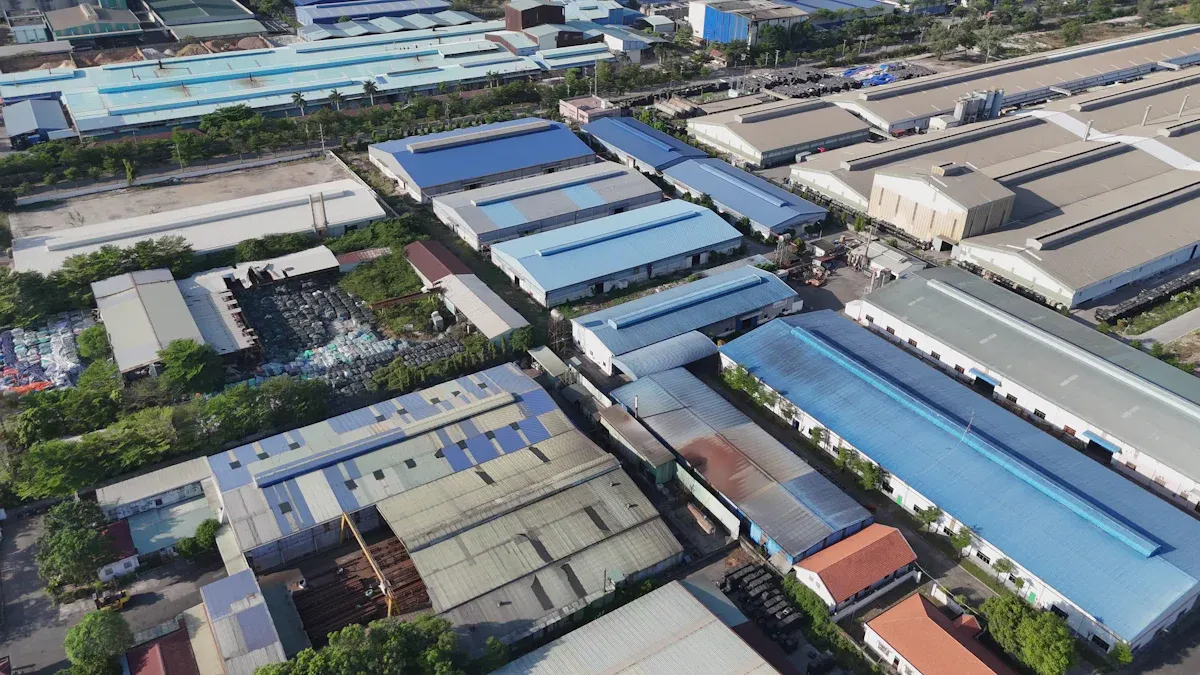
Vietnam’s manufacturing sector has experienced robust expansion in recent years. The industrial and construction sector recorded a 7.32% increase in added value during the first quarter. Manufacturing itself achieved a 9.5% growth rate, while mining followed closely at 9.1%. The country’s exports have surged, especially in electronics, textiles, and high-tech products. Vietnam now plays a significant role in the global semiconductor industry. The nation has shifted from being a low-cost assembler to a key manufacturing hub. This transformation results from strategic investments and changes in global trade dynamics.
Key trends shaping Vietnam’s manufacturing landscape include:
Strong demand for automation specialists, quality assurance professionals, supply chain experts, sustainability engineers, and technical managers.
A strategic position that supports regional manufacturing diversification.
Progressive taxation and policies that encourage foreign direct investment.
Ongoing digitalization in production processes.
Drivers and Policies
Vietnam’s government has implemented several policies to support manufacturing growth. These include investment incentives, labor training programs, and support for technology and research and development. The government also promotes marketing and trade activities to enhance competitiveness.
Policy Type | Description |
|---|---|
Investment Incentives | Incentives attract investment in manufacturing sectors. |
Labor Training Support | Programs improve workforce skills and meet business needs. |
Technology and R&D Support | Assistance helps businesses access advanced technology and promote research. |
Marketing and Trade Promotion Support | Support for branding, marketing, and participation in trade events increases competitiveness. |
Infrastructure upgrades have played a crucial role. Projects such as port expansions and the North-South Expressway improve logistics and the movement of goods. Trade agreements like the Comprehensive and Progressive Agreement for Trans-Pacific Partnership (CPTPP) and the EU-Vietnam Free Trade Agreement (EVFTA) have expanded market access. The CPTPP led to a 6.8% increase in two-way trade turnover, reaching 102.1 billion USD in 2024. Key export products, including electronics and seafood, have gained market share in CPTPP countries. The manufacturing and processing industry benefits most, with six major product categories making up 59% of Vietnam’s total export turnover to CPTPP markets.
Global Supply Chain Impact
Shifting Sourcing Strategies
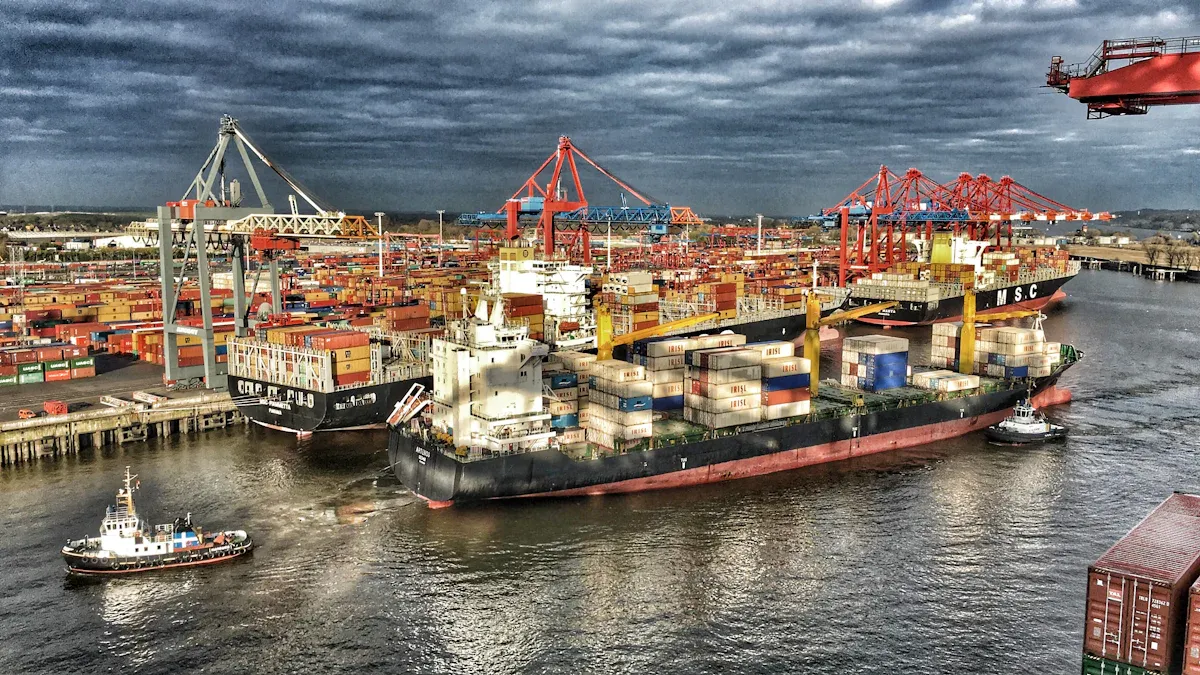
Companies around the world are rethinking their sourcing strategies as Vietnam’s manufacturing sector grows. Many global firms now look to Vietnam for its low labor costs and skilled workforce. Infrastructure improvements, such as upgraded ports and highways, make Vietnam an attractive alternative to China for production and trade. The Vietnamese government offers resources to help companies find reliable manufacturing partners.
Global companies leverage Vietnam’s cost advantages and skilled labor.
Infrastructure upgrades increase Vietnam’s appeal in the global manufacturing landscape.
Government support helps businesses connect with local partners.
Some challenges remain, such as reliance on imported materials from China, which can complicate supply chains.
Vietnam has moved from an agricultural economy to a manufacturing-oriented one. Government policies and foreign direct investment have driven this shift. The manufacturing sector now plays a major role in Vietnam’s GDP and employment.
Opportunities for Businesses
Vietnam’s manufacturing expansion creates new opportunities for international companies. Technology, textiles, and renewable energy sectors see strong growth. Aviation and aerospace attract investments from major players like Boeing and SpaceX. The rise of Vietnam’s digital economy and e-commerce draws interest from US financial services and technology firms.
The government offers incentives for high-tech and renewable energy industries.
Special tax breaks and land-use benefits attract foreign investment.
In 2023, Vietnam received over $30 billion in foreign direct investment, with the manufacturing sector as the top recipient.
Data from the Ministry of Planning and Investment shows foreign investment exceeded USD 4.33 billion, a 48.6% increase from the previous year. The processing and manufacturing industry accounted for 66.9% of total investment capital in 2024.
Note: Vietnam’s role in global supply chains continues to grow, offering businesses a chance to diversify and strengthen their supply networks.
Manufacturing Challenges in Vietnam
Infrastructure and Capacity
Vietnam continues to improve its infrastructure, but manufacturers still face several challenges. The country’s infrastructure lags behind regional competitors. Port congestion and underdeveloped logistics systems often slow down operations. Inadequate transportation networks create logistical difficulties for companies moving goods across the country. Power supply issues sometimes disrupt manufacturing activities.
Manufacturers see the government investing significant funds from the economic recovery program into transport infrastructure. Hai Phong is developing national-level logistics service zones to boost capacity and efficiency. The Ministry of Industry and Trade is working on a Logistics Services Development Strategy to address these challenges. Efforts to digitize logistics services in Hai Phong aim to improve efficiency and service delivery.
Initiative | Description |
|---|---|
Infrastructure Investments | Significant funds from the economic recovery program are being allocated to transport infrastructure. |
Development of Logistics Zones | Hai Phong aims to build national-level logistics service zones to enhance capacity and efficiency. |
Regulatory Reforms | The Ministry of Industry and Trade is working on a Logistics Services Development Strategy to address challenges. |
Digital Transformation | Efforts are being made to digitize logistics services in Hai Phong to improve efficiency and service delivery. |
Note: Infrastructure upgrades remain essential for manufacturers seeking to expand operations and improve supply chain reliability.
Compliance and Sustainability
Manufacturers in Vietnam must navigate complex environmental regulations and adapt to global sustainability standards. International buyers and investors increasingly demand ESG compliance. The EU’s CBAM imposes carbon tariffs on imports, affecting high-emission goods from ASEAN. ASEAN countries now enforce stricter sustainability reporting requirements. Procurement teams require monthly ESG audits.
Manufacturers must comply with the Law on Environmental Protection 2020, which sets requirements for waste treatment, emissions control, and environmental permitting. The Labor Code 2019 protects labor rights, prohibits child and forced labor, and mandates workplace safety. The Anti-Corruption Law 2018 establishes governance and compliance obligations for supply chain integrity.
Balancing compliance costs with long-term sustainable practices helps companies maintain a competitive advantage. Meeting environmental regulations can also drive innovation in manufacturing processes.
JUSDA Vietnam Solutions
Logistics Services Overview
JUSDA Vietnam delivers a comprehensive suite of logistics services designed to support manufacturing firms and global supply networks. The company provides air, sea, land, and rail transportation, enabling efficient movement of goods across borders and continents. JUSDA Vietnam’s self-owned customs team ensures smooth clearance processes, reducing delays and compliance risks for manufacturing strategies.
Value-added services include picking, packing, labeling, kitting, document switching, and repacking. Specialized capabilities such as professional inspection, equipment relocation, and laboratory testing address the needs of high-tech and automotive sectors. JUSDA Vietnam’s multilingual support in Chinese, English, and Vietnamese streamlines communication for international clients. The company’s operational excellence is reflected in quick cargo handover times and strong relationships with customs authorities.
JUSDA Vietnam’s logistics offerings help manufacturing firms achieve production efficiency and maintain supply chain reliability in a rapidly evolving market.
Technology and Innovation
JUSDA Vietnam integrates advanced technology and innovation to drive efficiency and growth in logistics operations. JusLink’s AI Solution enhances supply chain management through real-time analytics, predictive planning, and risk monitoring. The platform analyzes transit times, identifies recurring slowdowns, and highlights compliance issues that could lead to delays. Businesses use supplier reliability scores to benchmark and renegotiate vendor terms, improving overall service levels.
Metric/Benefit | Description |
|---|---|
Transit Time Analysis | Identifies recurring slowdowns at ports or borders. |
Clearance Data | Highlights compliance issues or documentation gaps that could lead to delays. |
Supplier Reliability Scores | Allows businesses to benchmark and renegotiate vendor terms based on actual performance. |
Landed Cost Tracking | Improves pricing strategies by clarifying total import-related expenses. |
Analytics-enabled organizations have reduced logistics costs by up to 15%. | |
Service Level Improvement | Improved service levels by 65% through data-driven decisions. |
Inventory Holding Reduction | Lowered inventory holdings by 35% due to better analytics. |
Market Growth Projection | Asia Pacific’s market for supply chain analytics is expected to grow by over 19% annually through 2037. |
Logistics Market Growth in Vietnam | Projected to grow at an 11.2% CAGR through 2032, emphasizing the importance of analytics tools. |
Freight and Logistics Sector Growth | Set to expand by 6.7% annually to 2030, indicating a shift towards more data-driven operations. |
Digitalization plays a central role in JUSDA Vietnam’s operations. These technologies automate manual tasks, improve data flow, and connect all logistics players for better coordination. Smart factory models enable real-time monitoring and integration across networks, supporting supply chain visibility and connectivity.
68% of local logistics companies in Vietnam invest in digital technologies.
Big data analytics and AI facilitate predictive planning and inventory optimization.
JUSDA Vietnam’s advanced inventory management systems, such as eVMI and JusLink, provide real-time stock tracking and transparency. Automation of documentation and shipment tracking streamlines operations, reducing inefficiencies and saving resources. The company’s commitment to compliance ensures adherence to environmental, labor, and anti-corruption standards, meeting the requirements of global manufacturing clients.
JUSDA Vietnam’s focus on technology and innovation positions the company as a leader in logistics, supporting manufacturing growth and supply chain excellence.
Case Studies: JUSDA in Action
Electronics Manufacturing
JUSDA has played a crucial role in supporting electronics manufacturers as they expand operations in Vietnam. Leading companies in the sector rely on JUSDA’s integrated logistics solutions to manage complex supply chains. JUSDA’s Supply Chain Management Collaboration Platform uses AI and cloud computing to provide real-time transparency and lifecycle management. Electronics manufacturers benefit from accurate demand forecasting, efficient customs clearance, and dynamic inventory management.
JUSDA’s platform has helped electronics clients reduce manual handling, improve data accuracy, and standardize global processes. These improvements have enabled manufacturers to expand globally while maintaining compliance with international standards.
Automotive and FMCG
Automotive and FMCG manufacturers in Vietnam face unique challenges, including fluctuating demand and strict compliance requirements. JUSDA addresses these needs with tailored logistics services and advanced technology. The company’s self-owned customs team ensures smooth clearance for automotive parts and finished goods. JUSDA’s multilingual support helps international clients navigate local regulations.
Automotive manufacturers use JUSDA’s equipment relocation and laboratory testing services to maintain quality and safety. FMCG companies benefit from value-added services like picking, packing, and labeling. JUSDA’s AI-powered risk control tower provides real-time monitoring, helping businesses respond quickly to disruptions.
Customer stories highlight improved operational efficiency, better compliance, and successful global expansion. JUSDA’s expertise in logistics supports the growth of manufacturing in Vietnam and strengthens supply chain reliability for leading brands.
Future of Vietnam Manufacturing
Digital Transformation
Vietnam’s manufacturing sector is entering a new era shaped by digital transformation. Industrial parks now focus on technological readiness, applying digital solutions to boost production efficiency. Companies such as FPT Corporation deliver technology ecosystems that include ERP systems, RPA platforms, AI applications, and cloud computing. These tools help manufacturers improve operational efficiency and streamline logistics.
Manufacturers in Vietnam are adopting smart technologies at a rapid pace. The Smart Manufacturing Development Plan 2023-2030 aims to upgrade infrastructure and promote automation, IoT, and AI solutions. Tax incentives encourage investment in these areas.
Initiative | Description |
|---|---|
Smart Manufacturing Development Plan 2023-2030 | Upgrades infrastructure and promotes smart technologies |
Tax Incentives for Smart Manufacturing | Reduces taxes for automation, IoT, and AI investments |
AI enhances worker capabilities and supports a digitally inclined workforce. The "AI in Industry 4.0" initiative accelerates AI advancement, while collaboration between the National Innovation Centre and Google focuses on talent development. These efforts position Vietnam as an attractive destination for manufacturing growth and logistics innovation.
Sustainability Trends
Sustainability trends are transforming manufacturing practices in Vietnam. The textile industry is shifting toward environmentally responsible production. Manufacturers increasingly adopt sustainable materials and waste reduction measures. Eco-friendly technologies are becoming standard in operations.
Vietnamese factories respond to global consumer demand for sustainable apparel by integrating eco-friendly practices and seeking certifications such as Fair Trade and carbon neutrality. Investments in sustainable production methods are rising. Government initiatives promote eco-friendly packaging and labeling standards, encouraging manufacturers to meet global buyer expectations.
Compliance with strict environmental regulations is essential for market access and credibility. Manufacturers who embrace sustainability gain a competitive edge and support long-term growth.
Vietnam’s manufacturing growth is transforming global value chains. Infrastructure upgrades, sustainability investments, and international trade agreements drive competitiveness and position Vietnam as a long-term growth driver. Businesses evaluating Vietnam benefit from a solid industrial base, cost savings, and strong logistics. JUSDA’s advanced solutions enable efficient, sustainable operations. Companies should monitor automation trends and leverage Vietnam’s strengths for future success.
Infrastructure upgrades and e-commerce expansion boost logistics capabilities.
Electric trucks and energy-efficient warehouses support sustainability.
Key Consideration | Description |
|---|---|
Solid industrial base | Mass production across sectors |
International trade agreements | Preferential tariffs and market access |
Competitiveness | Cost savings and quality certifications |
FAQ
What logistics services does JUSDA Vietnam provide?
JUSDA Vietnam offers air, sea, land, and rail transportation. The company also provides warehousing, customs clearance, and value-added services such as picking, packing, labeling, and equipment relocation.
JUSDA Vietnam supports electronics, automotive, and FMCG sectors with tailored logistics solutions.
How does JUSDA Vietnam ensure efficient customs clearance?
JUSDA Vietnam operates a self-owned customs team. This team manages documentation and compliance, ensuring quick cargo handover and smooth clearance processes.
Benefit | Description |
|---|---|
Fast clearance | Reduces delays |
Compliance expertise | Minimizes risks |
What technology powers JUSDA’s supply chain solutions?
JUSDA uses JusLink’s AI Solution, integrating IoT, cloud computing, and big data. These technologies enable real-time analytics, predictive planning, and risk monitoring for supply chain management.
JusLink provides demand forecasting and inventory optimization.
Automation improves operational efficiency.
Which industries benefit most from JUSDA Vietnam’s services?
Electronics, automotive, FMCG, new energy, and medical health industries benefit from JUSDA Vietnam’s logistics expertise. The company tailors solutions to meet the specific needs of each sector.
Specialized services include clean room sorting and laboratory testing.
How does JUSDA Vietnam support compliance and sustainability?
JUSDA Vietnam complies with environmental, labor, and anti-corruption standards. The company implements EHS management systems and supports clients in meeting global sustainability requirements.
Clean room facilities meet technology brand standards.
Advanced inventory systems provide transparency for audits.
See Also
Exploring JUSDA's Innovative Logistics Solutions For Modern Manufacturing
JUSDA's Logistics Strategies For Sustainable Growth Explained
Discovering JUSDA's Latest Warehousing Innovations For Efficiency
JUSDA's Impact On Transforming Supply Chain Sustainability Practices
Enhancing Supply Chain Transparency With JUSDA's Efficient Solutions