Manufacturing Momentum in Vietnam Accelerates with Expanding Logistics Networks

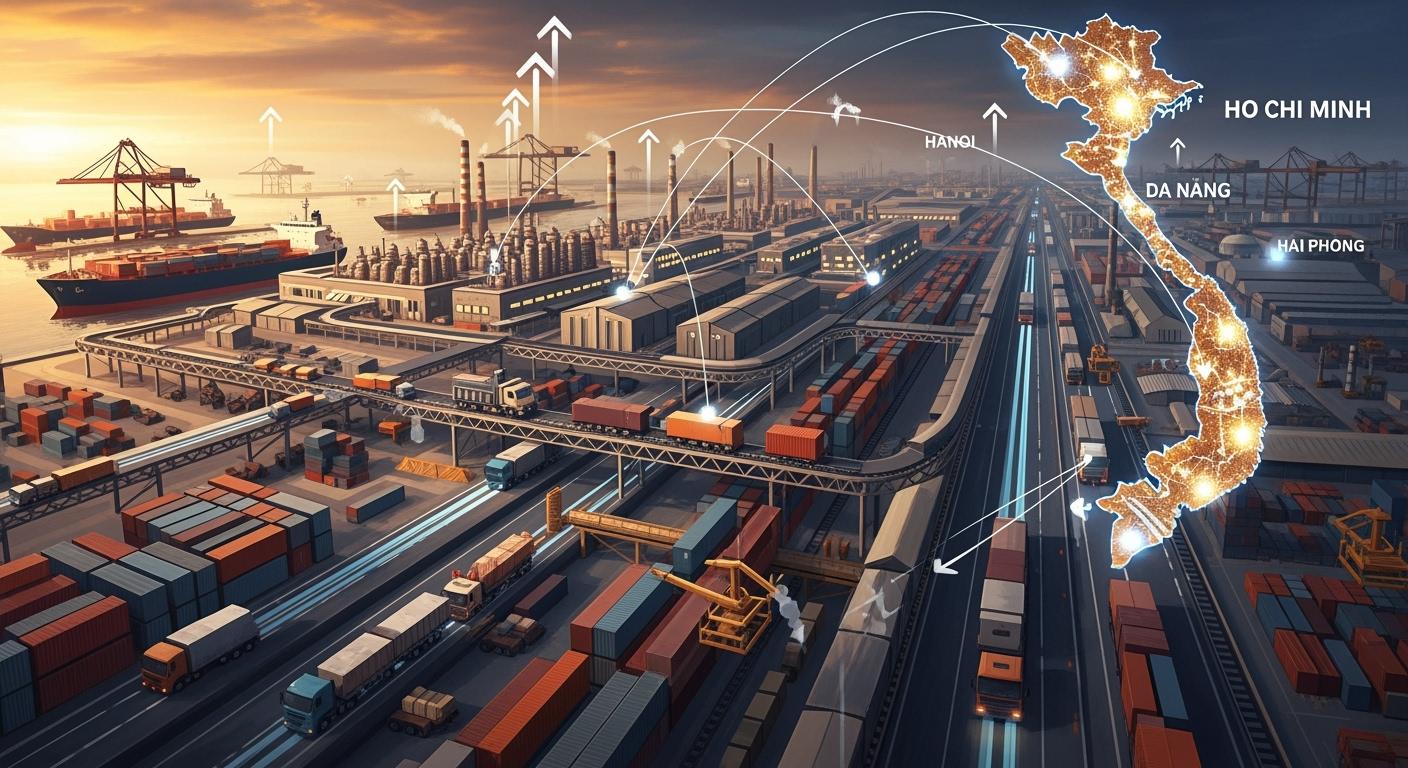
Vietnam’s logistics infrastructure investment has surged 280%, fueling rapid growth in Vietnam manufacturing. The government plans to invest $30 billion in logistics projects by 2024, aiming to reduce costs and boost freight mobility. Recent data shows foreign direct investment reached $24.09 billion in H1 2025, with 56.5% directed to manufacturing.
Time Period | FDI Amount (USD) | Year-on-Year Change | Manufacturing Share (%) |
|---|---|---|---|
H1 2025 | 24.09 billion | +27.3% | 56.5% |
Advanced logistics networks and technology integration—such as JUSDA’s solutions—are transforming operations, improving efficiency, and strengthening competitiveness. These changes create new opportunities for manufacturers and investors to optimize supply chains and drive future growth.
Key Takeaways
Vietnam's logistics investment has surged by 280%, with a government plan to invest $30 billion by 2024. This investment aims to reduce costs and improve freight mobility.
Foreign direct investment in Vietnam reached $28.54 billion in 2025, with nearly 60% directed to manufacturing. This highlights Vietnam's attractiveness for global manufacturers.
Logistics upgrades have improved connectivity and reduced transit times, allowing manufacturers to respond quickly to market demands and enhance export potential.
Technology integration, such as IoT and AI, is transforming logistics operations, enabling real-time tracking and predictive analytics for better supply chain management.
Sustainability is becoming crucial in Vietnam's logistics and manufacturing sectors, with a focus on green initiatives and compliance with Environmental, Social, and Governance (ESG) principles.
Vietnam Manufacturing Growth and Investment Surge
Drivers of Infrastructure Investment
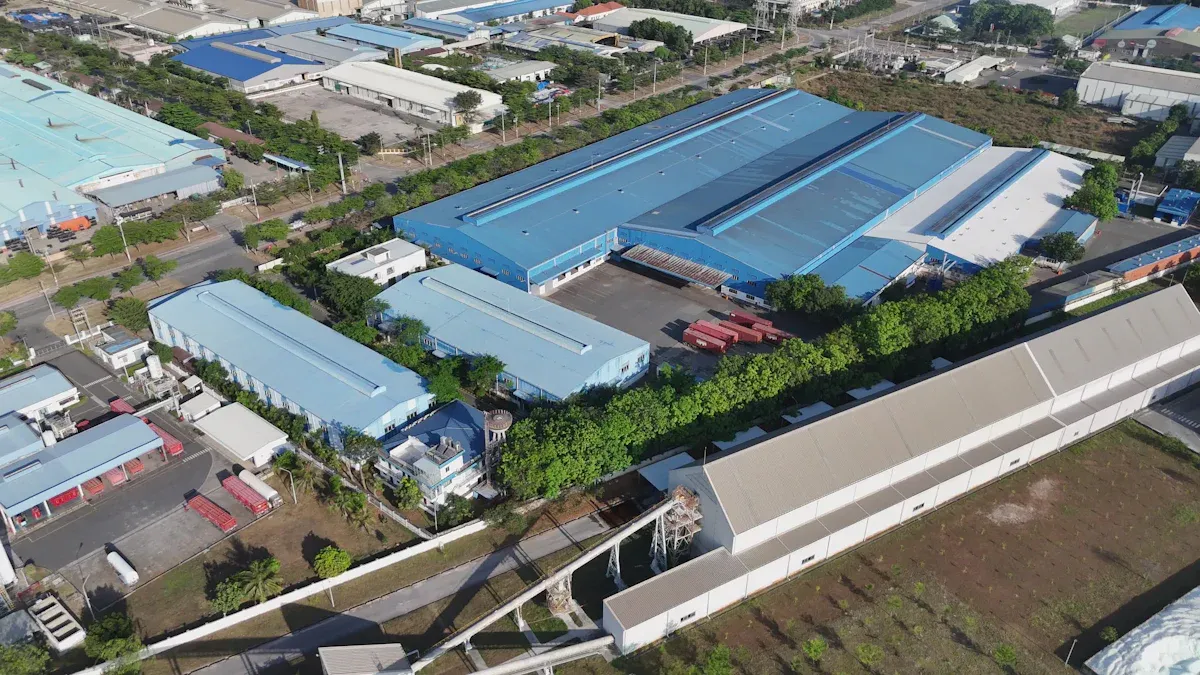
Vietnam continues to prioritize infrastructure development to support the rapid expansion of its manufacturing sector. The government has made infrastructure a central pillar of its economic strategy, focusing on domestic investment to strengthen the foundation for growth. Several factors drive this momentum:
The government supports domestic investment to reduce reliance on external influences.
Infrastructure development remains essential for economic progress.
The Ready-Built Factory market has transformed, with ongoing growth fueled by expanding manufacturing capabilities.
Enhancing transportation and industrial facilities is crucial for supporting Vietnam manufacturing.
A stable Manufacturing PMI of 50.40 points in September, with an average of 50.72 points since 2012, reflects consistent growth. Projections indicate the PMI will reach 52.00 points by the end of the quarter, signaling continued optimism in the sector.
Note: Vietnam’s young and concentrated workforce, high labor force participation, and output growth per worker contribute to the country’s manufacturing competitiveness.
Foreign Direct Investment and China+1 Strategy
Foreign direct investment plays a vital role in shaping Vietnam manufacturing. In the first nine months of 2025, the country attracted a record-breaking $28.54 billion in FDI, with approximately $16.79 billion directed to manufacturing and processing. This sector accounts for nearly 60% of total FDI inflows, highlighting strong interest from global technology companies.
Multinational corporations implement the China+1 strategy by expanding operations in Vietnam to diversify sourcing and reduce risk. Companies favor Vietnam for its competitive labor costs, geographic advantages, and participation in multiple free trade agreements. Recent administrative reforms aim to lower operational costs and improve infrastructure, supporting market expansion and logistics efficiency.
Policy Type | Description |
|---|---|
Tax Incentives | Reduced corporate tax rates to enhance profitability for manufacturers. |
Land Policies | Generous land rent incentives to lower operational costs for businesses. |
Labor Training Support | Programs to enhance workforce skills in key manufacturing areas. |
Technology and R&D Support | Resources and infrastructure for advanced technology adoption in production. |
Marketing and Trade Promotion | Strategies to build brand recognition and attract customers and partners. |
Vietnam manufacturing benefits from a favorable investment climate, low corporate tax rates, and a robust workforce. These factors position the country as a preferred destination for global manufacturers seeking growth and efficiency.
Impact of Logistics Upgrades on Manufacturing
Enhanced Capacity and Efficiency
Logistics infrastructure upgrades have played a vital role in expanding the capacity of Vietnam manufacturing. Improved connectivity between major economic hubs allows manufacturers to move goods efficiently across the country. Upgraded ports now accommodate larger vessels, which supports the export-oriented nature of the economy. Reduced transit times enable manufacturers to transport components and finished products quickly, meeting tight production schedules and customer demands.
Enhanced connectivity between economic hubs streamlines the movement of raw materials and finished goods.
Reduced transit times help manufacturers respond faster to market changes.
Upgraded ports support larger shipments, increasing export potential.
Modern supply chain solutions, such as those offered by JUSDA Vietnam, further boost efficiency. Automated warehouses have led to higher productivity and lower labor costs. These facilities also improve safety for workers. The logistics sector in Vietnam has grown at an annual rate of 14-16%, driven by advancements like automation and digital inventory management. JUSDA Vietnam provides comprehensive logistics services, including air, sea, and land freight, as well as advanced warehousing systems. Their self-owned customs team ensures smooth clearance processes, reducing delays and supporting continuous manufacturing operations.
Note: Automation and technology integration in logistics have become essential for manufacturers seeking to optimize operations and maintain competitiveness.
Competitive Advantages for Exporters
Logistics upgrades have given Vietnamese exporters a significant edge in the global market. The logistics industry in Vietnam is valued at approximately 40-42 billion USD per year, highlighting its importance to the economy. The sector’s annual growth rate of 14-16% has contributed to robust import and export activities. In 2023, Vietnam’s import-export turnover reached 681 billion USD, which is 158% of the country’s GDP. This figure demonstrates the strong impact of logistics on trade performance.
The logistics sector’s rapid growth supports increased export volumes.
Efficient logistics networks help exporters meet international standards and delivery timelines.
Advanced supply chain solutions, such as JUSDA Vietnam’s JusLink platform, provide real-time inventory tracking and predictive analytics, allowing exporters to manage risks and optimize shipments.
JUSDA Vietnam’s expertise in customs clearance and multilingual support enables exporters to navigate complex regulations and communicate effectively with global partners. Their value-added services, including picking, packing, and labeling, ensure that products meet the requirements of diverse markets. By leveraging technology and operational excellence, JUSDA Vietnam helps manufacturers and exporters achieve greater efficiency and reliability in their supply chains.
Vietnam manufacturing continues to benefit from these logistics upgrades, which drive growth, enhance competitiveness, and open new opportunities for international trade.
Expanding Logistics Networks in Vietnam
New Ports, Railways, and Warehouses
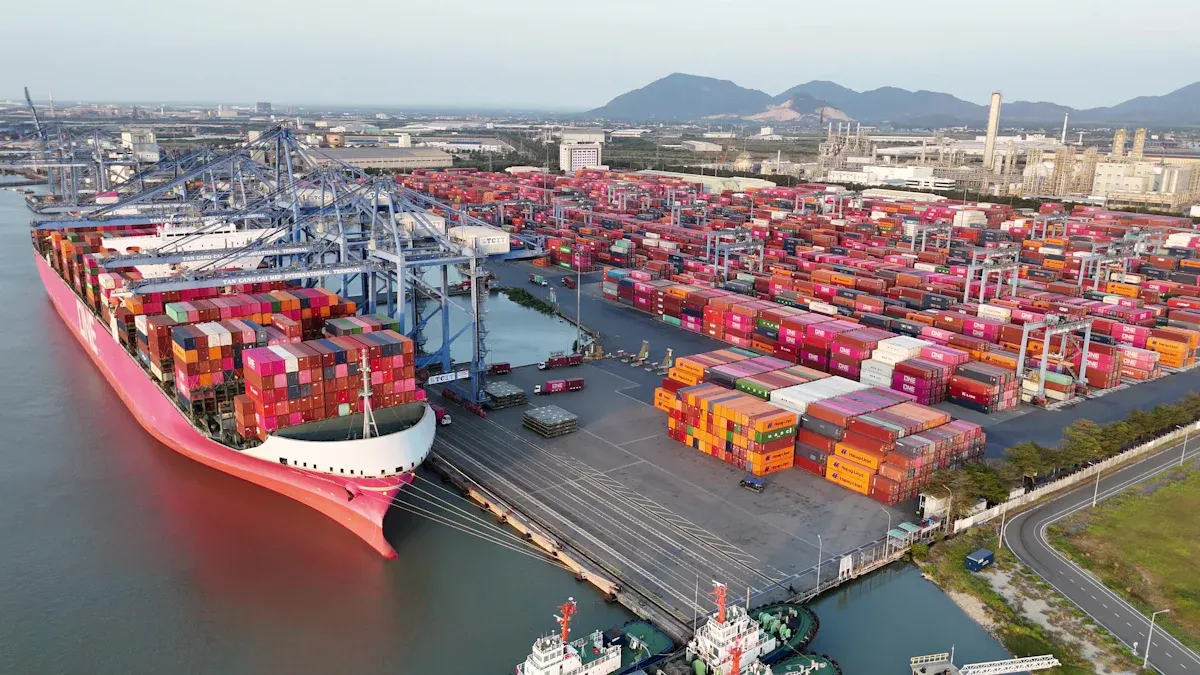
Vietnam continues to invest in major infrastructure projects that strengthen its logistics capabilities. New ports, expanded railways, and advanced warehouses support the growing demands of Vietnam manufacturing and international trade. The following table highlights the most significant port developments:
Port Name | Rank | Throughput (TEUs) | Yearly Growth (%) |
|---|---|---|---|
Ho Chi Minh City Port | 22 | 23.8 | |
Hai Phong Port | 29 | 7.1 million | 12.8 |
Cai Mep Port | 30 | 7.0 million | 29.2 |
Several key projects have enhanced regional connectivity:
Terminal No. 3 was inaugurated, improving trade routes and accommodating vessels up to 45,000 DWT with a capacity of 2.15 million tons per year.
Ha Tinh’s port network expanded to 7 ports and 22 berths, supporting increased cargo flow.
The North-South Expressway reduces transportation times and costs, facilitating smoother trade routes.
The Vietnam-China-Europe Railway Express resumed service, transporting 24,000 containers and 20,000 tonnes of ASEAN fruit. This project cuts delivery time from three weeks to nine days and reduces logistics costs by up to 30%.
Long Thanh International Airport enhances air freight capabilities, attracting foreign investment and supporting supply chain efficiency.
These developments simplify customs procedures and improve cargo movement, making Vietnam a more attractive destination for manufacturers and exporters.
Technology Integration: IoT, AI, and JusLink
Digitalization trends are transforming logistics operations in Vietnam. Companies now use IoT and AI technologies to optimize supply chain management and improve delivery accuracy. IoT sensors collect real-time data on shipments, warehouse conditions, and vehicle locations. AI systems analyze this data to forecast demand, identify disruptions, and optimize inventory management.
JUSDA leads logistics innovation by integrating JusLink’s intelligent supply chain platform. JusLink uses IoT, cloud computing, and big data to provide predictive analytics and real-time visibility. The platform supports route optimization, demand forecasting, and risk management. AI algorithms enhance warehouse efficiency and resource utilization, which is crucial for the logistics sector.
These advancements position JUSDA as a key partner for businesses seeking reliable and efficient logistics solutions. The integration of smart technologies strengthens Vietnam manufacturing by increasing operational efficiency and supporting growth in the logistics ecosystem.
JUSDA’s Solutions for Vietnam Manufacturing
JUSDA Vietnam: Warehousing and Customs Expertise
JUSDA Vietnam delivers specialized logistics solutions that address the unique needs of manufacturers operating in the country. The company’s bonded warehouse services enable enterprises to store goods that have completed customs clearance and await export, as well as goods from overseas that require re-export or import into Vietnam. This approach streamlines inventory management and supports flexible production schedules.
JUSDA Vietnam’s warehouse network spans major industrial provinces in Northern Vietnam, including Bac Ninh, Hai Phong, and Bac Giang. The facilities cover a total area of 130,000 square meters and meet international standards for infrastructure and security. Manufacturers benefit from advanced inventory management systems and strategically located hubs that reduce transit times and optimize supply chain operations.
The company’s customs expertise stands out in the logistics sector. JUSDA Vietnam maintains close cooperation with local customs authorities and employs a multilingual professional team. Their strict management processes ensure faster operations and simplified procedures for clients. Manufacturers gain secure, convenient, and cost-efficient solutions that support compliance and minimize delays.
Key features of JUSDA Vietnam’s warehousing and customs services include:
Dual-layer security for enhanced protection of goods
Multilingual and experienced professional team
Streamlined management processes for efficient operations
These capabilities help manufacturers overcome common market challenges, such as complex customs regulations and fluctuating demand. JUSDA Vietnam’s operational excellence supports the growth of Vietnam manufacturing by providing reliable logistics infrastructure and expert support.
JusLink AI: Intelligent Supply Chain Management
JUSDA’s JusLink platform introduces intelligent supply chain management to the Vietnamese market. JusLink leverages advanced technologies, including IoT, cloud computing, and big data, to deliver real-time visibility and predictive analytics across the supply chain. Manufacturers use JusLink to optimize inventory levels, forecast demand, and manage risks with greater accuracy.
JusLink’s AI-driven capabilities include supply chain trend analysis, freight rate prediction, and sales demand forecasting. The platform’s risk control tower monitors disruptions and provides early warnings, allowing manufacturers to respond quickly to changing market conditions. JusElsa, the intelligent supply chain assistant powered by DeepSeek’s NLP technology, enhances user interactions and supports decision-making.
Manufacturers in Vietnam benefit from JusLink’s automated replenishment strategies and logistics management tools. The platform integrates seamlessly with existing systems, enabling efficient data sharing and collaboration. JusLink’s AI intelligent agents support material preparation, delivery stocking, order inquiry, and risk management, helping enterprises maintain stable operations and reduce costs.
JusLink empowers manufacturers to achieve higher efficiency, lower inventory costs, and improved customer satisfaction. The platform’s comprehensive approach to supply chain management addresses the challenges of fluctuating demand and complex logistics networks.
JUSDA’s commitment to innovation and operational excellence positions the company as a trusted partner for Vietnam manufacturing. Their solutions enable manufacturers to navigate market challenges, optimize supply chains, and drive sustainable growth.
Business Implications and Future Outlook
Opportunities for Manufacturers and Investors
Vietnam manufacturing presents a dynamic landscape for both manufacturers and investors. The expansion of logistics networks has unlocked new business opportunities:
The surge in e-commerce drives demand for distribution centers and fulfillment hubs.
Sophisticated warehousing solutions are needed to support increased domestic consumption and cross-border trade.
Infrastructure upgrades, such as major port expansions and improved roads, enhance connectivity and logistics efficiency.
The e-commerce boom creates a need for last-mile delivery solutions.
Sustainability in supply chains opens doors for green logistics initiatives.
Digitalization and technology adoption transform logistics operations, encouraging investments in digital platforms.
High internet penetration fuels the growth of e-commerce, increasing the need for efficient logistics solutions.
Manufacturers and investors can capitalize on these trends by focusing on advanced logistics, digital transformation, and sustainable practices.
Sustainability and Market Challenges
Sustainability has become a central theme in Vietnam’s logistics and manufacturing sectors. The government promotes Environmental, Social, and Governance (ESG) principles, launching initiatives in partnership with organizations like USAID and AED. Events such as the ESG Investor Conference highlight the importance of green technology and sustainable growth models.
However, several market challenges persist:
Infrastructure limitations, including gaps in inland transport networks, hinder logistics efficiency.
Skills shortages affect operational performance and the adoption of advanced systems.
Complex regulatory processes can delay logistics operations.
Intense competition requires ongoing innovation.
High upfront capital costs for automation and robotics present barriers for some businesses.
Fragmentation in the logistics sector makes large-scale upgrades difficult.
High logistics costs, which account for 16-18% of GDP, impact product pricing.
New trade regulations complicate customs processes.
Stakeholders should monitor the gap between corporate ESG acknowledgment and actual performance. Recommendations include global ESG standardization and mandatory third-party reporting. Future trends point to a projected 40% surge in infrastructure spending, with investments targeting transport, urban expansion, and high-tech facilities. Technological advancements, such as digital twins and AI-powered simulations, will further enhance operational efficiency and supply chain resilience.
Tip: Businesses should stay informed about regulatory changes, invest in workforce development, and prioritize sustainability to remain competitive in Vietnam’s evolving market.
Aspect | Description |
|---|---|
Revolutionizing Supply Chains | Digital twins optimize logistics and reduce costs. |
Enhancing Resilience | AI-powered simulations improve adaptability and resilience. |
Gradual Implementation | Companies can start with basic automation and adopt digital twin technology for better results. |
Vietnam’s surge in logistics infrastructure investment accelerates manufacturing growth and reshapes supply chains. The government invests over 4% of its annual budget in roads, rail, ports, and digital networks. These efforts reduce freight time by 30%, support faster exports, and strengthen regional connectivity. JUSDA supports manufacturers and exporters with advanced logistics solutions, including smart warehousing and AI-powered supply chain management. Key trends for stakeholders include:
Industry 4.0 technologies drive logistics efficiency.
Complex regulations require careful navigation.
Infrastructure gaps affect delivery speed.
E-commerce growth creates new logistics opportunities.
Stay informed about Vietnam’s evolving market to capture future opportunities and address emerging challenges.

JUSDA Solutions
To provide you with professional solutions and quotations.
FAQ
What logistics services does JUSDA Vietnam provide?
JUSDA Vietnam offers air freight, sea freight, trucking, and the Vietnam-China-Europe Railway Express. The company also provides warehousing, customs clearance, and value-added services such as picking, packing, labeling, and inspection.
How does JusLink improve supply chain management?
JusLink uses AI, IoT, and big data to deliver real-time visibility, predictive analytics, and automated replenishment. The platform helps manufacturers optimize inventory, forecast demand, and manage risks efficiently.
What industries benefit from JUSDA’s solutions in Vietnam?
JUSDA serves electronics, automotive, FMCG, new energy, medical health, heavy equipment, and bulk materials industries. The company tailors logistics and supply chain solutions to meet the specific needs of each sector.
How does JUSDA Vietnam ensure smooth customs clearance?
JUSDA Vietnam has a self-owned customs team and strong relationships with local authorities. The team manages documentation and compliance, which helps clients avoid delays and ensures efficient clearance.
What value-added services does JUSDA Vietnam offer?
JUSDA Vietnam provides picking, packing, labeling, kitting, document switching, repacking, clean room sorting, and professional inspection. These services support manufacturers in meeting diverse market requirements.
See Also
Mastering Efficient Logistics for Advanced Manufacturing Achievements
Transforming Future Logistics Through Artificial Intelligence Supply Chains
Innovative Supply Chain Solutions Transforming Logistics Operations
Maximizing Efficiency in Your Automotive Supply Chain Network
Boosting Warehouse Efficiency with Advanced Logistics Robotics