Key Trends Redefining Warehouse Efficiency and Adaptability in 2025

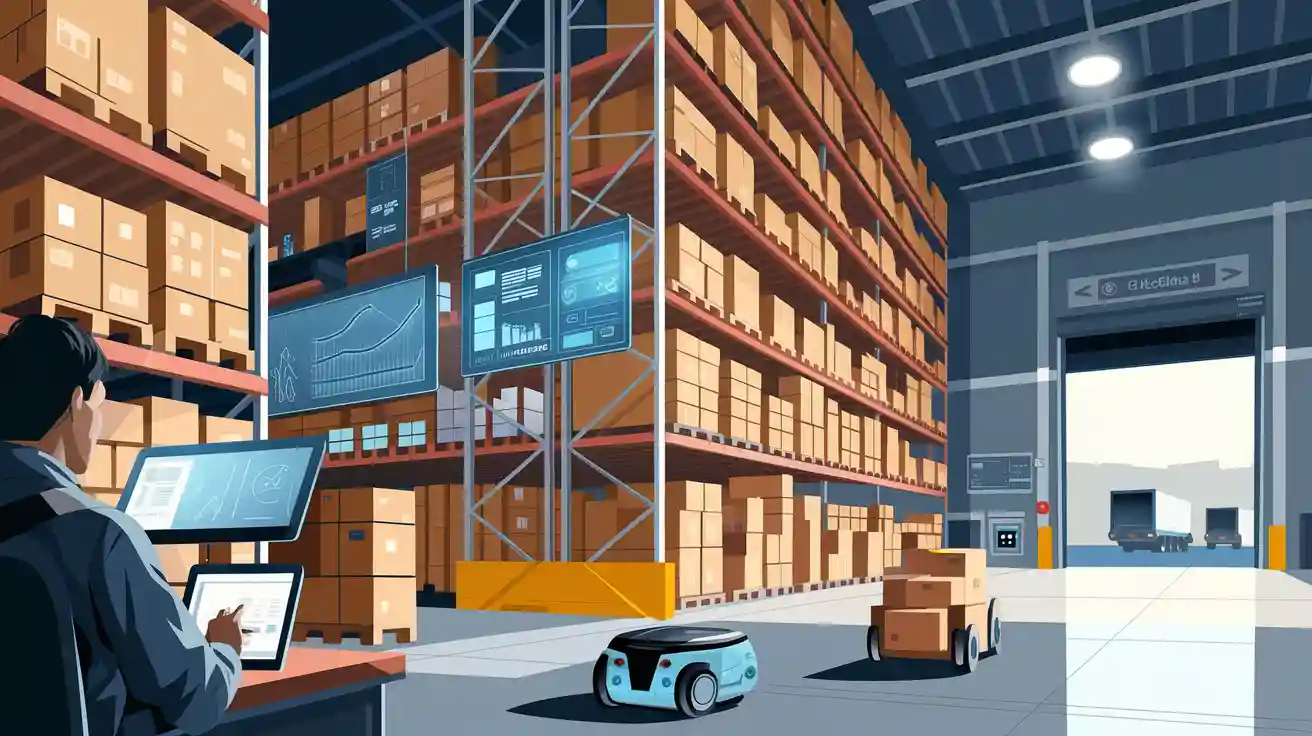
Warehouse innovation and resilience drive global supply chain success in 2025. Businesses invest in new technologies to reduce costs and boost operational efficiency. The following table shows how trends like AI, automation, cloud computing, and digital twins transform warehouse operations:
Trend | Impact on Warehouse Efficiency |
|---|---|
Digital Twins | Revolutionizing warehouse management by creating virtual replicas, enabling advanced simulation and optimization. |
AI | Enhancing decision-making, optimizing workflows, and improving operational efficiency through data-driven insights. |
Automation | Increasing productivity and reducing costs through advanced robotics and automated systems. |
Cloud Computing | Facilitating real-time inventory management and scalable solutions for growing businesses. |
JUSDA leads global supply chain solutions with JusLink, AI, and cloud platforms, setting new standards for digital transformation.
Key Takeaways
Digital twins create virtual models of warehouses, helping managers optimize operations and improve efficiency.
AI enhances decision-making and workflow optimization, leading to better inventory management and reduced costs.
Automation and robotics increase productivity, allowing warehouses to fulfill orders faster and with fewer errors.
Cloud computing provides real-time data access, enabling quick decision-making and better collaboration among teams.
Sustainable practices in warehousing reduce environmental impact and can lower operational costs.
Warehouse Efficiency & Adaptability
Why It Matters
Warehouse efficiency and adaptability play a vital role in supply chain competitiveness. Companies must use advanced technologies to streamline operations and respond quickly to market changes. By using AI and IoT, businesses gain better visibility and can react to shifting customer demands. Supply chain agility helps organizations optimize inventory and avoid costly mistakes. The ability to predict demand with AI-driven forecasting reduces the risk of overstock and stockouts. Automation and IoT improve how warehouses operate, making them more responsive and productive.
Key Point | Description |
|---|---|
Supply Chain Agility | Essential for responding to market shifts and optimizing inventory. |
AI-Driven Forecasting | Enhances demand prediction, reducing overstock and stockouts. |
Advanced Technologies | Automation and IoT improve operational efficiency and responsiveness. |
Warehouses face many challenges that can affect efficiency and adaptability. Global sourcing and multi-channel retailing increase the need for real-time communication. Poor layouts and inefficient picking processes slow down order fulfillment. Labor shortages and high operational costs put pressure on productivity. Without real-time visibility, decision-making becomes difficult. Ineffective space utilization and returns management can lead to overcrowding and wasted resources.
Key Drivers
Several factors drive warehouse transformation in 2025. The rapid growth of e-commerce pushes companies to automate processes and meet fast delivery expectations. Labor shortages encourage the adoption of robotics and automation to reduce reliance on manual work.
Technologies like AI, IoT, and robotics are changing warehouse operations.
AI helps optimize inventory management and predict demand changes.
IoT sensors provide real-time visibility and support predictive maintenance.
"The warehouse management software market is projected to grow from $4 billion in 2024 to $8.6 billion by 2029, reflecting an annual growth rate of 16.3%."
The integration of emerging technologies such as AI and IoT is crucial for optimizing warehouse operations. These tools help automate replenishment, track inventory, and improve efficiency.
AI & ML in Warehousing
JusLink AI Solutions
JUSDA’s JusLink platform uses advanced AI and machine learning to transform warehouse management. JusElsa, the intelligent supply chain assistant, helps companies predict demand with high accuracy. AI Intelligent Agents support material preparation, finished product delivery, and risk management. These tools analyze historical data and market trends to forecast demand, reducing stockouts and overstocks. Companies benefit from real-time insights, which allow them to adjust inventory levels quickly. JusLink’s predictive analytics enable warehouses to anticipate demand spikes and optimize stock. This leads to cost savings and improved customer satisfaction.
AI-driven solutions in JusLink minimize excess inventory and lower storage costs. They also ensure products are available when customers need them, enhancing the shopping experience.
JusLink’s risk control tower monitors supply chain risks in real time. It provides early warnings for disruptions, helping companies respond quickly. Automated application management tracks shipments and detects anomalies, improving transparency and control. JusElsa uses natural language processing to make complex operations easier for users.
Impact on Operations
AI and machine learning have changed how warehouses operate. Automated picking and sorting systems increase speed and accuracy. Predictive maintenance reduces downtime by identifying equipment issues before they cause problems. Workforce management tools help companies allocate staff efficiently. AI also supports warehouse layout planning, making operations smoother.
Company | Impact Description | |
|---|---|---|
Amazon | DeepFleet | Increased robot efficiency, reduced aisle congestion. |
Walmart Canada | GreyOrange | Robotic fulfillment center, faster shipping, less labor. |
Ocado | Robotic picking system | Handles fragile goods at high speed. |
Alibaba | Cainiao Smart Logistics | Swarm robotics, faster sorting, higher throughput. |
JUSDA’s customer stories show how AI improves efficiency and adaptability. For example, Chinese manufacturers use JUSDA’s AI-powered platform to manage global supply chains. They achieve real-time transparency and reduce manual handling. This leads to standardized operations and lower costs.
IoT & Real-Time Data
Connected Warehouse
Connected warehouse systems use advanced technologies to improve how businesses manage operations. Companies rely on Warehouse Management Systems (WMS) and Transportation Management Systems (TMS) to gain real-time insights. These systems help teams monitor inventory levels, shipments, and order statuses instantly. Cloud-based platforms allow data sharing among supply chain partners. This integration supports quick decision-making and better control over daily activities. Businesses respond faster to changes in demand because they see updates as they happen.
Connected warehouses make it easier for teams to work together and solve problems quickly. Real-time data helps managers spot issues before they grow.
The global IoT in warehouse management market reached about USD 11.26 billion in 2024. Experts expect it to grow to USD 17.93 billion by 2030, with a compound annual growth rate of 8.3% from 2025 to 2030. Most IoT deployments use RFID and sensor-based solutions. These technologies account for over 65% of installations because they provide accurate data and improve efficiency.
Inventory Transparency
Inventory transparency means teams know exactly what is in stock at any moment. IoT devices and AI track stock levels in real time. These tools alert staff before shortages occur, which prevents lost sales from out-of-stock items. Smart warehousing automates picking and packing tasks. This automation speeds up order fulfillment and increases accuracy. RFID technology reduces errors in inventory counts. It enables real-time tracking and minimizes manual data entry.
AI tracks stock levels and sends alerts before shortages happen.
Smart warehousing automates picking and packing, improving speed and accuracy.
RFID enables real-time tracking and reduces errors in inventory counts.
Managers use these tools to keep inventory accurate and orders moving quickly. Customers receive their products faster, and businesses avoid costly mistakes.
Warehouse Automation
Robotics & Automation
Robotics and automation have become essential in modern warehouse operations. Companies use these technologies to improve speed, accuracy, and safety. Today, 41% of warehouses use automation and robotics. By 2025, experts expect this number to reach 83%. Businesses rely on several types of robotics and automation to manage tasks:
Autonomous Mobile Robots (AMRs) transport goods across facilities.
Automated Storage and Retrieval Systems (ASRS) use robotic shuttles or cranes for inventory placement and retrieval.
Conveyor systems move packages and pallets between zones.
Automated Guided Vehicles (AGVs) follow set routes to carry goods.
Robotic picking arms identify and sort items of different shapes.
Robotic palletizers and depalletizers load and unload goods onto pallets.
Sortation systems use robotic pushers to sort packages.
Vision systems and AI cameras track inventory and inspect quality.
High-reach robotic vehicles access elevated shelving units.
These technologies help companies reduce errors and increase throughput. Automation allows teams to focus on higher-value tasks while machines handle repetitive work.
JUSDA Case Example
JUSDA uses automation and robotics across its global warehouse network. The company operates facilities in China, Hong Kong, Taiwan, Japan, Vietnam, India, the United States, and Mexico. JUSDA’s advanced management systems, such as eVMI and JusLink, support real-time inventory tracking and control. Staff use automated picking, packing, labeling, and sorting services to speed up order fulfillment. Clean room facilities meet strict environmental standards, ensuring product quality.
JUSDA’s value-added services include kitting, switch doc, and repacking. These automated processes improve flexibility and allow quick adaptation to customer needs. The company’s multilingual staff and close relationships with customs authorities help streamline logistics. Automation reduces manual handling, lowers costs, and increases accuracy. JUSDA’s approach enables efficient inventory management and supports strategic collaboration between suppliers and buyers.
Automation in JUSDA’s warehouses leads to faster order processing and better inventory control. Companies benefit from improved transparency and reduced operational costs.
Cloud Platforms
JusLink Integration
JUSDA’s JusLink platform uses cloud technology to connect every part of the warehouse operation. Teams access real-time inventory data from anywhere, which helps them make quick decisions. JusLink integrates with other business systems, so order processing and shipping stay connected. This seamless integration improves collaboration between suppliers, buyers, and logistics partners. JusLink also supports automated picking and packing, which increases order accuracy and speeds up fulfillment.
JusLink’s cloud-based system gives managers remote access to warehouse data. They can track shipments, monitor inventory, and respond to changes without being on-site.
The platform stores data in secure centers with advanced security protocols. This protects sensitive information and ensures compliance with industry standards. JusLink’s responsive process optimization reduces the risk of stockouts or overstocks, helping companies keep products available for customers.
Benefit | Description |
|---|---|
Remote access to warehouse data for better decision-making and fewer errors. | |
Enhanced Collaboration | Integration with business systems for a connected order-to-ship process. |
Built-in Security and Compliance | Secure data storage with advanced protection. |
Responsive Process Optimization | Improved processes to reduce stockouts and overstocks. |
Scalability
Cloud platforms like JusLink offer scalability that supports business growth. Companies adjust resources based on demand without major investments or downtime. This flexibility proves valuable in dynamic market conditions. JusLink’s microservices architecture allows users to customize features for specific needs. Businesses scale operations up or down as needed, which reduces costs and avoids buying new hardware.
SaaS solutions enable companies to expand warehouse operations without large capital expenses.
Data can be accessed from anywhere, supporting real-time analytics and faster decision-making.
Integration with analytics platforms makes it easier to gain insights and improve performance.
Cloud-based warehouse management systems help companies control costs. Studies show businesses spend 41% less on infrastructure after moving to the cloud. Automation improves picking speed and accuracy, which leads to better order fulfillment.
Analytics & Insights
Predictive Analytics
Predictive analytics has become a cornerstone of modern warehouse management. Companies use real-time data to make informed decisions, moving away from intuition-based approaches. This shift improves inventory management, demand forecasting, and transportation planning. Predictive analytics helps managers anticipate demand surges and dips, which is crucial for inventory and transportation strategies. Firms maintain optimal inventory levels, reducing holding costs and improving service levels. Historical data allows companies to forecast carrier reliability, aiding in partner selection. Analyzing traffic and weather patterns helps optimize routes and predict delivery times. Predictive maintenance identifies potential machinery issues before breakdowns, reducing downtime.
Predictive analytics prevents overstocking or stockouts, anticipates resource needs, enables better raw material contract negotiations, and allows for more accurate budget allocation during new product launches.
Use Case | Benefit |
|---|---|
Demand Forecasting | Anticipates surges and dips in demand |
Inventory Optimization | Maintains optimal stock levels |
Carrier Performance | Predicts reliability for partner selection |
Route Optimization | Improves delivery time predictions |
Predictive Maintenance | Reduces downtime from equipment failures |
Decision Support
Advanced analytics tools support real-time decision-making in warehouses. Warehouse Management Systems (WMS) gather and analyze data, providing live insights into key performance metrics. Managers monitor activities continuously and quickly identify inefficiencies. If order fulfillment times lag, WMS flags the issue immediately, allowing managers to adjust workflows or reallocate resources. Real-time monitoring detects bottlenecks and inefficiencies. Automated alerts for equipment malfunctions enable proactive maintenance, reducing downtime. Continuous data access supports quick adjustments to workflows and resource allocation.
Receive automated alerts for machine malfunctions before they impact productivity.
Reduce unplanned downtime, ensuring continuous workflow efficiency.
AI and Digital Twin technologies allow for real-time data capture and visualization. Operations managers identify gaps and optimize processes, creating a culture of continuous improvement. These tools improve operational efficiency by 15-20% and reduce costs by 5-10%. Warehouse automation leads to productivity gains of 25-30%. Improved visibility and decision-making reduce inefficiencies caused by outdated methods.
Sustainability
Green Warehousing
Companies now focus on making warehouse operations more sustainable. Many leading organizations use several green practices to reduce their environmental impact:
Integrating renewable energy sources, such as solar panels, helps lower electricity costs and dependence on fossil fuels.
Using sustainable building materials, like recycled steel and low-carbon concrete, improves energy efficiency.
Implementing smart inventory management and automation streamlines operations and reduces waste.
Establishing recycling programs and using sustainable packaging alternatives minimizes landfill contributions.
Incorporating water conservation strategies, including rainwater harvesting and low-flow fixtures, saves resources.
Transitioning to eco-friendly transportation methods, such as electric forklifts and optimized route planning, reduces emissions.
Some companies also adopt energy-efficient lighting solutions, such as LED lights with motion sensors. They optimize HVAC systems with smart controls to lower energy consumption. Technology like IoT and AI monitors resource usage and improves operational efficiency.
Sustainable reverse logistics plays a key role in managing returns, recycling, and repurposing products. This approach ensures that returned items are reused or recycled properly, which prevents waste and recaptures value.
Green warehousing practices help companies lower costs, protect the environment, and build a positive reputation with customers.
JUSDA Initiatives
JUSDA demonstrates a strong commitment to sustainability in its warehouse operations. The company uses advanced management systems, such as eVMI and JusLink, to track inventory in real time and reduce waste.
JUSDA offers value-added services, including repacking and software upgrades, which help optimize warehouse processes and minimize unnecessary resource use. The company’s multilingual staff and close relationships with customs authorities support efficient logistics and compliance with environmental regulations. By integrating technology and sustainable practices, JUSDA helps clients achieve efficient and responsible supply chain management.
Digital Twins
Simulation & Optimization
Digital twin technology is changing how managers oversee warehouse operations. Companies use digital twins to create dynamic virtual replicas of physical warehouses. These replicas use real-time data from IoT devices to analyze performance and find ways to improve. Managers can simulate different scenarios and evaluate their impacts before making changes. This process helps them enhance operational efficiency without disrupting daily activities.
Digital twins allow managers to identify bottlenecks and optimize logistics. They can test various scenarios, such as adjusting picking paths or changing storage layouts, to see which options work best. This approach helps managers generate picking lists and monitor key performance indicators. By using digital twins, managers can optimize space utilization and streamline picking paths. These improvements reduce picking time and boost overall efficiency.
Digital twins help managers predict maintenance needs. This trend is growing as companies seek to improve equipment reliability and minimize downtime.
Managers rely on digital twins to continuously improve warehouse processes. They use simulations to make informed decisions and keep operations running smoothly.
The demand for real-time tracking and monitoring in supply chains drives the adoption of digital twin technology.
Logistics companies use digital twins to track goods, reduce delays, and improve inventory management.
Predictive maintenance with digital twins enhances equipment reliability.
Kalypso Example
Kalypso, a Rockwell Automation Company, offers the Digital Value Accelerator to guide businesses through digital transformation in warehouse operations. This solution evaluates current capabilities and sets a clear strategy for future improvements. Kalypso’s approach includes digital twins that use advanced data analytics and simulations. Companies visualize and optimize warehouse processes, improving commissioning times and throughput. The Digital Value Accelerator helps organizations align transformation strategies with business goals. Businesses receive a prioritized list of capabilities and a roadmap for digital transformation. Kalypso’s digital twins allow managers to test operational scenarios, reduce downtime, and improve efficiency.
Implementation
Overcoming Challenges
Many organizations face obstacles when introducing new technologies into their warehouse operations. These challenges can slow progress and affect results. Common issues include:
Data security vulnerabilities and compliance issues
Workforce resistance to technological change
Integration issues with legacy systems
Supply chain disruptions
Companies often struggle to protect sensitive information and meet regulatory standards. Employees may feel uncertain about new systems, which can lead to resistance. Older software and hardware may not work well with modern solutions. Disruptions in the supply chain can also create setbacks during technology rollouts.
To address these challenges, organizations use several proven strategies:
Strategy | Description |
|---|---|
Phased Implementation | Reduces risk and allows for step-by-step improvement during major technology upgrades. |
Vendor Selection | Focuses on reliability and compatibility to avoid high long-term costs. |
Integration Planning | Prevents data silos and ensures smooth data flow and process coordination. |
Change Management | Involves training, support, and user engagement to help teams adapt to new technology. |
Continuous Improvement | Uses regular assessments and planning to keep operations current and optimized. |
Careful planning and strong communication help teams overcome resistance and adapt to new systems.
Best Practices
Global experience highlights several best practices for future-proofing warehouse operations:
Identify existing pain areas. Focus on high-impact areas such as demand planning and route optimization.
Pilot with quantifiable KPIs. Start with a focused pilot project, like testing an AI-powered demand planning tool on top-selling products.
Invest in data infrastructure. Build centralized data storage and maintain strong data governance for clean, consistent information.
Scale and iterate. Use insights from pilot projects to improve algorithms and create continuous learning loops.
These steps help organizations build a strong foundation for digital transformation. By following these practices, companies can adapt quickly and maintain efficient operations in a changing environment.
Warehouse operations continue to evolve as companies adopt digital transformation and innovative technologies. Automation streamlines workflows and reduces errors. Smart warehouses use robots and AI to boost productivity and track inventory in real time. Digitalization enables data-driven decision-making, lowers operating costs, and allows seamless integration with supply chain systems. Businesses should review current processes and plan for new technology adoption. Partnering with JUSDA and using JusLink helps organizations transition smoothly to future-ready warehousing.
FAQ
How does JUSDA ensure inventory transparency?
JUSDA uses advanced management systems like eVMI and JusLink. These systems enable real-time inventory tracking and control, giving clients clear visibility into stock levels.
What value-added services are available in JUSDA warehouses?
Picking
Packing
Labeling
Kitting
Switch doc
Repacking
Software upgrades
Rework services
See Also
Exploring Five Key Trends for Supply Chain Efficiency
Benefits of Automation in Modern High-Tech Manufacturing Warehouses
Transforming Logistics with AI: The Future of Supply Chains
Understanding Robotic Automation's Role in Warehouse Efficiency
Boosting Warehouse Productivity Through Advanced Logistics Robotics