Optimizing Warehousing Zone Picking: Design, Handover, and Merge Point Strategies

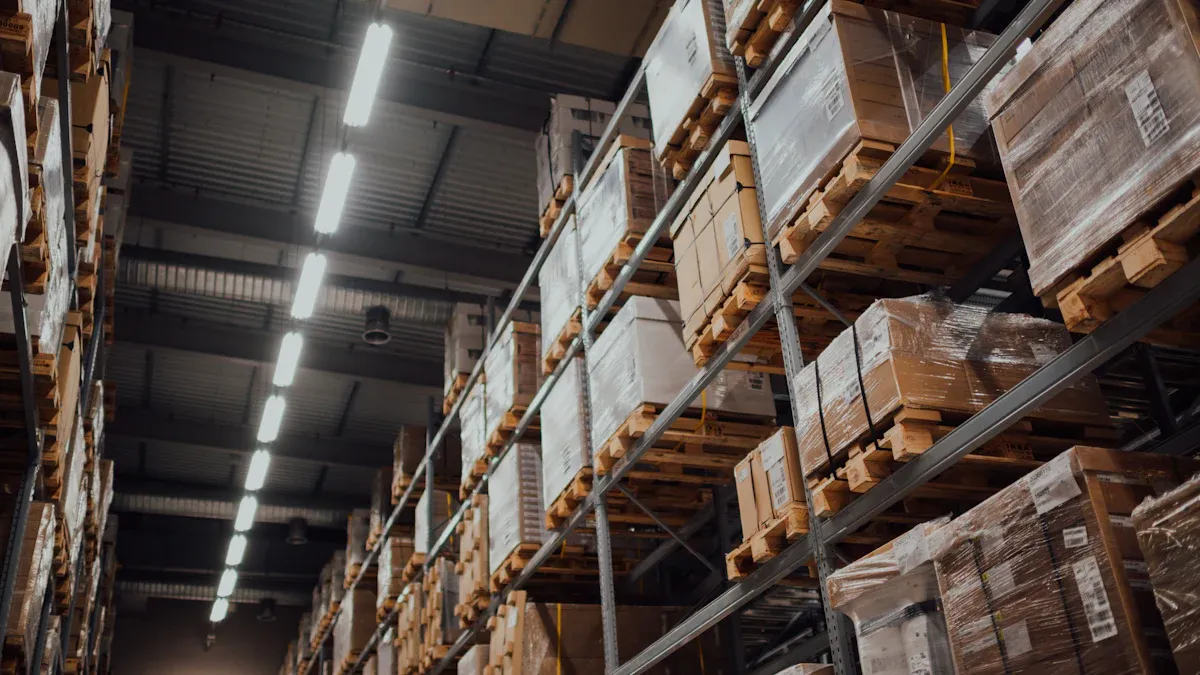
You want your warehouse to run faster and more accurately. Optimizing warehousing zone picking makes this possible. JUSDA leads the way with smart warehouse solutions. Workers focus on specific areas, which boosts pick rates and reduces mistakes. Companies like Amazon and Walmart have seen big improvements:
Company | Improvement in Pick Rates | Notes |
|---|---|---|
Amazon | Significant rise | Workers focus on specific areas |
Walmart | Specialization reduces errors and speeds up picking |
Zone picking also lowers costs and helps your business grow. It streamlines processes, cuts travel time, and adapts to changes in demand.
Key Takeaways
Zone picking boosts efficiency by allowing workers to focus on specific areas, reducing errors and speeding up order fulfillment.
Choose between sequential and synchronous picking models based on your warehouse needs. Synchronous picking is ideal for handling multiple orders simultaneously.
Implement dynamic zone assignments using real-time data to adapt to changing demands and improve labor efficiency.
Utilize data-driven zone creation and effective slotting strategies to enhance picking accuracy and reduce labor costs.
Incorporate automation in transfer and merge processes to save time, reduce errors, and optimize warehouse operations.
Warehousing Zone Picking Models
Sequential vs. Synchronous
You can choose between two main models when you set up Warehousing Zone Picking in your facility. Each model changes how orders move through your warehouse.
Sequential Model ("Pick and Pass")
In the sequential model, you send an order tote to the first zone. The picker in that zone adds the needed items. Then, the tote moves to the next zone. This process repeats until the tote has all the items for the order. You get a simple workflow. You do not need a special area to combine items. However, the speed of the whole process depends on the slowest zone. If one zone slows down, the entire line slows down.
Synchronous Model ("Pick and Combine")
The synchronous model lets pickers in all zones work at the same time. You split the order into smaller tasks. Each picker collects items for their part of the order. After picking, you send all the items to a merge area. There, you combine everything into one order. This model speeds up picking. You can handle more orders at once. You need a well-designed merge area to keep things organized.
Tip: Synchronous picking works best when you have many orders with items from different zones. You can boost speed and accuracy with a smart merge process.
JUSDA uses both models in its global warehouses. In large distribution centers in China and Vietnam, JUSDA often uses synchronous picking to handle thousands of SKUs and high order volumes. In smaller facilities, sequential picking helps keep things simple and efficient.
Static vs. Dynamic Zones
You also need to decide how to assign zones and pickers. You can use static zones or dynamic zones.
Static Zones
Static zones stay the same every day. You assign pickers to fixed areas. They become experts in their zones. You get high accuracy and fast picking. This method works well when your order patterns do not change much.
Dynamic Zones
Dynamic zones change based on real-time data. You use advanced warehouse management systems like JUSDA’s JusLink platform. The system looks at current orders and shifts zone boundaries or picker assignments. You can adapt to busy seasons or new product launches. You use your labor more efficiently. You reduce idle time and speed up order fulfillment.
Here are some ways dynamic zone assignment helps your warehouse:
You meet fast-paced market demands with dynamic slotting.
You adapt to seasonal spikes and new product lines easily.
You improve customer satisfaction and lower costs.
You use warehouse orchestration technology to optimize workforce deployment.
You assign tasks intelligently, reducing idle time and boosting productivity.
You enable faster fulfillment cycles, which is crucial for e-commerce.
You expand inventory without needing more physical space.
You enhance efficiency, accuracy, and adaptability in logistics.
JUSDA’s global network shows the power of dynamic zones. In Japan, JUSDA uses real-time data to shift labor between zones during peak periods. In the United States, JUSDA’s warehouses use JusLink to balance workloads and keep orders moving quickly. You can see how dynamic zone assignment helps large-scale operations stay flexible and efficient.
Note: When you use dynamic zones, you need a strong warehouse management system. JUSDA’s JusLink platform gives you the tools to track orders, assign tasks, and adjust zones in real time.
Warehousing Zone Picking gives you the flexibility to choose the best model for your needs. You can use sequential or synchronous picking. You can set up static or dynamic zones. With JUSDA’s expertise and technology, you can optimize your warehouse for speed, accuracy, and growth.
Zone Design and Slotting
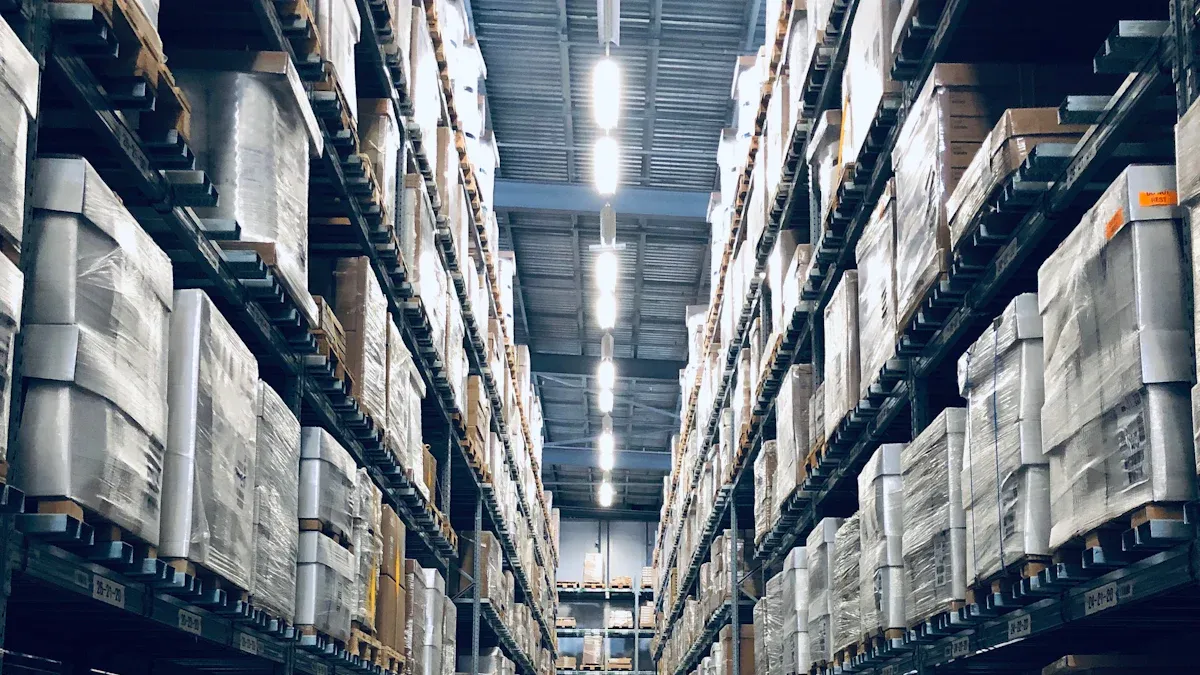
Data-Driven Zone Creation
You want your warehouse to run smoothly and efficiently. Data-driven zone creation helps you reach this goal. You use advanced systems like JUSDA’s eVMI and JusLink to analyze product turnover rates, physical attributes, and order patterns. These systems divide your warehouse into zones that balance workloads and group similar items together.
When you set up zones based on data, you see big improvements:
Automated storage and retrieval systems (ASRS) can achieve picking accuracy rates over 99.9%. This reduces errors and saves money.
Zone picking minimizes unnecessary travel. You pick items faster and move more orders each hour.
Effective slotting techniques within zones can lower labor costs by nearly 20%. You retrieve items quickly and spend less time searching.
You use real-time data to adjust zones as demand changes. For example, JUSDA’s JusLink platform shifts labor between zones during busy periods. You keep your warehouse flexible and ready for new challenges.
Slotting Strategies
Slotting means placing items in the best locations within each zone. You want to make picking easy, safe, and fast. You use proven strategies to organize your warehouse. Here is a table that shows the most effective slotting strategies for high-volume warehouses:
Slotting Strategy | Description | Benefits |
|---|---|---|
ABC Analysis | Ranks SKUs by picking frequency and order volume | High-demand items in easy-to-reach spots |
Affinity Slotting | Groups SKUs often picked together | Less travel, faster picking |
Forward and Reserve Slotting | Separates forward pick and reserve storage zones | High pick rates, more storage |
Changes item locations using real-time data | Adapts to demand, keeps items in best spots | |
Zone-Based Slotting | Organizes items by operational zones | Less cross-traffic, better labor specialization |
Golden Zone Slotting | Places top SKUs at waist level | Faster picks, fewer injuries |
Pick Path Optimization | Aligns layout with best pick paths | Less backtracking, less congestion |
You also consider these factors:
High-velocity items go in easy-to-reach places. You pick them quickly.
Large items stay at lower levels. You keep workers safe and make lifting easier.
Seasonal items move to the front during busy times. You adjust for changing demand.
Ergonomic slotting is important. You store frequently picked items at waist level. Workers bend and stretch less, which lowers the risk of injuries. You organize your warehouse to keep pathways clear and prevent accidents.
Tip: You can boost productivity and safety by following ergonomic best practices. Use material handling equipment that supports good posture. Train workers on safe lifting and rotating tasks. Follow OSHA guidelines to prevent repetitive motion injuries.
Role of WMS
A strong warehouse management system (WMS) is the backbone of your operation. JUSDA’s eVMI and JusLink platforms give you real-time inventory tracking and slotting accuracy. You use these systems to make smart decisions and keep your warehouse running smoothly.
With advanced WMS options, you get:
Dynamic slotting that adapts to market changes. You stay efficient and flexible.
Proactive inventory management. You spot slow-moving items and prevent stockouts.
Continuous adjustments based on real-time data. You always have the right products ready for customers.
Integration with forecasting systems. You plan for future demand and optimize slotting.
Automated reslotting recommendations. You use current inventory levels and picking patterns to improve placement.
Real-time analytics. You review and adjust your slotting plan as inventory needs change.
JUSDA’s technology helps you optimize every part of your warehouse. You track inventory, assign tasks, and adjust zones in real time. You keep your operation efficient, accurate, and ready for growth.
Note: Warehousing Zone Picking works best when you combine data-driven zone creation, smart slotting strategies, and a powerful WMS. You build a warehouse that is safe, fast, and flexible.
Handover Strategies

Manual vs. Automated Transfer
You need to move items between zones quickly. You can use manual transfer methods or automated systems. Manual transfer means workers push carts or carry totes from one zone to another. Automated transfer uses conveyor belts or robots, like Automated Mobile Robots (AMRs), to move items for you.
Here is a table that shows how manual and automated transfer methods compare:
Aspect | Manual Transfer Methods | Automated Transfer Methods |
|---|---|---|
Efficiency | Higher unproductive walking time for pickers | Reduced walking time due to AMR assistance |
Order Fulfillment Speed | Slower due to manual transport of items | Faster with AMRs transporting batches to depot |
Total Tardiness | Potentially higher due to delays in manual processes | Lower due to efficient AMR operations |
Human Resource Utilization | Requires more human labor for transport | Optimizes human labor by reducing transport tasks |
When you use automated transfer, you save time and let workers focus on picking. JUSDA’s conveyor systems and smart routing technology help you move items faster. You can handle more orders and reduce delays. Automated systems also make it easier to track items and keep your warehouse organized.
Tip: Automated transfer works best in high-volume warehouses. You can boost speed and accuracy with JUSDA’s advanced solutions.
Buffer Design
Buffer zones help you keep your warehouse running smoothly. You use buffer areas to hold items between picking zones. This keeps goods organized and prevents bottlenecks.
Here are some ways buffer zones help your workflow:
Buffer zones facilitate the organization of warehouse layouts.
They optimize the flow of goods, which is essential for maintaining workflow continuity.
By minimizing cross-traffic, they help reduce bottlenecks in zone picking operations.
Zone-based picking strategies can significantly reduce travel time.
They improve productivity by logically grouping inventory, which minimizes unnecessary worker movement.
Efficient pick path optimization enhances order fulfillment speed and reduces physical strain on staff.
Industry experts recommend these best practices for buffer design:
Best Practice | Description |
|---|---|
Organized Buffer Storage | An organized and efficient buffer storage area is crucial for quick access and seamless workflow. |
Strategic Placement | Buffer storage should be positioned near receiving and shipping areas to enhance operational efficiency. |
Automation | Implementing automated storage systems can prevent errors and streamline the availability of goods. |
Safety Measures | Automated systems help reduce workplace injuries by minimizing clutter and ensuring a safe environment. |
JUSDA offers value-added services like kitting, labeling, and repacking. You can use these services to keep your buffer zones efficient and safe. With JUSDA’s technology, you maintain a steady workflow and support fast order fulfillment.
Note: Buffer zones and automated transfer systems work together to keep your warehouse efficient. You can rely on JUSDA’s expertise to design a layout that supports growth and accuracy.
Merge Point Optimization
Merge Area Design
You need a smart merge area to keep your warehouse running smoothly. In synchronous zone picking, pickers collect items from different zones at the same time. You bring these items together at a merge point. JUSDA uses song walls and sorters to organize this process. Song walls have many compartments. Each compartment holds items for one order. You scan each item, and the system lights up the right compartment. This helps you place items quickly and accurately.
Sorters work even faster. You feed items into the sorter. The system scans barcodes and sends each item to the correct bin. You can handle hundreds of orders every hour. You reduce mistakes and keep orders moving. A well-designed merge area uses clear signs, good lighting, and enough space for workers and machines. You keep the workflow safe and organized.
Tip: You can boost order accuracy by using merge areas with smart technology. You help workers find the right spot for every item.
Automation in Merging
Automation changes how you manage merge points. You use machines and smart systems to sort and combine items. Automated Storage and Retrieval Systems (AS/RS) and robotic picking help you work faster. Drones explore high shelves and move items over long distances. Industrial IoT connects devices and tracks every step.
Here is a table that shows how automation improves merge efficiency:
Aspect | Traditional Methods | Automated Systems (Sure Sort) |
|---|---|---|
0.5% to 2% | Below 0.1% | |
Labor Dependency | High | Reduced |
Processing Speed | Slower | Increased |
You see many benefits when you use automation:
You reduce sorting errors and customer complaints.
You need fewer workers, which helps when labor is hard to find.
You increase storage without building new space.
You reach 99.9% inventory accuracy.
You keep workers safe by reducing manual tasks.
JUSDA’s merge point technology helps you process more orders with less effort. You save money, improve accuracy, and keep your warehouse ready for growth.
Technology and Innovation
JUSDA Warehouse Solutions
You want your warehouse to work smarter. JUSDA gives you advanced warehouse management systems that help you track inventory, assign tasks, and manage orders in real time. You use tools like eVMI and JusLink to see every item in your warehouse. These systems let you know where products are and how fast they move. You can plan better and avoid mistakes.
JUSDA’s solutions work in many countries. You find warehouses in China, Vietnam, the United States, and Japan. Each location uses technology to fit local needs. You see clean rooms for electronics in Vietnam and fast-moving consumer goods centers in the United States. JUSDA helps you handle products for industries like automotive, medical, and heavy equipment.
Note: You can use JUSDA’s warehouse solutions to support growth in any industry. You get tools that match your business needs.
JusLink AI Integration
JusLink AI makes your warehouse even more efficient. You use real-time data to predict demand and manage inventory. JusLink AI helps you make smart decisions quickly. You see fewer mistakes and faster order fulfillment.
When you add JusLink AI to your warehouse, you get big improvements:
Supply-chain costs can drop by about 15%.
Service levels can improve by as much as 65%.
Administrative costs can decrease by 25-40%.
Storage expenses can be reduced by 5-10%.
You use predictive analytics to plan for busy seasons. Automation helps you move products faster and keep shelves stocked. JusLink AI connects with sensors and devices to track every step. You see alerts for problems and get advice on how to fix them.
JUSDA’s global network lets you use these tools anywhere. You can manage warehouses in different countries and industries. JusLink AI helps you stay flexible and ready for change.
Tip: You can boost efficiency and lower costs by using JusLink AI in your warehouse. You get better results and happier customers.
Best Practices and Challenges
Common Pitfalls
You may face several challenges when you set up Warehousing Zone Picking. Some common pitfalls include poor zone design, uneven workloads, and slow handovers. If you do not use data to create zones, you may see bottlenecks and missed opportunities. Manual transfers can slow down order fulfillment. Lack of clear objectives can lead to confusion and wasted effort.
JUSDA helps you avoid these problems by using smart strategies:
JUSDA builds evidence-backed plans before making changes.
The team maps workflows and listens to feedback from staff.
JUSDA sets clear goals for each pilot, such as improving visibility and reducing manual work.
You can learn from these steps. Always review your process and ask for input from your team. Define what you want to achieve before you start a new project.
Continuous Improvement
You need to keep improving your warehouse to stay ahead. Set up key performance indicators (KPIs) like pick rate, order accuracy, and travel time. These metrics help you track how well your system works. Ask pickers for feedback to find problems and improve pick paths. Regular reviews help you adapt to changes in order volume and product lines.
You should also:
Review slotting and picking strategies often to match new demands.
Work with facility managers to solve handling challenges.
Update your process as your business grows.
Regular checks and updates keep your warehouse efficient. You make sure your supply chain runs smoothly. When you use Warehousing Zone Picking, ongoing monitoring and adaptation help you reach your goals.
Tip: Use data and feedback to guide your improvements. Small changes can lead to big results over time.
You can optimize your warehouse by following key steps. The table below highlights the most effective actions:
Description | |
|---|---|
Layout Design | Improve flow and access in your warehouse. |
Effective Picking Methods | Use zone or batch picking to save time. |
Technology Integration | Track inventory with WMS and mobile devices. |
Slotting Strategies | Place fast-moving items in easy-to-reach spots. |
Coordination and Communication | Keep pickers informed for smooth operations. |
Zone picking boosts efficiency, accuracy, and scalability. You reduce errors, save costs, and support growth. Start by reviewing your current process, then embrace technology and continuous improvement for lasting success.
FAQ
What is zone picking in a warehouse?
Zone picking means you split your warehouse into sections. You assign workers to each section. Workers pick items only from their area. This method helps you save time and reduce mistakes.
How does JUSDA’s JusLink platform help with zone picking?
JusLink gives you real-time data. You track orders, assign tasks, and adjust zones quickly. The platform helps you balance workloads and improve picking speed. You see fewer delays and better accuracy.
Can you use zone picking for small warehouses?
Yes, you can use zone picking in small warehouses. You set up fewer zones and assign workers to each one. This method still helps you organize picking and improve efficiency.
What value-added services does JUSDA offer for warehouse operations?
JUSDA offers picking, packing, labeling, kitting, and repacking. You also get software upgrades and rework services. These options help you keep your warehouse organized and ready for fast order fulfillment.
See Also
Understanding Robotic Automation's Role in Warehouse Efficiency
How Robotics Are Transforming Warehouse Productivity Today
Effective Strategies to Tackle Supply Chain Challenges in Manufacturing
Achieving Success in Manufacturing Through Lean Logistics Practices
Discovering Five Cutting-Edge Techniques for Supply Chain Optimization