Building Resilient Supply Chains: The Strategic Advantages of Nearshoring in 2025

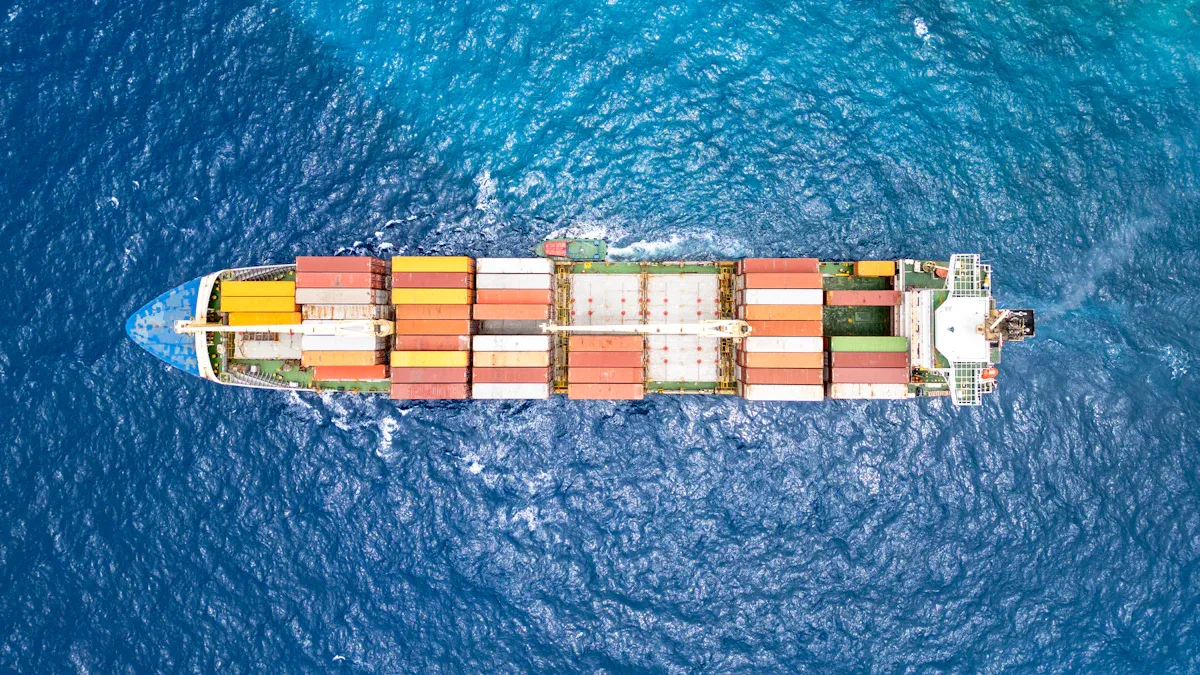
Nearshoring is reshaping how you build resilient supply chains in 2025. Global disruptions have forced businesses to rethink their sourcing strategies. You now face a world where:
Almost 80% of organizations experienced a supply chain disruption in the past year.
Disruptions lasting over a month happen every 3.7 years.
Inflation and economic uncertainty top the list of challenges for 2025.
Nearshoring adoption grew sharply, with 42% of multinational companies now actively using this approach. By partnering with advanced providers like JUSDA, you gain the tools to address vulnerabilities and stay ahead of market shifts.
Key Takeaways
Nearshoring helps you build resilient supply chains by moving production closer to customers, reducing costs, and improving efficiency.
You gain a competitive edge with faster delivery times and better communication by partnering with suppliers in nearby countries.
Diversifying your supplier base through nearshoring lowers risks and enhances your ability to respond to market changes.
Utilizing technology like JUSDA’s AI solutions improves visibility and flexibility in your supply chain, allowing for quicker adjustments.
Building strong local partnerships is essential for successful nearshoring, ensuring smooth operations and clear communication.
What Is Nearshoring?

Nearshoring is changing how you manage your supply chain. You move your operations and manufacturing closer to your customer markets or sources of raw materials. This strategy helps you save costs, improve efficiency, and build stronger client relationships. You work with suppliers in nearby countries, using geographical proximity to gain several advantages.
You relocate operations closer to your customers or raw materials.
You aim for cost savings and better efficiency.
You build partnerships with suppliers in neighboring countries.
Nearshoring vs. Offshoring
You often compare nearshoring with offshoring when planning your supply chain. The differences between these two strategies affect your costs, risks, and operational efficiency.
Aspect | Nearshoring | Offshoring |
|---|---|---|
Cost | Moderate, with greater quality control | Low, but with management risks |
Culture & Language | Similar to the home country, easing integration | Significant linguistic and cultural differences |
Response Time | Real-time communication | Delays due to time zone differences |
Nearshoring gives you reduced geographic and cultural distance. You collaborate and communicate more easily. Your teams solve problems quickly and align business goals with less friction.
Why Nearshoring Matters in 2025
You face new challenges in 2025. Nearshoring helps you build a supply chain that is resilient and agile. You reduce risks and improve your response times. Localized production gives you a competitive edge.
You lower transportation costs.
You shorten lead times.
You collaborate better because of similar cultures and time zones.
You rethink sourcing after disruptions like the COVID-19 pandemic.
You respond to geopolitical tensions by choosing closer suppliers.
You redefine supply chain management for a new era.
Tip: Nearshoring is not just a trend. It is a strategic move that helps you adapt to global changes and secure your supply chain for the future.
Drivers of Nearshoring
Geopolitical and Economic Factors
You operate in a world shaped by shifting geopolitical landscapes. Recent events have forced you to rethink your sourcing and production strategies. Trade wars, regional conflicts, and political fragmentation have made global supply chains unpredictable. You must adapt quickly to maintain stability and control costs.
Geopolitical Event | Impact on Nearshoring |
|---|---|
Trade Wars | Companies are shifting sourcing to alternative markets due to increased tariffs and disrupted supply chains. |
Russia-Ukraine Conflict | The war has caused a rise in energy prices and disrupted logistics, prompting firms to reassess their sourcing strategies. |
Geopolitical Fragmentation | Investment decisions are increasingly influenced by political alignment, leading to a trend of friendshoring. |
You also face new economic realities. Tariffs and trade agreements now play a critical role in your decision-making. The USMCA, for example, has reduced tariffs and simplified customs procedures, making local sourcing more attractive. Mexico’s trade agreements offer preferential market access, supporting seamless cross-border trade. Rising tariffs can make production in certain regions economically unviable. Unpredictable trade policy changes create strategic uncertainty, complicating your financial planning.
Evidence Type | Description |
|---|---|
Trade Agreements | The USMCA has reduced tariffs and simplified customs procedures, making local sourcing more attractive. |
Tariff Impact | Tariff impositions can increase costs and create strategic uncertainty, prompting companies to adjust sourcing models. |
Market Access | Mexico's trade agreements provide preferential access to international markets, enhancing its appeal for nearshoring. |
Market Integration | Mexico's participation in trade agreements supports seamless cross-border trade, enhancing its attractiveness for nearshoring. |
Regulatory changes in 2025 have added new layers of complexity. The suspension of duty-free benefits under Section 321 has introduced new tariffs for goods routed through nearshore locations. You must now focus on meticulous documentation and accurate product classification to meet increased compliance requirements.
Evidence | Description |
|---|---|
Duty-free benefits suspended | The suspension of duty-free benefits under Section 321 for goods routed through nearshore locations has introduced new tariffs. |
Compliance hurdles | Multinational corporations now face increased compliance requirements, impacting their nearshoring strategies. |
Need for documentation | Companies must focus on meticulous documentation and accurate product classification to adapt to the new trade environment. |
Demand for Agility and Speed
You see customer expectations rising every year. E-commerce and omnichannel growth have transformed how you deliver products. Speed and flexibility now define your competitive edge. You must respond faster to market changes and consumer demands.
E-commerce and omnichannel growth is expected to continue, increasing customer expectations for delivery speed and ease.
92% of consumers are likely to return to a retailer if the returns process is easy.
46% of consumers would utilize home pickup for e-commerce returns if offered.
You need supply chains that can adapt quickly. Nearshoring helps you shorten lead times and improve responsiveness. You gain the ability to deliver products faster and manage returns more efficiently. This agility allows you to meet customer needs and stay ahead in a rapidly changing market.
Tip: Nearshoring empowers you to build supply chains that are not only resilient but also agile, giving you the speed and flexibility required to thrive in 2025.
Building Resilient Supply Chains with Nearshoring

You face constant change in global markets. Building resilient supply chains is now essential for your business success. Nearshoring gives you the tools to strengthen your supply chain and respond quickly to disruptions. You can rely on four pillars to achieve resilience: diversification, localization, visibility, and flexibility.
Diversification and Localization
You reduce risk by diversifying your supplier base. Nearshoring helps you avoid dependency on distant suppliers. You gain more control over your operations and improve your ability to respond to market changes.
You cut reliance on faraway suppliers.
You boost agility and speed to market.
You improve quality control.
You support local economies.
The COVID-19 pandemic exposed weaknesses in long supply chains. Many companies faced factory shutdowns and transportation delays. Nearshoring emerged as a solution. You shorten your supply chain and lower the risk of disruption.
The pandemic revealed supply chain vulnerabilities.
Businesses struggled with shutdowns and bottlenecks.
Nearshoring helped companies recover by bringing production closer.
Today’s customers expect fast delivery and sustainable practices. Nearshoring lets you meet these demands. You shorten lead times and reduce your carbon footprint. You build resilient supply chains that support both business and environmental goals.
Note: Nearshoring is not just about cost savings. You create resilient supply chains that adapt to new challenges and support long-term growth.
JUSDA’s expertise in regional warehousing and logistics gives you access to advanced solutions. You benefit from local inventory management, tailored distribution, and compliance with regional regulations. JUSDA’s technology-driven approach ensures your supply chain remains strong and responsive.
Visibility and Flexibility
You need clear insight into every part of your supply chain. Nearshoring improves your ability to track shipments, monitor inventory, and respond to changes. You gain flexibility to adjust production and delivery schedules as needed.
By moving manufacturing closer to your key markets, you lower costs and improve supply chain resilience. You address logistical uncertainties and operational inefficiencies. Nearshoring makes your supply chain more visible and flexible.
Nearshoring reduces lead times. You place production sites near distribution centers and optimize transportation routes. This improves customer satisfaction and increases your ability to adapt. You monitor production more closely, which leads to better demand forecasts and inventory management.
According to recent industry surveys, most businesses now prioritize visibility and flexibility. Over half of supply chain leaders focus on improving visibility, while nearly half emphasize flexibility. Nearshoring supports both goals, making it a favored strategy for building resilient supply chains.
Pillar | Description |
|---|---|
Visibility | You track and monitor supply chain events. You detect issues early and respond quickly. |
Flexibility | You adapt operations fast when problems arise. You avoid high costs and keep your supply chain moving. |
Collaboration | You work closely with partners. You prevent disruptions and achieve shared goals. |
Control | You use technology to share data and enforce strong policies. You ensure procedures are followed correctly. |
JUSDA’s JusLink AI Solution gives you real-time visibility and predictive analytics. You receive early warnings about risks and can adjust your operations quickly. JUSDA’s advanced warehousing and logistics network in Europe supports flexible, technology-driven supply chain management. You build resilient supply chains that withstand disruptions and deliver consistent results.
Tip: You can rely on nearshoring and JUSDA’s expertise to create resilient supply chains that are visible, flexible, and ready for the future.
Strategic Advantages of Nearshoring
Faster Time-to-Market
You want your products to reach customers quickly. Nearshoring helps you achieve this goal. By moving production closer to your target market, you reduce lead times and speed up delivery. You communicate more easily with suppliers in similar time zones. This allows you to respond faster to design changes and production needs. You avoid long shipping routes and complicated customs processes. Your supply chain becomes more agile, so you can meet market demands without delay.
Nearshoring reduces transit times, ensuring faster delivery.
Shared time zones improve communication and speed up decision-making.
You respond quickly to market changes and customer requests.
Proximity to suppliers allows for quicker delivery of parts and products.
Tip: When you nearshore, you gain a competitive edge by getting products to market before your competitors.
Cost and Risk Reduction
You need to control costs and minimize risks. Nearshoring offers several financial and operational benefits. You save on shipping expenses by shortening the distance between production and customers. You avoid tariffs and reduce labor costs while maintaining high productivity. You also benefit from trade agreements like USMCA, which lower operational costs. Nearshoring helps you build a resilient supply chain that can withstand disruptions.
Benefit | Description |
|---|---|
Cost Savings | You reduce labor costs and keep quality high. |
Proximity to the U.S. market | Shorter supply chains and faster shipping improve responsiveness. |
Skilled workforce | You access highly trained workers in nearby regions. |
Trade agreements | Favorable tariffs lower your expenses. |
Cultural compatibility | Shared values make communication smoother. |
Time zone alignment | Overlapping work hours streamline project management. |
Note: Nearshoring helps you avoid complications like material shortages and shipping delays, making your supply chain more reliable.
Quality and Compliance
You want consistent quality and easy compliance with regulations. Nearshoring gives you better control over production processes. You monitor quality standards more closely and address issues quickly. You also find it easier to follow local laws and regulations, reducing legal risks. Nearshoring protects your intellectual property and ensures your products meet safety standards.
You improve quality control by keeping production close.
You simplify regulatory compliance by working within familiar legal frameworks.
Aspect | Benefit |
|---|---|
Quality Control | Closer proximity allows for better oversight and consistent quality standards. |
Regulatory Compliance | You follow local laws more easily, especially in countries with similar legal systems. |
Nearshoring also supports your sustainability goals by reducing carbon emissions from long-distance shipping. You build a supply chain that is not only resilient but also responsible.
JUSDA’s Role in Nearshoring Success
JusLink AI Solution
You need technology that gives you control over your supply chain. JusLink AI Solution helps you predict demand, manage inventory, and reduce risks. You use AI-powered planning to make smarter decisions. Real-time visibility lets you see every step of your supply chain. You can track shipments and monitor inventory with ease. JusLink supports diversified sourcing, so you can build a resilient supply chain that adapts to change.
Here is how JusLink AI Solution strengthens your supply chain:
Feature | Description |
|---|---|
AI-Powered Planning | Utilizes predictive analytics for demand, inventory, and risk management. |
Real-Time Visibility | Implements smarter control towers powered by IoT and AI for enhanced decision-making. |
Diversified Sourcing | Supports strategies like 'China+1' and multi-shoring to improve supply chain resilience. |
JusLink AI Solution gives you the tools to respond quickly to disruptions and keep your business moving forward.
JUSDA Europe: Warehousing and Logistics
You want reliable warehousing and logistics for your nearshoring strategy. JUSDA Europe offers advanced facilities across the continent. You benefit from state-of-the-art warehouses, battery storage, and cross-border logistics. These services help you manage inventory, reduce lead times, and ensure compliance with local regulations. JUSDA Europe’s network covers key markets, so you can deliver products quickly and safely.
You access over 85,000 square meters of warehouse space.
You use specialized battery storage for electric vehicles and energy solutions.
You rely on certified facilities for security and quality.
You benefit from fast customs clearance and efficient distribution.
JUSDA Europe’s infrastructure supports your growth and helps you meet customer expectations.

JUSDA Solutions
To provide you with professional solutions and quotations.
Implementing Nearshoring
Assessing Supply Chain Vulnerabilities
You must understand your supply chain before you begin nearshoring. Start by defining your scope and goals. Gather data on your network and focus on critical areas. Map your supply chain to visualize how products move from suppliers to customers. This helps you spot risk areas and identify key stakeholders. Assess both internal and external risks that could affect your operations. Use technology for real-time visibility and analytics. This approach gives you better insights and helps you make informed decisions.
Map your supply chain network.
Identify critical vulnerabilities.
Leverage technology and data for insights.
Tip: Early assessment helps you avoid surprises and build a stronger supply chain.
Building Local Partnerships
You need strong local partnerships to succeed with nearshoring. Focus on legal considerations and clear communication. Choose partners who share your cultural values and project management standards. Draft contracts that outline scope, deliverables, timelines, and payment terms. Protect your intellectual property and set data security standards. Assign clear roles and responsibilities. Use the SMART framework for goal setting. Schedule frequent check-ins and team-building exercises to strengthen relationships.
Legal considerations
Communication
Cultural compatibility
Project management standards
Contracts with clear terms
Intellectual property rights
Data security standards
Clear roles and responsibilities
SMART goals
Frequent check-ins and team-building
Note: Strong partnerships help you avoid delays and ensure smooth operations.
Leveraging Technology
You can optimize nearshoring by using advanced technology. Digitalization improves efficiency and data accuracy. Tools like IoT, AI, blockchain, and digital twins make your supply chain flexible and responsive. Use collaborative platforms for real-time communication and project management. Develop a detailed plan for transitioning tasks and train your teams to work together. Set key performance indicators to measure success.
Strategy | Description |
|---|---|
Communication | Use collaborative tools for real-time updates and relationship building. |
Integration | Plan transitions carefully and train teams for efficient collaboration. |
Digitalization boosts efficiency.
IoT and AI enhance visibility.
Blockchain secures transactions.
Digital twins provide flexibility.
Tip: Technology helps you track progress, respond to changes, and achieve measurable outcomes like shorter lead times, better quality, and greater agility.
Nearshoring stands out as a strategic move for building resilient supply chains in 2025.
92% of executives now see dedicated inter-Americas supply chains as vital for planning.
Mexico has become the top U.S. trade partner, showing a shift toward local sourcing.
You gain agility and efficiency with JUSDA’s advanced solutions:
Technology | Benefit |
|---|---|
AI-driven tools | Faster delivery and lower costs |
Cloud Computing | Real-time data and flexible operations |
Big Data Analytics | Better supplier management and fewer delays |
Sustainability Initiatives | Reduced environmental impact |
As you look ahead, expect digital twins, blockchain, and green logistics to shape the future. Now is the time to review your strategy and partner with JUSDA for a resilient, technology-enabled supply chain.
FAQ
What is nearshoring, and how does it help your supply chain?
Nearshoring means moving production closer to your customers. You gain faster delivery, lower costs, and better control. This strategy helps you build a supply chain that adapts quickly to changes.
How does JUSDA support your nearshoring strategy?
JUSDA provides advanced warehousing, logistics, and AI-powered tools. You use real-time data and predictive analytics to manage inventory and shipments. JUSDA helps you achieve speed, flexibility, and compliance.
Can nearshoring reduce your supply chain risks?
Yes. You lower risks by diversifying suppliers and shortening transportation routes. Nearshoring lets you respond faster to disruptions and maintain steady operations.
What industries benefit most from nearshoring with JUSDA?
You see strong results in electronics, automotive, FMCG, new energy, and healthcare. JUSDA tailors solutions for each sector, helping you meet industry-specific needs and regulations.
How do you start implementing nearshoring in your business?
Begin by mapping your supply chain and identifying vulnerabilities. You build local partnerships and use technology for visibility. JUSDA guides you through each step for a smooth transition.
See Also
Transforming Supply Chain Management Through Cloud Solutions
Improving Supply Chains Using Cloud Technology Innovations
Addressing Global Supply Chain Growth Challenges Effectively