Everything You Need to Know About Shipping on the China-Europe Railway

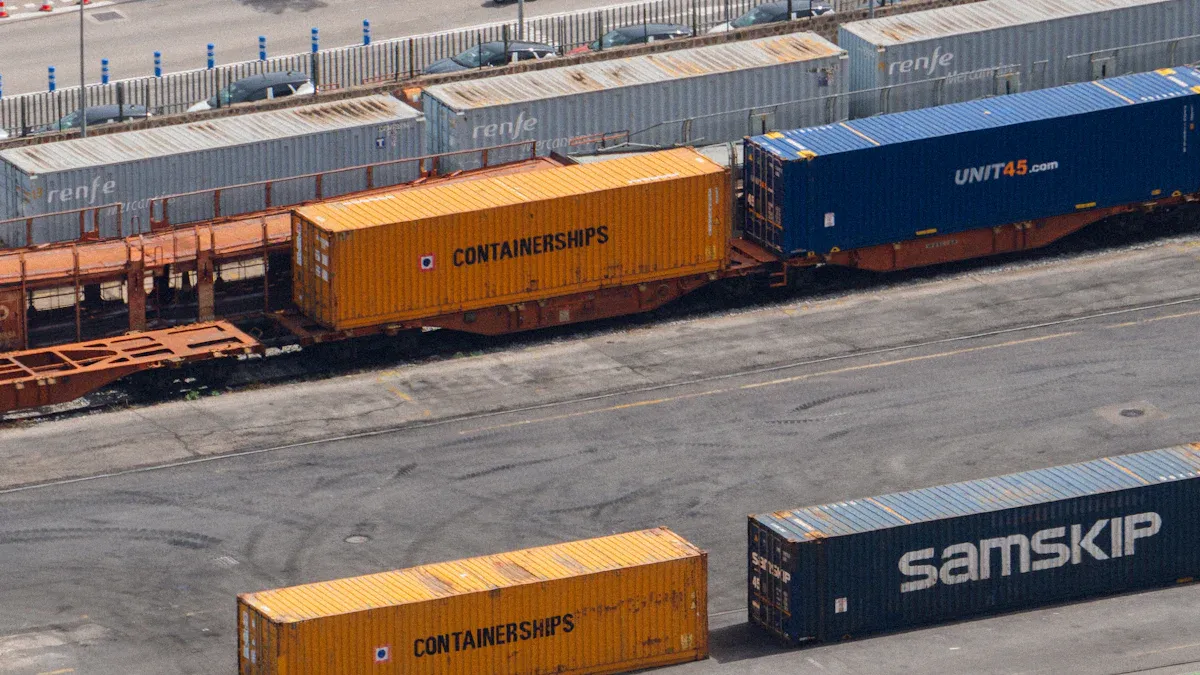
To ship goods through the china-europe railway, you prepare your cargo, book with a trusted partner like JUSDA, complete documentation, and track your shipment as it travels quickly and safely to Europe.
Rail freight takes only 12 to 18 days—about twice as fast as sea shipping.
Costs remain lower than air cargo, with high reliability.
Key Takeaways
Shipping via the China-Europe Railway is faster than sea freight, taking only 12 to 18 days, making it ideal for businesses needing quick delivery.
Proper preparation of cargo and accurate documentation are crucial to avoid delays and ensure smooth customs clearance.
Choosing a reliable partner like JUSDA enhances your shipping experience, providing expertise, tracking, and support throughout the process.
China-Europe Railway Overview

What Is China-Europe Railway?
You can think of the china-europe railway as a modern trade bridge between Asia and Europe. Over the past decade, this network has grown from almost nothing into a vital link connecting about 35 cities in China with 34 cities in Europe. This expansion forms a key part of China’s Belt and Road Initiative, which aims to boost global trade connectivity. The china-europe railway does not match the scale of maritime shipping, but it offers a faster and more reliable alternative for many businesses.
The china railway express has become a symbol of this progress. Each year, more trains run between China and Europe.
In 2023, over 10,000 trains are expected to operate, reaching this milestone 22 days earlier than the previous year.
The total number of china railway express trains has now surpassed 110,000.
Since 2016, the annual number of trains has jumped from 1,702 to a projected 19,000 by 2024.
For 61 months in a row, more than 1,000 trains have run each month.
JUSDA’s Role in Rail Shipping
When you choose JUSDA for your shipping needs, you gain a partner with deep expertise in the china-europe railway. JUSDA has played a pioneering role in developing the china railway express, helping businesses move goods quickly and efficiently. You benefit from JUSDA’s strong network, advanced technology, and experience in handling customs and logistics. This support ensures your cargo travels smoothly from China to Europe, making your supply chain more reliable and cost-effective.
Shipping Process
Preparing Goods
You start your china-europe railway shipping journey by preparing your cargo for long-distance transport. Proper preparation helps you avoid delays and ensures punctual and safe departures. Here are the key steps you should follow:
Inspect containers to confirm they are suitable for freight.
Check weight restrictions to prevent fines or delays.
Load containers evenly to maintain safety during transit.
Reinforce cargo to keep it secure throughout the journey.
Number containers clearly for easy identification and customs inspection.
Match shipping letter information with your cargo to avoid discrepancies.
Follow international railway transportation regulations.
Package and mark cargo properly for the china to europe route.
Prepare waybills and related documents to speed up customs clearance.
Choose the best transportation route for your shipment.
Tip: Careful preparation of containers and cargo helps you achieve trackable origins and smooth customs processing.
Booking with JUSDA
You book your freight with JUSDA by contacting their logistics team or using their online platform. JUSDA’s expertise in china railway express shipping makes the booking process straightforward. You select the type and number of containers, specify your cargo details, and choose the most suitable route from china to europe. JUSDA provides guidance on packaging standards and helps you schedule punctual and safe departures. Their system allows you to track your shipment from origin to destination, giving you peace of mind.
Documentation Needed
You need to gather several documents before your freight can depart on the china-europe railway. These documents ensure legal compliance and smooth customs clearance. The main documents include:
Document Type | Purpose |
|---|---|
Railway Bill of Lading | Serves as a transportation contract and proof of shipment. |
Commercial Invoice | Demonstrates the value of goods and is essential for customs clearance. |
Packing List | Records packaging details and quantities of goods. |
Origin and Destination Documents | Includes export customs declaration and import licenses necessary for legal compliance. |
Note: Accurate documentation helps you avoid delays and ensures your containers move efficiently through customs.
Customs Procedures
You must clear customs before your cargo can travel from China to Europe. The china railway express offers several customs clearance options depending on your shipment type and destination. Here is a summary:
Customs Clearance Type | Suitable For | Description |
|---|---|---|
Standard customs clearance | All types of shipments | Goods are cleared for 'free movement' after import duties are paid, allowing transport within the EU. |
Fiscal Customs clearance | Transshipments / shipments not arriving at destination | Import tax is paid in advance; VAT charged later by local tax office. |
T1 transit document | Shipments to a third country or under another procedure | Shipments are uncleared and must transition to another customs procedure quickly. |
JUSDA’s team helps you select the right customs procedure and prepares your containers for inspection. Their experience with china-europe railway shipments ensures your cargo passes through customs smoothly.
Loading and Transit
You load your containers at the departure terminal in China. JUSDA coordinates the loading process to ensure your cargo is secure and meets all freight requirements. The transit time depends on your chosen route. Here is a quick overview:
Route | Transit Time |
|---|---|
China – Warsaw (Poland) | ~ 12 days |
China – Hamburg (Germany) | ~ 14 days |
China – London (United Kingdom) | 16 ~ 18 days |
China – Moscow (Russia) | ~ 12 days |
General Rail Freight Duration | 2 to 3 weeks |
You benefit from punctual and safe departures, and you can track your containers throughout the journey. The china-europe railway provides reliable freight service, making it a preferred choice for many businesses.
Delivery in Europe
After your cargo arrives in Europe, JUSDA manages the final delivery process. Following customs clearance, local distribution trucks transport your containers to their ultimate destination, such as a retail shop or warehouse. Since most deliveries occur within the EU, you do not need additional customs clearance, which speeds up the process. JUSDA’s tracking system updates the location and status of your containers until they are marked as delivered. You receive electronic proof of delivery, ensuring transparency and efficiency.
Tip: JUSDA’s logistics management ensures your freight reaches its destination on time, with trackable origins and reliable delivery.
Shipping Routes from China to Europe
Main Rail Routes
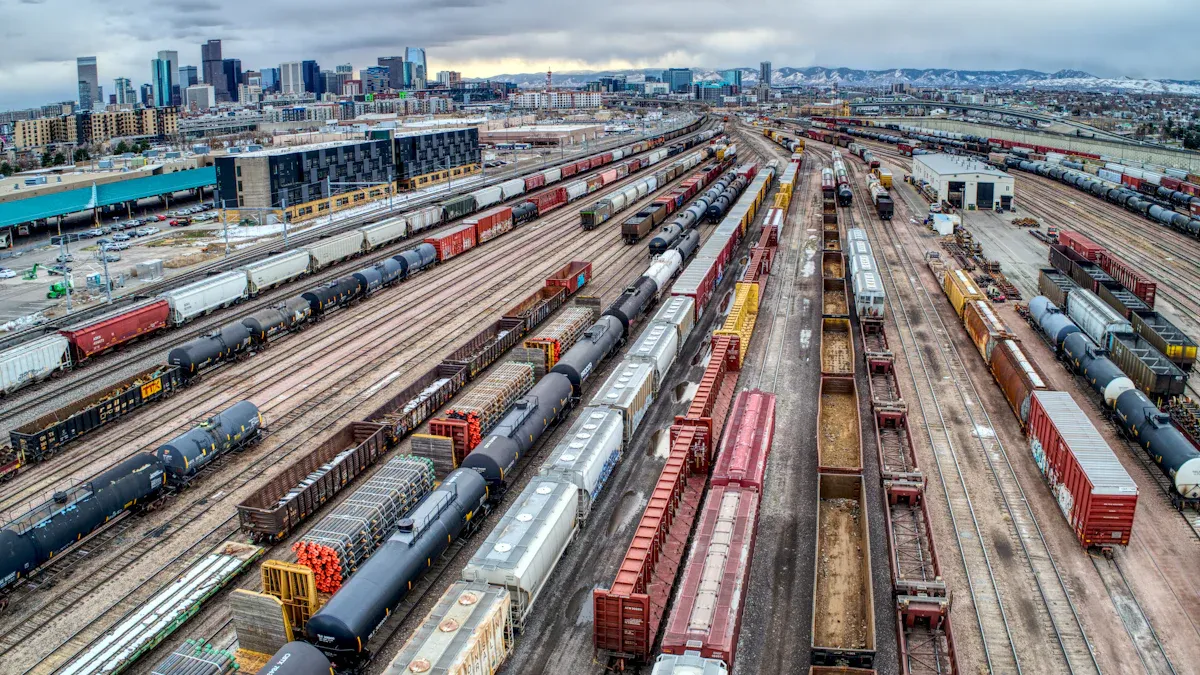
You can choose from several major shipping routes from China to Europe when planning your cargo transport. The china-europe railway connects key cities in China with important European destinations, forming a robust transportation network for cross-continental trade. Each route offers unique advantages, helping you select the most efficient route for your shipping needs.
Xi'an International Port Station stands out as a central hub. It operates 18 regular international routes, linking Xi'an to trade centers across Eurasia. You can send cargo to Almaty, Tashkent, and Hamburg, among other cities. These connections make it easier for you to reach new markets and streamline your logistics.
Here is a table showing some of the main shipping routes from china to europe:
Chinese Cities | European Cities |
|---|---|
Xi'an | Duisburg |
Wuhan | Hamburg |
Chengdu | Warsaw |
Zhengzhou | Madrid |
Yiwu | London |
Moscow |
You can also view these routes as direct connections:
Xi'an to Duisburg
Wuhan to Hamburg
Chengdu to Warsaw
Zhengzhou to Madrid
Yiwu to London
Xi'an to Moscow
Each route supports different types of cargo, including electronics, clothing, and medical supplies. You can select the route that best matches your delivery timeline and destination requirements.
Tip: Choosing the right shipping route from china to europe helps you reduce transit time and improve reliability for your cargo.
JUSDA’s Network and Coverage
JUSDA gives you access to an extensive transportation network that covers both traditional and intermodal shipping routes from China to Europe. You benefit from flexible options that suit your cargo type and delivery schedule. JUSDA’s network supports cross-continental trade by connecting Southeast Asian markets to Europe through Chinese railway channels.
You can review the following table to understand JUSDA’s coverage and route options:
Route Type | Route Description | Transit Time | Departure Frequency |
|---|---|---|---|
Rail+Rail | Hanoi → Europe | 25-27 days | Wed/Fri/Sat |
Land+Rail | North Vietnam → China → Europe | 23-25 days | Daily |
JUSDA’s network allows you to move cargo efficiently, whether you ship from China or neighboring countries. You can rely on daily departures for land+rail routes, which helps you maintain a steady supply chain. The rail+rail option offers regular departures three times a week, giving you flexibility for larger shipments.
JUSDA’s expertise ensures your cargo travels on the most efficient route, minimizing delays and optimizing delivery times. You can track your shipment throughout the journey, gaining visibility and control over your logistics.
Note: JUSDA’s broad network and advanced technology make it easier for you to manage shipping routes from china to europe, ensuring your cargo arrives safely and on schedule.
Requirements and Regulations
Packaging Standards
You must follow strict packaging standards when preparing containers for shipping on the China-Europe Railway. These standards help protect your cargo and ensure compliance with international regulations. Each consignment requires specific certifications and labeling, especially for sensitive goods like batteries and lamps. You need to use containers that meet these requirements to avoid delays or damage.
Requirement Type | Details |
|---|---|
Mandatory certification | |
IEC 60598 (for lamp safety standards) | |
Packaging specifications | Each consignment must carry the UN3481 label |
Batteries must be built into the product | |
Use patented shockproof structure to reduce breakage rate to <0.5% |
You should always check that your containers are properly labeled and reinforced. This step helps you maintain the integrity of your cargo throughout the journey.
Prohibited Items
Certain items cannot travel in containers on the China-Europe Railway. You need to know these restrictions before shipping your cargo. The following table lists items you must avoid:
Description | |
|---|---|
Machinery | Equipment used for industrial purposes |
Electronics | Devices that operate on electrical principles |
Camouflage Clothing | Attire designed to conceal or disguise |
Weapons | Arms and ammunition |
Explosives | Substances capable of causing explosions |
Flammable Liquids | Liquids that can easily ignite |
Poisons | Substances that can cause harm or death |
Live Animals | Animals that are alive and require special care |
You should review this list before loading containers to prevent customs issues or shipment delays.
Insurance Options
You have several insurance options to protect your cargo during shipping. The most common choice is cargo insurance. This coverage helps you manage risks such as damage from accidents, theft, or natural disasters.
There are indeed several insurance options available for goods transported via the China - Europe Railway. The most common type is cargo insurance. This type of insurance covers a wide range of risks that your goods might face during the journey. For example, it can protect against damage caused by accidents, such as derailments or collisions. It also covers theft and damage from natural disasters.
You should consider insurance for every shipment to safeguard your containers and ensure peace of mind.
Costs and Transit Times China to Europe
Pricing Structure
You pay for shipping on the China to Europe railway based on several factors. The pricing structure considers the volume of containers, operational costs, market demand, and negotiations among logistics partners. Discounts apply when you ship larger volumes of cargo. Government subsidies can also affect rates, but their withdrawal may increase costs. The complexity of pricing comes from the involvement of multiple carriers and enterprises along different routes.
Factor | Description |
|---|---|
Transportation Volume | Pricing links to the volume of containers shipped, with discounts for higher volumes. |
Operational Costs | Costs during freight transport influence overall rates. |
Market Demand | Fluctuations in demand can change rates for containers. |
Government Subsidies | Subsidy changes impact rates and shipping costs. |
Multi-Party Negotiation | Rates result from negotiations among logistics partners. |
Complexity of Pricing | Multiple carriers and routes make the pricing mechanism complicated. |
Factors Affecting Cost
You see several factors that influence the cost of freight from China to Europe. Fuel prices can add surcharges, sometimes increasing rates by 10-30%. Seasonal demand causes rates to rise, especially during peak periods, with surcharges of $500-$800 per container. Route congestion can delay delivery, adding extra days and costs. The dimensions of your cargo matter, as bulky containers may incur higher rates. Customs duties range from 0% to 17%, affecting the total cost. Competition among carriers helps keep rates stable across different routes.
Factor | Description |
|---|---|
Fuel Prices | Oil price increases lead to fuel surcharges and higher rates for containers. |
Seasonal Demand | Peak seasons raise rates and add surcharges for containers. |
Route Congestion | Delays on busy routes increase costs and extend delivery times. |
Cargo Dimensions | Bulky containers cost more due to volumetric weight charges. |
Customs Duties | Duties impact the total cost of shipping containers. |
Carrier Competition | More competition leads to stable rates for freight on major routes. |
Tip: You can reduce costs by planning shipments during off-peak seasons and choosing less congested routes.
Delivery Timeframes
You benefit from fast delivery when you use rail freight for shipping from China to Europe. Most containers reach their destination in 10 to 25 days, depending on the chosen routes and final location. For example, containers sent to Germany usually arrive in 12–18 days, while those headed to Spain may take 18–25 days. Rail freight offers a much quicker alternative compared to sea shipping, which can take up to 40 days.
Destination Country/Region | Transit Time (Days) |
|---|---|
Germany | 12–18 |
Poland | 10–15 |
Russia | 15–22 |
France | 14–20 |
Spain | 18–25 |
Belarus | 8–12 |
You can track your containers throughout the journey, ensuring your cargo arrives on time. Reliable delivery helps you maintain a steady supply chain and meet customer expectations.
Choosing a Shipping Partner
Why JUSDA?
You want a partner who delivers reliability and service quality for your China-Europe rail shipments. JUSDA stands out because it combines advanced technology with deep logistics expertise. You benefit from real-time tracking and AI-driven solutions that keep your cargo moving and your information up to date. JUSDA’s rail service meets the needs of industries that depend on steady delivery, such as electronics and medical supplies. You can trust JUSDA to handle customs efficiently and ensure your goods arrive on time.
Advanced technology supports real-time tracking.
AI-driven solutions improve delivery speed and customs processes.
Industries like electronics and medical supplies rely on JUSDA for steady shipments.
Tip: Choosing JUSDA means you get a partner who values transparency and efficiency.
What to Look For
You should compare several criteria when selecting a shipping partner for China-Europe Railway Express. The right choice helps you avoid delays and unexpected costs. Use the table below to guide your decision:
Criteria | Why It Matters |
|---|---|
Experience with China to Europe trade routes | Familiarity with ports, rail hubs, and customs in both regions |
Multiple shipping options | Ability to offer air, sea, and rail freight based on needs |
Transparent pricing | Clear breakdown of shipping costs, no hidden fees |
Strong network in Europe | Partnerships with agents and customs brokers |
Communication and tracking tools | Real-time updates on your shipping goods |
Support with documentation | Expertise in HS codes, invoices, and declarations |
Key Questions
You should ask important questions before making your final choice. These questions help you understand the partner’s strengths and avoid surprises.
How does the partner handle customs clearance for rail shipments?
What tracking tools are available for monitoring cargo?
Can the partner support special cargo requirements, such as batteries or medical supplies?
Does the partner offer flexible shipping options if your needs change?
How transparent is the pricing structure?
Asking the right questions helps you find a partner who matches your business needs and keeps your supply chain running smoothly.
Shipping Tips
Avoiding Mistakes
You can avoid many problems when you ship containers by learning from common mistakes.
Incorrect documentation often causes delays and extra costs. Always check your paperwork before sending containers.
Improper cargo packaging leads to damage. Use strong materials and secure your freight inside containers.
Choosing the wrong transport method can extend delivery times. Analyze your cargo and select the best freight option.
Inadequate cargo insurance exposes you to financial loss. Assess risks and choose reliable coverage for your containers.
Ignoring customs rules and restrictions may result in fines. Study regulations and work with experienced brokers.
Tip: Careful planning and attention to detail help you avoid costly errors in shipping.
Best Practices
You improve efficiency and reliability by following proven strategies for shipping containers via China-Europe Railway.
Optimize warehouse services to reduce costs and shorten transit times for your freight.
Use faster delivery to minimize delays and lower risks for containers.
Increase turnover profit by ensuring timely market entry for high-demand goods.
Respond quickly to changes in demand with prompt stock replenishment.
Enhance customer experience through faster order fulfillment.
Reduce seasonal delays by choosing rail freight, which is less affected by weather.
Support environmental goals since rail freight has a lower carbon footprint than air or sea.
Note: Adopting these best practices helps you maintain a steady supply chain and keeps your containers moving.
Tracking Shipments
You gain full visibility and control over your containers with advanced tracking systems.
GPS tracking lets you monitor your freight in real time.
Online tracking systems provide updates on the location and status of containers throughout the journey.
JUSDA’s AI-powered solutions offer predictive analytics and risk alerts, helping you manage freight more effectively.
A major car parts supplier switched to JUSDA’s rail service and reduced travel time by 45 days. GPS tracking gave them visibility, and flexible options helped avoid delays. Local businesses in Wuxi used JUSDA’s rail freight to export containers of machines and green energy technology, opening new markets and improving trade deals.
You gain real advantages when you ship from china to europe with JUSDA.
JUSDA Solutions
To provide you with professional solutions and quotations.
Advantage | Details |
|---|---|
Faster Transit | 15–18 days from china to europe, much quicker than sea. |
Cost Savings | Up to 50% less than air transport. |
Sustainability | Lower carbon emissions for china to europe shipments. |
JUSDA’s dedicated rail services and smart booking platform ensure reliable delivery and help you optimize logistics for every china to europe shipment.
See Also
Discovering Innovations in Sea Freight Logistics for 2024
Get Prepared: Unveiling New Transport Technologies for Supply Chains
An In-Depth Look at Leading Global Logistics Firms
Transforming Logistics: The Impact of AI on Supply Chains
Comprehensive Insights on Eco-Friendly Transport in Supply Chains