What Companies Can Learn from Recent Tariff and Supplier Risk Solutions


New numbers show that tariff activity hurts forecast accuracy, highlighting the importance of understanding how to navigate trade tariffs and supplier risks. This causes orders to be canceled and vendors to talk about new deals.
Evidence Description | Impact on Global Supply Chains |
|---|---|
Tariff activity hurts forecast accuracy. This causes order cancellations and vendor talks. | Companies have trouble with demand forecasting and inventory planning. |
Tariffs make things unstable. This hurts just-in-time ordering and raises inventory costs. | Companies must change how they work because things are not predictable. |
More uncertainty means people buy less. This changes transportation rates. | Logistics companies have problems with changing costs and broken supply lines. |
The global supply chain is getting stronger and more creative to face problems. | Companies are changing because of world tensions and the pandemic. |
Even with problems, people feel hopeful about the global supply chain. | The supply chain is being tested but is still strong. |
Big companies now pay more and face supply chain problems. Tariffs on Chinese imports have gone up a lot. This makes companies change how they work. Leaders now focus on how to navigate trade tariffs and supplier risks to stay strong.
Key Takeaways
Knowing about tariffs is very important. Companies need to change their plans to handle higher costs. This helps them stop problems in their supply chains.
Having many suppliers makes risks smaller. Using more suppliers from different places helps companies stay strong. It helps them deal with surprises.
Digital tools make supply chain management better. Tracking things in real time helps people make good choices. Sharing data helps lower the chance of running out of stock.
How to Navigate Trade Tariffs and Supplier Risks

Global Case Studies
Many companies have new problems from higher trade barriers. These problems make leaders think about how to handle tariffs and supplier risks. Recent stories from around the world show how different businesses react.
Apple moved some electronics production to India and Vietnam. Tariffs made parts cost more. Now, some products take 10% longer to make.
Ford’s costs went up by $500 to $1,000 for each car. Ford started using more Mexican suppliers. This caused more trucking delays at the border.
Walmart bought 10% less from China in 2024. Walmart now works with more Southeast Asian suppliers. Shipping costs went up 5% because routes are longer.
U.S. soybean exports to China dropped 25% since 2023. Farmers lost $2 billion each year. They had to find new places to sell.
These examples show how companies deal with tariffs and supplier risks. Manufacturers now make goods in China for China. They make goods in India for local and export sales. Service companies spread out their work and use different plans for each country. Many companies use two suppliers and backup plans to lower risks.
Country | Strategy Used | Key Insights |
|---|---|---|
India | Regional hubs, local assembly | Companies set up local factories to handle high tariffs. |
Brazil | Supply chain reconfiguration | Companies change their supply chains to lower risks. |
Indonesia | Strategic reconfiguration | Past tariff lessons help companies change now. |
Managing tariff risks often means changing the supply chain. Companies add more suppliers and use technology to make better choices. They also improve shipping and look for closer suppliers to avoid tariffs.
Strategic Solutions
Companies use different plans to stay strong and handle new risks. These plans help them keep working during tough times.
Moving factories closer to customers helps avoid tariffs. U.S. companies move to Mexico. EU companies move to Eastern Europe. This makes supply chains faster and safer.
Nearshoring cuts shipping costs and gives more control. It also helps companies react faster to what customers want.
Digital tools are important for handling tariffs and supplier risks. Walmart uses a system that shares inventory and sales data with suppliers right away. This helps everyone see what is happening and lowers the chance of running out or having too much. Amazon uses deep learning to guess what people will buy. This helps them keep the right amount of products.
Real stories show that having suppliers in different places makes supply chains stronger. Good partnerships help with quality and on-time delivery. Using technology helps companies see problems early.
Tip: Keeping extra stock can help if there are sudden shortages. When the Suez Canal was blocked in 2021, companies with extra supplies kept shipping orders. Others had to wait.
A table shows the big problems companies face:
Challenge | Description |
|---|---|
Increased Costs | Tariffs make things cost more and hurt company profits. |
Supply Chain Delays | Tariffs slow down making products, especially for cars. |
Need for Customs Compliance Guidance | Companies need help to follow new tariff rules. |
Importance of Strategic Partnerships | Working with partners who know the rules is very important. |
To fix these problems, companies check their supply chains often. They test for weak spots, use nearby suppliers, keep extra stock, and plan for different situations. They also use AI to watch for problems in real time. Checking risks often and training workers helps keep things safe.
Being flexible is very important. Companies watch tariff changes, check prices, and build strong partnerships. Some raise prices for customers. Others pay some of the extra cost or use different prices for different buyers. AI tools help change prices fast when the market changes.
Common mistakes are not sharing information, having unclear goals, and forgetting about smaller suppliers. Companies avoid these by using a tariff exposure index, buying from many suppliers, working closely with suppliers, and using tariff engineering. Buying from countries with lower tariffs also saves money.
Learning to handle tariffs and supplier risks means using smart plans, changing supply chains, and using digital tools. These steps help companies stay strong and ready for change.
Strategic Insights for Supply Chain Challenges
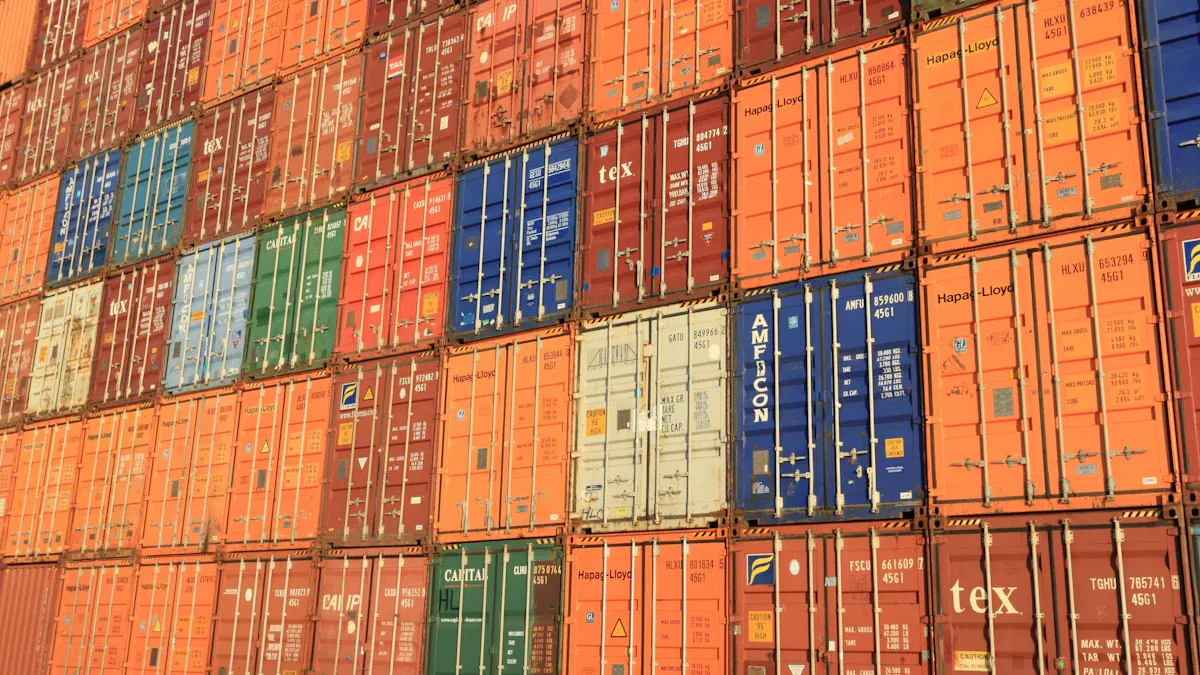
Diversification and Regional Hubs
Companies have many supply chain problems today. Diversification helps lower risks by using suppliers from different places. If one supplier has trouble, others can help. Companies pick trusted suppliers from many areas. They also look at their supply chains to find weak spots.
Strategy | Description |
|---|---|
Using more than one supplier for important products. This stops companies from relying on just one source. | |
Collaborative Partnerships | Making strong relationships with suppliers. This helps everyone talk and work together better. |
Contractual Safeguards | Good contracts explain what each side must do. They also say what happens if someone does not follow the rules. |
Use of Technology and Automation | Using digital tools helps manage risks and watch supplier data in real time. |
Regional hubs in Southeast Asia help companies face supply chain problems. Companies invest in local roads and work with local governments. This makes things more stable. These hubs let companies change plans fast when problems come up. Over time, using more suppliers and regional hubs lowers risk. It also gives companies more choices, saves money, helps customers, and lets them grow.
Digital Tools and AI
Digital tools and AI help companies with supply chain problems. Real-time risk tools like IBM Supply Chain Insights and Riskpulse spot problems early. These tools track shipments and watch for political risks. They also check if third-party software is safe.
Operational Metric | Quantitative Result |
|---|---|
Reduction in Inventory Levels | Up to 30% |
Improvement in Turnover | Average of 15% |
Reduction in Logistics Costs | 15% |
Improvement in Delivery Times | Up to 25% faster |
Reduction in Supply Chain Disruptions | 40% |
Reduction in Errors in Demand Forecasting | 25% |
Companies use key numbers to see if digital changes work. They check these numbers often and keep making things better. This helps companies react fast and keep supply chains strong.
Procurement Optimization
Procurement optimization helps companies buy goods and services better. Automation cuts mistakes and speeds up buying. Companies watch how well orders are done and how fast they buy things. They also check how well suppliers do their jobs.
Making all buying steps work together removes waste.
Talking with suppliers often builds trust.
Fast answers to market changes help companies deal with problems.
Strategic sourcing is also important. It helps companies find cheaper suppliers and make better deals. Local assembly can lower tariffs, but it may cost more to make things at home. Flexible shipping plans let companies change suppliers or routes fast. This helps meet new needs and find new chances.
Note: Companies that use these ideas can handle supply chain problems better and stay ahead.
Companies can make their supply chains stronger in many ways. They can use real-time tracking to see where things are. They can work with more suppliers so they do not depend on just one. Digital tools help companies watch their supply chains better.
Some important ideas are:
Use technology to see what is happening
Keep extra products in case of problems
Make good plans to handle risks
Leaders need to look at their plans. They should start making changes now to be ready for problems.
FAQ
What is supplier diversification?
Supplier diversification is when a company uses many suppliers for one product. This helps lower risk if one supplier has trouble.
How do digital tools help supply chains?
Digital tools watch shipments and inventory. They help companies find problems early. They also help companies make better choices.
Why do companies use regional hubs?
Regional hubs let companies keep products near customers. This helps them deliver faster. It can also help avoid some tariffs.
Tip: Companies with regional hubs often have fewer shipping delays.
See Also
Essential Strategies For Effective Supply Chain Risk Management
Navigating Supply Chain Risks: A Comprehensive Management Guide
Overcoming Obstacles In Automotive Supply Chains: Pro Insights