Leading Sea Freight Forwarders for Efficient Global Logistics

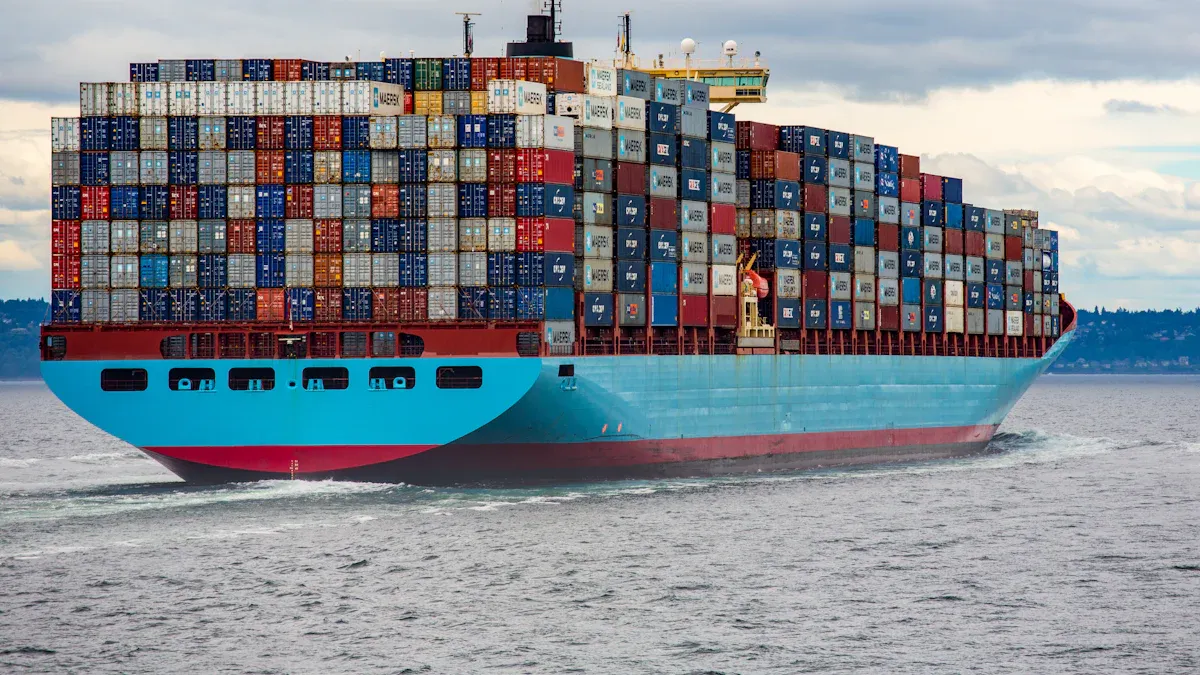
If you want to move goods worldwide, picking the right sea freight partner matters. Ocean shipping handles 70% of global cargo movement. Top forwarders like JUSDA, Kuehne + Nagel, DHL Global Forwarding, DSV, DB Schenker, Expeditors, C.H. Robinson, CEVA Logistics, Nippon Express, and Sinotrans lead with digital-first operations, AI, and e-commerce solutions.
Key Takeaways
Choosing the right sea freight forwarder is crucial for successful international shipping. Look for partners with strong performance, global reach, and advanced technology.
Digital tools and AI are transforming logistics. Use platforms that offer real-time tracking and automated documentation to enhance efficiency and transparency.
To optimize shipping costs, combine smaller shipments, negotiate long-term deals with carriers, and ensure accurate paperwork to avoid extra fees.
Top Sea Freight Forwarders 2025
Leading Ocean Freight Forwarders
When you look for the best freight forwarder for your business, you want to know who leads the industry. The top 10 freight forwarders for 2025 have earned their spots through strong performance, global reach, and advanced technology. Here’s a quick freight forwarders list you can trust for international shipping:
JUSDA
DHL Global Forwarding
DSV
DB Schenker
Expeditors
C.H. Robinson
CEVA Logistics
Nippon Express
Sinotrans
These ocean freight forwarders handle millions of containers every year. Sinotrans leads the global ranking with 4.87 million TEUs, followed by Kuehne + Nagel with 4.31 million TEUs, and DHL with 3.31 million TEUs. Other global freight forwarders like DSV, CEVA Logistics, and DB Schenker also play a big role in the industry. This ranking shows how Chinese logistics firms and digital-first companies are shaping the future of international shipping.
Note: The freight forwarders list above reflects ongoing changes in the logistics world. You can see the growth of regional players and the impact of digital transformation.
If you want to see how these ocean freight forwarders perform by region, check out the table below. It shows the market share for ocean freight in different countries and regions:
Region | Country | Market Share (%) |
|---|---|---|
North America | United States | |
Canada | 16.41 | |
Mexico | 4.00 | |
Europe | United Kingdom | 14.53 |
Germany | 19.06 | |
France | 14.90 | |
Italy | 10.83 | |
Russia | 9.00 | |
Spain | 7.96 | |
Sweden | 5.56 | |
Denmark | 4.07 | |
Switzerland | 5.50 | |
Luxembourg | 4.30 | |
Rest of Europe | 4.30 | |
Asia Pacific | China | 34.46 |
Japan | 16.92 | |
India | 16.64 | |
South Korea | 9.53 | |
Australia | 7.43 | |
Singapore | 4.31 | |
South East Asia | 6.18 | |
Taiwan | 3.01 | |
Rest of APAC | 1.51 | |
South America | Brazil | 43.24 |
Argentina | 20.03 | |
Colombia | 14.09 | |
Peru | 8.95 | |
Chile | 7.29 | |
Rest of South America | 6.40 | |
Middle East | Saudi Arabia | 29.83 |
Turkey | 19.72 | |
UAE | 16.57 | |
Egypt | 13.15 | |
Qatar | 8.83 | |
Rest of Middle East | 11.90 | |
Africa | Nigeria | 44.44 |
South Africa | 39.81 | |
Rest of Africa | 15.75 |
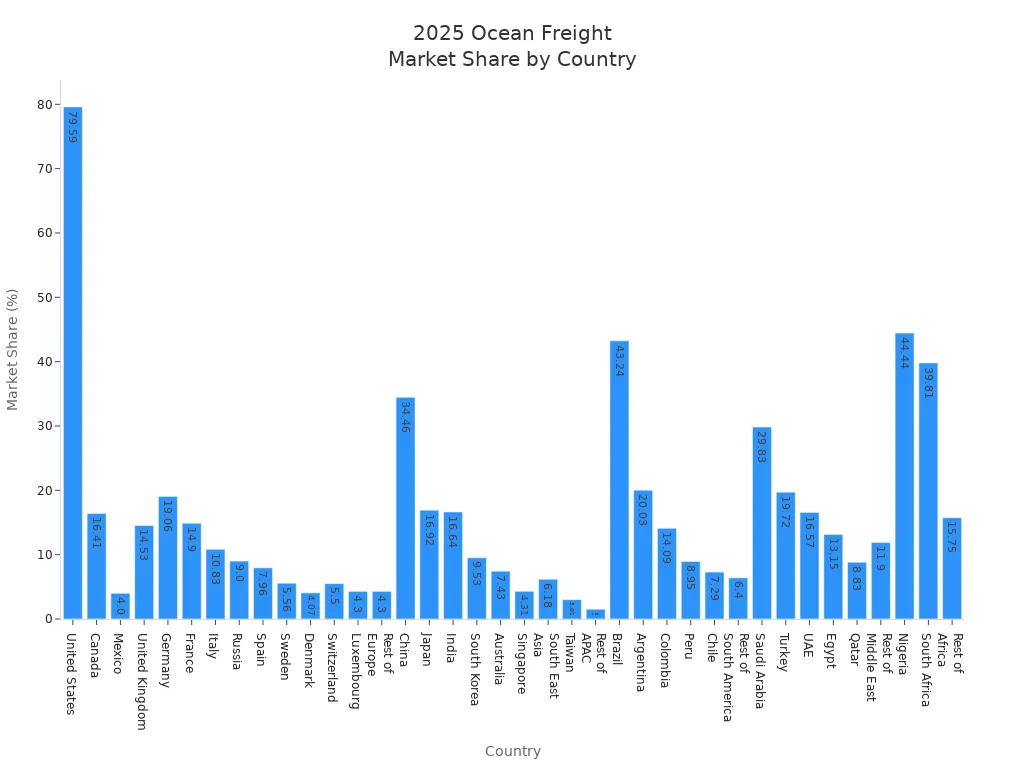
You can see that China, the United States, and Brazil hold the largest shares in their regions. This reflects the freight forwarding volumes and the strength of ocean freight forwarders in these markets.
Selection Criteria
Choosing the right ocean freight forwarder can make or break your international shipping plans. You want a partner who matches your needs and helps your business grow. Here are the main factors you should consider when looking at the freight forwarders list:
Shipment volume and type compatibility: Make sure the forwarder can handle your cargo, whether it’s bulk, containerized, or special goods.
Availability of digital tools and APIs: Look for ocean freight forwarders who offer real-time tracking, digital documentation, and easy integration with your systems.
Customer service and response time: Fast and reliable support is key. You want a team that solves problems quickly.
Financial stability: Pick a forwarder with a solid financial background. This ensures they can manage your shipments without risk.
Experience: Go with freight forwarding companies that have a proven track record in your industry and region.
You should also check for global reach, technology adoption, and industry specialization. The best freight forwarder for you will offer a mix of reliability, advanced digital solutions, and strong customer support. This is how you stay ahead in the fast-changing world of international logistics.
Tip: Always review the global ranking and recent performance of ocean freight forwarders before making your choice. This helps you find a partner who can support your growth and adapt to new challenges.
Role of Freight Forwarders in Global Logistics
Importance of Sea Freight
When you think about moving goods across continents, sea freight stands out as the backbone of international trade. You might be surprised to learn that maritime transport handles over 80% of goods traded worldwide. Some estimates even say the international shipping industry moves around 90% of world trade. That’s a huge share! By weight, maritime trade accounts for about 75% of global trade, and it covers roughly half of global trade by value.
Why does sea freight matter so much? Ships can carry massive volumes at once, making it cost-effective for businesses like yours. You get access to global markets, whether you’re shipping electronics, cars, or consumer goods. Freight forwarders make this possible by connecting you with reliable carriers and managing all the details.
Efficiency and Reliability
You want your shipments to arrive on time and in good shape. Top freight forwarders focus on efficiency and reliability, even when the world throws curveballs. Here’s how they contribute to smooth global logistics:
Contribution Type | Description |
|---|---|
Automation, AI, and IoT streamline processes and enable real-time tracking. | |
Supply Chain Optimization | Better inventory management meets the demands of e-commerce. |
Specialized Logistics Solutions | Support for last-mile delivery and reverse logistics. |
Aftermarket Services | Fast spare parts logistics for repairs and refurbishment. |
Freight forwarding faces challenges like political instability, labor shortages, and the push for greener shipping. Leading forwarders invest in new technology, adapt to regulations, and find ways to keep your supply chain moving. You benefit from their expertise, whether you need fast customs clearance or real-time updates on your cargo.
Tip: The right freight forwarding partner helps you overcome disruptions and keeps your international business running smoothly.
Company Profiles: Ocean Freight Forwarders
JUSDA: Digital Supply Chain & Warehousing
You want a forwarder that brings innovation to every step. JUSDA stands out with its digital supply chain platform, JusLink, which uses AI and real-time data to boost your efficiency. With over 155 service points and more than 2.5 million square meters of warehouse space worldwide, JUSDA supports your international shipping needs across industries like electronics, automotive, and FMCG. You get advanced warehousing, cloud inventory management, and seamless global operations. JUSDA’s capabilities help you track shipments, manage risks, and optimize your supply chain from end to end.
Kuehne + Nagel
Kuehne + Nagel delivers strong global coverage and a wide range of services. You can see their reach and offerings in the table below:
Service Offerings | Global Reach |
|---|---|
Transportation and fulfilment services | |
Customs clearance and cargo insurance | Nearly 1,300 sites worldwide |
Advanced digital technologies | Over 82,000 employees |
Complete supply chain solutions | Serves 400,000 customers globally |
You benefit from their digital tools and reliable international network.
DHL Global Forwarding
DHL Global Forwarding brings technology to the heart of its operations. You get faster service thanks to robotic process automation, which handles repetitive tasks and boosts efficiency by 50%. Data analytics help predict disruptions, while IoT gives you transparency in sea freight. DHL’s digital transformation means you can focus on your business while they handle the logistics.
DSV
DSV puts you first with a hands-on approach and a can-do attitude. Their 75,000 employees work to deliver innovative solutions and quick decisions. You notice their Customer Success Program, which always looks for ways to improve your experience and meet your needs.
DB Schenker
DB Schenker offers a powerful global network and integrated services. You get access to advanced tracking, route planning, and warehouse automation. Their focus on sustainability, including electric vehicles, helps you build an eco-friendly supply chain.
Competitive Advantage | Description |
|---|---|
Global Network | Access to 130+ countries for seamless international transport |
Integrated Services | Courier, storage, and parcel delivery in one place |
Technological Innovation | Advanced tracking and warehouse automation |
Sustainability Initiatives | Green logistics solutions, including electric vehicles |
Expeditors
Expeditors ensures reliability with a dedicated management team and strong partnerships with steamship lines. You get flexible, customizable ocean freight services and a common systems platform that keeps your shipments on track. Their focus on customer service makes your shipping experience smooth.
C.H. Robinson
C.H. Robinson gives you global reach and flexible solutions. You can count on their technology-driven approach and strong carrier relationships to keep your supply chain moving efficiently.
CEVA Logistics
CEVA Logistics supports your global supply chain with tailored ocean freight solutions. You benefit from their management services, break-bulk and project forwarding, and charter options. Their network connects over 10,000 port pairs worldwide, making your international shipping easier.
Nippon Express
Nippon Express aims to handle over 1.3 million TEUs per year. You get specialized services for industries like semiconductors, pharmaceuticals, and automotive. Their expanding presence in Asia, India, and Europe means you can rely on them for complex logistics.
Sinotrans
Sinotrans leads in the Asia-Pacific region, generating strong revenue from logistics and freight forwarding. You see their value-added services and steady growth in sea freight. Their focus on digital advancements matches the region’s booming economy, helping you stay ahead in international trade.
Key Freight Forwarding Services
FCL & LCL Sea Freight
When you plan your shipping, you need to choose between FCL (Full Container Load) and LCL (Less than Container Load). FCL works best if you have a large volume of cargo, while LCL is perfect for smaller shipments. Here’s a quick comparison:
Aspect | FCL (Full Container Load) | LCL (Less than Container Load) |
|---|---|---|
Cargo Volume | Under 15 CBM | |
Minimum Volume | 20GP – 28 CBM; 40GP – 58 CBM | 1-3 CBM (charged by 1 CBM minimum) |
Cost Efficiency | Great for big shipments | Cost-sharing for small businesses |
Operation Process | Direct pick-up at destination | Consolidation and pick-up from warehouse |
You get flexibility and cost savings when you pick the right option for your needs.
Customs Clearance
Customs clearance can feel tricky. You might run into issues like incomplete paperwork or changing regulations. Top forwarders help you by:
Checking your documents for accuracy
Staying updated on local rules
Calculating tariffs and duties correctly
Submitting paperwork on time
Building strong relationships with customs officials
Preparing for audits with good records
Watching trade policy changes
You avoid delays and fines when you work with experts.
Warehousing Solutions
You want your goods stored safely and ready for delivery. Leading forwarders offer solutions like:
Company | Warehousing Solutions Offered |
|---|---|
Customized supply chain, intermodal transport, warehousing | |
DSV | End-to-end supply chain, warehousing, distribution |
FreightRight | Pick & pack, import/export, 3PL services |
AIT Worldwide | Streamlined supply chain with warehousing options |
These services help you manage inventory and keep your supply chain running smoothly.
Digital Tools & Tracking
You expect real-time updates and easy access to your shipment info. Top forwarders use digital tools such as:
Feature | Description |
|---|---|
Lets you see where your cargo is at any moment | |
Automated Documentation | Speeds up paperwork and reduces errors |
Carrier Integration | Gives you access to rates and shipping choices |
Analytics & Reporting | Shows you performance and market trends |
Customer Portal | Lets you track orders and manage shipments yourself |
These tools make your sea freight experience simple and transparent.
Choosing the Right Freight Forwarder
Geographic Coverage
When you pick a freight forwarder, start by checking their global network. A forwarder with strong coverage gives you more options and better rates. You avoid delays and customs issues because they know the rules in each country. Smaller freight forwarders might not reach every market, so you could face limits if you ship to less common destinations. Always ask which regions they serve before you decide.
Industry Specialization
Not all freight forwarders understand your business. If you work in electronics, automotive, or pharmaceuticals, you need a partner who knows your industry. These experts offer tailored services and handle special rules, like temperature control for medicine or just-in-time delivery for car parts. You get solutions that fit your needs, not just basic shipping.
Shipment Volume
Think about how much you ship and how often. Some forwarders suggest LCL for small loads, but if your business grows, you might need FCL. Look at your freight profile, shipment volumes, and how often you move goods. Consider what you ship—fragile, valuable, or perishable items may need special care. Match your needs with a forwarder who can handle your volume and type of cargo.
Technology & AI Platforms
Today, digital tools make your shipping easier. JUSDA leads with automation and AI, making operations faster and more accurate. They use digital platforms to boost efficiency and security. JUSDA’s partnership with Expedock automates invoice processing, reaching 99.97% accuracy. Their AI handles thousands of invoices, so you get timely payments and less manual work. With these tools, you stay ahead in global logistics.
Overcoming Sea Freight Challenges
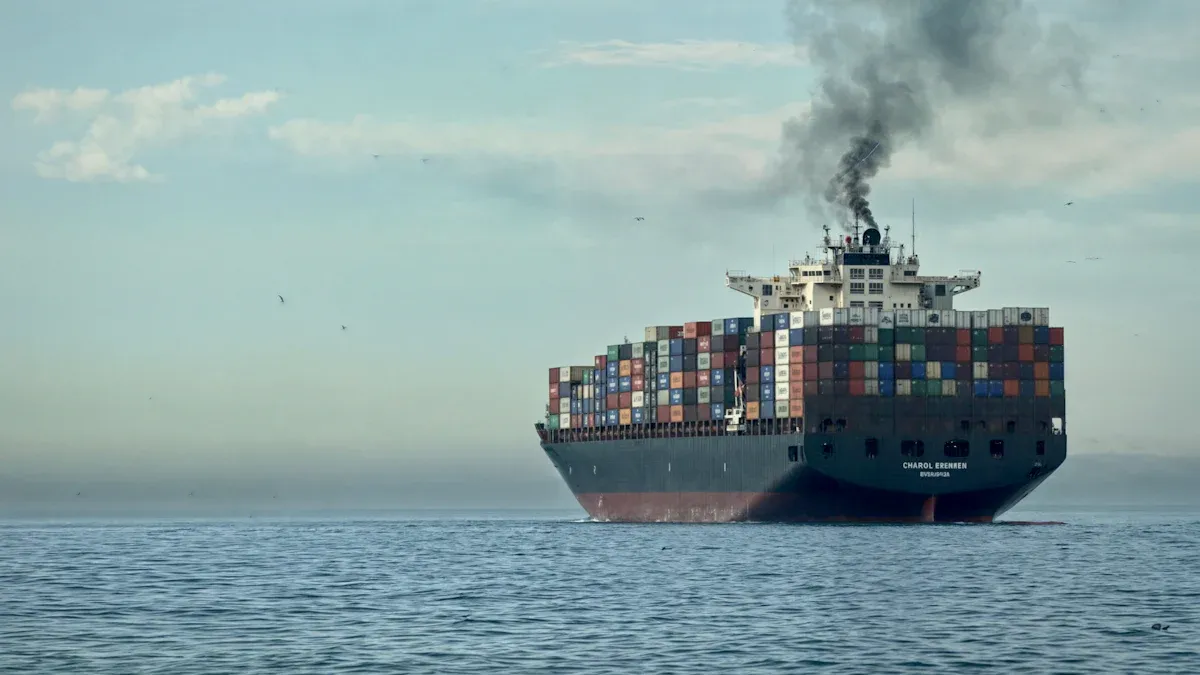
Managing Delays & Disruptions
You know delays can throw off your entire schedule. Many things can cause disruptions in sea freight. Take a look at the most common reasons:
Cause of Delay/Disruption | Description |
|---|---|
Customs and Regulatory Issues | Delays from clearance, inspections, or new rules |
Documentation Errors | Problems with paperwork or miscommunication |
Port Congestion | High traffic, strikes, or limited port space |
Weather Conditions | Storms or seasonal weather events |
Equipment and Capacity Issues | Container shortages or vessel problems |
Logistics and Supply Chain Challenges | Trouble with transport coordination or last-mile delivery |
Security Issues | Cargo theft, security checks, or piracy |
Economic Factors | Fuel price swings or currency changes |
Pandemic-Related Disruptions | Health protocols or workforce shortages |
You can manage these risks by planning ahead, double-checking your documents, and keeping communication clear. Many forwarders use real-time tracking and build buffer time into schedules. They also invest in insurance and create backup plans to keep your cargo moving.
Regulatory Compliance
Staying compliant keeps your shipments on track. In 2025, you face new rules for dangerous goods, batteries, and emissions. Here’s a quick overview:
Regulation | Key Updates |
|---|---|
Dangerous Goods Regulations | New battery handling and UN numbers |
Live Animal Regulations | Updated crating and transport timelines |
Cargo Handling Manual | Better temperature tracking |
Battery Shipping Rules | New sodium-ion battery category |
Security Management Manual | Stricter security data requirements |
You also need to watch for green shipping laws. FuelEU Maritime pushes for carbon neutrality. The Energy Efficiency Design Index now requires ships to be 30% more efficient. The Mediterranean has new sulfur limits. If you miss these rules, you could face fines or even get turned away at the port.
Cost Optimization
You want to save money without cutting corners. Try these strategies:
Combine smaller shipments to fill containers and get better rates.
Build strong relationships with carriers and negotiate long-term deals.
Use a forwarder’s expertise to find the best routes and rates.
Pack goods efficiently to use all available space and prevent damage.
Track your shipments in real time to spot problems early.
Keep your paperwork accurate to avoid extra fees.
Review your shipping performance often and look for ways to improve.
Smart planning and the right partner help you control costs and keep your business competitive.
Maximizing Value with Freight Forwarders
Partnership Strategies
You get the most out of freight forwarders when you treat them as partners, not just vendors. Building trust starts with open communication and regular check-ins. You can join industry events together or set up monthly calls to share updates. Long-term relationships help you cut costs and avoid delays. Look for forwarders with experience in your industry and a strong global network. Here’s a quick look at effective strategies:
Strategy | Description |
|---|---|
Building Strong Partnerships | Stay in touch and build trust through open communication. |
Leveraging Technology | Use real-time tracking to keep tabs on your shipments. |
Optimizing Contracts | Choose flexible contracts to manage risks and adapt to changes. |
Tip: A reliable partner understands customs rules and solves problems fast, which keeps your shipping on track and supports your growth.
Leveraging Technology
Digital tools change the way you manage logistics. With platforms like JUSDA’s JusLink, you get end-to-end visibility and control over your supply chain. JusLink uses AI and IoT to connect every part of your operations. Real-time insights help you make smart decisions and spot issues before they become problems. Warehouse management systems, like those from JUSDA, boost accuracy and speed. RFID technology lets you track inventory and shipments with ease. When you use these tools, you save time and keep your business moving forward.
Continuous Improvement
You should always look for ways to improve your logistics. Review your freight forwarders’ performance often. Ask for feedback and share your own ideas. Try new digital solutions to streamline your processes. Set clear goals for cost savings, faster delivery, and better service. When you work together and stay open to change, you keep your supply chain strong and ready for anything.
JUSDA Solutions
To provide you with professional solutions and quotations.
When you choose a leading sea freight partner, you set your business up for smooth shipping and global growth. Embrace digital tools, AI, and smart warehousing to boost efficiency. Always check a forwarder’s technology, network, and industry know-how. The right choice keeps your supply chain strong.
See Also
Discovering Innovations in Sea Freight Logistics for 2024
An In-Depth Look at Leading Global Logistics Firms
Unlocking Cost Savings: Tips for Efficient Supply Chains
Mastering Lean Logistics for Success in Tech Manufacturing
Addressing Global Supply Chain Growth Challenges Effectively