Vietnam’s Expanding Manufacturing and Logistics Network Redefines Asia’s Supply Chain Landscape

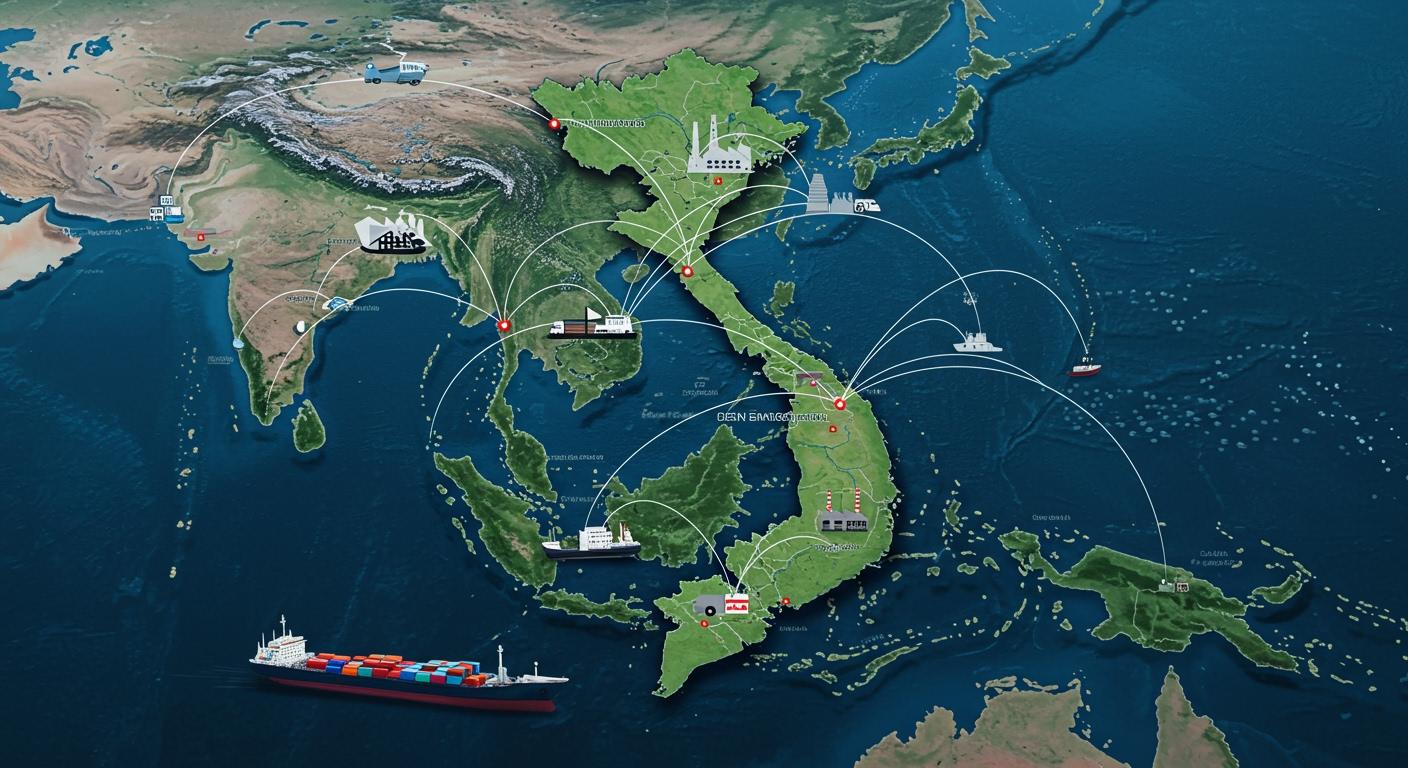
Vietnam is experiencing remarkable growth in Vietnam manufacturing and logistics, reshaping Asia’s supply chain landscape. Key sectors such as electronics, textiles, and food processing drive this expansion. Major brands like Samsung, Apple, and Nike have established significant operations in Vietnam, attracted by cost-effective labor, strong free trade agreements, and efficient production capabilities. Vietnam’s GDP reached 7.09% in 2024, with a port system handling 24.7 million TEUs and cargo throughput rising 5% year-on-year. JUSDA and JUSDA Vietnam deliver expert solutions, enabling global brands to benefit from advanced logistics and robust infrastructure.
Key Takeaways
Vietnam is a top destination for foreign investment, with FDI in manufacturing growing significantly. Companies can benefit from this trend by exploring opportunities in Vietnam's expanding market.
Competitive labor costs and a skilled workforce make Vietnam an attractive manufacturing hub. Businesses can save on production costs while accessing a dynamic labor pool.
Strong trade agreements enhance Vietnam's export capabilities. Companies should leverage these agreements to maximize their market reach and reduce tariffs.
Investing in local partnerships and expertise can streamline market entry. Collaborating with local experts helps navigate regulations and build effective supply chains.
Adopting advanced technologies like AI and smart warehousing can improve efficiency. Companies that embrace these innovations will enhance their logistics and production processes.
Vietnam Manufacturing Advantages
FDI Growth
Vietnam has become a top destination for foreign direct investment in Asia. Over the past decade, the country has shifted from an agriculture-based economy to a leading manufacturing hub. Investors see strong opportunities in Vietnam due to its rapid economic growth and government support for the manufacturing industry. The country’s FDI inflows have consistently made up 4–6% of GDP, showing its importance in the national economy.
The table below highlights the growth of FDI in Vietnam’s manufacturing sector:
Year | FDI Value (USD Billion) | Year-on-Year Change (%) |
|---|---|---|
2025 | 18.80 | 8.5 |
2024 | 25.35 | - |
2023 | 15.4 | 8.8 |
2010 | 0.40 | - |
From 2010 to 2025, FDI in manufacturing has surged, reflecting Vietnam’s rise as a manufacturing hub. In the first nine months of 2025, FDI pledges reached $28.54 billion, up 15.2% year-on-year. This growth demonstrates the confidence global investors have in Vietnam’s production capabilities and business environment.
JUSDA supports this growth by providing end-to-end supply chain solutions for global brands. The company’s expertise in logistics and warehousing helps manufacturers establish new facilities and scale operations quickly. JUSDA Vietnam’s local presence ensures smooth customs clearance and efficient cargo handling, making it easier for investors to tap into Vietnam’s manufacturing opportunities.
Labor and Trade Benefits
Vietnam offers a unique combination of competitive labor costs, a skilled workforce, and strong trade agreements. These factors create a cost advantage for companies looking to expand production and sourcing in the region.
Vietnam’s labor costs average $2.99 per hour in 2024. This low rate supports labor-intensive manufacturing and long-term growth in sectors like electronics, textiles, and furniture.
The country’s labor environment allows for flexible production models, including high-mix low-volume manufacturing, which is important for industries with changing demand.
Vietnam’s strategic location along major shipping lanes enhances its appeal as a manufacturing hub. The government provides economic incentives to attract foreign investment, making it easier for companies to set up operations and access global markets.
Trade agreements play a key role in boosting Vietnam’s export volumes and sourcing opportunities:
The EU-Vietnam Free Trade Agreement (FTA), effective since August 2020, removed 65% of tariffs on EU goods immediately. The remaining tariffs will phase out by 2030, increasing trade flow.
The EU will eliminate tariffs on imports from Vietnam by 2027, further supporting export growth.
Vietnam participates in major free trade agreements such as CPTPP and RCEP, making it a preferred trade partner for many countries.
Bilateral agreements like the BTA and TIFA have opened markets and reduced barriers for goods and services.
JUSDA Vietnam leverages these trade benefits by offering advanced warehousing, customs expertise, and multilingual support. The company’s solutions help clients navigate complex regulations and maximize export opportunities. ET2C International also plays a vital role in Vietnam sourcing, guiding businesses through supplier selection, audits, and ongoing quality assurance.
Tip: Companies that partner with local experts like JUSDA Vietnam and ET2C International can optimize their sourcing strategies and reduce risks when entering the Vietnamese market.
Vietnam’s manufacturing industry continues to attract global brands seeking reliable production, efficient sourcing, and access to international markets. The country’s strategic location, skilled workforce, and robust trade network position it as a leader in Asia’s supply chain landscape.
Vietnam Logistics Infrastructure
Warehousing and Transport
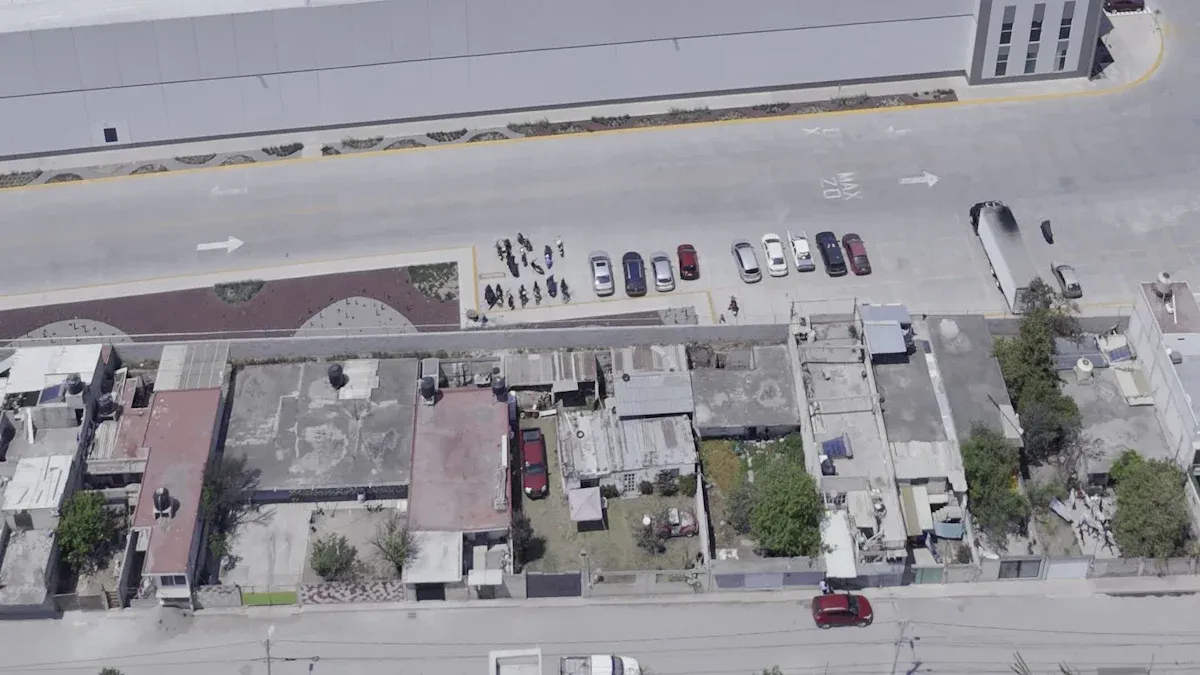
Vietnam continues to invest in its logistics infrastructure to support growing demand from manufacturers and exporters. Warehousing capacity remains a critical factor for supply chain efficiency. The country’s warehousing market shows high utilization rates, with smaller facilities (under 50,000 sq ft) reporting a vacancy rate of only 2.9%. Medium-sized warehouses (50,000 to 100,000 sq ft) have a 4.9% vacancy rate, while larger facilities (500,000 sq ft or more) show an 11% vacancy rate. Warehousing utilization remains steady, and prices have increased at the fastest rate since June 2022.
JUSDA Vietnam operates seven warehouses totaling 110,000 square meters, offering advanced inventory management systems and value-added services. The company’s infrastructure supports a wide range of industries, including electronics, automotive, and medical equipment. JUSDA Vietnam’s transport network includes air, sea, and land freight, as well as the Vietnam-China-Europe Railway Express, which enhances connectivity to major markets. Improvements in ports and airports further strengthen Vietnam’s position as a regional logistics hub.
Note: Companies benefit from JUSDA Vietnam’s quick cargo handover times and strong relationships with customs authorities, ensuring reliable and efficient logistics operations.
Customs and Compliance
Vietnam’s government has introduced significant reforms to streamline customs and compliance processes. These reforms aim to reduce administrative procedures by at least 30% by 2025 and 2026. New customs regulations simplify clearance, while on-the-spot transaction types facilitate trade between Vietnamese enterprises and foreign traders. Stricter conditions for Authorized Economic Operator recognition enhance supply chain security.
Recent decrees, such as Decree No. 167/2025/NĐ-CP and Decree No. 182/2025/NĐ-CP, amend customs procedures and provide exemptions for science and technology sectors. Customs valuation now uses the first import and export border gates, and new notification requirements apply for changes in export production facilities. Goods supporting science and technology receive import duty exemptions.
JUSDA Vietnam’s multilingual team and customs expertise provide international clients with secure, convenient, and cost-efficient solutions. The table below summarizes these advantages:
Key Advantages | Description |
|---|---|
Multilingual Team | JUSDA employs a multilingual and experienced professional team to assist international clients. |
Customs Expertise | Extensive experience in customs declaration and cooperation with local customs authorities. |
Secure Solutions | Provides secure, convenient, and cost-efficient bonded warehouse services for global supply chains. |
Vietnam’s ongoing infrastructure upgrades and business-friendly policies continue to attract global brands seeking reliable logistics and streamlined compliance.
Moving Manufacturing for Global Brands
Supply Chain Diversification
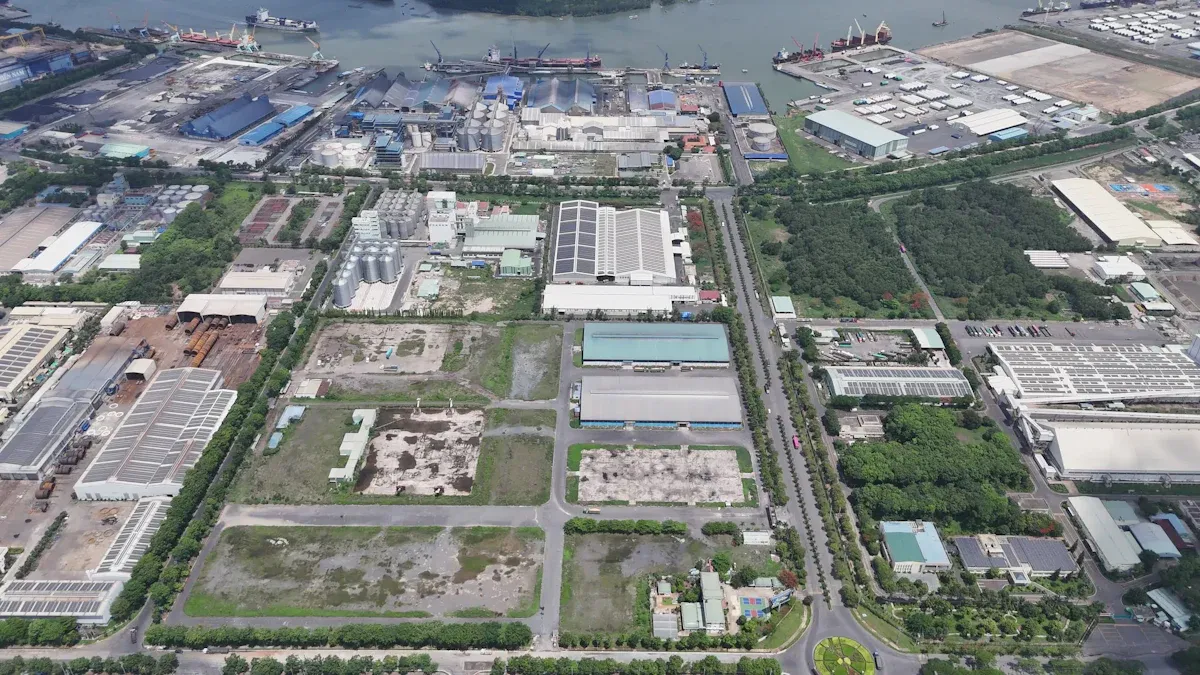
Global brands have accelerated moving manufacturing to Vietnam in recent years. Several factors drive this shift, making Vietnam manufacturing a strategic choice for companies seeking diversification and resilience.
Rising labor costs in China have reduced its cost advantage, prompting brands to explore more affordable options.
Vietnam offers a cost-effective labor market with competitive wages and a young, dynamic workforce.
Geopolitical tensions and trade tariffs have increased uncertainty, leading companies to diversify supply chains to Vietnam.
Vietnam’s favorable trade agreements enhance its appeal as a manufacturing hub.
Supply chain diversification has become essential for multinational companies. By relocating factories and production lines to Vietnam, brands gain access to new export markets and reduce risks associated with over-reliance on a single country. Vietnam manufacturing enables companies to build agile and redundant supply chains, which are vital in today’s volatile global environment.
The following table highlights key benefits companies experience when moving manufacturing to Vietnam:
Benefit | Description |
|---|---|
Lower Labor Costs | Vietnam generally has lower labor costs, leading to substantial savings for manufacturers. |
Competitive Production Costs | Overall business costs, including utilities and logistics, are lower in Vietnam. |
Tariff Savings | Companies can save over 45% on tariffs by shifting production to Vietnam. |
Trade Agreements | Vietnam’s trade agreements further reduce tariffs on exports, boosting profitability. |
Vietnam’s government actively encourages foreign investment through incentives such as tax breaks and streamlined regulations. These policies create a favorable environment for manufacturing transition and factory relocation. The country invests in vocational training, expanding its skilled labor base and supporting high-value production.
ET2C International’s Vietnam Sourcing solutions help businesses establish robust supplier networks, conduct audits, and ensure ongoing quality assurance. JUSDA’s expertise in supply chain management supports global brands in setting up efficient logistics and warehousing operations. Both companies play a crucial role in helping clients navigate the complexities of sourcing and production in Vietnam.
Tip: Diversification through Vietnam manufacturing allows companies to mitigate risks from geopolitical tensions and trade wars, while gaining easier access to regional export markets.
Resilience and Agility
Vietnam’s supply chain has demonstrated remarkable resilience and agility during recent global disruptions. Companies moving manufacturing to Vietnam benefit from a flexible and responsive production environment.
The following strategies have helped manufacturers maintain stability and adapt quickly:
Strategy | Description |
|---|---|
Companies establish relationships with a network of qualified suppliers across multiple regions in Vietnam to minimize risks from local disruptions. | |
Invest in Robust Supplier Audits and Quality Assurance | Structured supplier vetting and ongoing quality control checks ensure product consistency and reliability. |
Leverage Local Sourcing Agents and Expertise | Experienced sourcing experts bridge language and cultural gaps, enabling faster issue resolution. |
Strengthen Digital Supply Chain Transparency | Digital tools improve supply chain visibility, supporting better demand forecasting and rapid response to disruptions. |
Develop Multi-Country, China + Vietnam Models | Brands blend Vietnam sourcing with supplier relationships in other Asian markets for strategic agility. |
Foster Collaborative, Long-Term Partnerships | Deep supplier relationships encourage trust and flexibility, enabling rapid adaptation during disruptions. |
JUSDA’s customer stories illustrate how advanced supply chain management platforms, powered by AI and digitalization, have enabled manufacturers to optimize global operations. For example, JUSDA’s collaboration with leading Chinese manufacturers has resulted in efficient factory relocation and seamless manufacturing transition to Vietnam. The company’s JusLink platform integrates real-time transparency, demand forecasting, and risk management, supporting clients through every stage of production and export.
Real-world examples highlight the effectiveness of moving manufacturing to Vietnam. Hyosung Chemical invested $3.9 billion in Vietnam, becoming the third-largest foreign investor. Their operations contribute to 1% of Vietnam’s total exports, demonstrating the success of manufacturing transition and geographical diversification.
Vietnam manufacturing continues to attract global brands seeking reliable production, efficient sourcing, and access to international export markets. The country’s robust supply chain, skilled workforce, and favorable policies position it as a leader in manufacturing and exports across Asia.
Technology in Vietnam Supply Chains
JusLink AI Solution
Vietnam continues to transform its supply chain landscape by adopting advanced technology. JusLink’s AI Solution plays a pivotal role in enhancing manufacturing and logistics efficiency. Manufacturers in Vietnam use AI to streamline sourcing and production processes. AI enables faster and more predictable delivery timelines, which supports international trade and strengthens Vietnam’s reputation as a reliable partner. Companies benefit from reduced lead times and improved collaboration across logistics networks.
AI-driven systems help manufacturers mitigate risks caused by demographic changes and public health crises. Intelligent logistics platforms foster better communication and coordination among production teams. Factories in Vietnam gain a strategic advantage by becoming more agile and quality-driven. AI empowers production managers to forecast demand, optimize inventory, and maintain high standards throughout the sourcing cycle.
Note: JusLink’s AI Solution provides real-time risk monitoring and predictive analytics, allowing manufacturers to respond quickly to disruptions and maintain stable production.
Smart Warehousing
Smart warehousing has become a cornerstone of Vietnam’s logistics infrastructure. JUSDA Vietnam operates advanced warehouses equipped with automation technologies and clean room facilities. These features support high-value manufacturing and sourcing activities, especially for electronics and medical equipment.
The following table highlights how smart warehousing contributes to cost savings and operational efficiency:
Aspect | Contribution to Cost Savings and Efficiency |
|---|---|
Automation | Reduces manual tasks, processing time, and costs. |
AI and Machine Learning | Minimizes errors and accidents, enhancing operational safety. |
Inventory Management | Improves tracking and space utilization, crucial for e-commerce. |
Labor Cost Reduction | Lowers workforce requirements, leading to significant savings. |
Automation technologies, such as AGVs and robots, reduce processing time and lower the risk of human errors. Smart warehousing solutions improve space management, which is essential for handling increased inventory from growing production and sourcing demands. JUSDA Vietnam’s clean room facilities ensure that sensitive products meet strict quality standards during production and logistics operations.
Digitalization drives efficiency across Vietnam’s supply chain infrastructure. Companies leverage smart logistics systems to enhance transparency, optimize sourcing strategies, and support scalable production. These advancements position Vietnam as a leader in technology-driven manufacturing and logistics.
Overcoming Challenges in Vietnam
Foreign companies entering Vietnam’s manufacturing and logistics market encounter several challenges. These include infrastructure limitations, skills shortages, complex regulations, intense competition, and sustainability concerns. The table below summarizes these common obstacles:
Challenge | Description |
|---|---|
Infrastructure limitations | Some infrastructure gaps persist, especially in inland transport networks. |
Skills shortage | A lack of skilled labor in certain areas limits operational efficiency. |
Bureaucracy and regulations | Complex regulatory processes can slow down logistics operations. |
Competition | Intense competition from established and emerging players demands innovation. |
Sustainability concerns | Pressure to adopt eco-friendly practices presents both challenges and opportunities. |
Supplier Verification
Supplier verification remains essential for companies seeking reliable partners in Vietnam. Businesses should verify the legitimacy and reliability of suppliers by checking business licenses, certifications, production capacity, financial stability, and reputation. Manufacturing process audits help assess adherence to quality standards and identify areas for improvement. ISO audits, security audits, and social compliance audits ensure suppliers meet international standards and ethical practices. Product testing and credit audits further strengthen supplier management. Companies benefit from ongoing supplier management services, which include performance evaluation and monitoring.
Tip: Structured supplier audits and regular product testing help maintain high standards and reduce risks in Vietnam’s supply chain.
Local Partnerships
Local partnerships play a vital role in overcoming regulatory complexities and facilitating market entry in Vietnam. Local experts provide essential knowledge to navigate regulations and plan effectively. They help businesses align with local requirements, reducing unexpected challenges. Partnerships with established networks enable faster company incorporation and access to vetted suppliers. Local partners assist in building go-to-market strategies and overcoming licensing hurdles. Business cooperation contracts allow foreign investors to collaborate with local partners, enhancing speed and cost-efficiency.
JUSDA Vietnam’s customs expertise and multilingual support ensure smooth communication and compliance. The company’s local team helps international clients manage customs procedures and regulatory requirements. Leveraging technology and local knowledge, JUSDA Vietnam enables businesses to enter the market efficiently and maintain supply chain resilience.
Vietnam continues to redefine global supply chain strategies. Businesses moving manufacturing to Vietnam gain cost-effective labor, strategic location, and strong trade agreements. JUSDA and JUSDA Vietnam deliver advanced logistics, AI-powered platforms, and resilient supply chain solutions. Companies can maximize efficiency by harmonizing quality standards, investing in inspections, and planning dual capacity. Partnering with local experts and adopting smart logistics ensures smooth market entry.
Key Success Factors | Description |
|---|---|
Navigate regulations and optimize production. | |
Smart Logistics Solutions | Enhance flexibility and operational efficiency. |
Vietnam’s industrial sector will expand, with innovative solutions and infrastructure projects driving growth. The country’s manufacturing output and logistics capacity will rise, positioning Vietnam as a leader in Asia’s supply chain landscape.

JUSDA Solutions
To provide you with professional solutions and quotations.
FAQ
What industries benefit most from Vietnam’s expanding manufacturing network?
Electronics, automotive, FMCG, new energy, and medical health industries see significant advantages. JUSDA supports these sectors with tailored supply chain solutions, advanced logistics, and technology-driven services.
How does JUSDA Vietnam ensure smooth customs clearance?
JUSDA Vietnam employs a self-owned customs team. The team maintains strong relationships with local authorities and provides multilingual support. This approach ensures efficient and reliable customs clearance for international shipments.
What technology solutions does JUSDA offer for supply chain management?
JUSDA’s JusLink AI Solution delivers real-time risk monitoring, demand forecasting, and predictive analytics. These tools help companies optimize inventory, improve decision-making, and maintain supply chain stability.
Why should companies partner with local experts in Vietnam?
Local experts provide essential market knowledge, regulatory guidance, and supplier connections. They help businesses navigate challenges, ensure compliance, and accelerate market entry.
See Also
Transforming Future Logistics Through AI Supply Chain Innovations
The Transformative Effects of Supply Chain Innovations on Logistics
Addressing Global Supply Chain Growth Challenges Effectively
The Role of Cloud Solutions in Transforming Supply Chains
Maximizing Efficiency in Your Automotive Supply Chain Operations