A Complete Guide to Door to Door International Shipping
2025.07.04
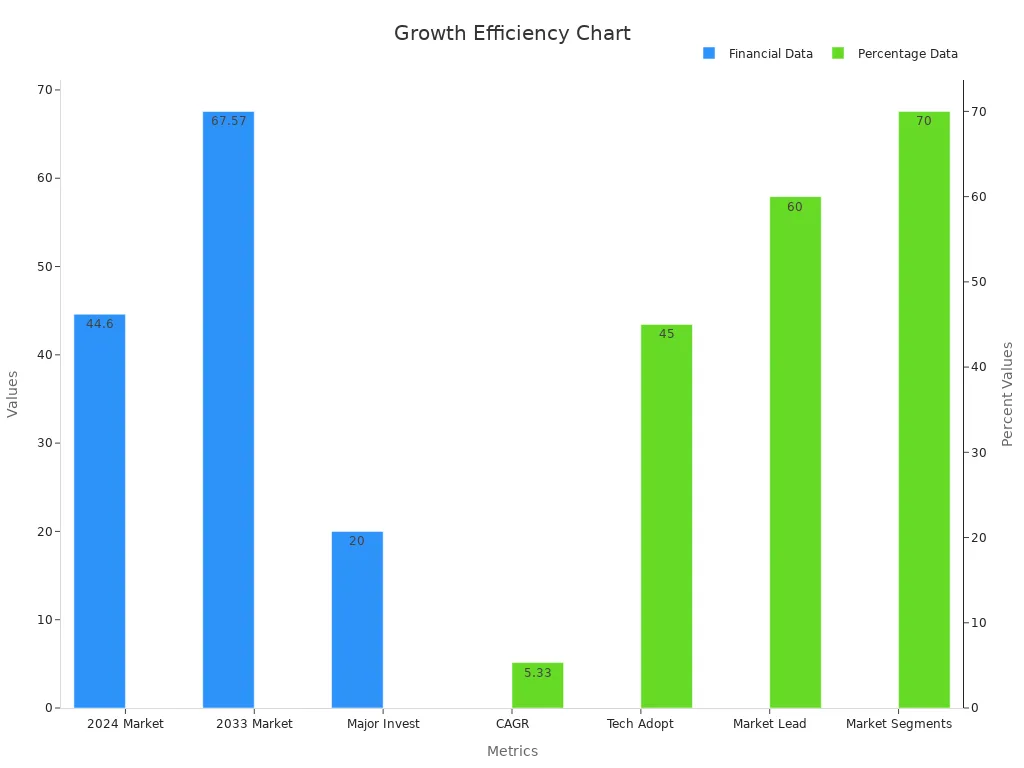
You can move goods across borders with door-to-door shipping, which means you let experts handle each step from pickup to delivery. This method saves you time and lowers risks. The market for door-to-door international shipping reached $44.6 billion in 2024 and keeps growing fast.
JUSDA uses smart technology and a global network to help you ship with confidence.
Key Takeaways
Door-to-door shipping takes care of pickup and delivery. This saves you time and lowers risks. Experts handle customs, transport, and paperwork for you.
You can watch your shipment move in real time. Delivery is faster and safer with less risk of damage. This is great for fragile or valuable items.
Picking a trusted partner like JUSDA gives you clear prices and smart technology. You also get reliable service. This helps your shipments arrive on time and keeps your customers happy.
Door-to-Door International Shipping Overview
What Is Door-to-Door Shipping?
Door-to-door shipping is a full service for moving goods. It starts with picking up your items at the starting place. The service ends when your goods reach the person who needs them. You do not have to talk to many carriers or fill out customs forms. The provider takes care of everything, so you do not worry about problems.
This shipping works for both local and international moves. It includes pickup, customs checks, different ways to transport, and final delivery. You can track your shipment in real time. Many companies use this to send goods from factories or stores straight to customers or partners.
This service often uses Incoterms like DAP and DDP. These rules say who pays for delivery and customs. You can pick the one that works best for you.
Key Features and Benefits
Door-to-door shipping has many good points for people and businesses. It is easy, dependable, and gives you peace of mind. Here are some main features and benefits:
More global trade means more need for good shipping.
Reaches many places, good for last-mile, fits many parcel sizes, uses smart routes
Waterways
Smaller share
Growing fast but not as big yet
Airways
Smaller share
Growing fast but not as big yet
You get help from strong roads and smart technology for door-to-door delivery. Companies like UPS and FedEx use smart systems to save fuel and deliver faster. This makes the service better and more reliable.
Many types of businesses have seen good results with door-to-door shipping. For example, a window maker made fewer mistakes and tracked better. A drink company grew its fleet and saved money. Global parts makers spent less on repairs and kept goods cold better. These stories show how door-to-door shipping can save money, work better, and give better service.
Some key facts show why door-to-door shipping is valuable:
Lower delivery costs
Faster and better delivery
Happier customers
Easier access to important services
You can trust door-to-door shipping to make your shipping simple, lower risks, and give your customers a smooth and steady experience.
How Door-to-Door Freight Shipping Works
Shipping Process Steps
Door-to-door shipping has many steps. Each step is important for safe delivery. You do not need to talk to many carriers. You also do not have to worry about paperwork. Here is how door-to-door freight shipping usually works:
Export Haulage: Your goods leave your place and go to the freight forwarder’s warehouse. Trucks, trains, or both can move your items. This can take hours or days.
Export Customs Clearance: You or your provider fill out export papers. These include invoices, permits, and forms. This step checks if your shipment follows the rules.
Items Checkpoint: Workers count and check your goods. They look at the condition and packaging. They make sure it matches your booking.
Origin Handling: The warehouse team gets your shipment. They check and group your goods. They make a cargo list and load your items.
Shipment Transport: Your cargo travels by ocean, air, or land. Door-to-door air freight is fast and trusted.
Destination Arrival and Handling: Local workers check your goods at the port or airport. They get your items ready for unloading.
Import Customs Clearance: You finish import papers and pay duties. This step lets your goods enter the country.
Tells how often goods come back from mistakes or damage.
Customer satisfaction scores
Shows how happy customers are with shipping.
Mode of transport
Picking air, ocean, or ground changes cost and speed.
Cargo type and nature
Some goods need special care, which can cost more.
Distance and route
Longer trips and tricky routes cost more and take longer.
Fuel price changes
When fuel prices change, shipping costs change too.
Demand and supply dynamics
Busy seasons and market needs change shipping prices.
Packaging optimization
Good packaging stops damage and saves space.
Demand forecasting
Guessing future shipments helps plan and cut waste.
Technology adoption
Using software helps track and speed up shipping.
Shipping method review
Changing transport types can save money and time.
Partnering with digital forwarders
Working with digital freight forwarders makes shipping easier.
Door-to-door air freight is very fast. You get pickup, airport transfer, air travel, customs, and delivery. You can track each step for better results. Companies use numbers like on-time delivery and cost per shipment to check how well they do.
Customs and Documentation
Customs and paperwork are very important in door-to-door shipping. You must have the right papers to avoid delays and extra fees. Here are some tips:
Get all customs papers ready, like invoices and packing lists. Make sure they match your shipment.
Transport cost reduction with increased port efficiency
Costs go down by 12%.
Cost savings per sea container from automation
You can save up to $115 per container.
Export volume decrease per 1-week shipment delay
Exports drop by 7% if delayed a week.
Increase in delivery price due to 1-week delay
Delivery price goes up by 16% after a week’s delay.
Bilateral trade reduction per additional day of delay
Trade drops by at least 1% for each extra day.
Export value drop in Sub-Saharan Africa per 1-day delay
Export value falls by 7% for each day late.
Increase in bilateral foreign trade from 25-75% cost cut
Trade can rise by 25% if costs drop a lot.
Distance reduction between trading partners per 1-day delay reduction
One day faster is like being 70 km closer.
Door-to-door air freight needs quick and correct customs work. Delays can cost more and make customers unhappy. You can stop most problems by checking your papers and working with good partners.
Tracking and Visibility
You need to know where your shipment is at all times. Door-to-door shipping gives you this with tracking tools. You can use different technologies to watch your goods:
GPS tracking shows where your shipment is right now. You can check if it is on time.
IoT devices watch temperature and humidity. This helps with goods that spoil or need special care.
RFID tags help find and track goods at checkpoints. This cuts mistakes and speeds up checks.
Blockchain keeps records safe and clear. Everyone in the supply chain can see the same info.
Cloud tracking puts all data in one place. You can see your shipment’s status easily.
Door-to-door air freight uses these tools for full tracking. You can check your goods at every step, from pickup to delivery.
Performance numbers help you see if tracking works well. You can look at on-time rates and tracking accuracy. Companies use these numbers to make shipping safer and better.
Door-to-door air freight is great for real-time updates. You can follow your shipment as it crosses borders and goes through customs. This control helps you plan and fix problems fast.
Door-to-Door Cargo Services by JUSDA
China-Europe Express Rail
JUSDA’s China-Europe Express Rail is fast and dependable. It links China and Europe in 15 to 20 days. This service is quicker than sea freight but costs less than door-to-door air freight. It is good for shipping electronics, clothes, and medical supplies. JUSDA takes care of customs and paperwork for you. You do not have to worry about delays. You can track your shipment at each step. Many companies pick this rail service when they need a good mix of speed and price.
Multi-Modal Solutions
JUSDA lets you use more than one way to ship goods. You can combine road, rail, sea, and door-to-door air freight. This helps you reach more places and save money. For example, you might send goods from Southeast Asia to Europe using both rail and sea. JUSDA’s team finds the best route for your needs. You get updates in real time and easy customs clearance. Door-to-door air freight is best for urgent shipments. Other ways work well for bigger or less urgent cargo.
Industry-Specific Services
JUSDA can change its door-to-door cargo services to fit your industry. If you work in electronics, cars, or healthcare, JUSDA knows what you need. The company uses door-to-door air freight for goods that are valuable or need to arrive fast. For example, a medical company can send sensitive equipment quickly and safely. JUSDA’s service covers everything from pickup to delivery. You get special packaging, tracking, and help. Many companies save money and get faster delivery with these services.
JUSDA’s door-to-door service helps you worry less. You get expert support, smart tools, and a worldwide network for every shipment.
Choosing Door-to-Door Delivery Partners
What to Look For
When picking a door-to-door delivery partner, you want shipping to be simple and safe. Look for these important things:
High order accuracy gives customers the right products.
Good customer retention means people trust the service.
Strong driver performance makes deliveries smooth.
Check if the company has a good safety record. Make sure they know how to handle your cargo type. See if they have the right licenses and insurance. A good partner has a big network and uses modern equipment. They should have clear prices. Many people now want safe and contactless delivery, especially after the pandemic. Fast delivery and good customer service are also important.
Questions to Ask
Before you choose a door-to-door delivery partner, ask these questions:
How do you handle different cargo types?
What is your safety and accident record?
Can you show proof of insurance and licenses?
How do you track shipments and update customers?
What is your on-time delivery rate?
How do you handle problems or delays?
What are your prices and are there any hidden fees?
Can you give customer reviews or references?
These questions help you find a partner that fits your needs and supports your international shipping.
Why Choose JUSDA
JUSDA is a strong choice for door-to-door delivery. Their team has lots of experience in many industries. JUSDA uses smart technology for real-time tracking and fast updates. The company gives clear prices and follows strong safety rules. JUSDA’s global network helps you reach more places with reliable service. You can trust JUSDA to take care of your shipments and keep your customers happy.
You must have the right documents to stop customs delays and extra fees. Always check your papers before you send anything. Here is a simple checklist:
Commercial invoice with clear details about your shipment.
Packing list that matches what is inside the box.
Bill of Lading or Air Waybill to show proof of shipping.
Certificate of origin if the destination country needs it.
Any special permits or licenses for items with restrictions.
Tip: Correct paperwork helps your door-to-door air freight go through customs faster. If you miss or mess up documents, your shipment can be delayed for a long time.
Packaging and Labeling
Good packaging keeps your items safe while they travel. Use strong boxes, bubble wrap, or foam peanuts to protect your goods. If something is fragile, add more padding and write “fragile” on the box. For perishable goods, use insulated boxes and cold packs.
Put the receiver’s name, address, and phone number on each box. Attach all customs papers to the outside of the package. This is important for both parcel shipping and baggage shipping.
Best Practice Area
Recommendation
Packaging Materials
Use strong boxes and soft padding
Labeling
Write clear and correct info about the receiver and contents
Quality Control
Check and take photos of items before you ship
Insurance Tips
Insurance helps protect your shipment from being lost or damaged. Check what insurance your carrier gives for door-to-door air freight. If your shipment is valuable or fragile, think about buying extra insurance. Take clear photos with dates of your items before you ship them. If you see damage after delivery, tell the carrier right away and show your photos and papers.
Note: Good insurance helps you feel safe and can help you get your money back if something happens.
Incoterms and Responsibilities
Key Incoterms for Door-to-Door
Incoterms are rules that tell who pays for shipping, insurance, and customs. You should learn these rules before sending goods to another country. The most used Incoterms for door-to-door shipping are DAP, DPU, and DDP. These rules help you and your partner know what each person must do.
DDP gives the most help. The seller pays all costs and takes all risks until the goods reach your door. DAP and DPU cover most of the trip, but you might need to unload or pay import fees.
Here is a table that shows how jobs change with each Incoterm:
Incoterm
When Risk Transfers
Seller’s Duties
Buyer’s Duties
Main Impact
EXW
At seller’s place
Prepares goods
All shipping, customs
Buyer controls shipping, takes most risk
DAP
At delivery place
Shipping, export clearance
Import clearance, unloading
Seller pays for shipping, buyer handles import
DPU
After unloading
Shipping, unloading
Import clearance
Seller unloads goods, buyer clears customs
DDP
At buyer’s door
All shipping, customs, duties
Unloading (if agreed)
Seller takes all risk and cost
Shipper and Receiver Duties
You need to know your job in the shipping process. The shipper and receiver have different jobs based on the Incoterm you pick. For example, with EXW, the buyer arranges all transport and pays all costs. With DDP, the seller does almost everything, so the buyer just gets the goods.
A real example can help explain this. If you buy goods under CIF from Los Angeles to Antwerp, the seller pays for shipping and insurance to Antwerp. But you take the risk once the goods are put on the ship in Los Angeles. If something goes wrong during the sea trip, you must handle it, even if the seller paid for insurance and shipping.
Always check your Incoterm before you ship. This helps you avoid mistakes and extra costs. Knowing your job keeps your shipment safe and on time.
Common Mistakes in Door-to-Door Shipping
Documentation Errors
Paperwork can be tricky. If you miss a document, your shipment can stop. Many people do not check invoices or packing lists. Some forget customs forms. Using the wrong codes or missing details can cause delays. Customs might even reject your goods.
Tip: Always look over your documents before you ship. JUSDA’s JusLink platform checks your paperwork for mistakes. It helps you upload the right files. This tool sends reminders and updates. You can avoid expensive errors.
Packaging Issues
Bad packaging can break your goods. Weak boxes or no padding can cause damage. Items may break while moving. Sometimes, labels are hard to read or missing. This makes problems at checkpoints.
Put clear addresses and handling notes on each box.
JUSDA gives advice and checks your packaging. Their team helps you choose the best materials and labels. This keeps your shipment safe.
Cost Misunderstandings
Shipping can cost more than you think. If you do not plan, extra fees can surprise you. Some people forget about customs duties or insurance. Others do not look at all shipping choices.
Common Cost Mistake
How to Avoid It
Ignoring hidden fees
Ask for a full price breakdown
Skipping insurance
Check coverage before shipping
Not comparing options
Use JUSDA’s cost calculator
JUSDA’s technology shows you clear quotes and cost details. You can see every charge before you ship. This helps you stay on budget.
JUSDA Solutions
To provide you with professional solutions and quotations.
You get lots of good things with door-to-door international shipping. It helps you save time and lowers your risks. You can also track your package as it moves. JUSDA is a top choice for this kind of shipping because they do a great job: