Procurement professionals face rapid change as digital platforms and automation transform their industry. Companies now rely less on manual tasks and more on technology to drive results. The table below highlights this shift, showing that global e-procurement sales exceeded $1 trillion in 2022 and that 91% of B2B buyers prefer online purchasing.
Statistic / Insight
Description
Year / Source
Global e-procurement sales exceeded $1 trillion
Demonstrates massive growth and adoption of digital procurement platforms worldwide, indicating a shift from manual to automated procurement
2022, Statista via Veridion
91% of B2B buyers prefer online purchasing
Shows strong buyer preference for technology-driven procurement over traditional methods
2022, Amazon Business Research
43% of CPOs identified e-procurement as most impactful technology area
Early recognition by procurement leaders of e-procurement’s business impact, signaling a trend towards digital transformation
2018, Deloitte Global CPO Survey
51% of enterprises place orders via e-procurement platforms
Indicates majority adoption among large companies, reflecting a move away from manual ordering processes
Coupa and Levvel Research Survey
25% of lower middle market organizations plan to adopt e-procurement within a year
Shows growing interest and planned adoption across company sizes, despite some barriers
2019, Levvel Research Survey
30% of organizations cite current process effectiveness as a barrier to e-procurement adoption
Highlights resistance due to satisfaction with traditional methods, explaining slower transition in some sectors
Levvel Research and Coupa Survey
27% of organizations see e-procurement as a promising area for generative AI
Indicates emerging technology integration in procurement, further advancing digital transformation
2024, The Hackett Group Survey
The Future of Procurement demands new skills and a willingness to embrace change. Each professional must assess current strengths and stay open to growth.
Key Takeaways
Procurement is shifting from manual tasks to digital platforms, with most buyers preferring online purchasing and companies adopting e-procurement tools.
Core skills like strategic judgment, strong supplier relationships, and ethical governance remain vital for managing costs, risks, and trust.
New skills such as data fluency, AI literacy, change agility, risk management, and sustainability expertise are essential to stay competitive and drive innovation.
Technology like AI, blockchain, and analytics improves decision-making, automates routine work, and increases transparency in procurement.
Continuous learning, upskilling, and building strong partnerships help procurement teams adapt, save costs, and support long-term business growth.
Core Competencies
Procurement teams must master a set of core competencies to remain effective in a changing business world. These strengths form the backbone of future-ready procurement and help organizations adapt to new challenges. The procurement competency framework highlights three timeless pillars: strategic judgment, supplier relationship mastery, and ethical governance.
Strategic Judgment
Strategic judgment allows procurement professionals to make informed decisions that drive business value. Teams use tools like the Kraljic procurement strategy matrix to categorize items and tailor their approach. This method leads to cost savings through negotiation and bulk purchasing. Many IT purchasing executives—95% according to CIO research—plan to consolidate suppliers. This move increases purchasing power and simplifies management.
Strong strategic judgment helps teams avoid budget overruns and optimize resources. Companies like Hiscox use AI to automate order discrepancies, reducing disruptions and inefficiencies. By defining clear, measurable KPIs such as supplier financial health and price fluctuations, procurement teams improve objectivity and decision-making.
Procurement now acts as a strategic partner, reducing costs and driving growth.
Digitalization and automation are top priorities for 57% of organizations.
A skills gap exists: 53% see tech proficiency as essential, but only 24% rate their skills as expert.
Sustainable sourcing and responsible purchasing boost supply chain resilience.
Supplier Relationships
Supplier relationships play a critical role in reducing risk and ensuring supply continuity. Strong partnerships allow companies to respond quickly to disruptions and foster innovation. For example, Jabil’s partnership with Vishay helped manage component shortages during COVID-19. Ongoing collaboration with suppliers, as seen in Siemens’ Supplier Innovation Platform, leads to new ideas and greater resilience.
Only 27% of risk management activities happen during ongoing supplier relationships, showing room for improvement.
Trust and transparency, as shown by Lush’s supplier switch, reduce procurement risks.
Embedding risk management in Supplier Relationship Management (SRM) programs lowers risks and improves outcomes.
Building strong supplier relationships means more than negotiating contracts. It requires trust, transparency, and continuous monitoring to ensure both parties succeed.
Ethical Governance
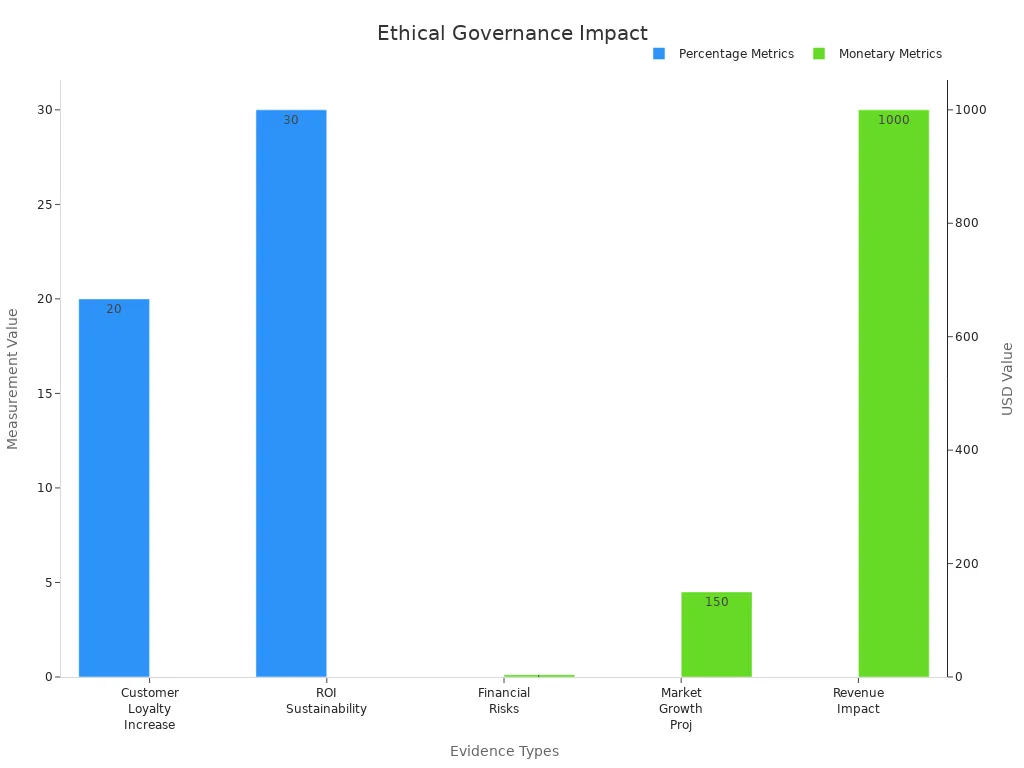
Ethical governance shapes how procurement teams operate in global markets. Companies with strong ethical standards enjoy better reputations and attract loyal customers. They also avoid costly fines and lawsuits. Ethical practices support fair labor, environmental sustainability, and economic development.
Companies that build ethical supply chains use codes of conduct, supplier audits, and training. They also adopt technologies for transparency and circular economy principles to reduce waste.
Core competencies like strategic judgment, supplier relationship mastery, and ethical governance remain essential. These strengths, supported by the procurement competency framework, help teams deliver value, manage risk, and build trust in a digital world.
The Future of Procurement requires a new set of skills that go beyond traditional expertise. Procurement professionals must now master data fluency, AI literacy, change agility, risk management, and sustainability expertise. These abilities help procurement teams become strategic business partners and drive innovation across organizations.
Data Fluency
Procurement teams use data fluency to make better decisions and improve performance. They collect and analyze information from many sources, such as supplier catalogs and purchasing records. This approach helps them spot trends, reduce costs, and avoid mistakes. When teams use data to guide their choices, they can quickly adjust to market changes and find new ways to save money.
Make better decisions by connecting data from many sources.
AI Literacy
AI literacy is now a must-have skill in the Future of Procurement. Teams that understand AI can use it to automate tasks, analyze large amounts of data, and improve supplier relationships. AI helps reduce costs, speed up sourcing, and manage risks more effectively.
Most procurement leaders plan to use AI by 2025, showing its growing importance.
AI tools help teams check supplier quality, monitor contracts, and spot risks early.
Automation frees up staff to focus on strategy instead of repetitive tasks.
AI also supports sustainability and compliance by tracking supplier actions.
Training in AI helps teams get the most value from new technology and stay ahead in a fast-changing field.
Change Agility
Change agility means being able to adapt quickly to new situations. In the Future of Procurement, teams face shifting markets, new technologies, and changing customer needs. Agile teams use real-time data and flexible systems to respond fast and avoid problems.
Teams that adapt quickly see higher efficiency, better supplier performance, and lower costs.
Agility also supports innovation by encouraging teams to try new ideas and improve processes.
Change agility helps procurement teams stay competitive and deliver value, even when the market changes suddenly.
Risk Management
Risk management remains a core skill for procurement professionals. Teams must identify, measure, and reduce risks from suppliers, markets, and regulations. Advanced analytics and AI tools help teams spot problems early and take action before they become serious.
Procurement teams use risk management to:
Monitor supplier performance and financial health.
Track changes in market prices and supply availability.
Ensure compliance with laws and company policies.
Protect the organization from disruptions and losses.
Strong risk management builds trust with stakeholders and keeps supply chains running smoothly.
Sustainability Expertise
Sustainability expertise is now essential in the Future of Procurement. Teams must consider environmental and social impacts when making decisions. Sustainable procurement not only protects the planet but also brings business benefits.
Sustainable strategies improve supply chain efficiency by reducing unnecessary packaging, energy consumption, and waste.
Brand Differentiation
Companies adopting sustainable procurement enhance brand image and appeal to environmentally conscious consumers, increasing brand value by 15-30%.
New Market Opportunities
Sustainability opens access to new customers willing to pay premiums for eco-friendly products and services.
Risk Mitigation
Sustainable procurement minimizes supply chain risks related to environmental and social issues, protecting against disruptions and reputational damage.
Future-proofing
Helps companies prepare for resource scarcity, regulatory changes, and evolving environmental laws, ensuring long-term viability.
Regulatory Compliance
Ensures adherence to current and future environmental regulations, avoiding legal penalties and supporting corporate social responsibility (CSR).
Procurement teams with sustainability expertise:
Integrate environmental, social, and governance (ESG) factors into decisions.
Choose suppliers who use renewable energy or recycled materials.
Reduce transport emissions by working with local suppliers.
Prepare for new regulations and changing customer expectations.
Sustainability expertise helps organizations build stronger brands, reduce risks, and unlock new business opportunities.
The Future of Procurement depends on these new skills. Teams that invest in data fluency, AI literacy, change agility, risk management, and sustainability expertise will lead their organizations to greater success and innovation.
Procurement is changing fast. Technology, business strategy, and global markets all drive this evolution. By 2030, procurement will shift from a support role to a strategic enabler. Teams must understand these changes to stay ahead in the Future of Procurement.
AI and machine learning analyze large data sets and help select the best suppliers.
Technology tools support green procurement by checking supplier environmental records.
IoT devices track shipments in real time, improving inventory management.
Big data and analytics give teams insights into spending and market trends.
Cloud-based solutions allow teams to work together from anywhere.
Supplier management tools help build strong partnerships.
5G networks make data sharing faster and more reliable.
Technology gives procurement teams the power to act quickly and make smarter choices.
Business Integration
Procurement now connects closely with business goals. Companies invest in software and digital tools to improve results. The table below shows how procurement software is growing worldwide:
Market changes affect procurement every day. Teams face new risks, price changes, and supply shortages. Digital tools like e-procurement platforms, AI, and analytics help teams work faster and smarter.
Strategic hiring and smart technology build strong, resilient teams.
Upskilling prepares procurement teams for the Future of Procurement by closing skill gaps and building confidence.
Embracing Digital Tools
Digital tools transform procurement by making processes faster and more accurate. These tools give teams full visibility into spending, improve supplier collaboration, and automate routine tasks. The table below shows how companies benefit from digital procurement tools:
Benefit Area
Percentage of Companies
Description
Cost Reduction
47%
Companies aiming to reduce costs through digital procurement tools.
Cost Reduction (Strategic Goal)
Over 69%
Companies naming cost reduction as a key strategic priority in procurement.
Risk and Crisis Management
Around 19%
Organizations targeting better risk and crisis management via digitization.
Process Optimization
57%
Companies seeking higher efficiency and transparency through process optimization.
Digital procurement tools also provide 100% spend visibility and automate workflows. Teams can make better decisions and focus on strategic goals, which increases productivity and business growth.
Building Partnerships
Strong partnerships help procurement teams save money, reduce risks, and speed up product launches. Strategic sourcing and supplier collaboration lead to better deals and more reliable supply chains.
Continuous learning ensures teams adapt to new challenges and deliver better results over time.
The Future of Procurement demands both core strengths and new abilities. Teams excel by combining strategic judgment, supplier relationships, and ethical governance with skills in AI, data, and sustainability. Key outcomes include cost savings, revenue growth, and improved supplier performance.
What core skills will procurement professionals need in the future?
Procurement professionals will need strong strategic judgment, supplier relationship management, and ethical governance. These skills help teams make smart decisions, build trust, and ensure compliance.
How does technology impact procurement roles?
Technology automates routine tasks and provides real-time data. Teams use tools like AI and analytics to improve decision-making, reduce errors, and increase efficiency.
Why is sustainability important in procurement?
Sustainability protects the environment and supports long-term business growth. Teams that focus on sustainable sourcing reduce risks, lower costs, and improve brand reputation.
How can organizations upskill their procurement teams?
Organizations can offer training in data analytics, AI, and sustainability. They can also encourage continuous learning through mentorship, workshops, and online courses.
What is the role of AI in procurement?
AI helps teams analyze large data sets, automate processes, and predict risks. It supports better supplier selection and contract management, leading to cost savings and improved performance.