The logistics industry plays a crucial role in driving economic growth and fostering positive outcomes for businesses. As the backbone of supply chain operations, logistics ensures the seamless flow of goods and services across various sectors. Understanding logistics risk trends is paramount in navigating the dynamic landscape of global trade. This blog delves into the impacts of emerging risks and explores effective strategies for risk mitigation, emphasizing proactive measures to safeguard operational continuity and enhance resilience.
Logistics Risk Overview
In the realm of logistics, logistics risk is a critical factor that can significantly impact the efficiency and effectiveness of supply chain operations. Understanding and managing these risks are essential for ensuring the smooth flow of goods and services across various sectors. Let’s delve into the nuances of logistics risks to comprehend their implications on the industry.
What is Logistics Risk?
Logistics risk encompasses a wide array of potential disruptions that can hinder the seamless movement of goods from point A to point B. These risks include delays, damages, theft, or loss during transportation, which can lead to operational setbacks and financial losses for businesses involved in logistics operations.
Importance of Managing Logistics Risk
Effectively managing logistics risk is paramount for companies operating in the logistics sector. By proactively identifying and addressing potential risks, organizations can safeguard their supply chains against unforeseen events that could disrupt normal operations. Mitigating these risks not only ensures operational continuity but also enhances resilience in the face of challenges.
Types of Logistics Risks
Transportation Risks
Transportation risks pose a significant threat to logistics operations by causing delays or disruptions in the movement of goods. Factors such as traffic congestion, accidents, or adverse weather conditions can impede the timely delivery of shipments, leading to customer dissatisfaction and increased costs for logistics providers.
Inadequate labor in the logistics industry can create bottlenecks in operations, affecting overall efficiency and service quality. The scarcity of qualified personnel poses challenges for companies striving to meet customer demands promptly and maintain high standards of service excellence.
Ocean Freight Risks
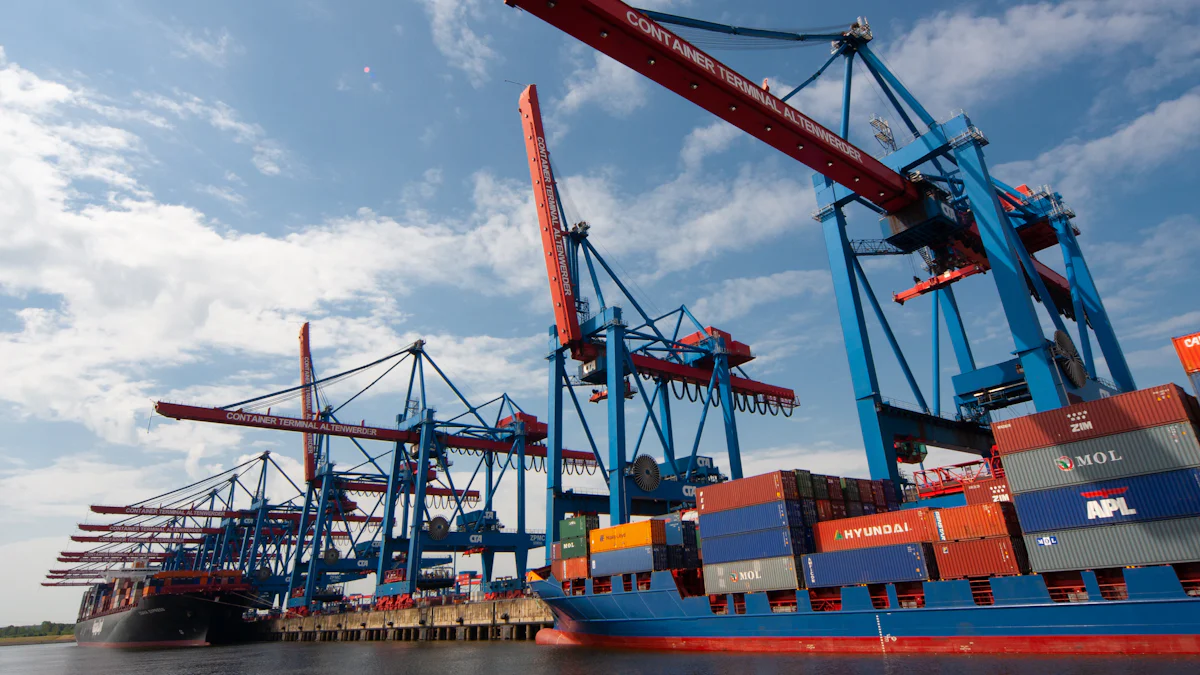
Risks associated with ocean freight can have far-reaching implications on transportation and supply chain networks. Geopolitical conflicts or supply chain disruptions in key maritime routes can disrupt global trade flows, impacting businesses reliant on sea transport for their logistical needs.
Current Trends in Logistics Risks
Geopolitical Tensions
Geopolitical tensions between nations can introduce uncertainties into international trade dynamics, affecting logistics operations worldwide. Companies must navigate through complex geopolitical landscapes to mitigate risks arising from trade disputes or conflicts that could disrupt supply chains.
Climate Change Impacts
The effects of climate change are increasingly influencing logistics operations by causing extreme weather events and natural disasters. Rising temperatures, floods, or hurricanes can damage infrastructure, disrupt transportation routes, and lead to inventory shortages, underscoring the need for climate-resilient supply chains.
Specific Risk Trends
Transportation Risks
The challenge of logistics risk in transportation is multifaceted, encompassing various factors that can disrupt the smooth flow of goods. Addressing these risks proactively is essential to ensure operational efficiency and customer satisfaction.
Traffic Congestion
Implementing real-time monitoring systems to track traffic patterns and optimize delivery routes.
Collaborating with local authorities to mitigate congestion hotspots and streamline traffic flow.
Investing in alternative transportation modes like drones or bicycles for last-mile deliveries.
Accidents and Adverse Weather
Conducting regular driver training programs to enhance safety awareness and accident prevention.
Utilizing weather forecasting technologies to anticipate adverse conditions and adjust logistics schedules accordingly.
Establishing contingency plans for rerouting shipments in case of road closures due to accidents or severe weather.
Labor Shortages
The scarcity of skilled labor in the logistics sector poses a significant challenge, impacting operational efficiency and service quality. Developing innovative strategies to address labor shortages is crucial for sustaining logistics operations.
Impact on Efficiency
Automating repetitive tasks through robotics and AI technologies to reduce dependency on manual labor.
Offering competitive wages, benefits, and career advancement opportunities to attract and retain skilled workers.
Implementing flexible work arrangements and training programs to upskill existing employees for diverse roles within the organization.
Dearth of Qualified Personnel
Collaborating with educational institutions to design specialized logistics courses that cater to industry requirements.
Partnering with staffing agencies specializing in supply chain recruitment to access a pool of qualified candidates.
Providing continuous learning opportunities and mentorship programs to nurture talent within the organization.
Ocean Freight Risks
Navigating the complexities of ocean freight risks requires strategic planning and proactive risk management measures to safeguard supply chain resilience.
Geopolitical Conflicts
Diversifying shipping routes and carrier options to minimize exposure to geopolitical tensions in key maritime regions.
Monitoring political developments closely and adjusting logistics strategies accordingly to mitigate potential disruptions.
Establishing strong relationships with local partners in high-risk areas to navigate geopolitical challenges effectively.
Supply Chain Disruptions
Building redundancy into supply chains by maintaining buffer stocks at strategic locations along transportation routes.
Leveraging digital platforms for real-time visibility into cargo movements and inventory levels across the supply chain network.
Collaborating with suppliers on risk-sharing agreements and contingency plans to address unforeseen disruptions promptly.
Mitigation Strategies
Identifying and evaluating risks
Kocher, an expert in Supply Chain Risk Management, emphasizes the importance of a structured risk-focused view to navigate the complexities of logistics risk. Clients value this approach as it provides a comprehensive understanding of potential disruptions beyond industry boundaries. By identifying and evaluating risks meticulously, organizations can proactively safeguard their supply chains against unforeseen events.
Implementing regular risk assessments to identify vulnerabilities and weak links in the supply chain.
Mapping out the entire logistics network from raw material suppliers to end consumers for a holistic view.
Conducting thorough evaluations to pinpoint logistical bottlenecks, single supplier dependencies, or geopolitical instabilities.
Technological Solutions
Incorporating Generative AI technologies into logistics operations can revolutionize risk management strategies. These advanced systems leverage artificial intelligence to predict potential disruptions and optimize supply chain processes efficiently. By harnessing the power of Generative AI, companies can enhance decision-making capabilities and proactively address emerging risks in real-time.
Utilizing Generative AI algorithms to analyze vast amounts of data for predictive risk modeling.
Implementing machine learning techniques to identify patterns and trends that could indicate future risks.
Integrating AI-driven solutions for dynamic risk mitigation strategies tailored to specific logistics challenges.
Cloud-based technologies offer scalable and flexible solutions for managing logistics risk effectively. By leveraging cloud platforms, organizations can centralize data storage, streamline communication channels, and enhance collaboration among supply chain stakeholders. The cloud infrastructure provides real-time visibility into logistics operations, enabling swift responses to potential risks.
Migrating critical logistics data to secure cloud servers for centralized access and enhanced data security.
Deploying cloud-based analytics tools for real-time monitoring of supply chain performance metrics.
Facilitating seamless communication between internal teams and external partners through cloud collaboration platforms.
Strategic Planning
Diversifying Suppliers
Diversifying supplier networks is a strategic approach to mitigating logistics risk by reducing dependency on single sourcing channels. By engaging with multiple suppliers across different regions or industries, companies can minimize the impact of disruptions caused by supplier-specific issues. This proactive strategy enhances supply chain resilience and ensures continuity in operations.
Identifying alternative suppliers with similar product offerings and quality standards for backup sourcing options.
Establishing partnerships with geographically diverse suppliers to mitigate risks associated with regional disruptions.
Negotiating flexible contracts that allow for quick adjustments in procurement strategies based on changing market conditions.
Implementing Robust Safety Measures
Ensuring workplace safety is paramount in mitigating operational risks within the logistics industry. By implementing robust safety measures across warehouses, distribution centers, and transportation hubs, organizations can protect personnel, goods, and assets from potential hazards. Prioritizing safety protocols fosters a culture of responsibility and minimizes the likelihood of accidents or disruptions.
Conducting regular safety audits and inspections to identify potential hazards and compliance gaps.
Providing comprehensive training programs on safe handling practices, emergency procedures, and equipment operation.
Investing in state-of-the-art safety technologies such as IoT sensors, surveillance systems, and automated alert mechanisms.
Recap of logistics risk trends:
Importance of proactive risk management:
Future outlook for the logistics industry:
See Also
Transforming Supply Chain: The Revolution of Logistics Innovation
Managing Supply Chain Turbulence: Insights on Inflation
Exploring the Future: Breakthroughs in Logistics Technology
2024 Revealed: The Latest in Sea Freight Logistics
Resilient Supply Chains: JUSDA’s Preparedness for Risk