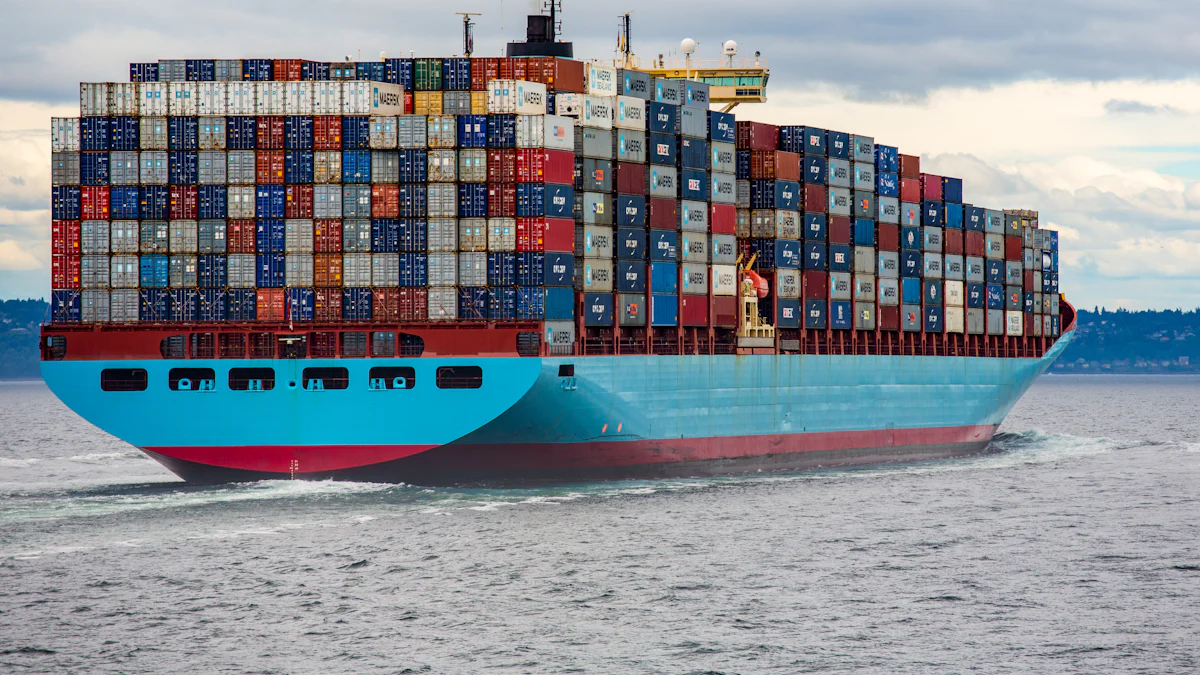
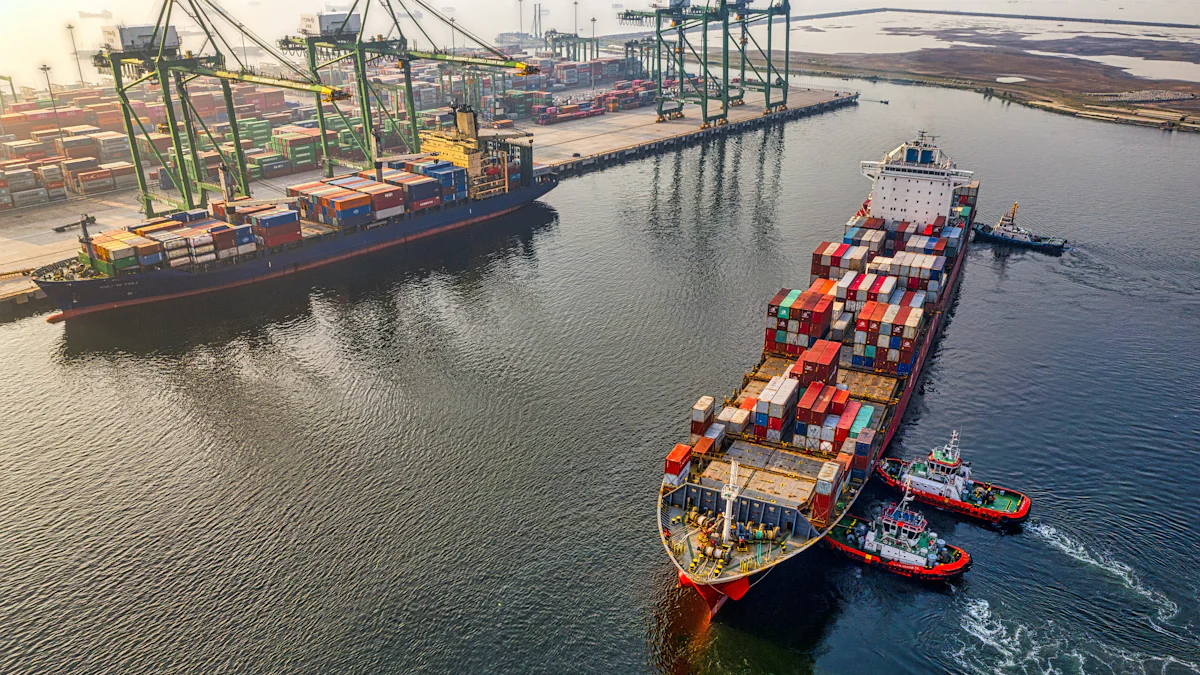
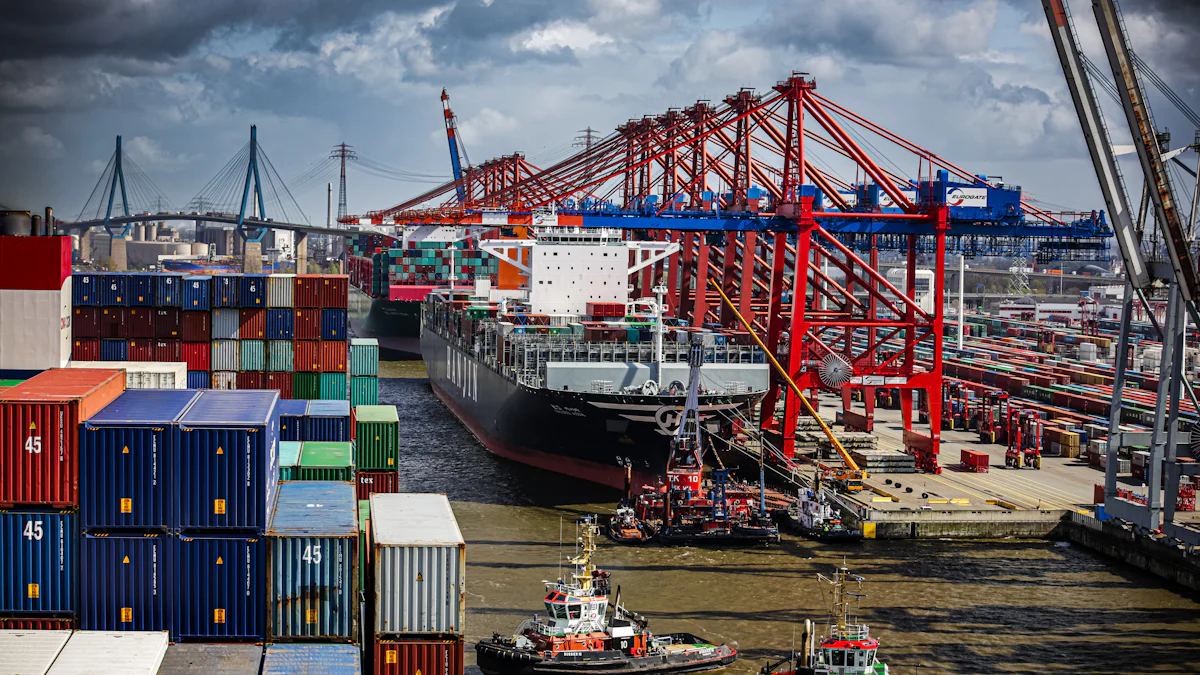
Ocean freight shipping involves transporting goods across oceans on specialized ships. This method handles up to 90% of global trade, making it crucial for businesses and individuals. Understanding ocean freight helps in managing costs, ensuring timely deliveries, and navigating the complexities of international shipping. Knowledge in this area can lead to better decision-making and more efficient operations.
Understanding Ocean Freight
What is Ocean Freight?
Definition and Basic Concepts
Ocean Freight refers to the transportation of goods across seas using specialized ships. This method handles a significant portion of global trade. Businesses and individuals rely on Ocean Freight for moving large quantities of goods efficiently. The process involves several steps, including booking, loading, shipping, and unloading.
Historical Background
The history of Ocean Freight dates back centuries. However, the modern era began with the advent of containerization in the 1950s. This innovation revolutionized global trade. The first use of a modern container marked a game-changing moment. By 1968, container shipping had transformed the global economy. The ability to move large volumes of goods at reduced costs enabled rapid expansion of trade networks.
Types of Ocean Freight
Full Container Load (FCL)
A Full Container Load (FCL) means one shipper occupies an entire container. This option suits businesses with large shipments. FCL offers advantages like reduced risk of damage and faster transit times. Shippers can also benefit from lower costs per unit of goods.
Less than Container Load (LCL)
Less than Container Load (LCL) involves sharing a container with other shippers. This option works well for smaller shipments. LCL allows businesses to save money by only paying for the space used. However, LCL may involve longer transit times due to the consolidation process.
Roll-on/Roll-off (RoRo)
Roll-on/Roll-off (RoRo) shipping involves transporting vehicles and machinery. These items roll onto the ship at the origin port and roll off at the destination port. RoRo shipping provides a convenient solution for moving wheeled cargo. This method ensures safe and efficient transportation.
Key Players in Ocean Freight
Shippers
Shippers are the entities that need to move goods. These can be businesses, manufacturers, or individuals. Shippers play a crucial role in initiating the Ocean Freight process. They provide the necessary details and requirements for the shipment.
Freight Forwarders
Freight forwarders act as intermediaries between shippers and carriers. They handle logistics, documentation, and coordination. Freight forwarders ensure that shipments move smoothly from origin to destination. Their expertise helps in navigating complex shipping regulations.
Carriers
Carriers are companies that own and operate the ships. They transport goods across oceans. Carriers manage the vessels, crew, and schedules. They ensure that shipments reach their destinations safely and on time.
Customs Brokers
Customs brokers assist with the clearance of goods through customs. They handle the necessary paperwork and compliance with regulations. Customs brokers help avoid delays and ensure that shipments meet all legal requirements.
The Ocean Freight Process
Booking and Documentation
Bill of Lading
The Bill of Lading serves as a crucial document in the Ocean Freight process. This document acts as a receipt for the goods shipped. It also functions as a contract between the shipper and the carrier. The Bill of Lading includes details like the type of goods, quantity, and destination. This document ensures that the carrier delivers the goods to the correct recipient.
Shipping Instructions
Shipping Instructions provide detailed guidelines for the shipment. These instructions include information on packaging, labeling, and handling. Shippers must provide accurate Shipping Instructions to avoid delays or issues. Clear instructions help in smooth processing and timely delivery of goods.
Loading and Transportation
Container Loading
Container Loading involves placing goods into shipping containers. Proper loading ensures the safety and security of the cargo. Workers must follow specific guidelines to maximize space and minimize damage. Efficient Container Loading helps in reducing costs and improving transit times.
Vessel Loading
Vessel Loading refers to the process of placing containers onto the ship. This step requires careful planning and coordination. Workers use cranes and other equipment to load containers safely. Proper Vessel Loading ensures that the ship remains balanced and stable during transit.
Arrival and Unloading
Port Procedures
Port Procedures involve several steps once the ship arrives at the destination port. Workers unload the containers from the ship. The port authorities inspect the goods and verify the documentation. Efficient Port Procedures help in minimizing delays and ensuring smooth operations.
Customs Clearance
Customs Clearance is the final step in the Ocean Freight process. Customs officials review the documents and inspect the goods. Shippers must comply with all regulations to avoid penalties. Successful Customs Clearance allows the goods to enter the market or reach the final destination.
Factors Affecting Ocean Freight Rates
Distance and Route
Major Shipping Routes
Ocean Freight relies on major shipping routes to move goods efficiently. These routes connect key ports around the world. The busiest routes include the Asia-Europe route, the Trans-Pacific route, and the Trans-Atlantic route. Each route has unique characteristics that affect transit times and costs.
Impact of Distance on Cost
Distance plays a significant role in determining Ocean Freight rates. Longer distances usually mean higher costs. Fuel consumption increases with distance, leading to higher expenses. Additionally, longer routes may involve more stops, which can add to the overall cost.
Container Size and Weight
Standard Container Sizes
Standard container sizes impact Ocean Freight rates. The most common sizes are 20-foot and 40-foot containers. A 20-foot container is suitable for smaller shipments. A 40-foot container holds larger quantities. Shippers must choose the right size to optimize costs.
Weight Considerations
Weight also affects Ocean Freight rates. Heavier shipments incur higher costs due to increased fuel consumption. Carriers calculate rates based on the weight of the cargo. Shippers should consider both size and weight when planning shipments.
Seasonal Variations
Peak Shipping Seasons
Peak shipping seasons influence Ocean Freight rates. Demand for shipping services increases during these periods. Holidays and major shopping events like Black Friday and Christmas drive up demand. Higher demand leads to higher rates.
Off-Peak Seasons
Off-peak seasons offer lower Ocean Freight rates. Demand decreases during these times, leading to reduced costs. Shippers can take advantage of lower rates by planning shipments during off-peak periods. This strategy helps in managing shipping expenses effectively.
Practical Considerations
Costs Involved
Freight Charges
Ocean Freight charges depend on various factors. The distance between the origin and destination ports plays a significant role. Longer distances usually mean higher costs. The size and weight of the cargo also affect the charges. Standard container sizes, such as 20-foot and 40-foot containers, have different rates. Heavier shipments incur higher costs due to increased fuel consumption.
Additional Fees
Additional fees can arise during the Ocean Freight process. Port charges cover the costs of loading and unloading goods. Customs duties apply when goods enter a country. Shippers may also face demurrage fees if containers stay at the port for too long. Insurance costs protect against potential losses or damages. Proper planning helps in managing these additional expenses.
Benefits and Drawbacks
Advantages of Ocean Freight
Ocean Freight offers several advantages. This method is cost-effective for large shipments. Businesses can move vast quantities of goods at lower costs per unit. Ocean Freight also provides reliable and regular schedules. Specialized ships ensure safe transportation of various types of cargo. This method supports global trade by connecting key ports around the world.
Disadvantages of Ocean Freight
Ocean Freight has some drawbacks. Transit times are longer compared to air freight. Weather conditions and port congestion can cause delays. Shippers must plan ahead to account for these factors. Hidden costs, such as demurrage and detention fees, may arise. The process involves complex documentation and compliance with regulations.
When to Choose Ocean Freight
Suitable Scenarios
Ocean Freight suits specific scenarios. Businesses with large volumes of goods benefit from this method. Heavy or bulky items, like machinery, are ideal for sea transport. Shippers looking to reduce costs should consider Ocean Freight. This method works well for non-urgent shipments. Planning shipments during off-peak seasons can further reduce expenses.
Alternatives to Consider
Alternatives to Ocean Freight include air freight and rail transport. Air freight offers faster transit times but at higher costs. Rail transport provides a middle ground with moderate costs and speeds. Each method has unique advantages and drawbacks. Shippers must evaluate their needs to choose the best option.
Understanding Ocean Freight is essential for anyone involved in international shipping. Knowledge of the different types of Ocean Freight, key players, and the process can significantly impact logistics efficiency. Recognizing factors that affect Ocean Freight rates helps in cost management. Practical considerations provide insights into when to choose Ocean Freight over other methods.
Grasping these concepts ensures better decision-making and smoother operations. Applying this knowledge in real-world scenarios will lead to more effective and economical shipping solutions. Embrace the complexities of Ocean Freight to enhance global trade operations.
See Also
Revealing the Latest in Sea Freight Logistics for 2024
Exploring Global Logistics Companies: The Definitive Guide
An In-Depth Look at the Future of LTL Freight
Maximizing Savings in Logistics: A Complete Guide
The Benefits of Participating in Leading Logistics Webinars