Advanced tools are transforming overseas warehouse services, enhancing their efficiency. These innovative solutions are driving rapid growth in the global market, which was valued at $14.3 billion in 2022. It is projected to expand by 8.2% annually until 2030. Overseas warehouse services for direct buyers facilitate quicker shipping, revolutionizing how businesses cater to their customers.
Key Takeaways
Robots and machines make warehouses work faster. They cut mistakes and help process orders quickly, saving time and money.
Smart computers improve decisions. They guess what people will need and organize stock, helping warehouses stay ready for changes.
Being eco-friendly is important in warehouses. Using clean energy and green delivery helps the planet and lowers costs.
Key Technological Advancements in Overseas Warehouse Services
Automation and Robotics in Warehousing
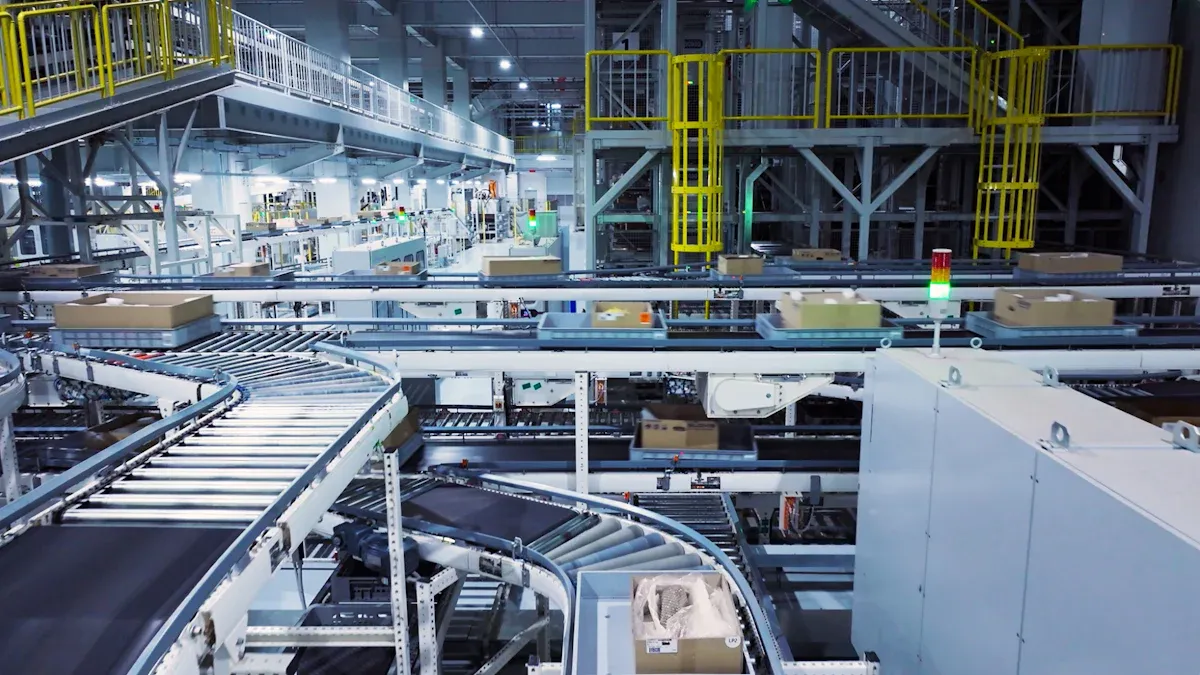
Automation and robots are changing overseas warehouses. They make work faster and easier. Robots do tasks like picking, packing, and sorting. This reduces mistakes and boosts productivity. Machines like robotic arms and AGVs help speed up order processing. Labor shortages and high costs push companies to use these tools. Big companies like DHL and FedEx now depend on robots to stay efficient.
Here’s how automation and robotics are making a difference:
These tools are shaping future warehouses. They help meet global market needs and keep operations smooth.
AI and Machine Learning for Smarter Operations
AI and machine learning are improving warehouse work. They help plan better and make smarter choices. These tools study data to predict demand and manage inventory. They also stop theft and reduce waste. AI-powered robots and vehicles handle tough tasks automatically. Predictive analytics help businesses know what stock is needed ahead of time.
Studies show AI works well in e-commerce warehouses. It improves inventory tracking, boosts security, and makes work faster. Using AI keeps warehouses competitive and ready for new trends.
IoT and Big Data for Real-Time Inventory Management
IoT and big data help track inventory in real-time. Sensors check stock levels and storage conditions. They send updates to prevent running out of items or having too many. Big data predicts demand changes and helps adjust inventory levels.
Here’s how IoT and big data improve inventory management:
Trend
Impact on Inventory Management
Real-time inventory tracking
Stops stockouts and overstock, keeping operations smooth.
Predictive analytics
Helps businesses plan for demand changes and manage stock better.
IoT-enabled tracking systems
Cuts down lost items by monitoring and recovering them quickly.
Using these tools improves supply chains and keeps customers happy.
Digital Twins for Enhanced Warehouse Simulation
Digital twins are virtual copies of warehouses. They help test and improve how warehouses work. These models show how changes affect storage and operations. For example, they can test new picking methods to speed up order processing.
Benefits of digital twins include:
Benefit
Description
Improved Operational Efficiency
Digital twins create 3D layouts to test storage setups and improve pick times.
Real-time Data Updates
They track equipment use and schedule repairs when needed.
Enhanced Decision-Making
Simulations predict outcomes of changes, helping make smart choices.
Digital twins are key for better warehouses. They help improve operations and keep things running smoothly.
Blockchain for Secure and Transparent Supply Chains
Blockchain makes supply chains safer and clearer. It uses shared records to give accurate, real-time info. This builds trust between everyone involved. Blockchain also uses smart contracts to speed up processes and reduce mistakes. It tracks products from start to finish, ensuring transparency.
Here’s a comparison of traditional supply chains and blockchain systems:
Aspect
Traditional Supply Chains
Blockchain-Enhanced Supply Chains
Data Management
Centralized systems with errors
Shared records with accurate, real-time info
Transparency
Limited data sharing
Open data builds trust among stakeholders
Security
Weak spots prone to breaches
Strong encryption prevents tampering
Efficiency and Speed
Slow manual processes
Automated contracts save time and money
Traceability
Hard to track product origins
Full tracking from start to end
Blockchain improves logistics, lowers costs, and builds customer trust.
Sustainability Trends in Overseas Warehousingzz
Sustainability is now essential in overseas warehousing, not just a trend. Companies are using new methods to help the planet and work better. Let’s see how renewable energy, green logistics, and recycling ideas are shaping eco-friendly warehousing.
Renewable Energy Solutions in Warehousing
Warehouses are using renewable energy like solar and wind power. These systems cut energy use and lower pollution. For example, Amazon uses solar panels to power its warehouses. Smart lights and heating systems also help reduce carbon emissions.
Using renewable energy saves money and helps the environment.
Green Logistics and Carbon Footprint Reduction
Green logistics means making transportation and storage eco-friendly. Combining shipments and planning better routes saves fuel and cuts pollution. Importer of Record (IOR) services also help follow green rules.
These actions make a big impact. Fewer shipments mean less fuel used. Better routes ensure faster deliveries with less pollution. Green logistics helps businesses meet global eco-goals.
Circular Economy Practices in Inventory Management
The circular economy focuses on reusing and recycling. Warehouses fix returned items, recycle packaging, and cut waste. These steps save money and support green goals.
A 2023 survey showed 85% of logistics companies now reduce waste. This shows the industry cares about the planet. Using circular economy ideas makes supply chains greener and more efficient.
Meeting the Growing Overseas Warehouse Demand in E-Commerce
E-commerce is growing fast, increasing the need for overseas warehouses. Businesses now use smart ideas to deliver faster, handle returns better, and improve last-mile deliveries. Let’s see how small warehouses, return systems, and city storage are changing e-commerce.
Micro-Fulfillment Centers for Faster Delivery
Micro-fulfillment centers are small warehouses near customers. They help ship orders quickly and save money. These centers are key to cross-border shopping, making sure products arrive fast.
More people shop online now—over 2.77 billion worldwide. The e-commerce market, worth $6.8 trillion, may grow to $8 trillion by 2027. This shows why fast delivery systems like micro-fulfillment centers are important.
These centers use machines and smart tools to pack orders fast. They can send out items in just hours. This helps businesses compete and keeps customers happy. For you, it means getting your orders quicker.
Reverse Logistics for Seamless Returns
Returns are common in online shopping. Reverse logistics makes returning items easy for both buyers and sellers. A smooth return process builds trust and keeps customers coming back.
About 96% of shoppers will buy again if returns are simple. But only 35% of stores track returns, and just 8% let you track refunds. This shows businesses can improve their return systems.
Good reverse logistics checks returned items, fixes or recycles them, and restocks them. This reduces waste and helps the planet. For you, it means returning items without stress.
Urban Warehousing for Last-Mile Delivery
Urban warehouses are storage spaces near cities. They make last-mile deliveries faster and cheaper. These warehouses solve problems of delivering in crowded areas.
With e-commerce sales expected to pass $6.8 trillion by 2025, quick delivery is a must. Urban warehouses use smart tech like IoT and AI to plan better routes and deliver on time.
For you, this means faster deliveries, even in busy cities. It also cuts down pollution, making deliveries eco-friendly.
JUSDA’s Role in Shaping Warehousing Trends
JUSDA’s Advanced Warehouse Solutions
JUSDA leads in modern warehouse trends with smart solutions. They use tools like real-time tracking to improve supply chains. Their focus on customer needs helps create custom plans for businesses. Automated Mobile Robots (AMRs) make order processing faster and deliveries smoother.
JUSDA offers services like Vendor Managed Inventory (VMI), cross-border logistics, and distribution. These services work together to make supply chains flexible and efficient. Whether you need storage or quick deliveries, JUSDA helps your business stay ahead globally.
JusLink and eVMI for Real-Time Inventory Control
JUSDA’s JusLink and eVMI systems change how inventory is managed. JusLink uses IoT, cloud tech, and big data to track stock live. This makes logistics faster and keeps operations running smoothly. You can see everything in real-time and adjust to changes quickly.
Tracking inventory live stops problems like running out of stock. It also avoids having too much inventory. These tools make operations accurate and supply chains stronger. With them, your business stays competitive in the global market.
Global Reach with JUSDA’s Extensive Warehouse Network
This large network ensures products are delivered on time. It helps businesses meet global needs easily.
Challenges and Strategies for Future-Proofing Overseas Warehousing
Training Workers to Use New Technology
Warehouses need trained workers to use advanced tools. Teaching employees how to work with automation, IoT, and AI is important. Without training, workers may find these systems hard to use. Training also helps solve labor shortages, which are a big problem worldwide. Skilled workers keep operations steady and make work more efficient.
Training programs prepare workers for future warehouse needs. Classes on robotics or data analytics can help them learn new skills. This makes work faster and keeps employees happy, lowering the chances of them quitting.
Using Data to Make Smart Choices
Data helps warehouses work better. Studying data can show what products are needed and how to manage stock. It also helps improve customer service. Good data ensures decisions are based on accurate information. For example, successful data updates mean better planning and fewer mistakes.
Looking at data shows trends and helps businesses change plans quickly. It also saves money by checking costs and using resources wisely. Clear data gives businesses the tools to make smart choices that match market needs.
Working with other companies helps businesses expand worldwide. Teaming up with logistics firms or local partners improves supply chains. For example, Massimo Group worked with Armlogi to deliver vehicles in the U.S. These partnerships save money and make work easier.
Partners also help solve problems like customs rules or shipping delays. Sharing knowledge and tools makes entering new markets simpler. This keeps businesses strong and ready for the future of warehousing.
JUSDA Solutions
To provide you with professional solutions and quotations.
New technologies are changing overseas warehousing. Tools like automation, AI, IoT, and digital twins make work faster, cut costs, and keep customers happy.