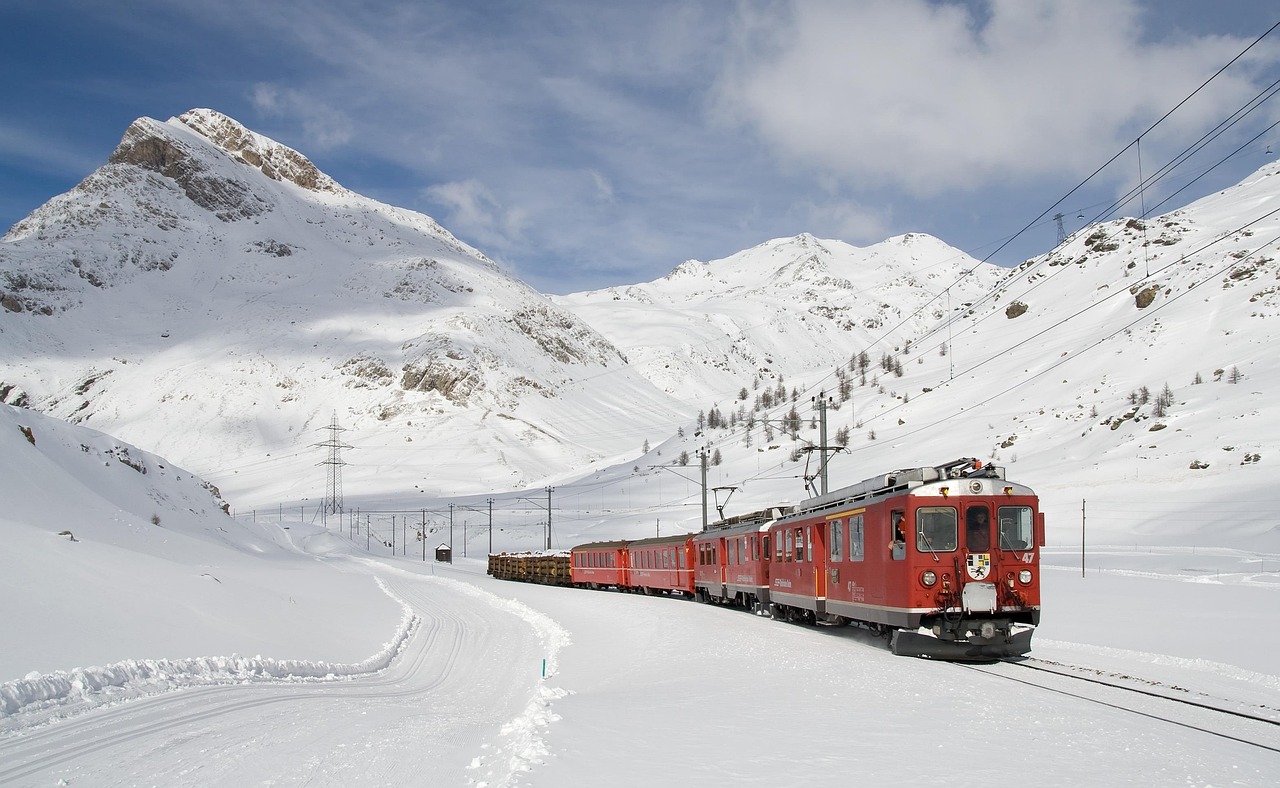
The China-Europe Railway Express has rapidly transformed from a niche logistics solution to a critical artery in global trade. In 2024 alone, over 19,000 freight trains traversed this network, carrying over 2.07 million TEUs (Twenty-foot Equivalent Units), representing a year-over-year increase of 10% in volume. This impressive growth underscores the increasing reliance of businesses on this efficient and cost-effective alternative to traditional sea and air freight. While sea transport can take upwards of 40 days and air freight remains prohibitively expensive for many, the China-Europe Railway offers transit times as short as 12-18 days at a significantly lower cost. Beyond speed and affordability, the railway’s expanding network, now connecting over 200 cities across 25 European countries and numerous Asian destinations, offers unparalleled flexibility and reach. For businesses seeking to optimize their supply chains, mitigate risks, and enhance sustainability, understanding the dynamics and potential of the China-Europe Railway Express is no longer optional—it’s a strategic imperative. This guide will delve into the key factors driving the railway’s growth and provide actionable insights for leveraging its advantages.
Historical Background
Start and Early Years
First trip from Chongqing to Duisburg
The China-Europe Railway Express started in 2011. The first train left Chongqing, China, and went to Duisburg, Germany. This created a new land route. The rail linked China and Europe directly. The first trip was very long and crossed many countries. This journey helped the service grow later.
Early problems and achievements
The early years of the China-Europe Railway Express had many problems. There were issues with logistics and infrastructure. Political rules also made things hard. Despite this, the service hit important milestones. More trains ran each year. More cities and countries joined the network. The rail quickly became an important link between China and Europe.
Branding Changes
Unified branding in 2016
In 2016, the China-Europe Railway Express changed its look. It unified its branding to have one identity. This change made operations smoother. It also made the service easier to recognize. The new branding increased trust in the rail service.
Effects on service and operations
The new branding improved things a lot. The China-Europe Railway Express saw better service quality. Operations got more efficient too. The network grew bigger with more trains running on time. The value of goods transported rose a lot too. This period marked fast growth for the rail service in global trade.
Growth and Expansion
Surge in Train Numbers
The China-Europe Railway Express has seen a big rise in train numbers. From 2016 to 2024, the number of trains went from 1,702 to over 19,000. This is more then ten times with an average yearly growth of 41.2%.
In 2023, they ran 12,400 trains, which was a 50% increase from the year before. By 2023, they had run 848 trains with 281 going out and 567 coming back. The yearly operation grew by 57%, doubling return trips from last year.
Monthly train operations since May 2020
Since May 2020, over 1,000 China-Europe Railway Express trains have run each month. This record has been kept for four years straight. In the first two months of 2024 alone, nearly 3,000 trains were sent out. This was a rise of 9% from the previous year. Wuhan’s China-Europe trains went from running four times a week to five times plus extra runs.
Increase in Cargo Value
The value of goods moved by the China-Europe Railway Express has also grown a lot. From 2016 to 2024, it jumped from $8 billion (58 billion yuan) to $58 billion (420.5 billion yuan). This shows its growing economic impact on China and Europe.
Annual cargo value growth (2016-2024)
The yearly cargo value carried by the China-Europe Railway Express has risen steadily. In 2020, they moved goods in about 1.75 million containers, up by 19% from last year. By 2023, they reached a total of about 1.9 million TEUs showing their key role in global trade.
Economic impact on China and Europe
The China-Europe Railway Express has greatly impacted both China’s and Europe’s economies. The rail service has moved over about eight million TEUs so far. It covers routes across about twenty-five countries and connects over two hundred cities in Europe and more than one hundred cities in Asia. This wide reach has boosted trade links and helped economic growth on both continents.
Routes and Network
Key Routes
Major cities and countries connected
The China-Europe Railway Express links many big cities. In China, trains start from Chongqing, Chengdu, and Xi’an. They go to European cities like Duisburg, Hamburg, and Madrid. The network covers 25 countries in Europe. It includes over 223 cities in Europe and more than 100 in Asia.
Strategic importance of these routes
The routes of the China-Europe Railway Express are very important. This rail service gives a direct land link between China and Europe. It cuts down travel time compared to sea routes. It is also cheaper than air transport. The rail helps trade and economic exchanges along the route. It supports the Belt and Road Initiative, boosting growth.
Network Expansion
Coverage across Europe and Asia
The China-Europe Railway Express has grown a lot. The network covers almost all of Eurasia. It connects Chinese cities with European ones. The rail reaches 223 cities in 25 European countries. It also links over 100 cities in Asia. This wide coverage helps trade grow.
Future expansion plans
Future plans for the China-Europe Railway Express aim to reach more places. New routes will connect more cities in Europe and Asia. The rail will improve its infrastructure to carry more goods. Better technology will make it faster and more reliable. The goal is for the China-Europe Railway Express to be a key player in global shipping.
Challenges and Solutions
Operational Problems
Logistical and infrastructure issues
The China-Europe Railway Express faces many problems. The rail crosses many countries with different rail sizes. Trains must change at borders, causing delays. Some areas have old tracks, slowing trains down. Limited space at key hubs also causes slowdowns.
Political and rule hurdles
Political and rule problems are big challenges too. Geopolitical risks can stop the flow of goods. Disputes between nations can halt operations. Different customs rules in each country cause delays. Following all regulations makes logistics harder.
Solutions and Innovations
Tech advancements
Tech advancements solve many problems. Automated systems speed up border crossings. Advanced tracking gives real-time cargo updates. New rail tech improves speed and reliability. Digital platforms make booking and scheduling easier.
Policy improvements
Better policies help a lot too. Harmonizing customs rules across countries cuts delays. Agreements between nations ensure smoother operations. Governments invest in better infrastructure for the rail network. Working together boosts the efficiency of the China-Europe Railway Express.
The China-Europe Railway Express keeps improving by solving challenges with new ideas. It stays a key part of global trade, linking continents and helping economies grow.
Practical Information and FAQs
How to Use the China-Europe Railway Express
Booking and scheduling
Booking a shipment on the China-Europe Railway Express is easy. You can contact rail transport experts. They help you pick the best route and time for your cargo. The trains have fixed schedules, making planning simple. You know exactly when your goods will leave and arrive.
Cost and time efficiency
The China-Europe Railway Express is cheaper than air transport and faster than sea transport. A train trip from Xi’an to Duisburg takes about 10 days. This speed helps businesses save time. Lower fuel costs and fewer delays save money too. The rail service also uses a ‘fast customs clearance’ system, cutting customs times by 20%.
Common Concerns
Safety and reliability are very important for the China-Europe Railway Express. Trains follow strict schedules and high safety rules. Advanced tracking systems watch the cargo in real-time, ensuring safe delivery on time. Many businesses trust this rail service.
Environmental impact
The China-Europe Railway Express is eco-friendly too. Rail transport makes less carbon pollution than air or sea transport, making it greener for shipping goods. By choosing rail, you help reduce global trade’s environmental footprint.
The China-Europe Railway Express is very important for global trade. It is faster and cheaper than sea and air transport. The rail links over 223 cities in Europe and more than 100 in Asia. The future looks good for the China-Europe Railway Express. New routes and better tech will make it work even better. This rail service will keep helping trade and economic growth. The China-Europe Railway Express is a key part of connecting continents and supporting global supply chains.
See Also
Ready to Explore: The Latest in Supply Chain Transport Tech
Revolutionary Approaches: Revealing Cross-Border E-commerce Supplier Bonds
Tomorrow’s Outlook on LTL Freight: An In-Depth Study
Revealing Sea Freight Operations: Updates for 2024
Cracking the Code to Cross-Border Trade Triumph with JUSDA