Air Traffic Control Fatigue Strains U.S. Airports, Rippling Through Global Logistics and Supply Chains During Peak Travel

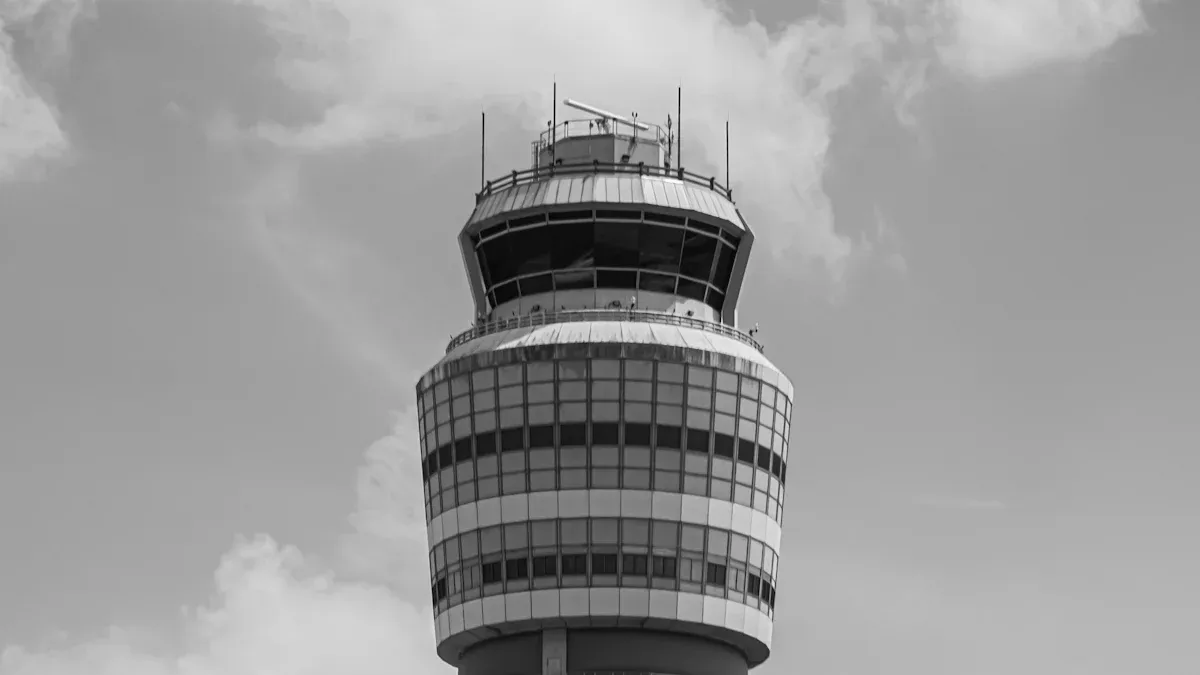
Air traffic control fatigue has caused widespread disruptions at U.S. airports. The situation has reached a critical point, with over 8,000 flights delayed in a single day and staffing shortages affecting 22 Federal Aviation Administration locations. Nearly 13,000 controllers have worked without pay, leading to immense stress and operational challenges.
Industries depending on efficient supply chains, such as electronics and automotive, face growing uncertainty as delays ripple through global logistics networks. Brands like JUSDA offer solutions that help businesses manage these disruptions and maintain supply chain resilience.
Impact Metric | Recent Value |
|---|---|
1,550+ | |
Flight delays | 6,700+ |
Revenue losses for airlines | $150–200 million |
Key Takeaways
Air traffic control fatigue has led to over 8,000 flight delays in a single day, causing significant disruptions at U.S. airports.
Staffing shortages in air traffic control have resulted in increased operational challenges, with nearly 13,000 controllers working without pay.
Delays in air cargo have created ripple effects in global logistics, impacting industries like electronics and automotive that rely on timely deliveries.
JUSDA offers solutions like JUSDASR and JusTrade to help businesses manage disruptions and maintain supply chain resilience.
Investing in technology and strong partnerships can enhance supply chain flexibility and prepare businesses for future disruptions.
Air Traffic Control Disruptions at U.S. Airports

Flight Delays and Cancellations
Flight delays and cancellations have surged at major U.S. airports. The Federal Aviation Administration reduced air traffic operations by 4% at 40 major airports. Chicago O’Hare and Midway International Airports saw the highest cuts, with reductions of 24% and 22%. On a single day, airports reported 7,460 delays and 664 cancellations. These disruptions affected both commercial and cargo flights, causing ripple effects throughout the supply chain. Travelers and businesses faced uncertainty as schedules changed with little warning. The situation remains fluid, with delays and cancellations continuing to impact operations.
Staffing Shortages and Government Shutdown
Staffing shortages have placed immense strain on air traffic control. Nearly 13,000 controllers have worked without pay, and approximately 3,000 positions remain vacant nationwide. The FAA responded by slowing down air traffic to maintain safety, which led to more delays. Controllers are working mandatory overtime, raising concerns about fatigue and safety. The ongoing government shutdown has intensified these challenges. Airports in Florida and other regions struggle to maintain safety protocols due to limited oversight. Concerns about increased risk of accidents and compromised air traffic control functions persist.
Impact on Major Hubs
Major airport hubs have experienced the highest rates of disruption. Newark Liberty International Airport, Reagan Washington National Airport, Atlanta, Chicago, Denver, Dallas, and Los Angeles have all faced significant operational challenges. New York airports, in particular, have seen transient flow constraints during peak travel and adverse weather. The FAA’s measures to reduce air traffic by 10% in 40 major markets are expected to affect thousands of daily flights. These reductions impact not only passenger travel but also cargo operations, creating bottlenecks in logistics and supply chains.
Ripple Effects on Global Logistics and Supply Chains
Delays in Cargo and Freight Movement
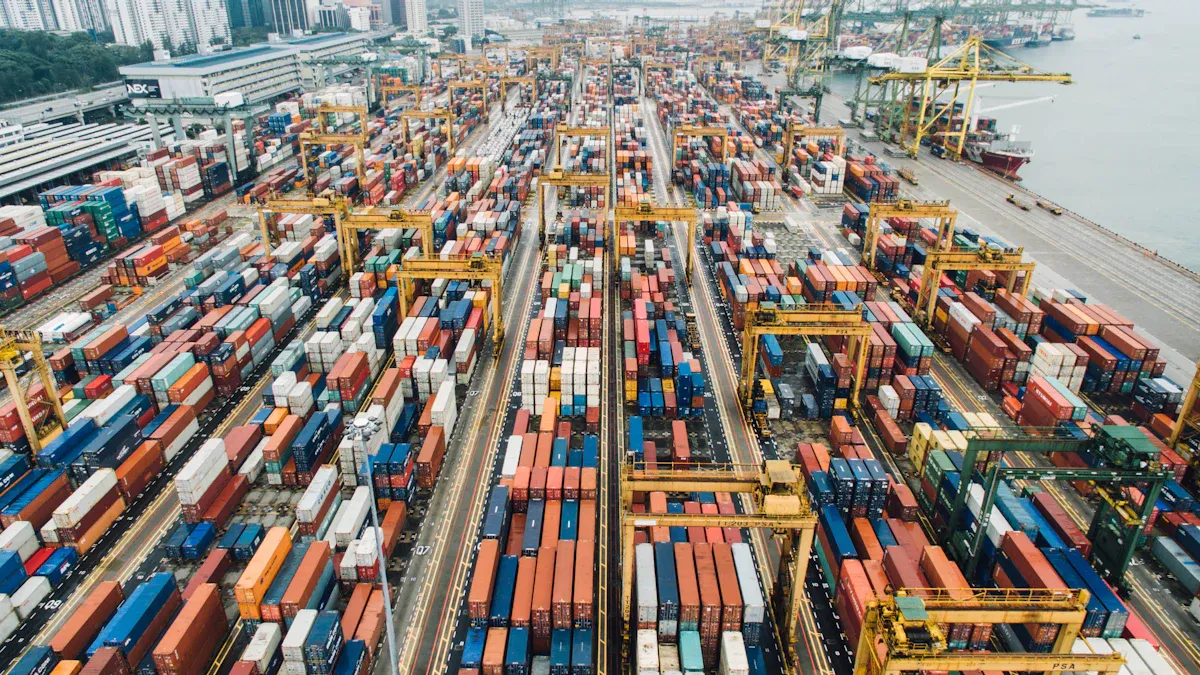
Air traffic control disruptions have created significant delays in cargo and freight movement across the United States. When controllers face fatigue and staffing shortages, airports must reduce flight operations. This leads to fewer available slots for both passenger and cargo flights. As a result, shipments experience longer transit times and increased uncertainty. Industries that depend on just-in-time delivery, such as electronics and automotive, feel the impact most acutely. Delays at major hubs like Chicago and Atlanta cause cascading effects throughout regional airports, straining local logistics networks and increasing operational challenges.
Many companies have shifted some shipments to ground transport, but this move has exposed vulnerabilities in regional logistics systems. The increased demand for trucking and rail services has led to congestion and higher costs. Airports are investing in infrastructure upgrades to improve resilience and support local economies, but these efforts take time to deliver results.
Ripple Effect | Description |
|---|---|
Cargo Declines | Mid-sized airports face short-term disruptions that strain regional logistics. |
The shift to ground transport from air cargo strains regional networks and exposes weaknesses. | |
Infrastructure Investment | Airports invest in upgrades to enhance resilience and stimulate local economies. |
Ripple Effects | Disruptions at major hubs create cascading effects on regional airports and operations. |
Impact on JUSDA Clients and Industries
JUSDA serves a wide range of industries, including electronics manufacturing, automotive, FMCG, new energy, and medical health. These sectors rely on efficient air cargo to maintain production schedules and meet customer demands. When air traffic control issues disrupt flight schedules, JUSDA clients face shipment delays, inventory shortages, and increased costs. For example, electronics manufacturers may struggle to receive critical components on time, while automotive companies risk production line stoppages due to missing parts.
JUSDA addresses these challenges with specialized solutions. JUSDASR provides cross-border logistics services, including direct express lines, first-mile logistics, and overseas warehousing. By leveraging strategic warehouse locations near major U.S. ports and airports, JUSDASR enables quick distribution and cost savings. The service integrates with major carriers for reliable last-mile delivery, helping clients minimize the impact of air traffic disruptions.
JusTrade offers intelligent customs clearance services that streamline import and export processes. Its SAAS platform uses AI and big data to reduce manual errors and speed up customs procedures. This ensures that goods move efficiently across borders, even when flight schedules change unexpectedly. JusTrade’s expertise in handling complex customs regulations helps JUSDA clients avoid additional delays and maintain compliance.
Supply Chain Bottlenecks
Supply chain bottlenecks have become more common as air traffic control disruptions persist. Reduced flight capacity and unpredictable schedules force companies to adjust logistics plans frequently. This creates challenges in inventory management, production planning, and customer fulfillment. The aviation industry faces rising costs, with the International Air Transport Association estimating that supplier bottlenecks could cost $11 billion in 2025. Major airlines must implement expensive contingency measures, while manufacturers like Airbus encounter reputational risks and regulatory scrutiny due to delayed deliveries.
Airlines incur higher operational costs as they reroute shipments or charter additional flights.
Manufacturers experience production delays, which can damage their reputation and lead to regulatory challenges.
Logistics providers must invest in alternative transport modes and infrastructure to maintain service levels.
JUSDA’s integrated approach helps clients navigate these bottlenecks. JUSDASR’s strategic warehousing and direct partnerships with carriers ensure flexible routing and timely delivery. JusTrade’s digital customs clearance platform reduces the risk of border delays, supporting uninterrupted supply chain operations. By combining advanced logistics solutions with industry expertise, JUSDA empowers businesses to adapt quickly and maintain resilience during periods of disruption.
JUSDA Solutions for Air Traffic Control Challenges
JUSDASR for Cross-Border Logistics
JUSDASR supports businesses facing disruptions in air traffic control by providing efficient cross-border logistics solutions. The service offers direct express lines, first-mile logistics, and overseas warehousing. Strategic warehouse locations near major U.S. ports and airports allow for quick distribution and cost savings. JUSDASR integrates with major carriers, including FedEx and UPS, to ensure reliable last-mile delivery. Merchants benefit from dropshipping capabilities and specialized support for high-power energy storage products. These features help companies maintain supply chain stability when flight schedules change unexpectedly.
JUSDASR’s comprehensive approach enables businesses to respond quickly to market demands and minimize delays in international shipments.
JusTrade for Customs Clearance Efficiency
JusTrade streamlines customs clearance processes for import and export operations. The platform uses AI algorithms and big data analysis to reduce manual errors and speed up customs procedures. JusTrade connects procurement, logistics, customs declaration, warehousing, and finance departments, ensuring efficient data flow. The SAAS platform supports real-time tracking and management, which helps companies avoid delays at borders. JusTrade’s expertise in handling complex customs regulations allows clients to maintain compliance and keep goods moving, even during periods of air traffic control disruption.
JusTrade Benefits | Description |
|---|---|
Intelligent Customs | AI-powered clearance reduces delays |
Real-Time Tracking | Immediate updates on shipment status |
Compliance Support | Expertise in global customs regulations |
JUSDA in North America for Regional Resilience
JUSDA in North America addresses logistics challenges by focusing on market and regional expansion. The product supports industries such as electronics, automotive, and medical devices. JUSDA strengthens ties with the US-Mexico border region and expands services on the US East Coast. The solution emphasizes risk management for hazardous materials, including lithium batteries, and ensures regulatory compliance. JUSDA’s quote management system and expanded carrier network provide transparency and efficient cross-border transport. These features help businesses adapt to changing logistics environments and maintain resilience during disruptions.
JusLink’s AI Solution enhances predictive analytics and risk management in supply chains. The platform offers supply chain trend analysis, freight rate prediction, and real-time risk monitoring, supporting proactive decision-making for JUSDA clients.
Strategies for Mitigating Future Disruptions
Technology and AI in Supply Chain Management
Technology plays a vital role in building resilient supply chains. JusLink’s AI Solution empowers businesses to analyze supply chain trends, predict freight rates, and forecast sales demand. The platform offers real-time risk monitoring and early warnings, which help companies respond quickly to disruptions. JusElsa, the intelligent supply chain assistant, uses advanced natural language processing to support decision-making and streamline operations. Companies can optimize inventory, improve resource allocation, and minimize downtime by leveraging predictive analytics. Investing in digital platforms ensures better visibility and control across logistics networks.
Collaboration with Logistics Partners
Strong partnerships with logistics providers enhance supply chain flexibility. JUSDA collaborates with major carriers and maintains strategic warehouse locations near key ports and airports. These relationships enable quick distribution and reliable last-mile delivery, even during periods of air traffic control disruption. Engaging frontline staff and using mobile communication platforms help manage customer concerns and maintain brand loyalty. Diversifying transport modes, such as integrating ground and rail options, allows companies to adapt to changing circumstances and reduce bottlenecks.
Policy and Industry Recommendations
Businesses should adopt proactive long-term planning to address supply chain risks. Scheduling maintenance during off-peak times and pre-ordering parts before service can reduce turnaround time and avoid delays. Forecasting maintenance needs supports better resource allocation. Investing in advanced weather monitoring and infrastructure upgrades strengthens operational resilience. Regulatory contingency planning prepares companies for unexpected disruptions. Diversifying revenue streams also helps organizations withstand periods of uncertainty. By following these best practices, companies can build robust supply chains that withstand future challenges.
Tip: Companies that combine technology, collaboration, and proactive planning position themselves for greater resilience in the face of air traffic control disruptions.
Best Practice | Benefit |
|---|---|
Proactive Planning | Reduces supply chain risks |
Technology Investment | Improves visibility and control |
Collaboration | Enhances flexibility and response |
Regulatory Contingency Plans | Prepares for unexpected events |
Air traffic control fatigue continues to disrupt U.S. airports and global supply chains. JUSDA’s innovative logistics solutions help businesses adapt and maintain stability during these challenges. Companies that use advanced technologies, such as AI and data analytics, see better predictions, less waste, and improved service.
Avery Dennison saved billions by reducing inventory waste.
Digitization boosts on-time delivery and lowers costs.
Regionalized supply chains increase resilience.
Industry leaders should embrace technology and strong partnerships. Staying informed and proactive will help businesses manage future risks.

JUSDA Solutions
To provide you with professional solutions and quotations.
FAQ
What industries benefit most from JUSDA’s logistics solutions?
JUSDA supports electronics manufacturing, automotive, FMCG, new energy, medical health, heavy equipment, and bulk materials. These industries rely on efficient supply chain management for timely production and delivery.
How does JUSDASR help during air traffic control disruptions?
JUSDASR provides strategic warehouse locations near major U.S. ports and airports. It integrates with major carriers for reliable last-mile delivery, enabling businesses to minimize delays and maintain supply chain stability.
What makes JusTrade’s customs clearance service unique?
JusTrade uses an AI-powered SAAS platform for intelligent customs clearance. The platform connects procurement, logistics, customs, warehousing, and finance, reducing manual errors and speeding up border processes.
How does JusLink’s AI Solution improve supply chain resilience?
JusLink’s AI Solution offers predictive analytics, risk monitoring, and supply chain trend analysis. Companies use these features to optimize inventory, forecast demand, and respond quickly to disruptions.
Where does JUSDA operate in North America?
JUSDA operates across the U.S. and Mexico, focusing on market expansion, regional resilience, and specialized logistics for industries such as electronics, automotive, and medical devices.
See Also
Understanding Current Trends in Logistics Risk Management
Exploring AI's Hidden Opportunities Within Logistics Operations
Addressing Global Supply Chain Growth Challenges Effectively
Transforming Logistics for the Future with AI Solutions
Getting Prepared: The Newest Innovations in Supply Chain Transport